




16th Century Oil Painting
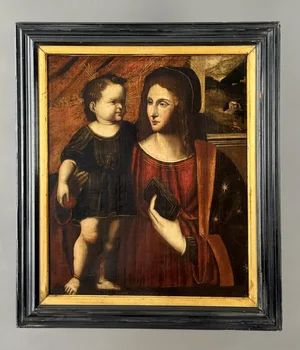
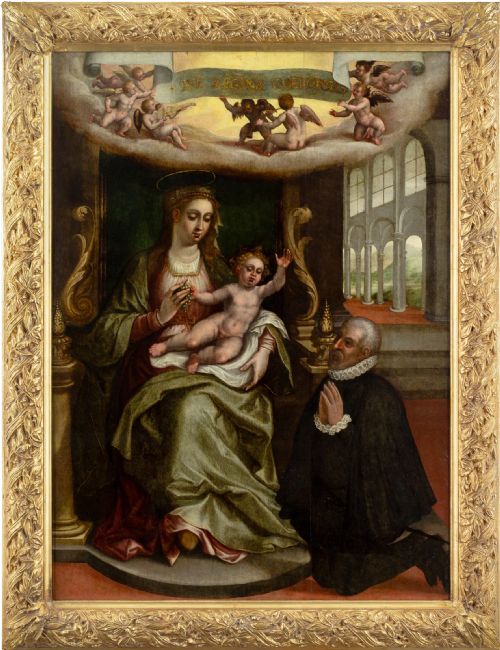
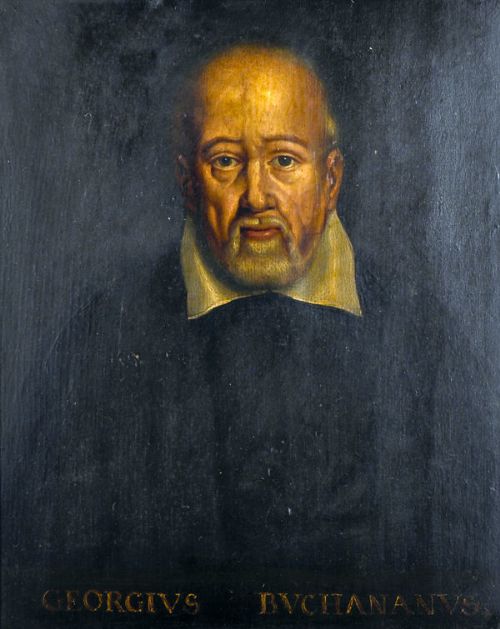
A 16th century oil painting captures the distinct portraiture and religious iconography of the period, offering collectors a direct link to Renaissance workshops.
16th Century Oil Painting
A 16th century oil painting encompasses religious narratives such as the Virgin and Child alongside formal portraiture of nobility and scholars. These works originate from Italian, Northern, Spanish, and German schools, reflecting regional portrait traditions.
Buyers will encounter period examples alongside later revivals from the twentieth century, including Tudor and Elizabethan styles. Portraits of noblemen in armour and noblewomen dominate the selection, often executed on canvas or panel.
Materials and construction
Painters of this era applied oil paint to wooden panels or canvas supports, utilising the slow-drying medium to build rich, luminous layers of colour. Frames often incorporate giltwood and gold leaf, matching the opulent subject matter.
Workshops relied on traditional pigments bound in oil, working within specific regional schools like the Romagnola or Italian Renaissance traditions. Surviving pieces frequently retain their original wood or canvas bases, bearing the physical marks of sixteenth-century studio practice.
Guard your walls carefully, as sixteenth-century Swiss soldiers in full armour tend to watch your every move from the canvas.
Assessing the work
The survival of the original surface and the integrity of the oil paint layers distinguish finer examples from heavily restored or later revival canvases. The depth of the portraiture and the handling of light separate workshop productions from standard decorative copies.
Miguel Barroso Circle·Benvenuto Tisi Follower·John Bettes the Elder·Frans Pourbus the Elder·Gortzius Geldorp
The 16th Century Oil Painting Glossary
- Oil on panel
- A painting technique where oil pigments are applied directly to a prepared wooden board rather than woven fabric. This method was standard for many Northern and Italian Renaissance works before canvas gained widespread use.
- Giltwood
- Wood that has been treated with a thin layer of gold leaf or gold paint, commonly used for historical picture frames. It provides a reflective, ornate border that complements the dark tones of early oil paintings.
- Italian Renaissance
- A cultural movement spanning the fourteenth to the seventeenth centuries that revived classical art and humanism. Paintings from this sphere emphasise proportion, perspective, and naturalistic human anatomy.
- Circle of
- A designation used when a painting shows the direct influence and style of a master artist, likely produced in the same workshop or immediate milieu. It denotes close stylistic proximity without attributing the hand directly to the master.
- Northern Renaissance
- The cultural and artistic development in Europe north of the Alps during the fifteenth and sixteenth centuries. These works are known for meticulous detail, rich textures, and deep religious symbolism.
16th Century Oil Painting: Frequently Asked Questions
How do I identify a true 16th century oil painting?
Examine the materials and construction methods, as authentic period pieces utilise wood panels or early canvas supports paired with traditional oil pigments. Stylistic cues such as Elizabethan dress, Renaissance composition, and regional painting techniques also help distinguish genuine works from later revivals.
Look closely at the handling of the subject and the ageing of the paint layers. Craquelure and pigment stability offer further clues regarding the true age of the artwork.
What is the difference between an Italian and Northern Renaissance painting?
Italian Renaissance paintings typically focus on classical humanism, idealised proportions, and monumental figures within balanced architectural settings. Northern Renaissance works place greater emphasis on meticulous surface detail, domestic realism, and rich textures.
Both traditions rely on oil paint, but their approach to light and space reflects their distinct regional workshops and cultural contexts.
How should I display an antique oil painting at home?
Keep the painting away from direct sunlight, heating vents, and damp areas to protect the canvas, wood panel, and delicate oil paint layers. Stable indoor humidity prevents the wooden supports and giltwood frames from warping or cracking.
Lighting should be subtle and indirect to avoid heat damage while highlighting the depth of the original pigments and gold leaf detailing.
What does attribution to a circle mean?
Attribution to a circle indicates that a painting was produced by an unidentified artist working in close association with a named master. These works share the technical proficiency, style, and workshop practices of the primary artist.
Such pieces provide insight into the collaborative nature of Renaissance studios where pupils and assistants contributed to major regional outputs.