




Renaissance Art Oil Canvas
Renaissance art oil canvas pieces capture the enduring majesty of historical portraiture and religious devotion, offering buyers a profound connection to masterworks of the past.
Renaissance Art Oil Canvas
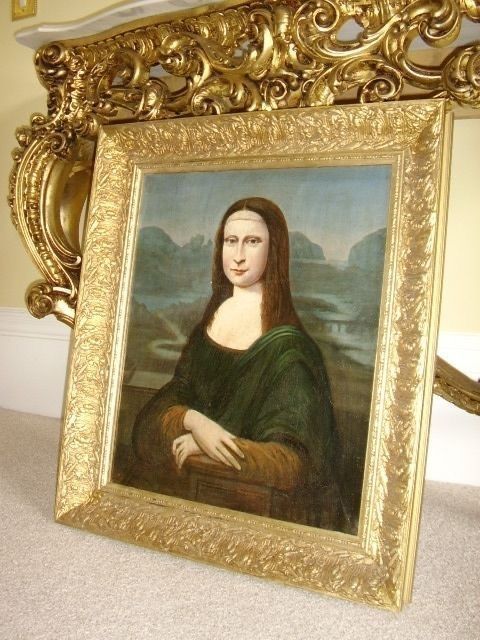
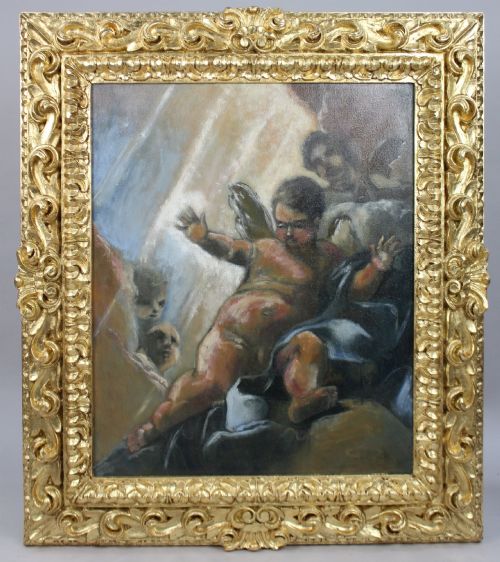
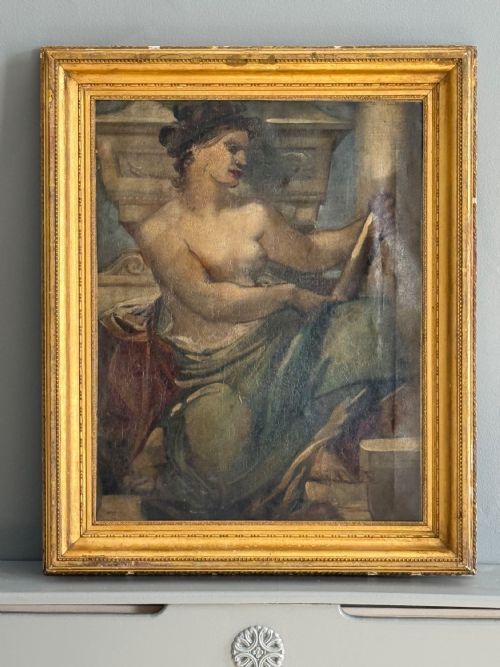
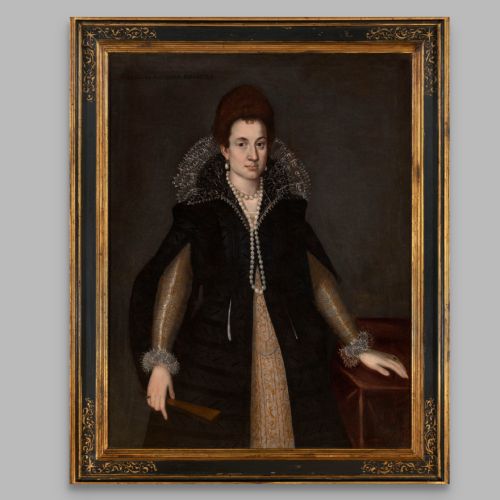
When searching for renaissance art oil canvas, collectors encounter oil paintings depicting religious scenes, historical genre subjects, and aristocratic portraits. These works span centuries of artistic interpretation, ranging from genuine sixteenth-century compositions to nineteenth-century revival pieces and later copies after masters.
The selections on this page frequently present devotional subjects such as the Madonna and Child alongside formal portraits of noblemen and Elizabethan gentlemen. Italian Renaissance and Northern Renaissance styles dominate the selections, alongside Victorian and Edwardian interpretations.
Buyers will find both period originals attributed to specific European schools and skilled studio copies after celebrated painters like Raphael, Titian, and Veronese. These canvases bridge the gap between museum collections and domestic interiors by preserving classic iconography on traditional woven supports.
How they were made
Painters built these works using oil paint applied to woven canvas supports, sometimes stretched over wooden frames or housed within carved giltwood settings decorated with gold leaf. The medium allowed artists to build rich layers of translucent glaze and opaque pigment, achieving deep shadows and luminous skin tones.
Earlier execution involved preparation of the canvas with traditional grounds before applying slow-drying oils, a technique that preserved fine brushwork and intricate detail across centuries. Later revival works utilised similar oil and canvas combinations while employing nineteenth-century stretching and framing methods.
Listings feature works spanning from the 16th century through the 20th century, executed in oil on canvas and housed in giltwood frames.
What varies in quality
The distinction between ordinary decorative copies and superior works rests upon the handling of anatomy, expression, and drapery by the artist's hand. Finer canvases reveal confident brushwork and subtle tonal gradation that capture the psychological depth and volumetric form characteristic of the source material.
Condition and framing also govern the standing of a piece, with period carved giltwood frames enhancing the visual authority of the artwork. Superior examples maintain the structural integrity of the original canvas while exhibiting minimal overpaint across key focal areas like faces and hands.
Pietro Fachetti·Bernardino Luini·Miguel Barroso·Paolo Veronese·Benvenuto Tisi·Joachim Bueckelaer·Alfred Holst Tourrier·Raffaello Sanzio Da Urbino·Antonio Allegri·Scipione Pulzone·Giovanni Battista Moroni·Rosso Fiorentino·Hans Holbein·Cornelis Van Der Voort·Girolamo Dai Libri·John Bettes the Elder·Frans Pourbus the Elder
The Renaissance Art Oil Canvas Glossary
- Oil on Canvas
- A traditional painting medium where pigments bound in drying oil are applied to a woven fabric support. This combination provides flexibility and durability for large-scale compositions.
- Giltwood
- Timber that has been coated with a thin layer of gold leaf or powder. This ornate framing material frequently accompanies classical and revival paintings.
- Renaissance Revival
- An artistic movement during the nineteenth century that drew inspiration from the forms, techniques, and themes of fifteenth and sixteenth-century Europe. Artists reinterpreted classic compositions with contemporary materials and framing.
- Circle of
- A designation indicating that a painting was produced by an unidentified artist working in the immediate milieu of a known master, sharing their exact style and workshop practices.
- Provenance
- The documented history of a painting's ownership and exhibition record from its creation to the present day. Clear lineage helps authenticate older works.
Renaissance Art Oil Canvas: Frequently Asked Questions
What is a renaissance art oil canvas?
These works are oil paintings on woven fabric that either date from the historical Renaissance period or follow its distinct aesthetic traditions. They typically portray religious narratives, classical mythology, or formal portraiture.
Buyers choose these items to introduce historical gravitas and classical beauty into domestic spaces. The selection ranges from sixteenth-century religious panels to nineteenth-century revival portraits set in ornate frames.
How do I distinguish an original period piece from a revival copy?
Distinguishing period work from later interpretations requires examining the canvas preparation, pigment ageing, and stylistic execution. Sixteenth and seventeenth-century works display craquelure patterns and handling consistent with historical workshop practices.
Revival pieces from the nineteenth century often utilise standardised stretcher frames and modern priming techniques while emulating earlier masterworks. Examining the reverse of the canvas and the framing hardware often reveals clues regarding the true age of the object.
How should I care for an oil painting on canvas?
Protecting these paintings involves maintaining stable environmental conditions away from direct sunlight, extreme temperature fluctuations, and high humidity. Gentle dusting with a soft, dry brush keeps the surface clear of particulate matter without risking the paint layers.
Avoid using moisture or chemical cleaners on the canvas or the giltwood frame. Professional conservators should handle any structural repairs, cleaning, or varnish removal.
Where were these paintings traditionally displayed?
Historical oil paintings were commissioned by nobility, religious institutions, and wealthy merchants to adorn private chapels, grand palazzos, and stately homes. They served as symbols of learning, piety, and social standing.
In modern interiors, these works function as striking focal points above mantelpieces, in libraries, or along stairwells. Their rich colour palettes and dramatic lighting complement both traditional and eclectic decorative schemes.