



Renaissance Portrait Painting
A renaissance portrait painting captures the dignified presence and rich iconography of sixteenth-century subjects, whether acquired as an original sixteenth-century work or a later revival copy.
Renaissance Portrait Painting
When you search for a renaissance portrait painting, you encounter works spanning the genuine sixteenth century alongside later interpretations from the nineteenth and twentieth centuries. These pieces typically depict nobility, religious figures, or historical personages in oil on canvas, wood panels, or painted porcelain plaques.
The selection ranges from sixteenth-century Italian and Northern European compositions to subsequent revival pieces created during the nineteenth century and the mid-twentieth century. Buyers frequently meet depictions of noblewomen, scholars, and religious icons executed in the manner of master painters.
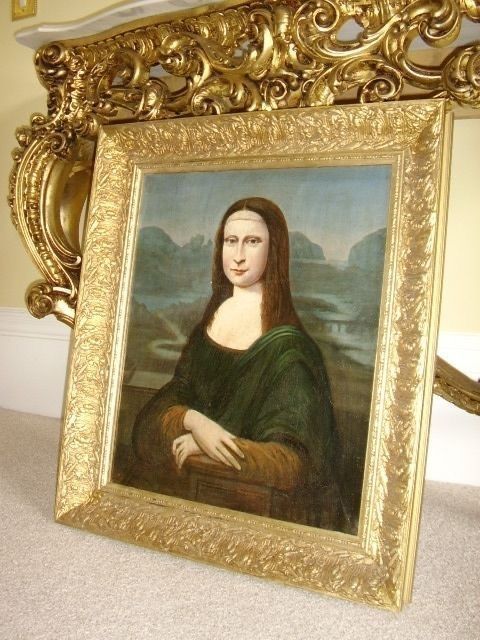
Many listings comprise copies or works after famous masters such as Raphael, Leonardo da Vinci, and Titian, produced during later centuries as part of the Grand Tour tradition or academic study. These varied origins define the diverse character of the pieces available to collectors today.
Materials and Techniques
The primary medium recorded across these works is oil paint applied to canvas or wooden panels, often utilising rich pigments and gold leaf to denote status and light. Artists structured these compositions with careful attention to layering, creating deep tones suited to period attire and interior settings.
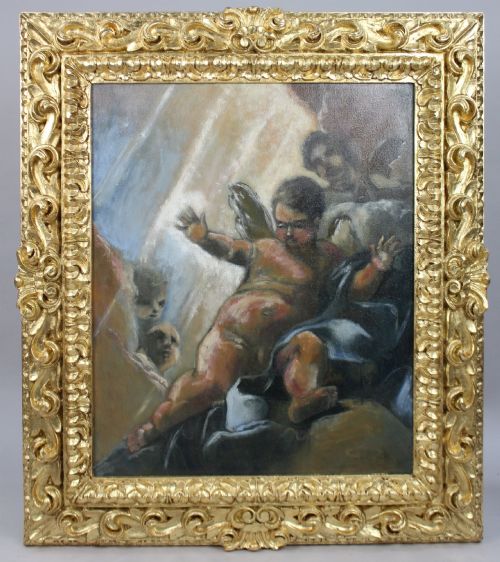
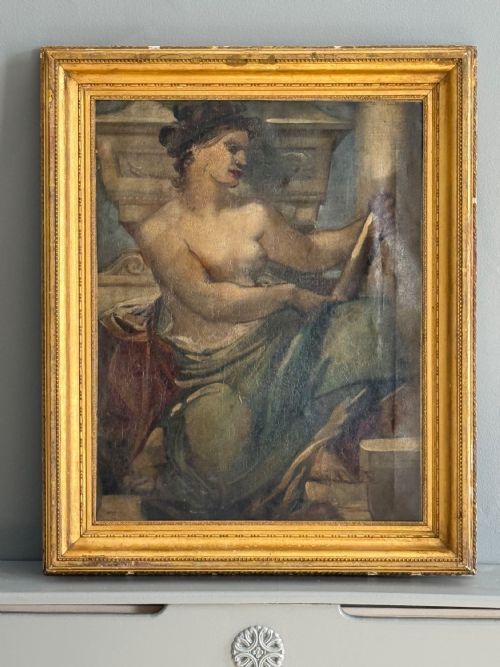
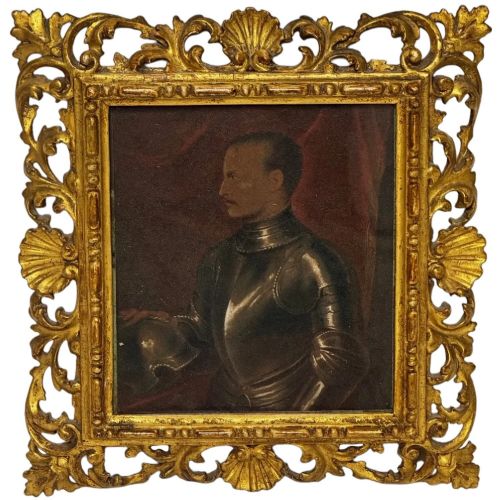
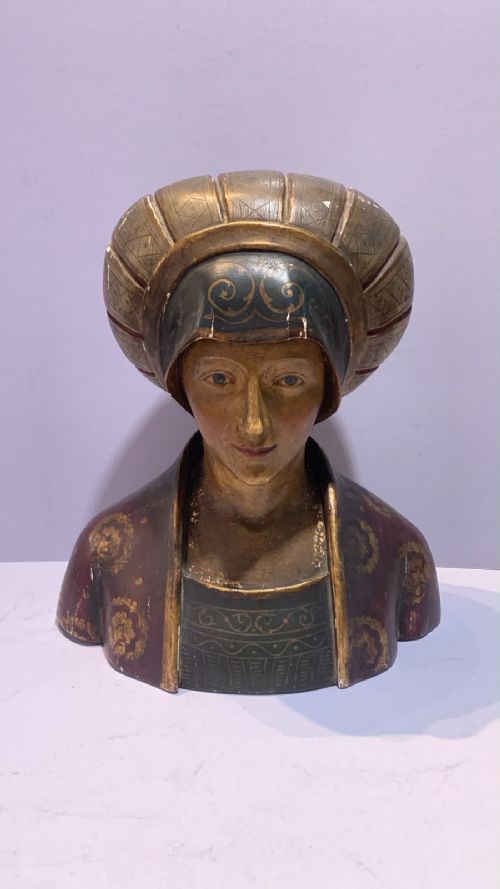
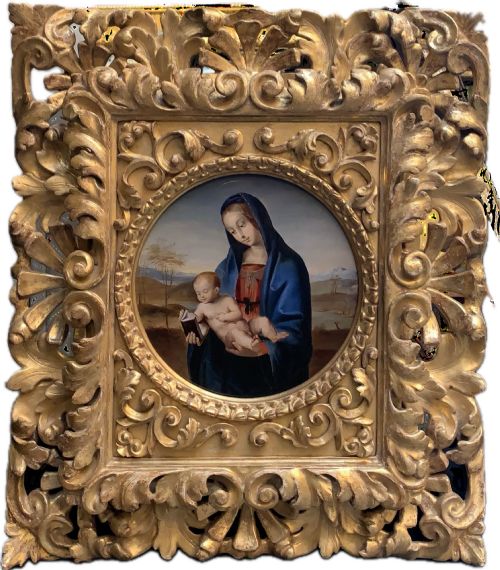
Support materials extend beyond canvas to include copper, porcelain plaques, and plaster, particularly in later revival pieces like Limoges enamels and Berlin plaques. Frames of carved giltwood frequently accompany the canvas works, completing the presentation of the oil paintings.
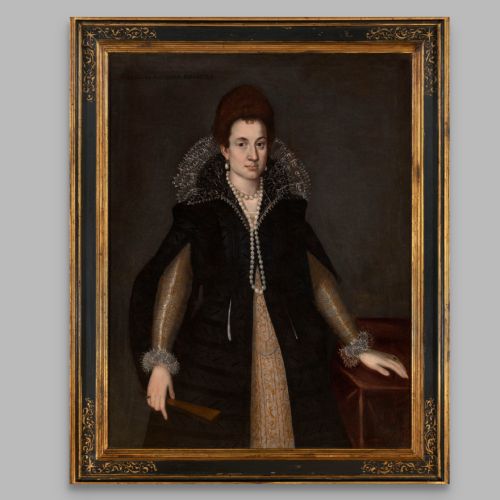
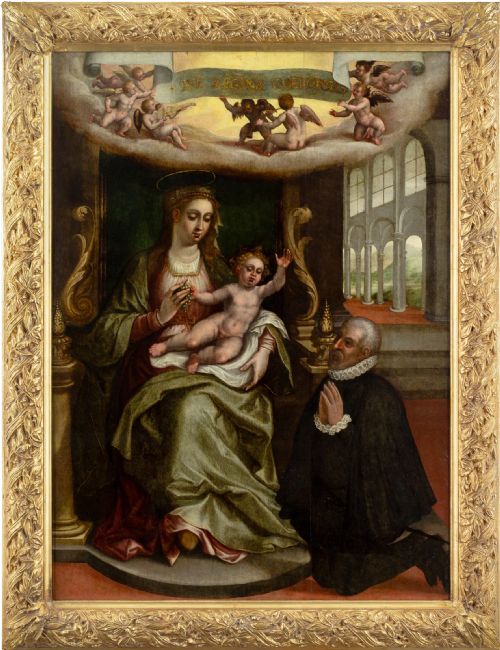
Several noblemen on this page retain their sixteenth-century expressions while residing comfortably inside nineteenth-century giltwood frames.
Factors That Distinguish Quality
The standard of execution in the brushwork and the precision of the anatomical drawing separate student copies from accomplished period works. Superior pieces display confident handling of fabric textures, facial expressions, and atmospheric depth.
The integrity of the support and the originality of the associated frame also influence the character of the piece. Works retaining their original or period-appropriate carved giltwood frames command greater attention from discerning collectors.
Leonardo Da Vinci·Pietro Fachetti·Gian Paolo Pace·Bernardino Luini·Paolo Veronese·Benvenuto Tisi·Joachim Bueckelaer·Alfred Holst Tourrier·Antonio Allegri·Scipione Pulzone·Raffaello Sanzio·Giovanni Battista Moroni·Rosso Fiorentino·Hans Holbein·Cornelis Van Der Voort·Girolamo Dai Libri·Ambrious Benson·John Bettes the Elder·Frans Pourbus the Elder·Rowland Suddaby
The Renaissance Portrait Painting Glossary
- Renaissance Revival
- A nineteenth-century artistic movement that consciously emulated the styles, themes, and techniques of the fifteenth and sixteenth centuries. This aesthetic generated numerous portraits and religious scenes executed in oil on canvas.
- Grand Tour
- A cultural journey undertaken by European elites during the eighteenth and nineteenth centuries, which often resulted in the acquisition of art copies and classical busts. Travellers frequently commissioned local artists to paint copies of famous Renaissance masterpieces.
- Giltwood
- Timber that has been coated with a thin layer of gold leaf or gold paint, commonly used for ornate picture frames. These frames often feature carved decorative motifs suited to period oil paintings.
- Old Master
- A term applied to European painters of skill working before about eighteen hundred, or to the works produced by them. Many listings reference these master figures through later tribute paintings and copies.
Renaissance Portrait Painting: Frequently Asked Questions
What is a renaissance portrait painting?
A renaissance portrait painting is an artwork depicting human subjects with the characteristic realism, depth, and symbolism associated with the fifteenth and sixteenth centuries. These pieces can be original sixteenth-century works or later revival paintings executed in subsequent eras.
Buyers encounter both authentic period pieces and later homages, including detailed oil paintings on canvas, wooden panels, and painted porcelain plaques created to honour the historic style.
Are these paintings original sixteenth-century works?
The selection includes genuine sixteenth-century pieces alongside numerous later works dated to the nineteenth and twentieth centuries. Many listings explicitly identify themselves as later copies or works created in the style of earlier masters.
Examining the listed period details clarifies whether a specific painting originates from the sixteenth century or represents a nineteenth-century revival and Grand Tour creation.
How do I display a renaissance portrait painting?
These paintings suit traditional interior settings, often mounted on prominent walls where their rich oil pigments and giltwood frames can catch natural light. Pairing them with period furniture enhances their historic atmosphere.
Protection from direct sunlight and stable humidity levels help preserve both the canvas support and the delicate layers of oil paint over time.
What subjects appear in these portraits?
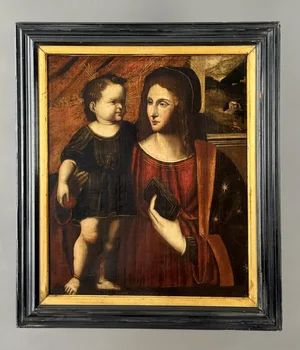
Common subjects include noblemen, noblewomen, and religious figures depicted in formal attire adorned with period details like badges and elaborate collars. Artists also frequently painted depictions of the Madonna and Child alongside historical genre scenes.
These subjects reflect the cultural and religious priorities of the periods in which the original compositions were conceived and later reproduced.