

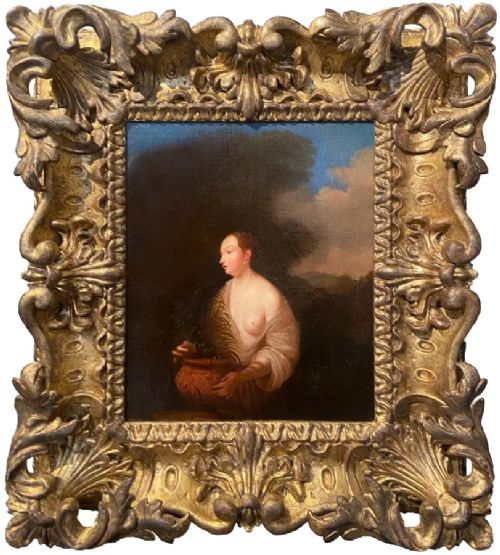


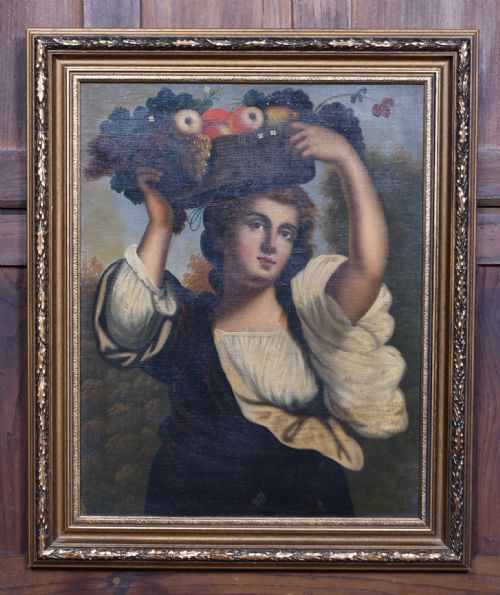


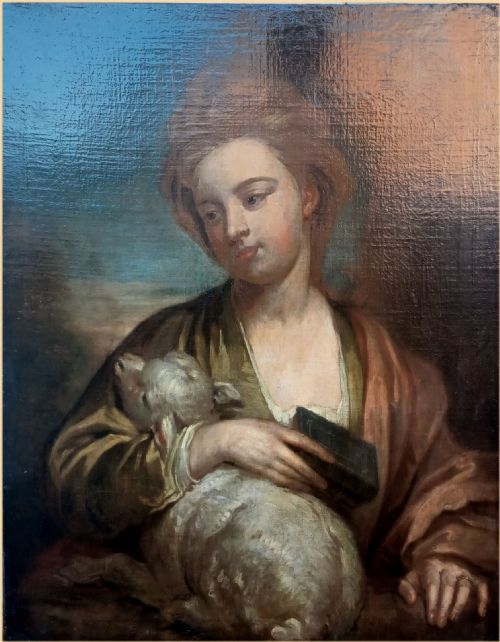
Allegorical Oil Painting
An allegorical oil painting tells a deeper story through symbolic figures, bringing centuries of classical narrative straight to your walls.
Allegorical Oil Painting
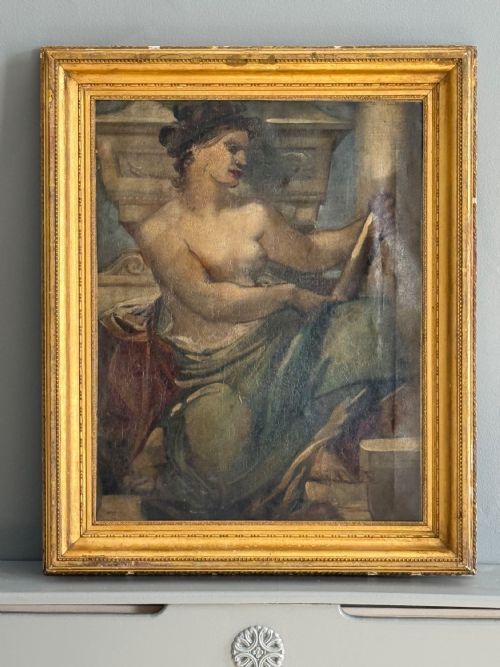
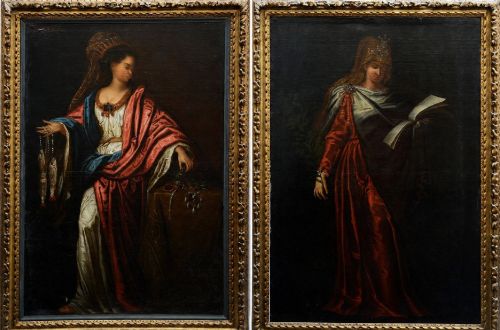
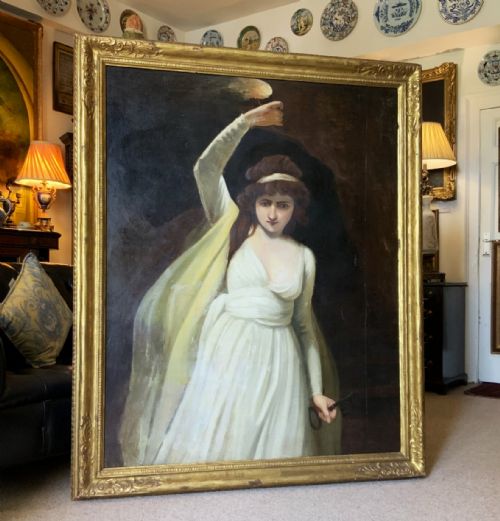
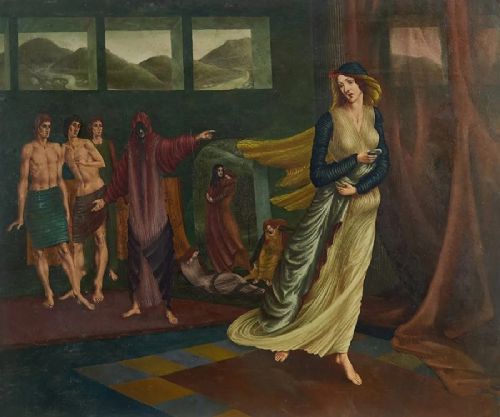
An allegorical oil painting uses symbolic figures and mythological subjects to convey abstract ideas, often drawing on classical themes like the sibyls, seasons, or virtues. When you search for an allegorical oil painting, you encounter canvases spanning several centuries, from seventeenth-century portraits to nineteenth-century interpretations.
The works appearing here include monumental pairs and detailed individual compositions created by European schools and named painters. Subjects frequently feature deities, cherubs, and symbolic representations such as Flora or the Four Seasons.
Pieces range from seventeenth-century classical depictions to nineteenth-century Renaissance Revival and Symbolism styles. These artworks reflect diverse origins across European artistic traditions, utilising canvas and board as primary supports.
Assessing Quality
Quality in an allegorical oil painting rests upon the confidence of the brushwork and the expressive capability of the figures. Superior examples display anatomical precision, balanced composition, and a sophisticated handling of light and shadow.
The depth of narrative engagement distinguishes finer works from simpler decorative pieces. Masterful integration of symbolism and classical motifs elevates the artistic merit of the composition.
The listings span from the seventeenth century through to the twentieth century, featuring oil on canvas and gilt wood frames.
John Opie RA·Toussaint Gelton·Nicolas Fouché·Jean Baptiste Isabey·Del Buono·Guiseppe Mazzolini·Peter Paul Rubens·Sir Godfrey Kneller·Charles Augustus Henry Lutyens·Franz Lefler
The Allegorical Oil Painting Glossary
- Allegory
- A representation of abstract ideas through characters and events. These visual narratives employ mythological or symbolic figures to convey moral or philosophical meanings.
- Sibyl
- An ancient prophetess depicted in classical and Renaissance art. Works featuring subjects like the Cumaean or Delphic sibyls carry deep historical and prophetic significance.
- Renaissance Revival
- An artistic movement looking back to the forms and ideals of the Renaissance. Pieces in this style emulate the composition and grandeur of earlier centuries.
- Baroque
- A period characterised by dynamic movement and dramatic use of light. Paintings from this tradition often feature theatrical staging and intense emotional resonance.
- Giltwood
- Wood carved and covered with a thin layer of gold leaf. This material forms the ornate frames frequently housing period canvases.
Allegorical Oil Painting: Frequently Asked Questions
What is an allegorical oil painting?
An allegorical oil painting is a work of art that uses symbolic imagery, mythological figures, or personifications to express deeper meanings, ideas, or moral lessons. These pieces often feature classical deities, seasons, or virtues rather than straightforward portraits or landscapes.
Artists through the centuries employed these complex visual narratives to communicate philosophical or literary concepts to viewers who understood the shared cultural language of symbolism.
How do I identify the period of a painting?
Identifying the period involves examining the painting's style, stretcher frames, canvas preparation, and the specific iconography used by the artist. Seventeenth and eighteenth-century works often reflect Baroque or Classical traditions, while nineteenth-century pieces may show Revival or Symbolist influences.
Comparing the handling of pigment and the framing materials helps narrow down the era in which the canvas was produced.
Where should I hang a large allegorical painting?
Large allegorical works command attention and suit principal reception rooms, hallways, or dining spaces with adequate wall space and stable environmental conditions. Placing them away from direct sunlight protects the oil pigments and the gilded wood frames.
Ensure the wall structure can support the weight of the canvas and its substantial period frame safely.
What subjects are common in these paintings?
Common subjects include classical figures such as sibyls, cherubs, personifications of the seasons, and mythological deities like Flora. These themes allowed historical artists to explore human emotion, seasonal change, and allegories of love or innocence.
Such narratives provide rich visual detail that rewards close inspection and rewards the viewer with layers of classical reference.