

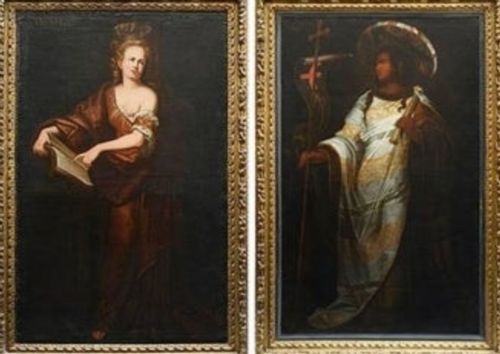


Antique Allegorical Painting
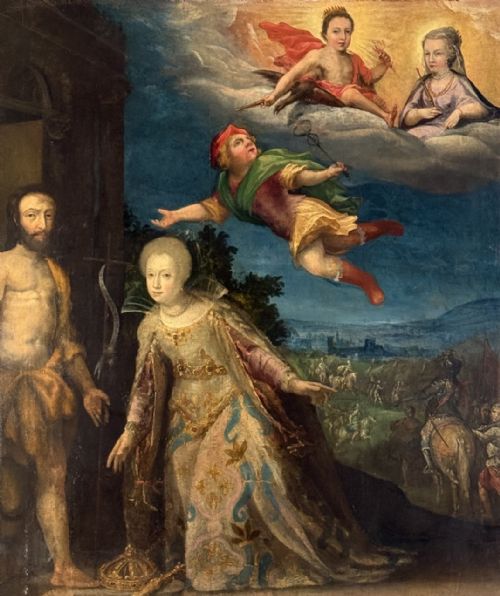
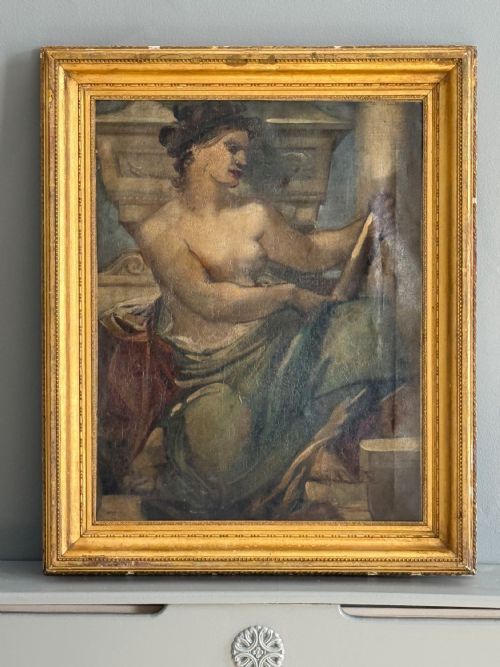
When you search for an antique allegorical painting, you look for symbolic narratives rendered in oil, porcelain, or glass from the sixteenth century onwards.
Antique Allegorical Painting
An antique allegorical painting presents human figures, cherubs, or mythological subjects to represent abstract ideas such as the seasons, elements, or virtues.
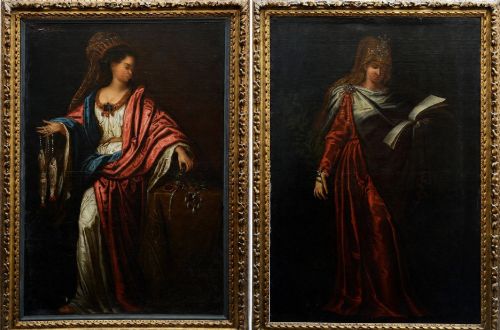
The selections span from late sixteenth-century oil on panel works to eighteenth-century canvases depicting classical sibyls and personifications like Flora.
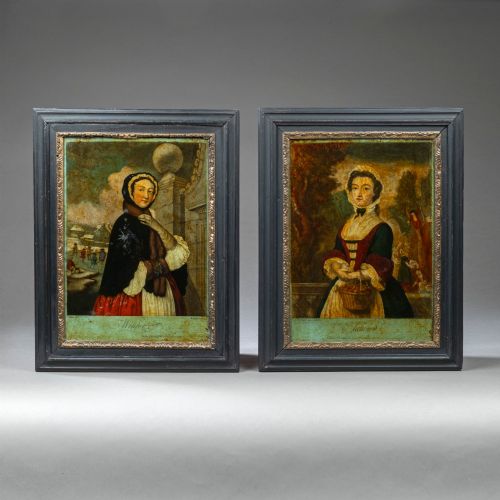
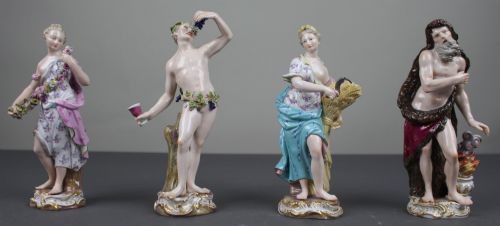
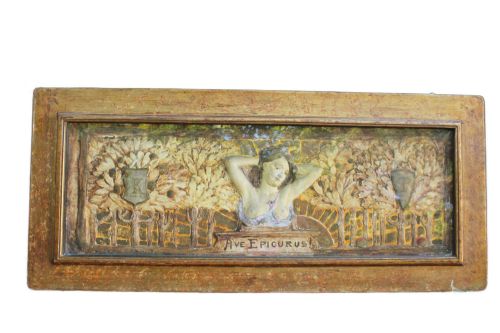
Beyond traditional canvas and panel works, the category encompasses reverse glass prints and porcelain figurines capturing these same symbolic themes.
How they were made
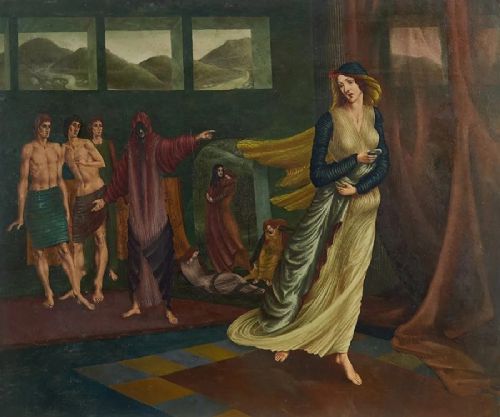
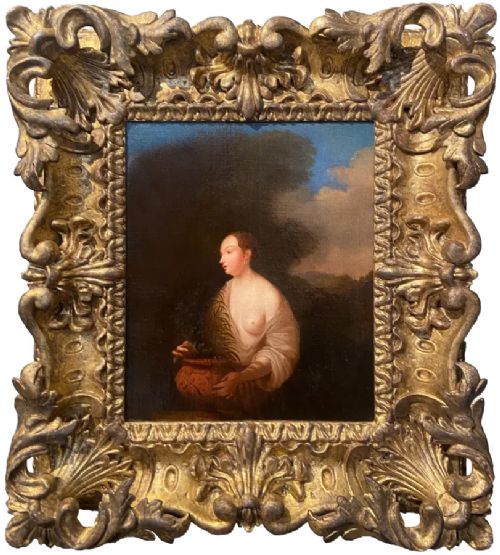
Painters layered oil on canvas or wood panels, often enhanced by gold leaf to highlight divine or symbolic attributes.
Porcelain works required meticulous moulding and polychrome enamelling, demonstrated by factories producing figures of the seasons and elements.
Reverse glass prints involved painting directly onto the reverse side of glass plates to achieve a luminous finish.
Antique Allegorical Painting Retail Price Guide 2026
Typical asking prices for allegorical painting among the pieces listed under this phrase on Sellingantiques today, from the lower quarter to the upper quarter. They describe what is for sale here now, not the wider market.
Listings feature works spanning from the sixteenth century to the early twentieth century, encompassing oil, porcelain, and glass.
What varies in quality
The sophistication of the figural drawing and the expressive depth of the mythological subjects determine the standing of a painted work.
In porcelain and plaster relief pieces, the crispness of the moulding and the delicacy of the hand-painted polychrome details set the finer examples apart.
Toussaint Gelton·Nicolas Fouché·Carl Thieme·Jean Baptiste Isabey·Helena Wolfsohn·Sir Godfrey Kneller·Charles Augustus Henry Lutyens
The Antique Allegorical Painting Glossary
- Allegory
- Representation of abstract ideas through concrete figures and narratives. These works use visual symbols like flowers or seasons to convey deeper moral or philosophical meanings.
- Sibyl
- Prophetess of ancient Greece or Rome. Artists frequently depicted these figures to symbolise divine wisdom and foresight.
- Reverse glass print
- Image painted on the reverse side of a glass sheet and viewed from the front. This technique produces a distinct glossy surface and preserved colours.
- Panel painting
- Artwork executed on a flat piece of wood rather than canvas. This was common in earlier European schools before canvas became standard.
Antique Allegorical Painting: Frequently Asked Questions
What do these paintings represent?
These works use human figures and mythological scenes to portray abstract concepts such as the four seasons, elements, or virtues.
Figures like Flora or personifications of autumn and winter appear frequently to communicate moral or natural themes.
How do I identify the subject matter?
Look for traditional attributes held by the figures, such as flowers for spring or water vessels for aquatic allegories.
Inscriptions and classical titles often accompany depictions of sibyls and mythological deities.
Are these pieces only oil on canvas?
While oil paintings on canvas and panel form a large part of the selection, the category also includes reverse glass prints and porcelain figures.
Porcelain manufactories produced modelled figure groups representing the exact same seasonal and elemental themes.
How should I care for an oil painting?
Keep painted works away from direct sunlight and steady humidity levels to protect the oil pigments and canvas support.
Dust surfaces gently with a soft, dry brush without applying liquid cleaners.