





Flemish Oil Portrait
A flemish oil portrait brings centuries of northern European craftsmanship and rich character study directly to your wall.
Flemish Oil Portrait
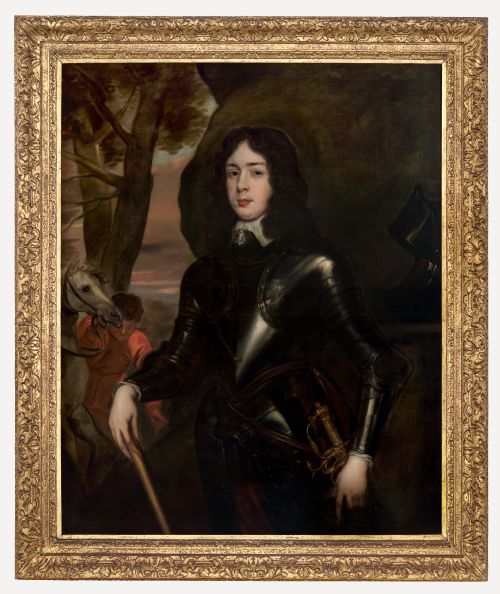
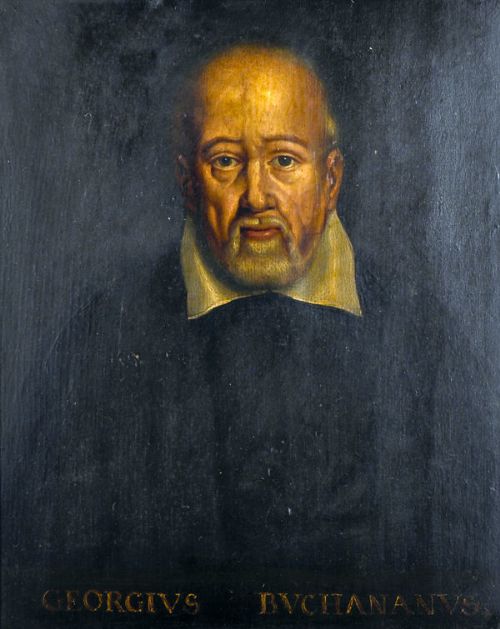
A flemish oil portrait captures likenesses and domestic scenes ranging from the sixteenth to the nineteenth century, including works from the Dutch Golden Age and Northern Renaissance styles.
You are most likely to encounter seventeenth-century oils on canvas depicting gentlemen, officers, or musicians, often created by followers or circles of master painters.
The selections span grand aristocratic depictions to intimate tavern interiors, reflecting the varied social strata recorded by the Flemish School.
Materials and methods
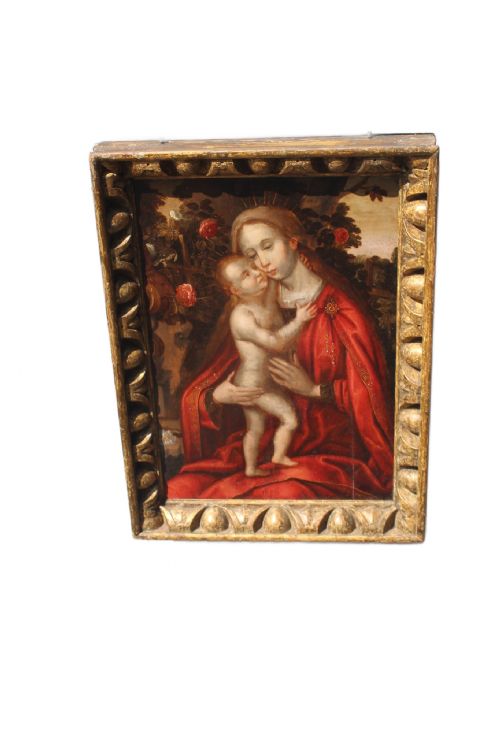
Artists painted primarily with oil on canvas or wooden panel, sometimes incorporating gold leaf to highlight details in early panels.
Surviving canvases sit within period frames constructed from wood and heavy giltwood, preserving the structural integrity of the artwork over hundreds of years.
Assessing the work
Quality rests in the handling of light, shadow, and fabric textures, distinguishing master studio output from later provincial student copies.
The depth of pigment preservation and the original condition of the canvas surface dictate the visual impact of the composition.
Sir Anthony van Dyck·David Teniers The Younger·Jan Cossiers·Peter Paul Rubens·Frans Pourbus the Elder
The Flemish Oil Portrait Glossary
- Flemish Baroque
- A dynamic artistic style originating in Flanders during the seventeenth century, characterised by drama, rich colour, and deep chiaroscuro.
- Oil on canvas
- A painting medium where pigments are suspended in drying oils and applied to a stretched woven fabric support.
- Panel painting
- A flat surface made of wood used as a support for oil paintings, common in earlier northern European works.
- Giltwood
- Wood carved and coated with a thin layer of gold leaf, frequently utilised for ornate historical picture frames.
- School
- A group of artists sharing a similar style, region, or time period, often working under the influence of a master.
Flemish Oil Portrait: Frequently Asked Questions
How do I date a flemish oil portrait?
Dating relies on stylistic clues such as costume details, ruff collars, or armour types depicted in the subject. Canvas preparation and frame construction also offer strong chronological indicators.
Expert examination of pigment types and craquelure patterns helps narrow the creation period when documentation is absent.
Where were these paintings originally displayed?
These portraits hung primarily in merchant townhouses, noble estates, and civic institutions across Flanders and the Low Countries. They projected social status, familial lineage, and civic pride.
Today, they transition easily into domestic studies, hallways, or living rooms seeking a focal point of historic depth.
What is the difference between studio work and follower pieces?
Studio works were produced by assistants under the direct supervision or within the workshop of a master painter. Follower pieces were created later by artists inspired by the master's distinct style.
Both categories reflect the enduring aesthetic influence of primary seventeenth-century workshops.
How should I care for an antique oil painting?
Keep the canvas away from direct sunlight, high humidity, and rapid temperature fluctuations to prevent pigment cracking and wood warping. Dust the surface very gently with a dry, soft brush when necessary.
Avoid using water, chemical cleaners, or modern solvents on the aged paint layers.