




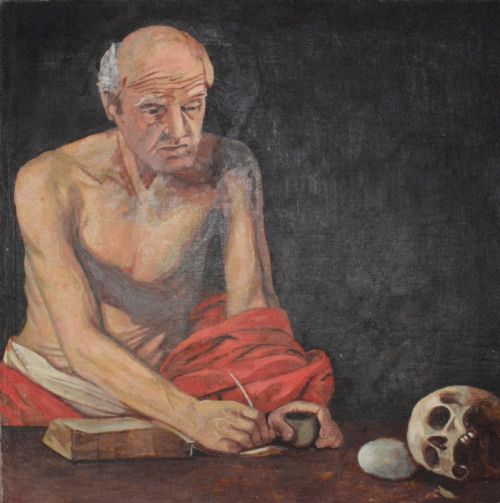
Antique Portrait of Scholar
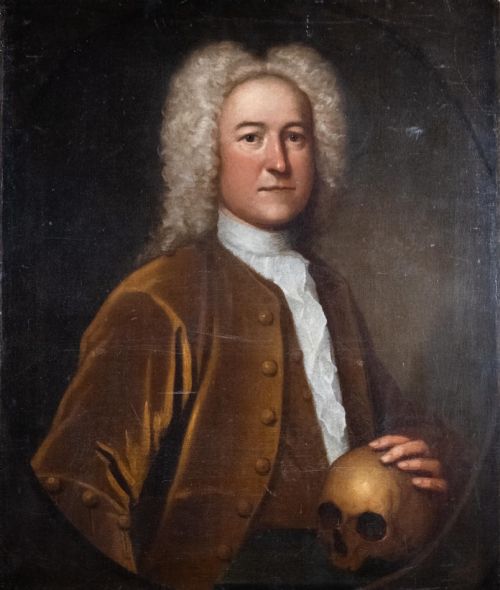
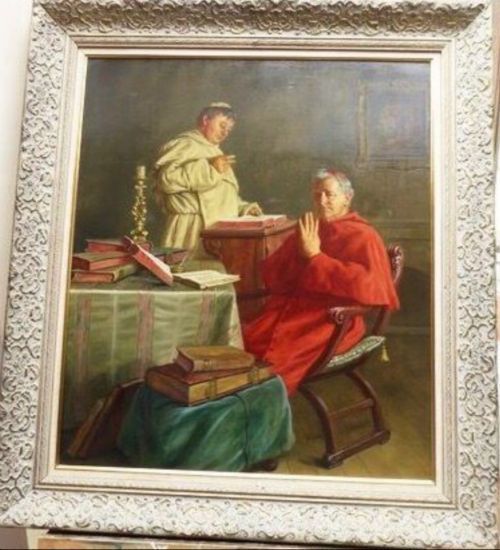
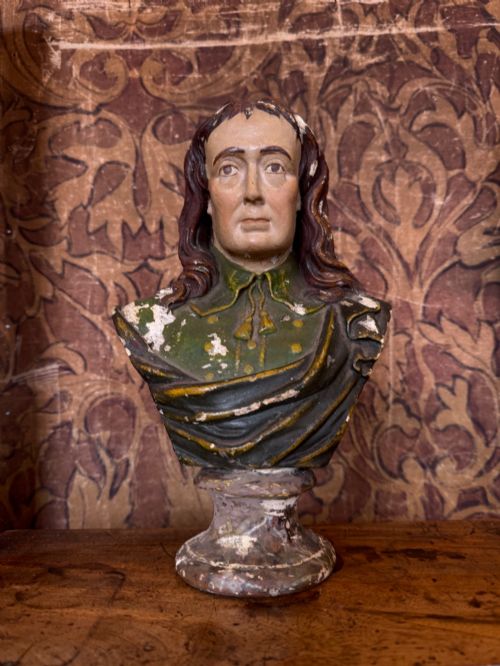
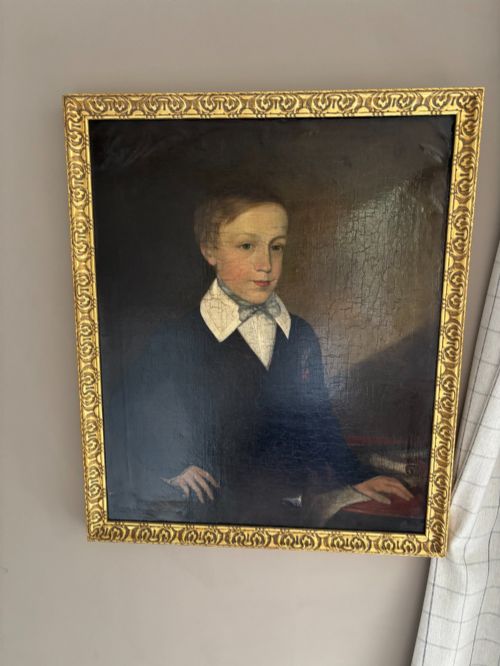
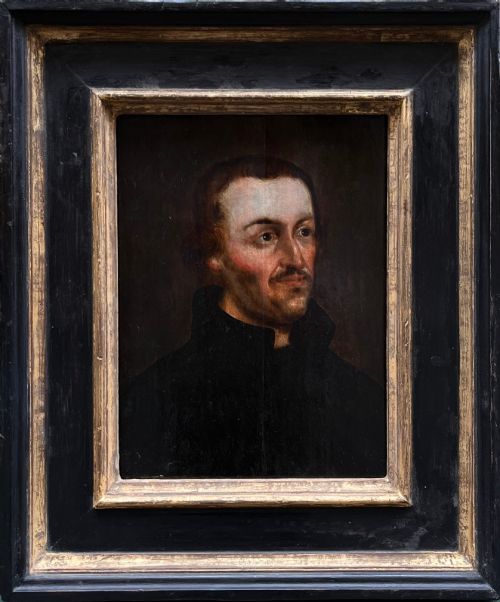
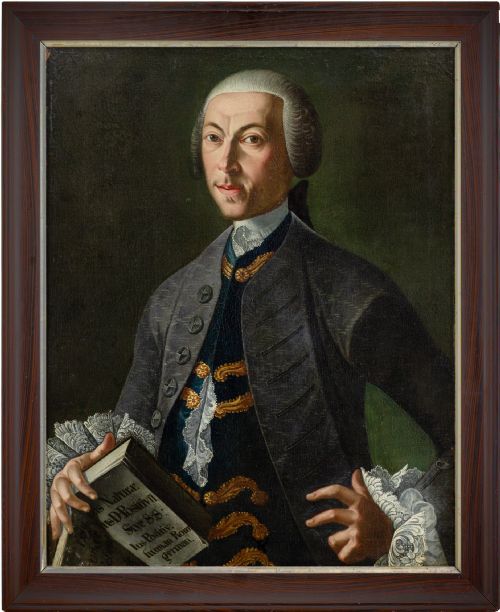
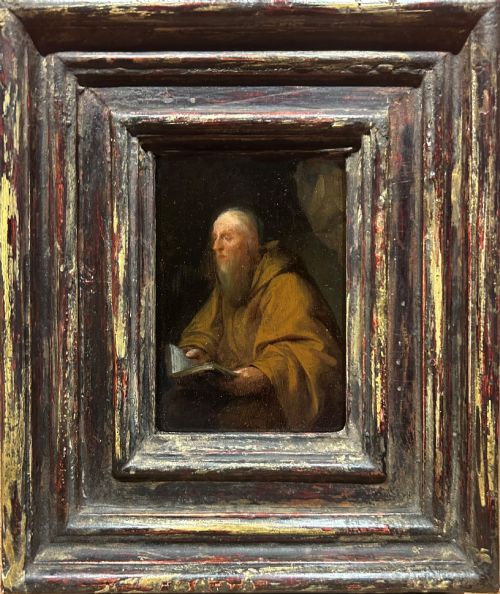
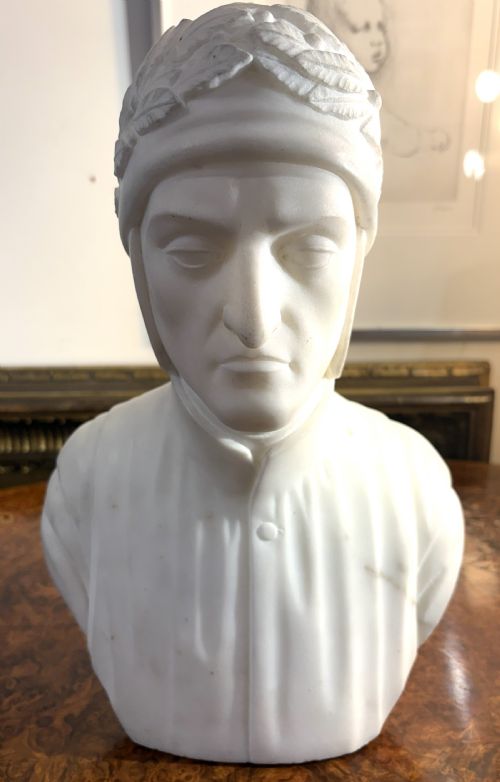
An antique portrait of scholar captures intellectual pursuit through oil paintings on canvas and sculpted library busts spanning four centuries.
Antique Portrait of Scholar
An antique portrait of scholar brings figures of learning, theology, and philosophy into domestic spaces through painted canvas and carved bust forms. Buyers encounter works ranging from seventeenth-century English oils to nineteenth-century marble library pieces and twentieth-century Judaic art.
The subjects include physicians, mathematicians, theologians, poets, and readers depicted with books, scrolls, or architectural backgrounds. These pieces reflect historical intellectual traditions across British, European, and Persian schools from the seventeenth century onwards.
Materials and construction
Paintings utilise oil on canvas, wood panels, copper, and board, framed with wood and giltwood surrounds. Sculptural works employ marble, simulated stone plaster, and gilded wood to render library busts of historical figures.
Artisans applied oil paint using school-specific techniques, capturing rich textures in garments, curtains, and bookshelves. Sculptors carved and cast materials to emulate classical forms, maintaining durable surfaces across centuries.
Antique Portrait of Scholar Retail Price Guide 2026
Typical asking prices for portrait of scholar among the pieces listed under this phrase on Sellingantiques today, from the lower quarter to the upper quarter. They describe what is for sale here now, not the wider market.
Listings feature oil paintings on canvas, copper, and wood alongside marble and plaster busts dating from the seventeenth to the twentieth century.
Assessing quality in scholarly portraits
Quality rests upon the precision of the brushwork or carving, particularly in the rendering of facial expression, hands, and surrounding objects like books. Superior pieces display confident handling of light and shadow, giving depth and presence to the sitter.
The distinction also lies in the preservation of the original surface and the fidelity of the attribution to known schools or masters. Well-preserved pigment layers and crisp sculptural details distinguish finer works from standard decorative pieces.
Michael Dahl·John Watkins Chapman·John Scougall·John Hoskins·James Ward·Frans Pourbus the Elder·Edward Penny·Joseph Thraves
The Antique Portrait of Scholar Glossary
- Oil on canvas
- Pigments bound in a drying oil applied to a stretched woven fabric support. This method became the primary medium for European portraiture from the Renaissance onward.
- Giltwood
- Wood carved and coated with a thin layer of gold leaf or gold paint. It provides ornate framing for many traditional oil paintings.
- Library bust
- A sculpted head and shoulders portrait designed for display within a study or library. These often depict classical authors, poets, or philosophers.
- School
- A group of artists sharing a similar style, time period, or geographical origin under a master's influence. Attributions often assign anonymous historical works to regional schools.
- Panel painting
- An artwork executed on a flat piece of wood rather than canvas. This traditional support was common before canvas gained widespread favour.
Antique Portrait of Scholar: Frequently Asked Questions
What subjects appear in these portraits?
These works depict medical doctors, theologians, poets, mathematicians, and readers surrounded by books, scrolls, and curtained interiors. The sitters represent historical figures of intellect and faith.
Subjects range from specific named individuals like Dante Alighieri and Martin Luther to anonymous scholars, hermits, and rabbis.
What periods do these paintings cover?
The available selection spans from the seventeenth century through the eighteenth and nineteenth centuries into the early twentieth century. Pieces reflect artistic movements such as the Dutch Golden Age, Baroque, and Classical Revival.
Earlier works often feature dark, rich palettes typical of seventeenth-century European schools, while later pieces show broader stylistic variation.
How are wood panel paintings preserved?
Wood panel paintings require stable indoor humidity and temperature to prevent the wooden support from warping or cracking over time. Avoid hanging them on exterior walls subject to moisture.
Dust the surface gently with a soft, dry brush and keep them out of direct sunlight to prevent pigment fading.