
Dutch Master Oil Painting
A dutch master oil painting brings the dark drama and luminous detail of the seventeenth century directly into a room.
Dutch Master Oil Painting
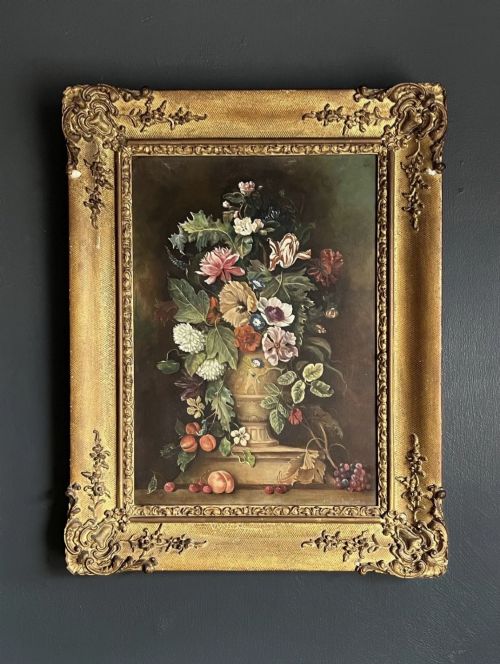
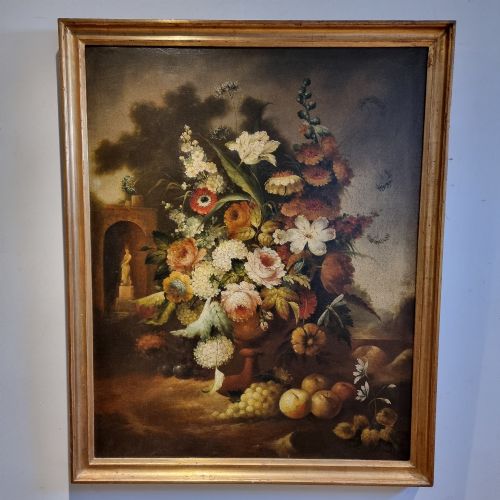
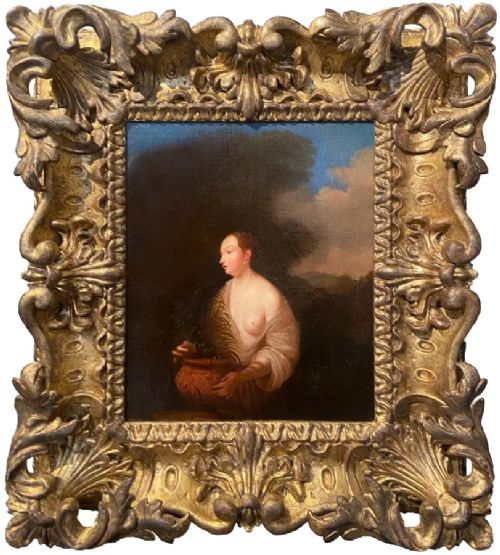
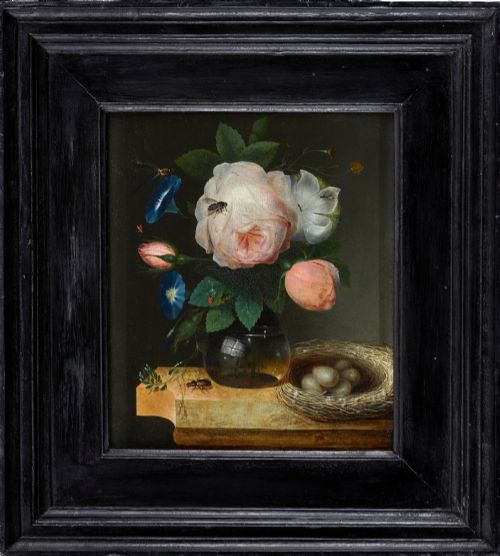
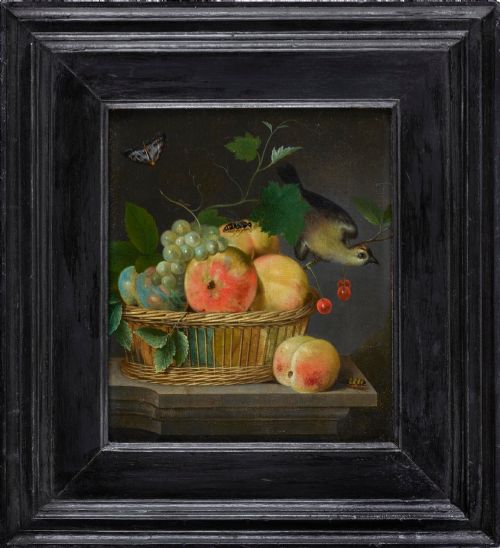
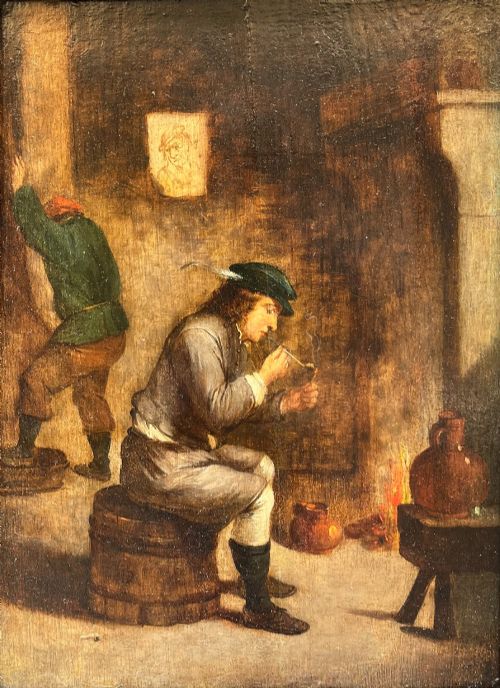
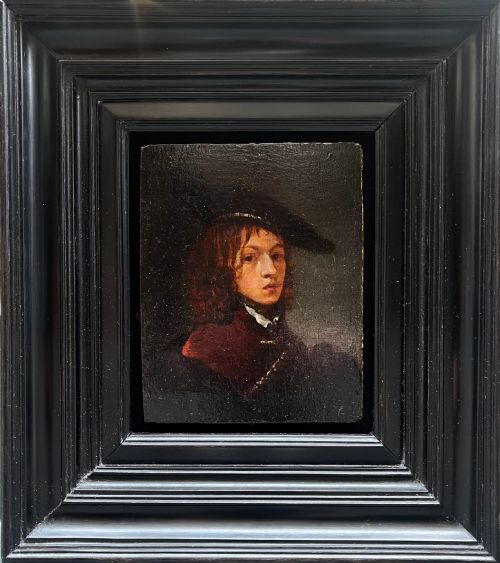
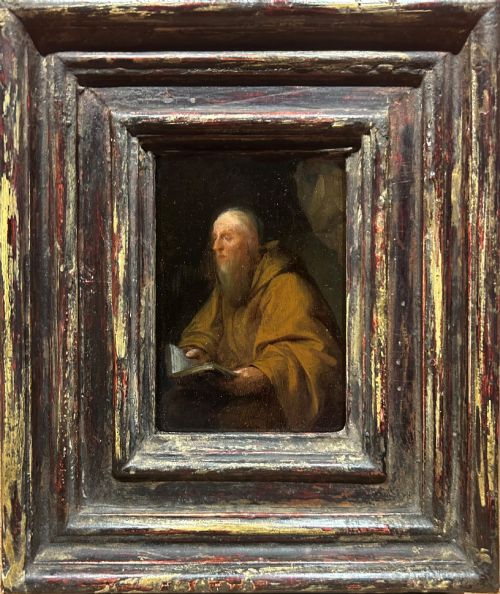
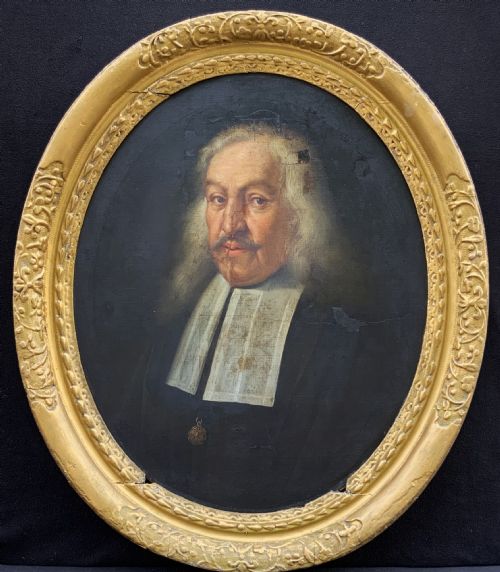
When searching for a dutch master oil painting, a buyer looks at historical portraits, floral still lifes, and tavern scenes spanning from the seventeenth century through to later nineteenth and twentieth-century revivals. The selection on this page ranges from authentic period works attributed to seventeenth-century painters to later interpretations executed in the distinct Dutch Golden Age style.
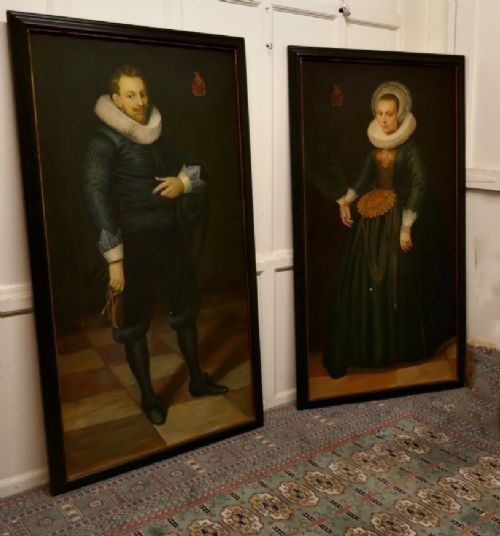
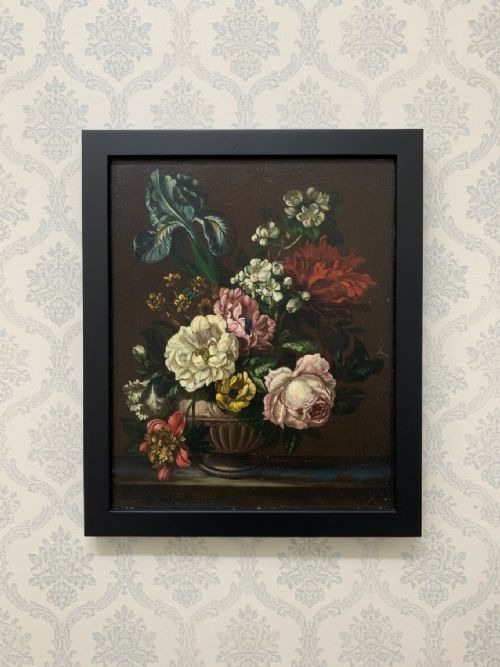
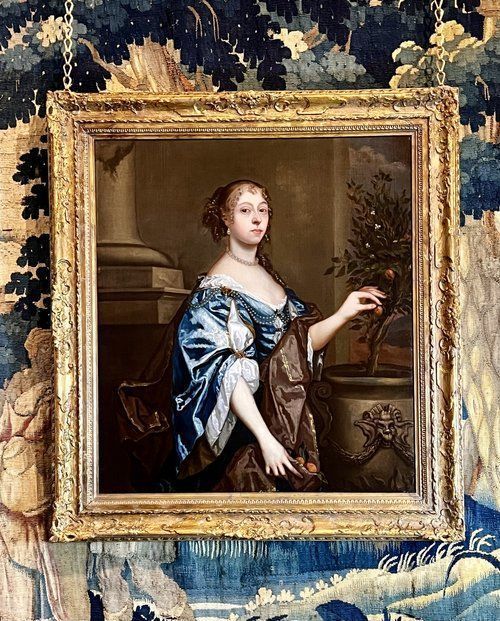
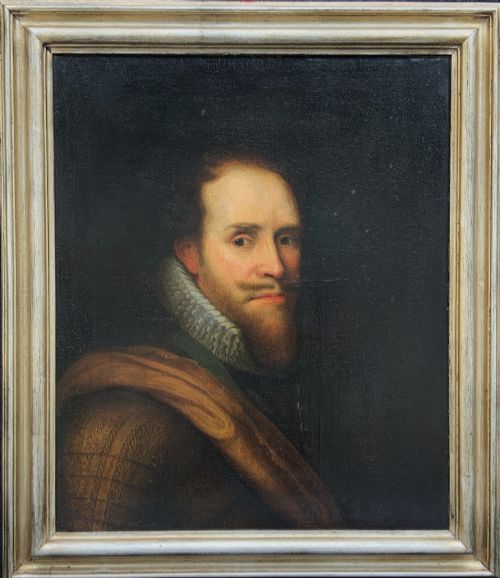
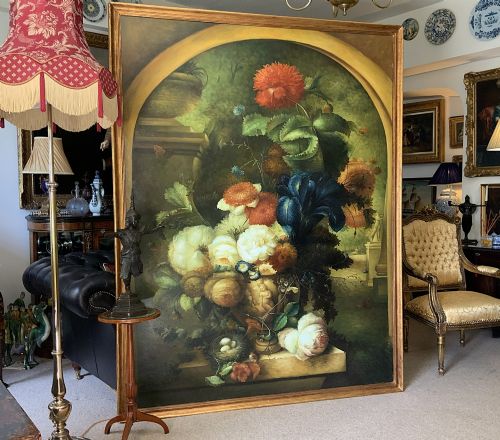
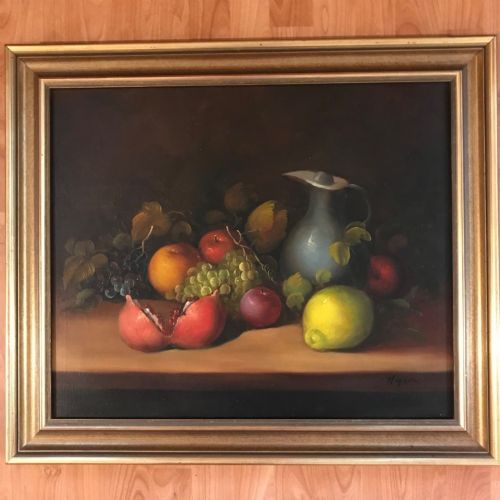
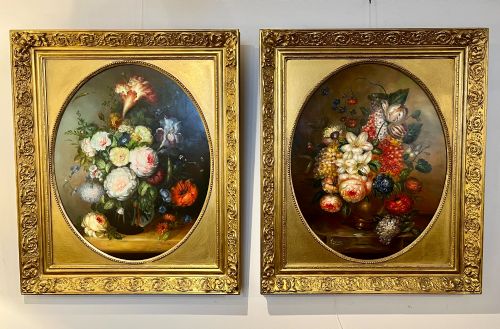
The subjects divide clearly between solemn portraiture of nobility and merchants, and elaborate still lifes featuring fruit, flowers, and game. Portraits often display intricate ruff collars and velvet drapery, while still lifes highlight the textures of glass, porcelain, and woven baskets.
Most pieces met here arrive either as original oils on canvas and wood panels from the 1600s or as later decorative revivals created in the nineteenth and twentieth centuries. These later pieces capture the dramatic lighting and rich colour palettes associated with Flemish Baroque and Dutch School traditions.
What varies in quality
Quality rests upon the handling of light and shadow, the precision of brushwork in details such as lace collars or flower petals, and the structural integrity of the support canvas or oak panel. Earlier seventeenth-century works demonstrate an anatomical confidence and depth of pigment layering that distinguishes them from later decorative copies.
The framing and preservation of the paint surface also determine the standing of an individual piece. Original gilt gesso frames that match the period of the artwork elevate the overall composition compared to later replacement mouldings.
Materials recorded across the archive include oil paint, canvas, wood panels, gold leaf, and giltwood frames.
Pieter Borsseler·Gaspar Peeter Verbruggen·David Teniers·Rembrandt van Rijn·Nicolaes Maes·Cornelis Van Poelenburgh
The Dutch Master Oil Painting Glossary
- Chiaroscuro
- The use of strong contrasts between light and dark to give a three-dimensional volume to figures and objects. This technique defines the dramatic atmosphere found across seventeenth-century portraits and still lifes.
- Giltwood
- Wood carved and covered with a thin layer of gold leaf or gold paint. This material forms the ornate frames commonly housing these dark oil paintings.
- Still life
- A work depicting inanimate subject matter, typically commonplace objects which may be either natural or man-made. In this collection, they frequently showcase abundant flowers, fruit, and hunting spoils.
- Panel painting
- A painting executed on a flat panel made of wood, such as oak, rather than canvas. These rigid supports were standard for earlier northern European works.
- Provenance
- The chronology of the ownership, custody, or location of a historical historical artwork. Establishing this history helps confirm attribution to specific European schools or individual painters.
Dutch Master Oil Painting: Frequently Asked Questions
How do I identify a period piece?
Examinations of the underlying support material, whether oak panel or old canvas, provide initial clues regarding age. Pigment testing and stylistic indicators such as costume details help narrow down the century of execution.
Secondary evidence includes historical attribution notes and framing styles appropriate to northern European workshops. Comparing brushwork depth against known examples clarifies whether a piece originates from the seventeenth century or a later revival.
Where should I hang these paintings?
These dark, dramatic compositions thrive in spaces with controlled lighting that can highlight their luminous oil glazes. Placing them against darker wall colours enhances the chiaroscuro effect inherent in Dutch Golden Age works.
Rooms shielded from direct sunlight protect the oil paint and sensitive giltwood frames from fading or thermal shock. Pairing a monumental floral still life or portrait with traditional interior architecture creates a balanced historical context.
What is a Dutch School painting?
A Dutch School painting refers to works produced by artists working within the cultural traditions of the Netherlands during the seventeenth century and subsequent revival periods. These pieces share common approaches to realism, subject matter, and dramatic lighting.
Such works encompass domestic interiors, landscapes, portraits, and botanical studies created by diverse independent masters and their studio pupils. The term groups stylistically linked art rather than a single formal academy.
How should I clean the frame?
Giltwood and gold leaf frames require gentle dusting with a soft, dry brush to remove accumulated particles without disturbing delicate carving. Moisture and chemical cleaners must be avoided entirely to prevent lifting the metallic leaf.
Professional conservators should handle structural repairs or deep cleaning of antique gesso mouldings. Preserving the original surface patina maintains the historical integrity of the entire piece.