




Tudor Portrait Painting
These tudor portrait painting works capture monarchs and courtiers in oil and watercolour, bringing historic presence into a room.
Tudor Portrait Painting
A tudor portrait painting search brings together historic depictions of monarchs, noblemen, and literary figures rendered across several centuries. The selection encompasses original 16th century works alongside later interpretations, including 17th century copies and 19th century romantic revivals.
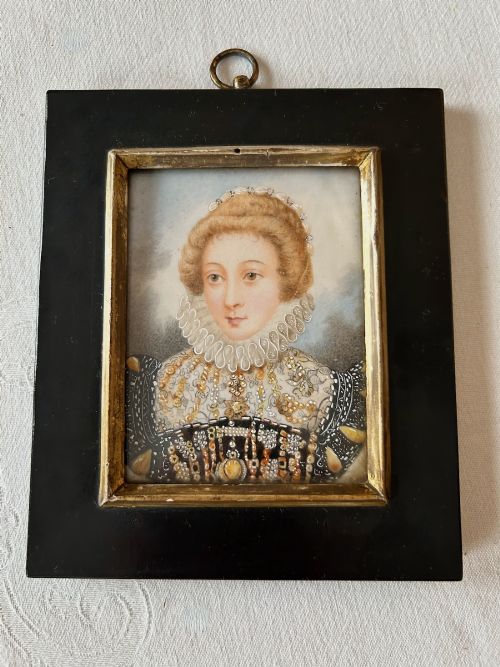
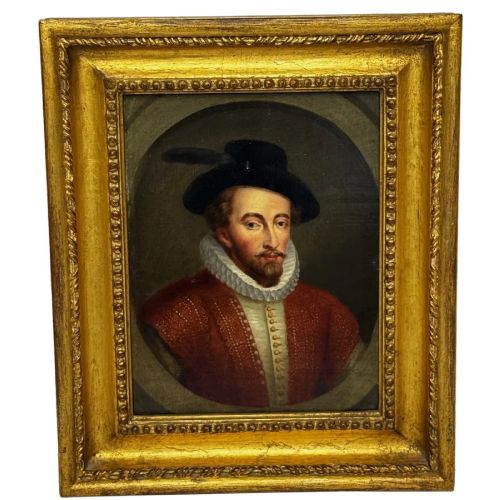
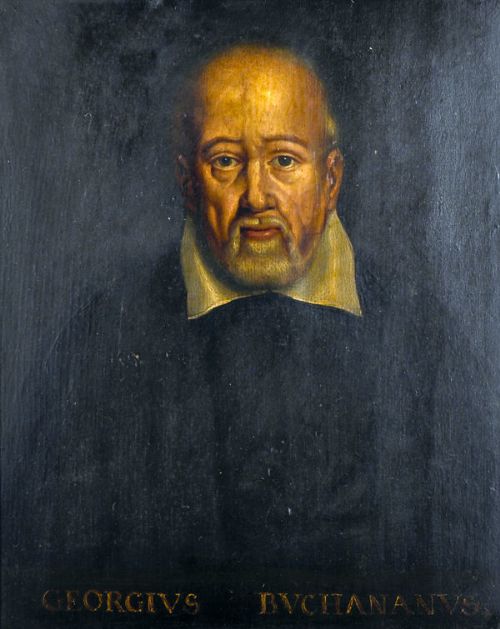
Buyers frequently encounter oil paintings on canvas or wood panels, alongside delicate portrait miniatures executed in pencil and watercolour. Subjects span from King Henry VIII and Mary, Queen of Scots to statesmen and poets like George Buchanan.
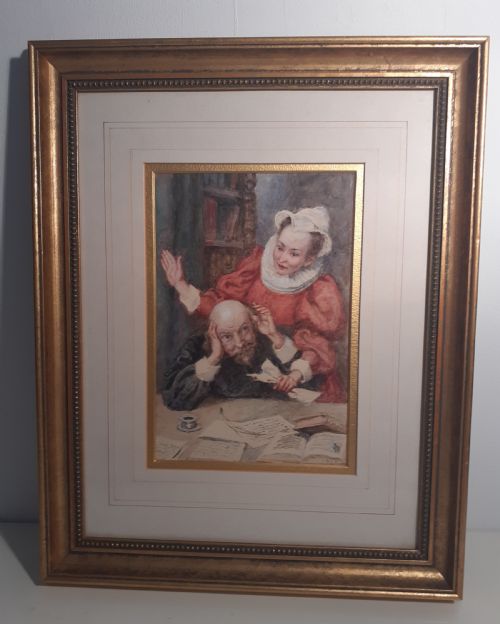
Many works adopt northern renaissance or baroque visual traditions, while later pieces reflect victorian historical genre interests. The grouping also includes portraits by named followers and circle artists working in established historic formats.
How They Were Made
Artists utilised oil paint applied to canvas, oak panels, or copper plates to build rich surfaces for royal and noble subjects. Watercolour and pencil on paper supported the creation of detailed portrait miniatures and preparatory studies.
Support materials ranged from sturdy timber boards to woven canvas and glass elements protecting delicate miniature works. Frames frequently incorporated hand-carved giltwood with gold leaf applications to complement the painted imagery.
The listings include works executed in oil, watercolour, pencil, and on copper spanning from the sixteenth to the twentieth century.
What Varies in Quality
The strength of a tudor portrait painting depends on the precision of the draughtsmanship and the psychological depth of the sitter's expression. Superior examples demonstrate confident handling of period costume details, such as ruff collars and embroidered doublets.
Provenance and proximity to original sixteenth century masters elevate certain works, particularly those linked directly to contemporary studios or documented followers. The stability of the underlying wood panel or canvas and the preservation of the original paint layer also distinguish exceptional pieces from later revival copies.
Henri Fradelle·Alfred Holst Tourrier·Adriaen Van der Werff·Christoffel Bisschop·William Aikman·George Perfect Harding·John Bettes the Elder·Frans Pourbus the Elder·Elias M Bancroft·Gilbert Jackson
The Tudor Portrait Painting Glossary
- Portrait Miniature
- A small, highly detailed painting, often executed in watercolour on vellum or card and protected by glass. These intimate works were frequently designed to be worn or kept in private spaces.
- Oil on Panel
- A painting technique using oil-based pigments spread across a prepared wooden board. Oak panels were standard supports for early portraits before canvas became dominant.
- Giltwood
- Wood that has been coated with a thin layer of gold leaf or gold paint. Elaborate giltwood frames define the presentation of many historic oil paintings.
- Northern Renaissance
- The cultural and artistic movement in Europe north of the Alps during the fifteenth and sixteenth centuries. This style emphasises meticulous surface detail and naturalistic observation.
- Historical Genre
- Artwork depicting scenes from past eras, often produced during the nineteenth century as part of a broader revival of interest in historical dress and drama.
Tudor Portrait Painting: Frequently Asked Questions
What is a tudor portrait painting?
A tudor portrait painting represents monarchs, nobles, and notable figures from the sixteenth century and subsequent revival periods. These artworks record the distinct costume, status, and physiognomy of historical personages.
Such pieces range from contemporary sixteenth century panels to nineteenth century romantic interpretations. They serve as both historical documents and decorative statements for domestic interiors.
How were these paintings displayed originally?
Historic portraits were typically hung in long galleries, great halls, and private chambers of country houses and manorial estates. They functioned to display lineage, political allegiance, and social standing to visitors.
Many works were commissioned in sets to represent a continuous line of monarchs or family ancestors. Heavy carved frames reinforced their architectural presence within wood-paneled rooms.
How do I care for an antique oil painting?
Antique oil paintings require stable indoor environments with minimal fluctuations in temperature and humidity to protect wood panels and canvas supports. Direct sunlight should be avoided to prevent fading of pigments and yellowing of old varnishes.
Dusting should be performed gently with a dry, soft brush, avoiding any moisture or cleaning solutions. Professional conservators should handle any structural repairs or surface cleaning.
How can I tell the period of a portrait?
Dating relies on analyzing costume details, such as ruff collars, doublets, headdresses, and heraldic badges visible within the composition. Pigment analysis, canvas preparation, and the construction methods of wood panels provide further chronological markers.
stylistic comparisons with known works by contemporary artists or documented followers help narrow the date of execution. Inscriptions and labels on the reverse of the work often supply additional historical context.