
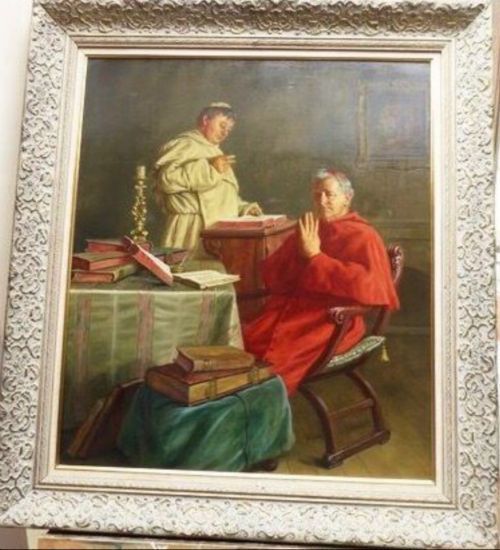
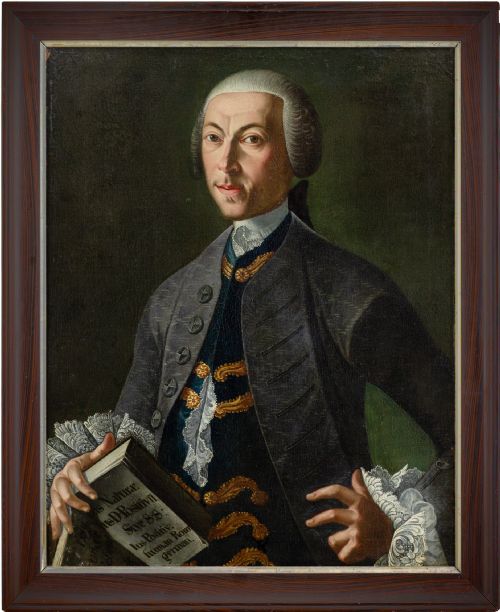
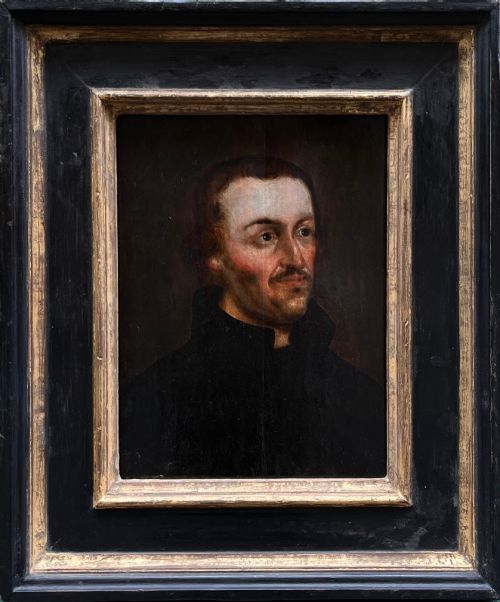
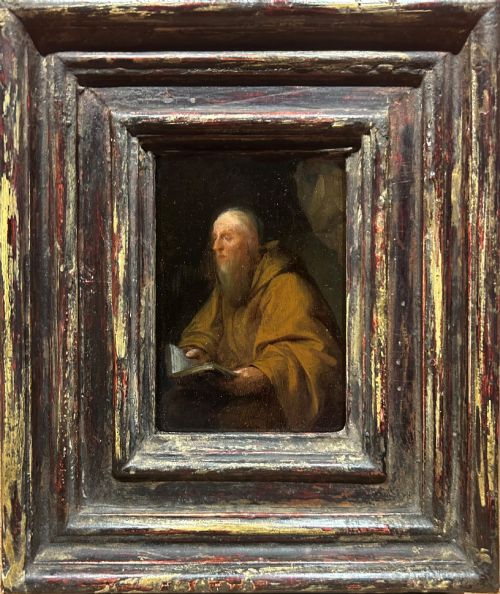

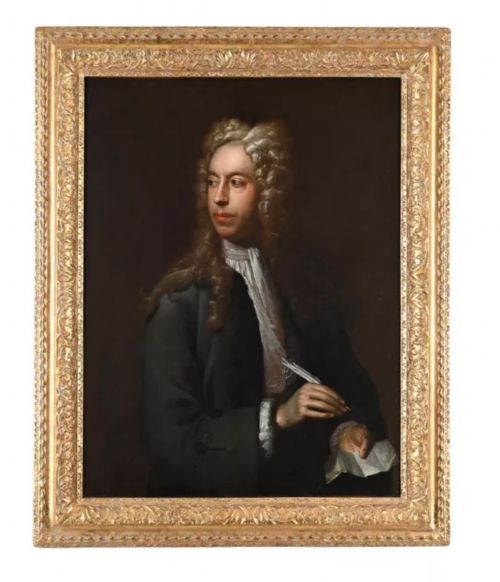


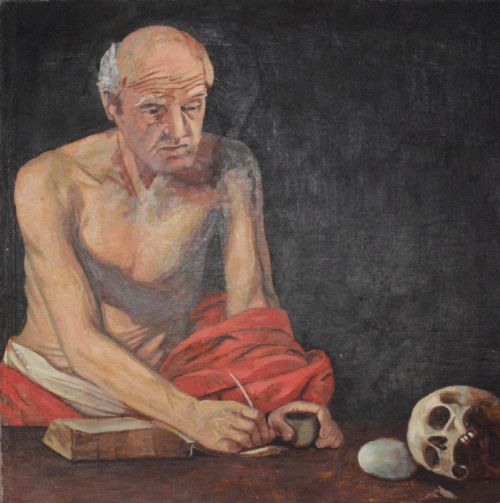


Scholar Portrait Oil Painting
When you examine a scholar portrait oil painting, you observe centuries of intellectual history captured on canvas, wood panel, or copper.
Scholar Portrait Oil Painting
A scholar portrait oil painting depicts figures associated with learning, theology, science, and the arts, ranging from physicians and clergymen to theologians and mathematicians. These works frequently present subjects alongside books, scrolls, or within study interiors.
The pieces on this page span from the seventeenth century through to the twentieth century, with strong representation from British, European, and school-attributed works. Portraits from the seventeenth and eighteenth centuries often feature prominent thinkers, ministers, and reformers.
Buyers will encounter both canvas supports and panels of wood or copper, framed in styles that include period giltwood. Subjects are typically rendered with serious expressions, holding texts or seated before bookshelves.
Materials and Construction
These works utilise oil paint applied to prepared supports of canvas, wood panels, or copper plates. Painters of the earlier periods built up rich glazes and deep shadows to model the faces and heavy robes of their subjects.
Frames of giltwood and gilded wood complement the paintings, often reflecting the specific decorative taste of the period in which the portrait was created.
The selection includes British, European, and school-attributed pieces depicting mathematicians, theologians, poets, and physicians.
Distinguishing Quality
Quality in these portraits rests upon the precision of facial modeling, the psychological depth conveyed in the subject's expression, and the handling of light across fabrics and books. Superior works capture distinct individuality rather than relying on generic formulas for academic figures.
The condition of the original paint layer and the presence of period or contemporaneous framing significantly influence the overall integrity of the piece.
Jan van Staveren·Michael Dahl·John Watkins Chapman·John Scougall·John Hoskins·James Ward·Frans Pourbus the Elder·Edward Penny·Gerrit Dou·Joseph Thraves
The Scholar Portrait Oil Painting Glossary
- School
- A designation used when a painting shows the style and technique of a particular region and period without a confirmed specific master. It often links anonymous works to broader artistic traditions like the Dutch Golden Age or Spanish Baroque.
- Giltwood
- Wood that has been coated with a thin layer of gold leaf or gilt powder. This finish is commonly found on period frames enclosing traditional oil paintings.
- Oil on canvas
- A painting technique utilising pigments bound with a drying oil, applied to a stretched woven fabric support. This method became standard for fine art portraiture from the Renaissance onward.
- Panel
- A rigid support made from wood used by artists before canvas became universal. Wooden boards provide a smooth, stable surface for detailed portrait work.
- Attribution
- An informed scholarly assessment assigning a painting to a specific artist based on style, technique, and historical evidence. It indicates strong stylistic parallels to known works by that hand.
Scholar Portrait Oil Painting: Frequently Asked Questions
What defines a scholar portrait?
A scholar portrait depicts an individual intellectual, cleric, scientist, or writer, frequently shown with attributes of learning such as books, scrolls, or study furnishings. The subject's occupation or status of mind is central to the composition.
These paintings emphasise contemplation and knowledge, distinguishing them from standard aristocratic or military portraiture of the same eras.
How should I care for an oil painting on canvas?
Keep oil paintings away from direct sunlight and dramatic fluctuations in temperature and humidity to prevent cracking of the paint and canvas. Dust the surface very gently with a soft, dry brush when necessary.
Avoid using any water, cleaning fluids, or chemical solvents on the painted surface, and consult a professional conservator for deeper cleaning.
How can I tell the period of a portrait?
Clothing styles, facial hair, collars, and headwear provide the most reliable initial clues for dating historical portraits. Examining the construction of the canvas, stretcher frames, or wood panels offers further confirmation.
Inscriptions, signatures, or historical documentation associated with the sitter also help anchor the work within a specific century or decade.
Were these painted from life?
Many portraits of prominent figures were painted from direct sittings, while others were posthumous tributes or copies made after earlier masterworks. Portraits of historical reformers and theologians were often produced years after their deaths based on existing prints.
Attributed works by established portraitists generally reflect contemporary sittings for patrons or institutions.
Where were scholar portraits displayed?
Historically, these portraits hung in private libraries, studies, universities, and administrative offices where learning and scholarship were valued. They served to inspire inhabitants and signal the intellectual pursuits of the owner.
Today, they suit similar domestic spaces such as home offices, studies, and traditional living rooms.