
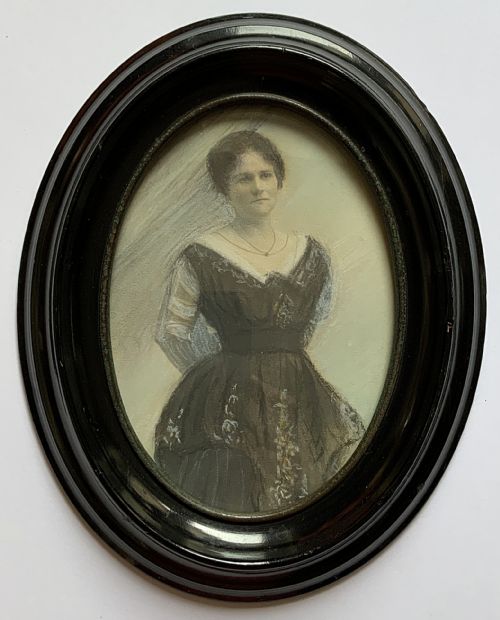


Vintage Female Portrait Drawing
A vintage female portrait drawing captures character on paper through graphite, pastel, and charcoal across periods from the eighteenth century to the mid-twentieth.
Vintage Female Portrait Drawing
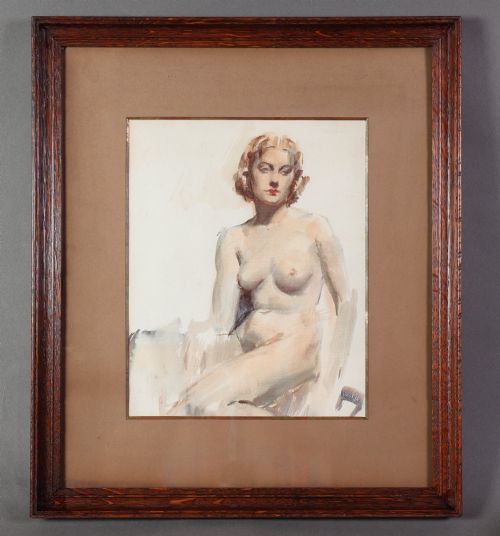
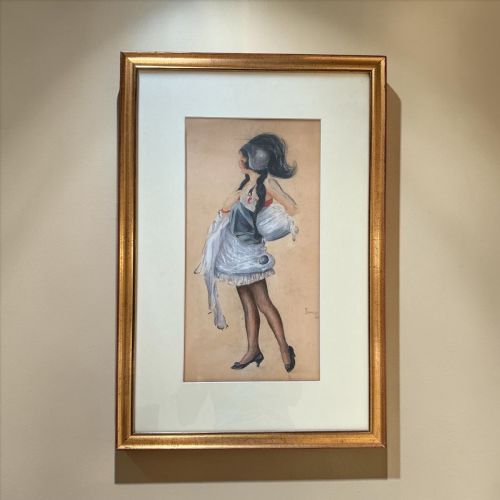
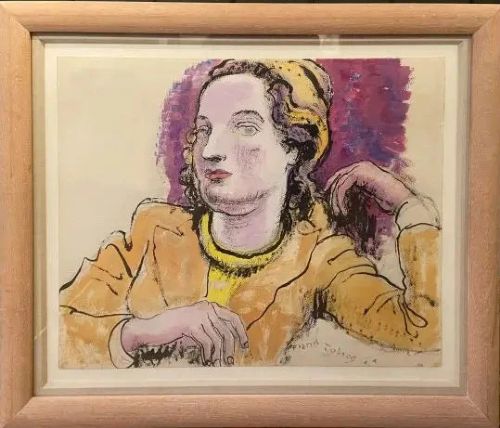
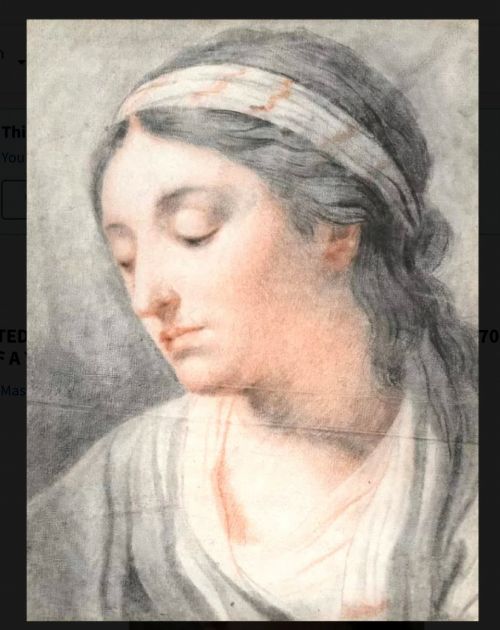
A vintage female portrait drawing brings together intimate works on paper spanning the eighteenth, nineteenth, and twentieth centuries. These pieces range from rapid life studies and academic charcoal sketches to finished pastels and watercolour washes.
The selections on this page lean heavily towards twentieth-century British works, Art Deco pieces, and Edwardian representations. Buyers encounter framed artworks, miniature paintings, and original pencil studies housed in period frames of wood and glass.
Subjects include named sitters, classical studies, and anonymous sitters captured by regional artists and known figures alike. Each drawing preserves a specific moment of observation, rendered through the direct touch of the hand upon paper.
Materials and technique
Artists relied primarily on paper supports, applying mediums such as graphite, charcoal, sanguine, chalk, pastel, and watercolour. Plumbago and ink also appear among the earlier works, offering fine linear precision or soft tonal shading.
Many drawings are preserved behind glass within original wooden frames, ranging from maple mouldings to decorative period mounts. The combination of water-soluble pigments and dry drawing materials demands careful handling to maintain the integrity of the paper.
The listings span the eighteenth, nineteenth, and twentieth centuries, featuring paper, glass, wood, watercolour, graphite, charcoal, pastel, and chalk.
Qualities that distinguish the work
Quality rests upon the sureness of the line and the artist's ability to capture likeness and vitality with limited strokes. Confident charcoal studies and expressive pastel portraits display a directness that sets them apart from stiff or overly laboured academic exercises.
Condition of the paper surface and the presence of original framing significantly influence the integrity of the piece. Works that retain their original mounts, backing papers, and undisturbed mediums command greater attention from collectors of period art.
Frank Dobson·Augustus John·Raoul Millais·Arthur Todd·Winifred Eugene Ballard·Mariette Lydis·Charles Prosper Sainton·John Duncan Fergusson·Leo Klin
The Vintage Female Portrait Drawing Glossary
- Plumbago
- An early form of graphite drawing executed on vellum or paper, producing a fine grey metallic line. It was especially popular for miniature portraits during the eighteenth century.
- Sanguine
- A reddish-brown chalk used in drawing, favoured for its warmth in rendering flesh tones. Artists often combined it with white chalk on tinted paper.
- Pastel
- A medium consisting of powdered pigment combined with a binder, applied as a dry stick to paper. It yields vibrant matte surfaces that require protection under glass.
- Charcoal
- Burnished wood used to create deep black lines and soft tonal shadows in life studies. It allows for rapid expressive marks and subtle blending.
- Watercolour wash
- A transparent layer of pigment suspended in water applied to paper to add tone or colour beneath or over a drawing. It was frequently combined with pencil work in Edwardian portraiture.
Vintage Female Portrait Drawing: Frequently Asked Questions
How do I date a portrait drawing?
Dating relies on stylistic clues, artist signatures, clothing fashions, and framing materials recorded in the work. Eighteenth-century pieces often employ plumbago or sanguine, while twentieth-century examples reflect Modern British and Art Deco sensibilities.
Paper characteristics and inscribed dates on the reverse provide further chronological context. Comparing the handling of the medium to known dated works by the same school helps narrow the period.
Are these drawings original works?
Yes, the selections comprise original hand-drawn and painted pieces rather than mechanical reproductions or modern prints. Artists applied graphite, charcoal, watercolour, or pastel directly to the paper support.
Each piece bears the unique touch, corrections, and gestural marks of the individual creator. Original studio stamps, signatures, or exhibition labels frequently accompany these historic sheets.
How should I frame and display them?
Drawings on paper require conservation-grade mounting under glass to protect them from ultraviolet light and atmospheric moisture. Spacers should prevent the paper surface from touching the glazing directly.
Positioning works away from direct sunlight preserves the fugitive pigments found in pastels and watercolours. Retaining original frames when stable adds historical context to the piece.
What distinguishes a study from a finished portrait?
A study is typically a preparatory or experimental work focusing on anatomy, pose, or expression, such as a life drawing in charcoal. These sheets often display grid lines, visible alterations, or multiple angles of the sitter.
Finished portraits, conversely, are composed for exhibition or commission with resolved detail and balanced composition. Both forms offer insight into the artist's working method and observational skill.