



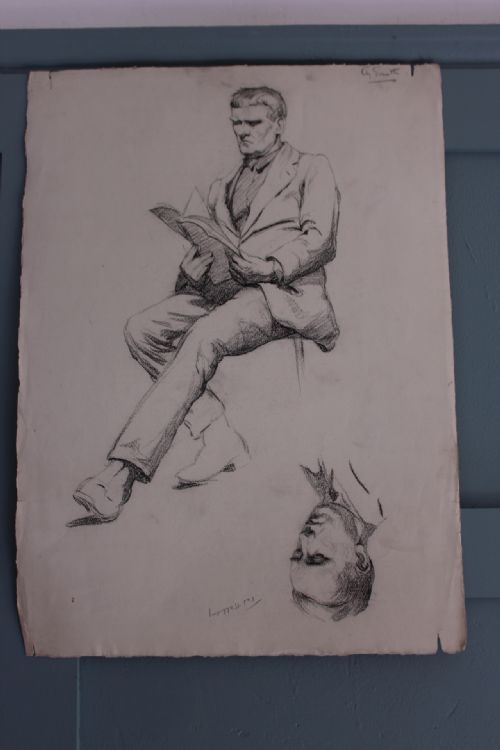


Edwardian Portrait Drawing
An Edwardian portrait drawing captures character through graphite, charcoal or pastel on paper, offering an intimate glimpse into past lives.
Edwardian Portrait Drawing
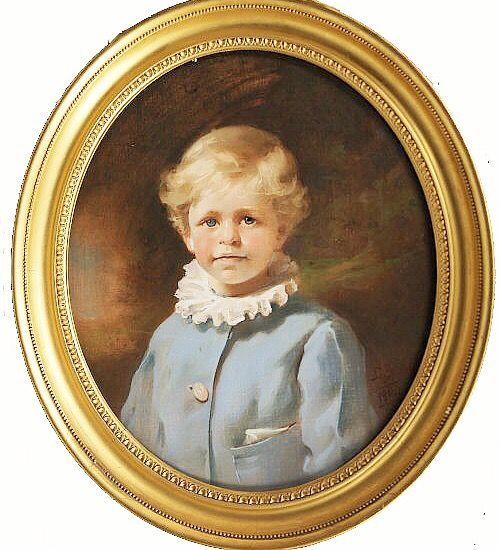
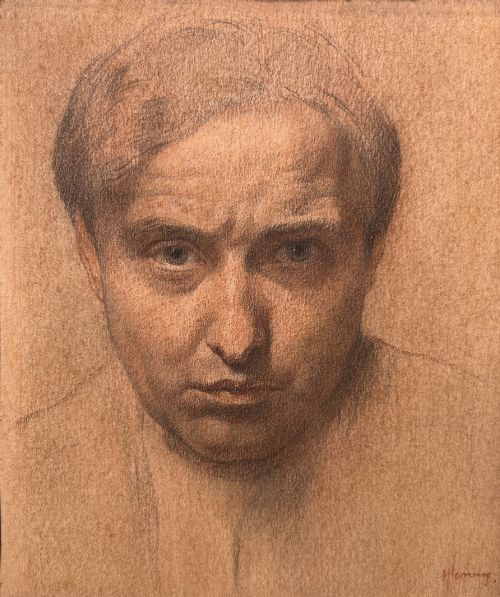
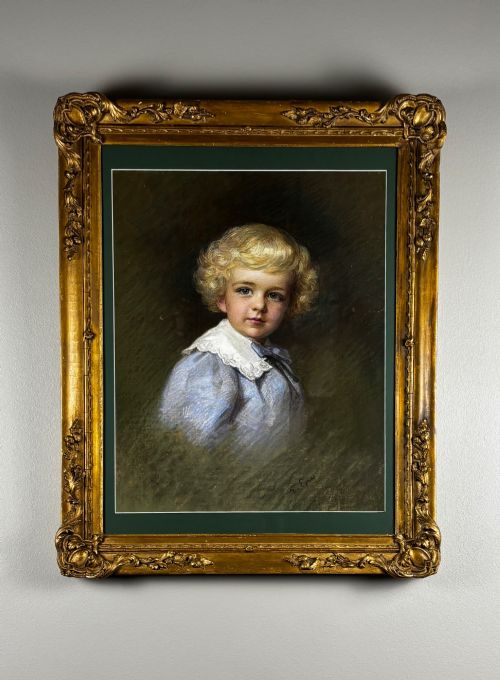
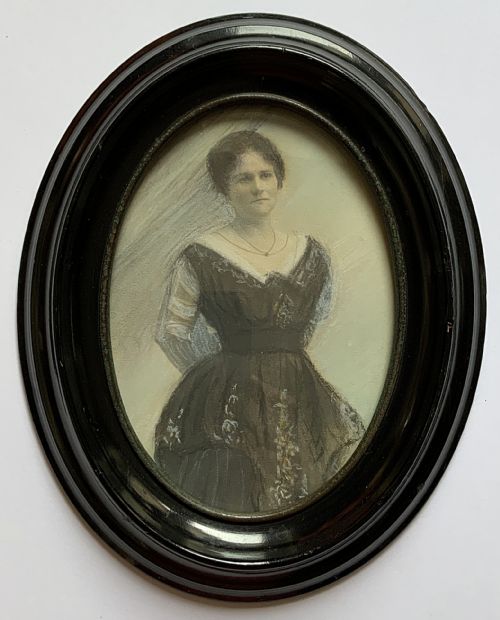
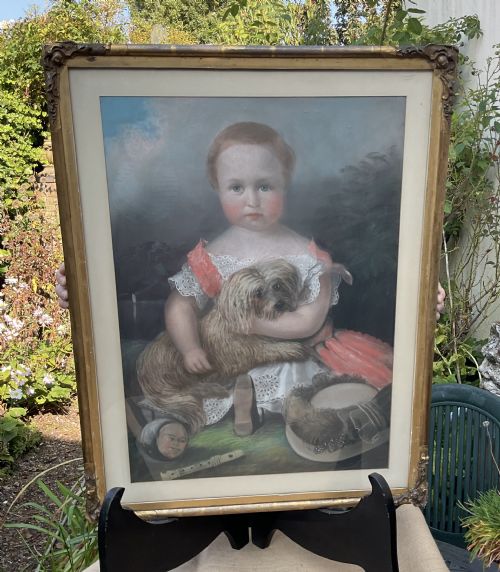
An edwardian portrait drawing encompasses original works on paper originating predominantly from the early twentieth century and surrounding decades. These pieces record sitters ranging from prominent historical figures to beloved pets and anonymous sitters.
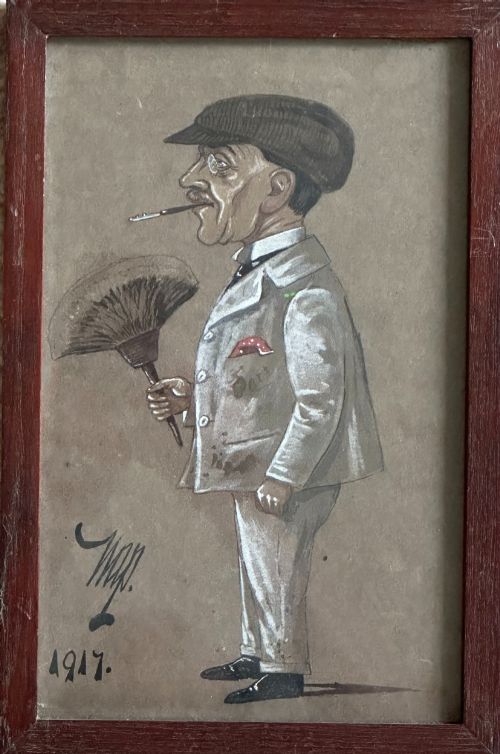
The items surface in various formats, from solitary framed sketches to larger sets of drawings and caricature runs. Framed artwork dominates the selection, presented behind glass in wooden or giltwood frames.
While true Edwardian examples form the core, the selection includes related Victorian, nineteenth-century, and mid-century works that share the same portraitist focus and hand-drawn medium.
How they were made
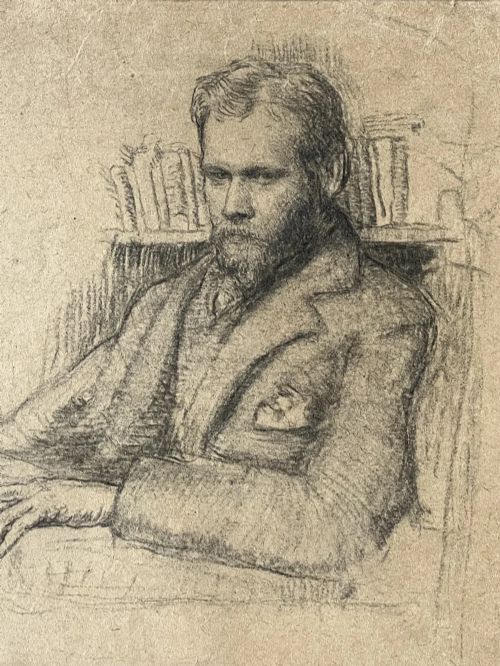
Artists relied primarily on paper as a base, applying graphite, pencil, charcoal, pastel, or watercolour wash to build form and tone. These materials allowed for rapid studies as well as highly finished exhibition pieces.
Framing utilised traditional techniques, enclosing fragile works on paper behind glass within wood or giltwood surrounds to protect the delicate dry or water-based media from atmospheric damage.
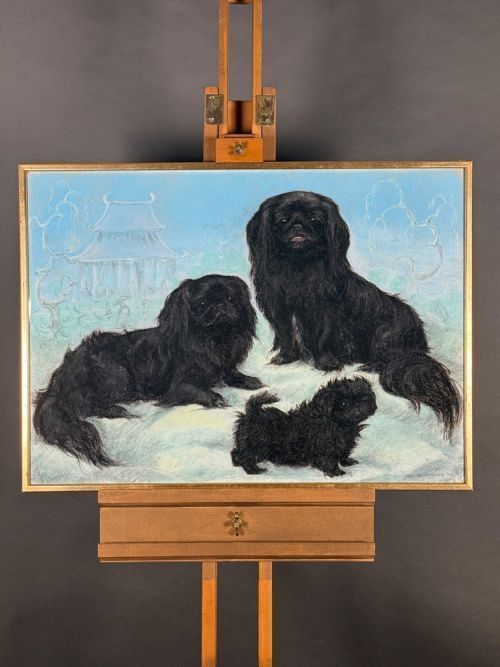
A study of three black Pekingese dogs proves that Edwardian portraiture was not reserved solely for humans.
What varies in quality
The psychological depth and handling of the medium dictate the standing of a drawing, distinguishing hurried sketches from masterly character studies. Superior works demonstrate an assured command of line and shadow that brings the sitter to life.
Condition and preservation play a role, particularly the stability of pastel pigments and the absence of heavy foxing or moisture staining on the paper substrate.
Emily Eyres·Leon Sprinck·Augustus John·Herbert Johnson Harvey·J D Fergusson·Raoul Millais·Winifred Eugene Ballard·Charles Prosper Sainton·Reginald G. Eves·John Seymour Lucas·Ernest Borough Johnson·Francis O. A. Haviland·Leo Klin·Francis Dodd·Cecil CP Lawson
The Edwardian Portrait Drawing Glossary
- Pastel
- A dry painting medium consisting of powdered pigment and a binder. It produces rich, velvety colours that require glass protection.
- Graphite
- A form of carbon used in pencils to create monochrome drawings. It allows for precise lines and subtle tonal gradations.
- Charcoal
- Burnished wood used as a drawing material. It yields deep blacks and expressive, smudged effects common in life studies.
- Watercolour wash
- A transparent layer of diluted pigment applied to paper. Artists often combined this technique with pencil outlines.
- Giltwood
- Wood carved and coated with gold leaf. This material frequently frames period works to enhance their visual weight.
Edwardian Portrait Drawing: Frequently Asked Questions
How should I hang an edwardian portrait drawing?
Keep drawings out of direct sunlight to prevent the fading of pastel, watercolour, and paper. Position them on interior walls where humidity and temperature remain stable.
Ensure the frame hangs securely from appropriate wall fixings, keeping the glass from resting against damp plaster.
Are these drawings original works?
The selection consists of original hand-drawn and painted works rather than mass-produced prints. Each piece records the direct touch of the artist's pencil, chalk, or brush.
Signatures, studio stamps, and inscriptions often accompany the portraits, helping to connect the artwork to a specific hand.
How do I identify an edwardian portrait?
Stylistic clues, costume details, and artist signatures help date the portrait to the Edwardian era and surrounding decades. Portrait subjects often wear fashions characteristic of the early twentieth century.
Archival records, biographical details of the artists, and period inscriptions on the reverse provide further confirmation of the date.