


Framed Paper Portrait Artwork
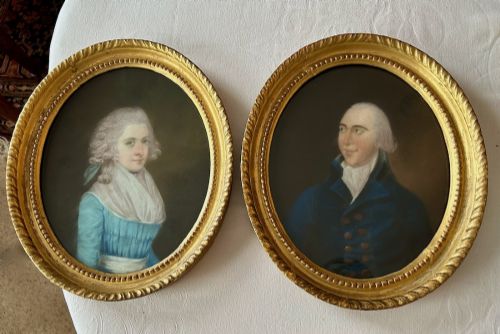
When seeking framed paper portrait artwork, buyers encounter historical likenesses captured in ink, pastel, watercolour, and silhouette from the eighteenth century onward.
Framed Paper Portrait Artwork
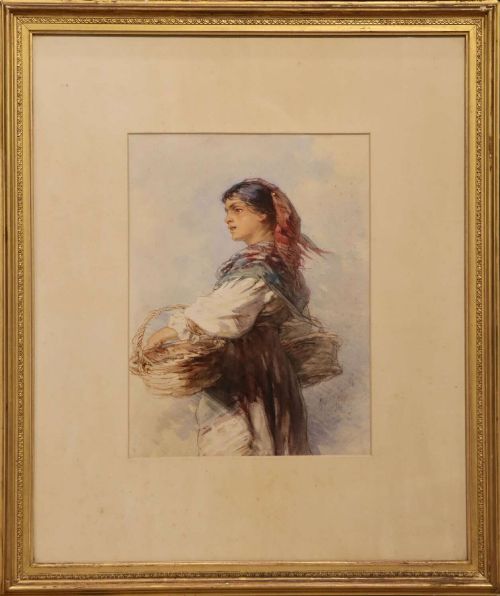
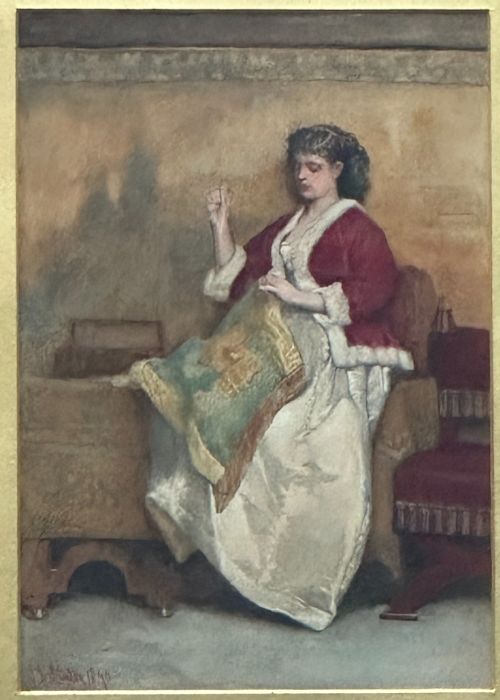
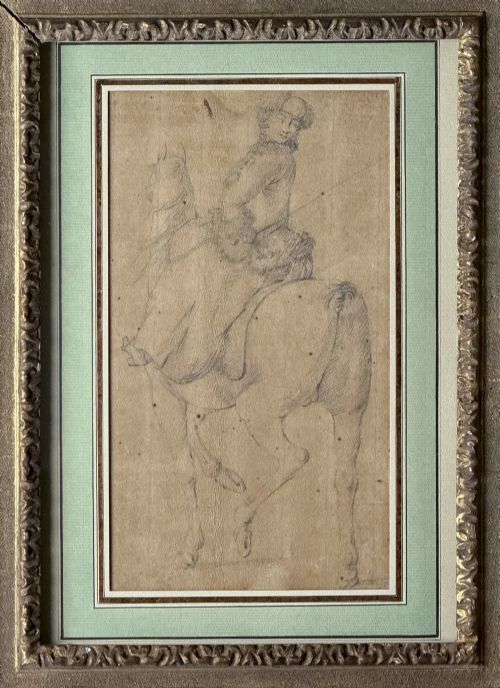
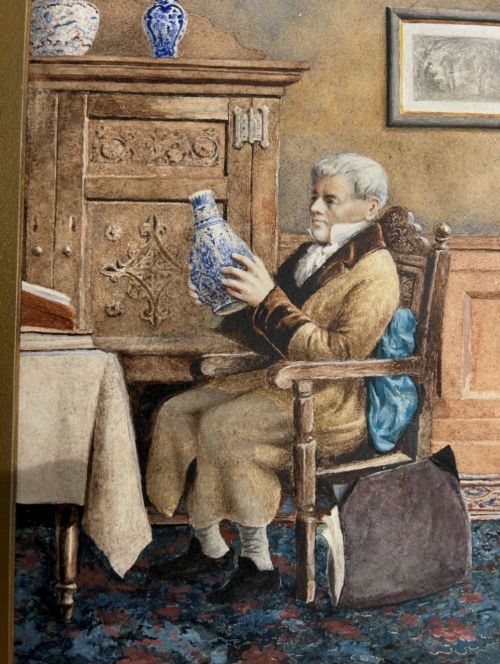
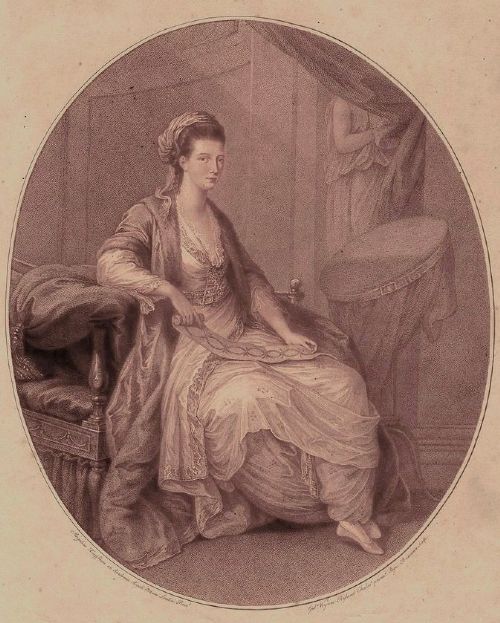
Framed paper portrait artwork encompasses historical likenesses executed on paper supports and preserved behind glass within protective wooden frames. Buyers exploring this category encounter a diverse array of media, ranging from delicate silhouettes and ink engravings to bold watercolours and pastels.
The selections span multiple centuries, heavily featuring eighteenth and nineteenth-century examples alongside early twentieth-century drawings. Common subjects include nobility, military officers, children, and domestic pets, rendered by both named artists and anonymous practitioners.
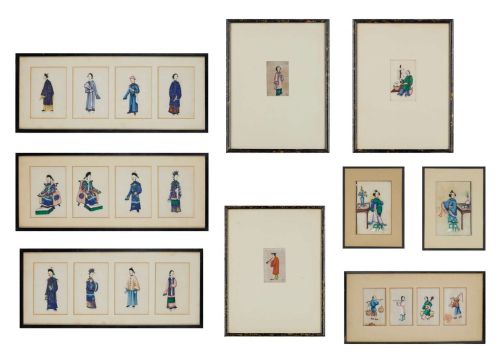
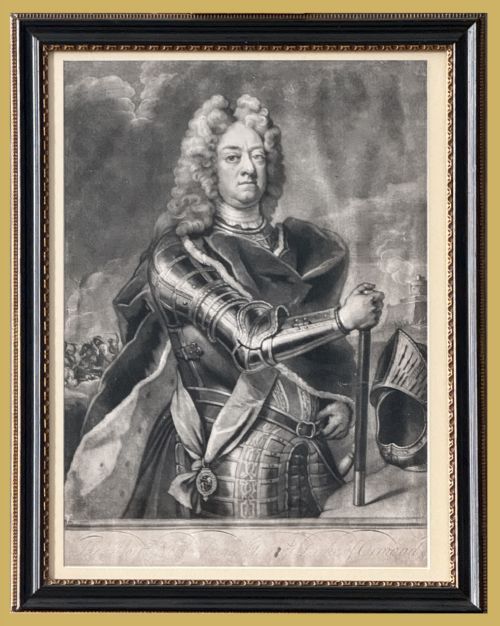
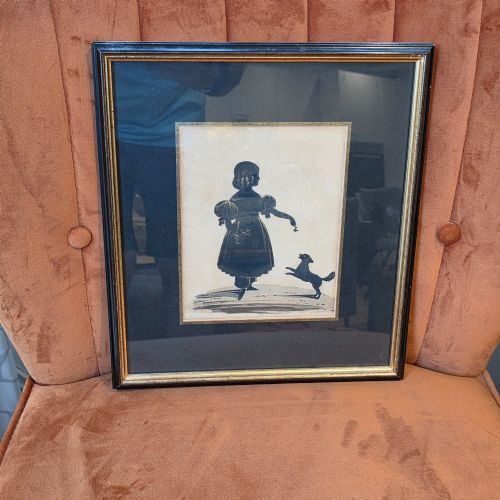
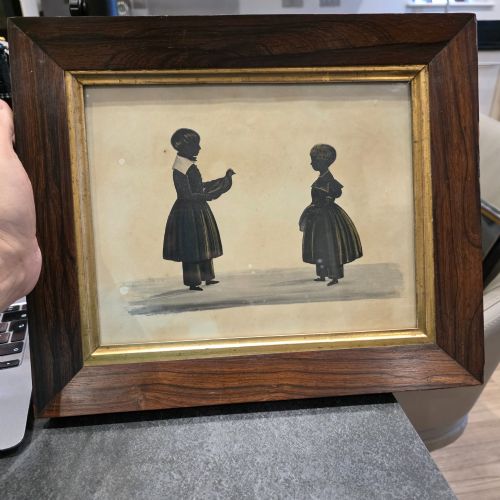
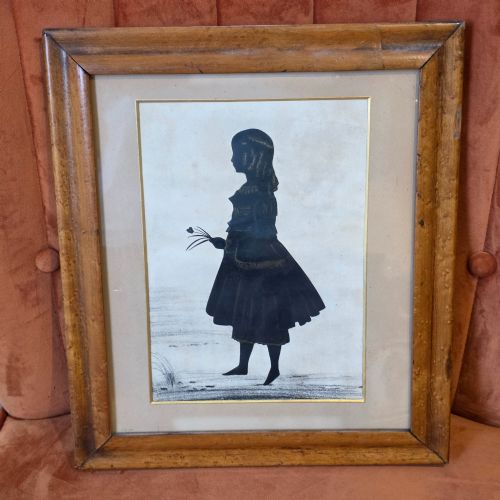
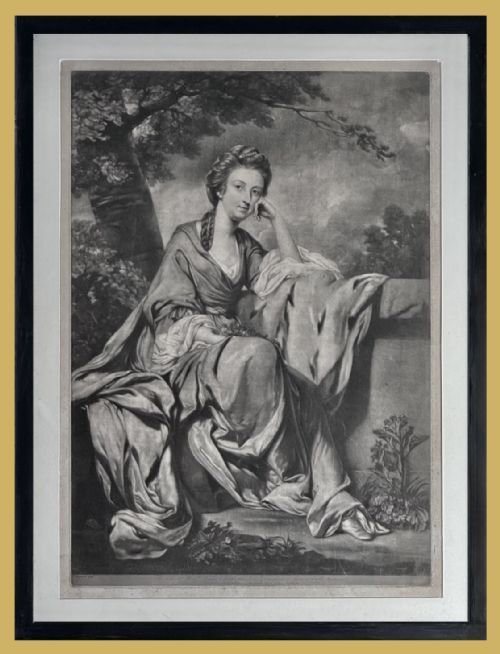
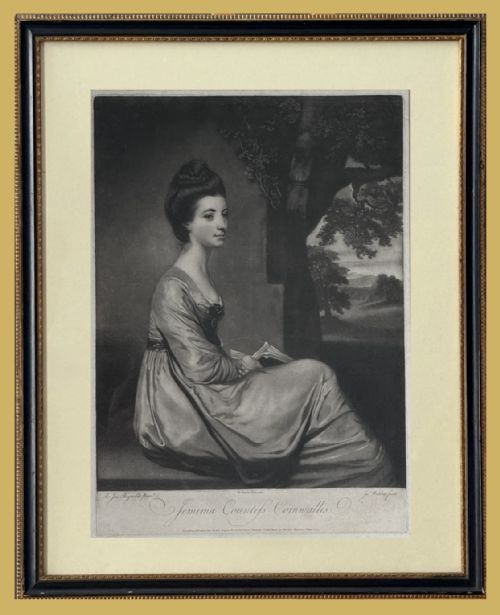
Among the most frequent discoveries are monochrome mezzotint engravings, hand-cut paper silhouettes enhanced with watercolour, and vibrant pastel studies. These pieces offer an intimate glimpse into historical portraiture traditions across British, European, and Asian origins.
Evaluating Quality in Paper Portraits
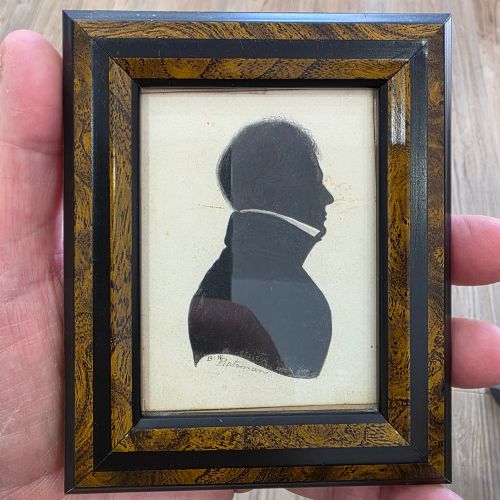
Quality in framed paper portrait artwork depends heavily upon the precision of the draughtsmanship and the clarity of the medium. Finely executed silhouettes demonstrate exceptional control in scissor-work or brushwork, capturing intricate details like lace collars or distinct facial expressions without hesitation.
The reputation of the maker or printmaker heavily influences distinction, as master engravers working after prominent painters achieved superior tonal depth in mezzotints. The preservation of the paper itself, along with the retention of original pigments without excessive fading, distinguishes superior historical examples.
Several artists turned their skilled hands to capturing beloved pets, preserving fluffy Pekingese dogs and alert Borzois in pastel and gouache.
William James Hubard·Augustin Edouart·John Simon·Edward Fisher·James Watson
The Framed Paper Portrait Artwork Glossary
- Mezzotint
- A printmaking process where the copper plate is roughened to achieve rich dark tones and subtle gradations of light. This technique allowed printmakers to reproduce oil paintings with remarkable fidelity.
- Silhouette
- A portrait represented as a solid shape, usually showing the profile in black cut paper or ink. They gained immense popularity during the eighteenth and nineteenth centuries.
- Gouache
- An opaque water-based paint that provides solid, flat areas of colour and distinct highlights. Artists frequently combined it with pencil or watercolour on tinted paper.
- Pith painting
- An Asian art form using delicate material made from the pith of the Tetrapanax papyrifer plant. These works often depicted figures and cultural scenes in vibrant watercolours.
- Engraving
- A printmaking method where an artist cuts lines directly into a metal plate using a sharp tool. The resulting inked lines produce precise, linear imagery upon paper.
Framed Paper Portrait Artwork: Frequently Asked Questions
What is a silhouette portrait?
A silhouette is a profile portrait cut from black paper or painted in solid dark tones, frequently enhanced with subtle ink or watercolour details.
Originating long before photography, these portable likenesses recorded the exact outlines of sitters during the Georgian and Victorian eras.
How should I care for antique paper art?
Antique paper requires protection from direct sunlight to prevent the fading of watercolours, pastels, and inks. Keeping pieces away from damp environments ensures the paper and framing materials remain stable.
Retaining the original glass and avoiding harsh chemical cleaners preserves the historical integrity of the piece.
What are mezzotint engravings?
Mezzotints are a specialised form of printmaking that creates rich tonal gradations rather than simple lines. Printmakers roughened copper plates to hold ink, allowing them to translate oil paintings into velvety monochrome prints.
Many examples on the market reproduce grand portraits by painters like Sir Joshua Reynolds.
How do I identify the period of a portrait?
Period identification relies heavily on clothing styles, hairstyles, framing techniques, and the specific materials utilised in the artwork. Regency and Georgian works often display distinct profile framing and specific paper watermarks.
Comparing signatures or recorded publication dates on engravings also provides precise chronological context.