


Black and White Portrait
A black and white portrait captures character through monochrome tones, offering a timeless record of faces and figures from past centuries.
Black and White Portrait
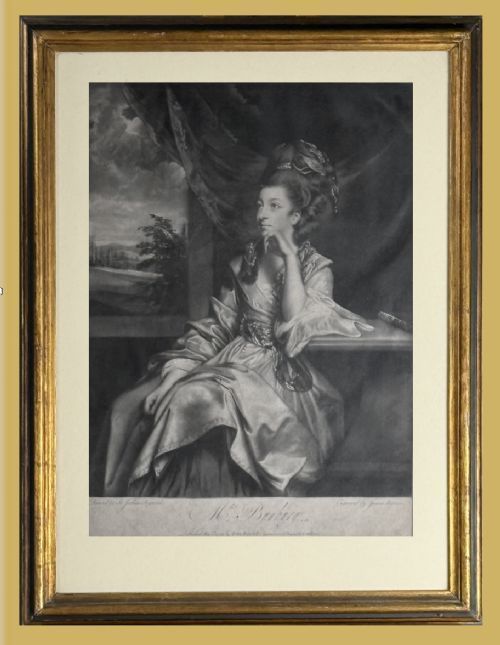
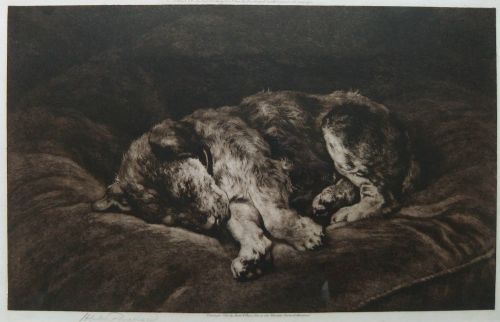
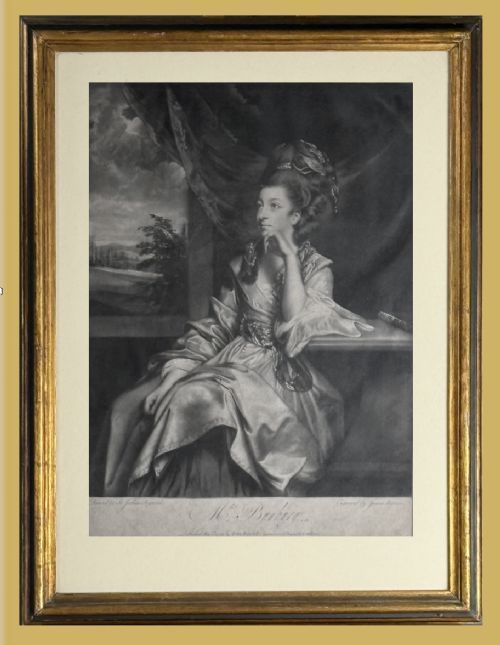
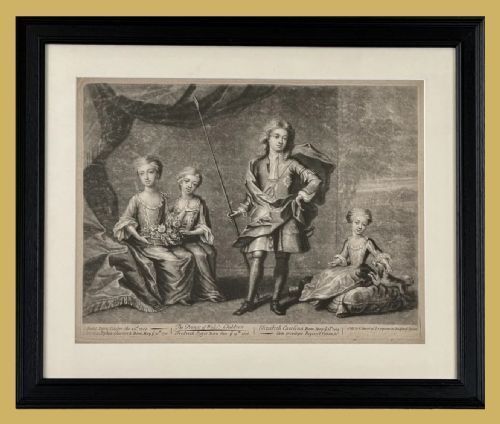
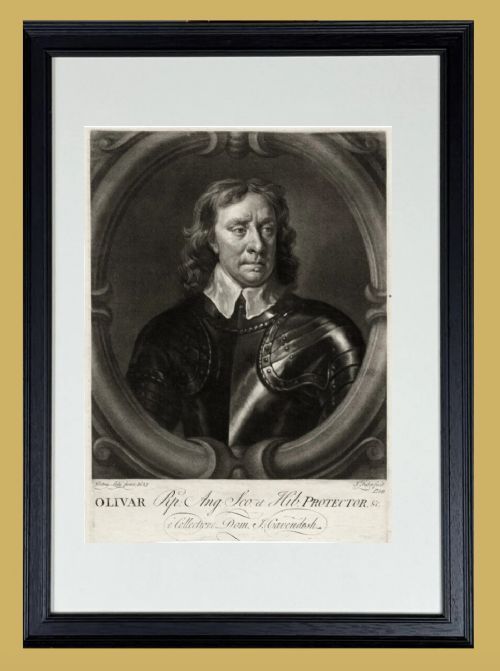
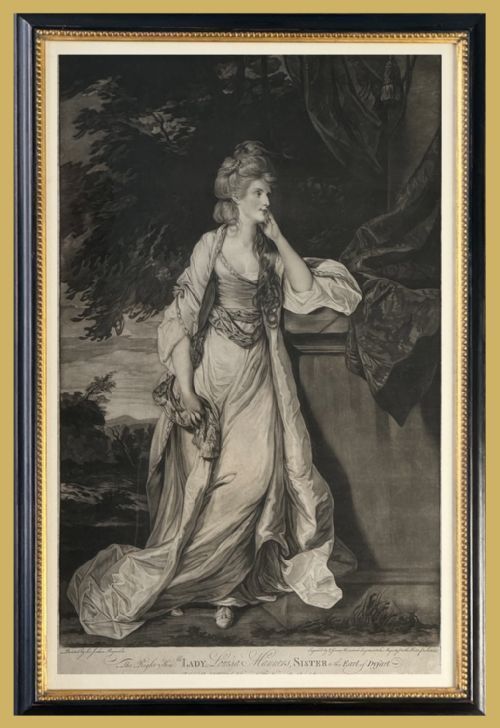
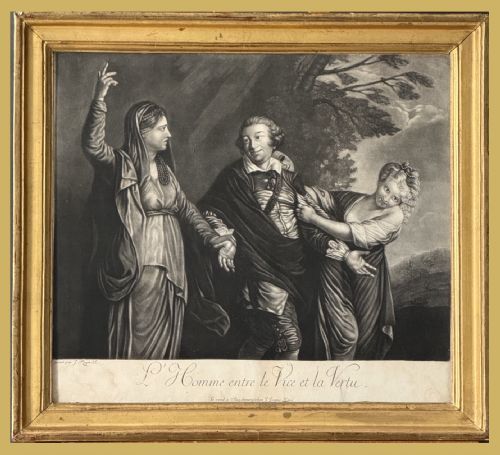
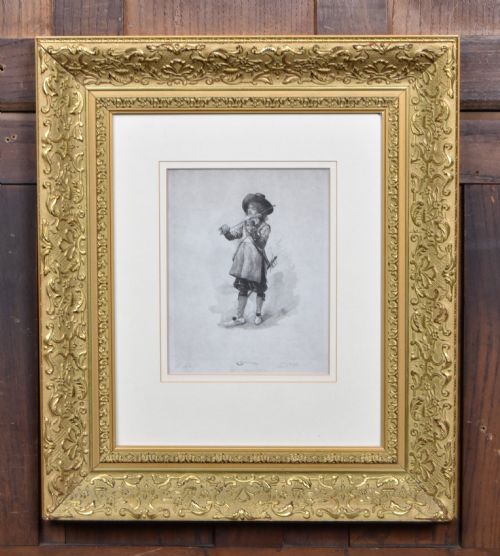
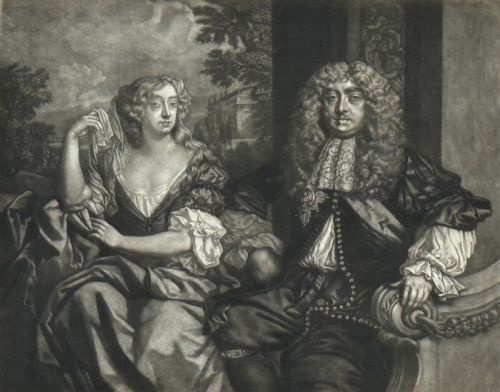
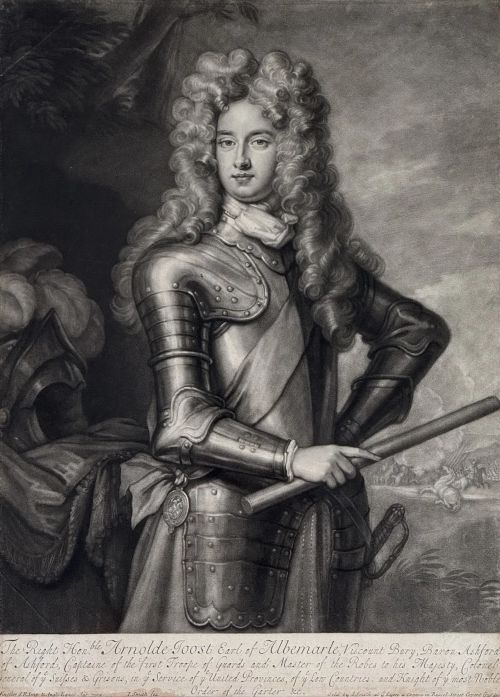
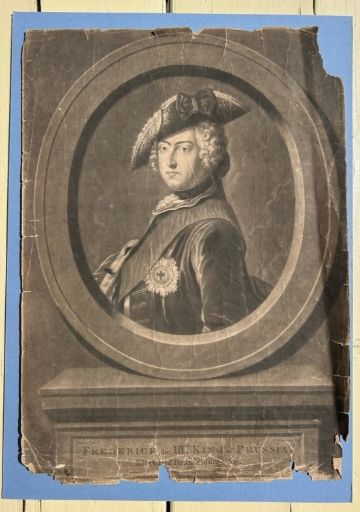
A black and white portrait encompasses various artistic mediums spanning several hundred years, recording human and animal subjects in monochrome. The selection frequently includes detailed mezzotints, engravings, and etchings produced by master printmakers after prominent painters.
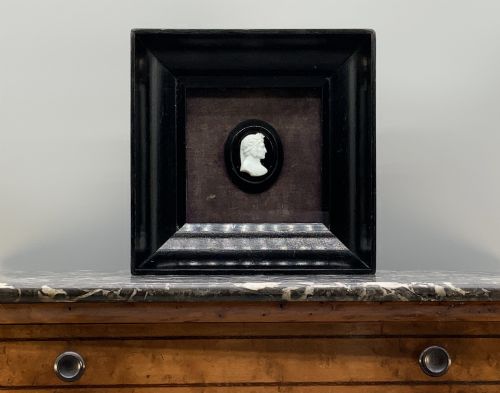
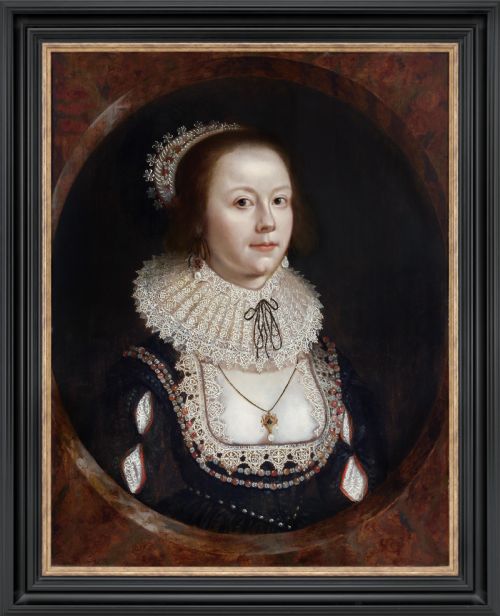
Buyers also encounter original oil paintings on panel or canvas alongside pressed glass paste cameos and Staffordshire pottery figures. These objects range from seventeenth-century depictions of nobility to twentieth-century photographs and drawings.
The aesthetic centres on tonal contrast rather than colour, highlighting line work, shadow, and expression. Works originate from British, French, and Italian contexts, reflecting periods from the Baroque era through to the Art Deco movement.
How they were made
Printmakers utilised copper plates for mezzotints and engravings, working ink into roughened surfaces or etched lines to transfer rich monochrome images onto paper. Etchings relied on acid biting into metal plates to create fine linear detail.
Painters applied oil pigments to wooden panels and canvas using traditional brushwork to build layered compositions of sitters. Sculptural items such as portrait plaques and figures employed carved ivory, moulded porcelain, earthenware, and pressed glass paste.
Listings feature works across the seventeenth, eighteenth, nineteenth, and twentieth centuries, incorporating paper, glass, wood, ink, gold leaf, and porcelain.
What varies in quality
The clarity and depth of ink impression dictate the distinction in printed works, where early strikes from copper plates retain sharper tonal gradation than later copies. Fine hand-carved details in ivory plaques or crisp moulding in porcelain figures separate superior craftsmanship from mass production.
The skill of the original artist and the fidelity of the printmaker directly influence the artistic merit of a piece. Preservation of the paper surface, lack of heavy foxing, and the presence of original framing materials contribute to overall desirability.
James Watson·Sir Joshua Reynolds·John Smith·Sir Peter Lely·Herbert Dicksee·Julian Mandel
The Black and White Portrait Glossary
- Mezzotint
- A printmaking process where the copper plate is roughened uniformly to produce rich dark tones and subtle gradations of light. This technique allowed printmakers to replicate the tonal qualities of oil paintings with remarkable fidelity.
- Etching
- A method where lines are bitten into a metal plate with acid before ink is applied for printing. Artists used this process to achieve precise and expressive linear details.
- Engraving
- A technique involving the direct cutting of lines into a metal plate using a sharp tool called a burin. The resulting prints exhibit crisp and permanent outlines.
- Cameo
- A method of carving or moulding a subject in relief against a contrasting background colour. Pressed glass paste examples mimic traditional carved stone with considerable precision.
- Panel painting
- An artwork executed on a flat wooden board rather than canvas. This support was common in earlier centuries before stretched canvas became standard practice.
Black and White Portrait: Frequently Asked Questions
What is a mezzotint portrait?
A mezzotint is an intaglio printmaking process where the copper plate is roughened to hold ink, producing deep tones and smooth tonal gradations. These prints were frequently published to reproduce famous oil paintings by leading artists of the period.
They offer collectors a rich monochrome texture distinct from standard line engravings.
How should I frame an antique print?
Antique prints on paper require acid-free mounts and framing materials to prevent chemical degradation and yellowing over time. UV-filtering glass helps protect vulnerable inks and watercolours from fading under direct light.
Keeping the paper away from direct contact with the glass prevents moisture damage.
Are Staffordshire portrait figures rare?
Staffordshire figures depicting notable personalities of the Victorian era were produced in quantity for domestic display. Surviving examples vary in their hand-painted enamel details and overall glaze condition.
Their survival rate depends on how well they escaped handling damage over the decades.
What is a glass paste cameo?
Glass paste cameos are moulded artefacts created from coloured glass to imitate carved gemstones or shell. They were popular in the Georgian period for jewellery and miniature framed displays.
The technique allowed detailed relief portraits to be produced with consistent precision.