

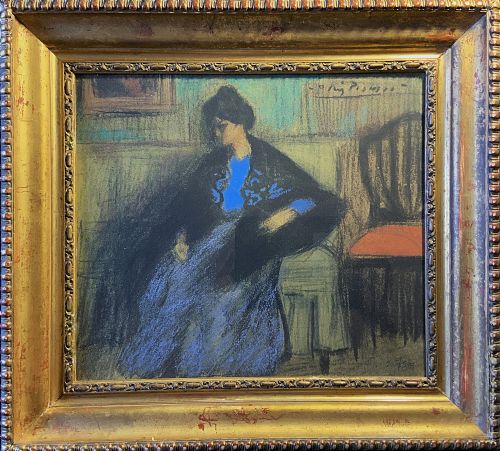

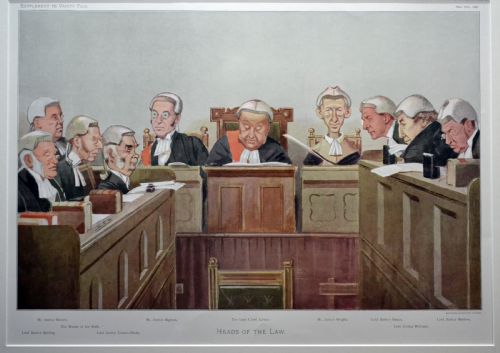


Framed Lithograph Portrait
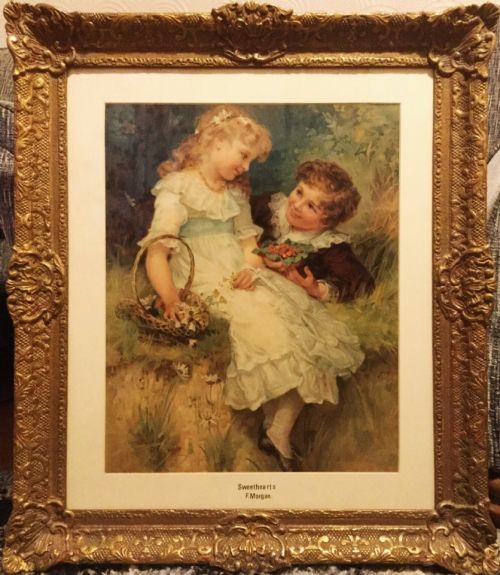
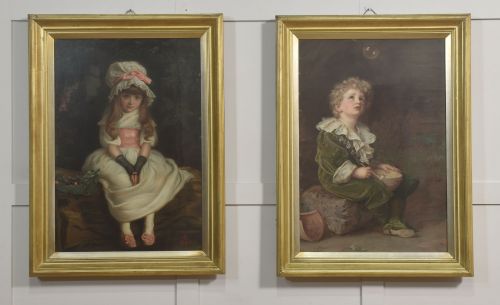
A framed lithograph portrait brings character to a room through ink on paper, captured by Victorian, Edwardian, and mid-century makers.
Framed Lithograph Portrait
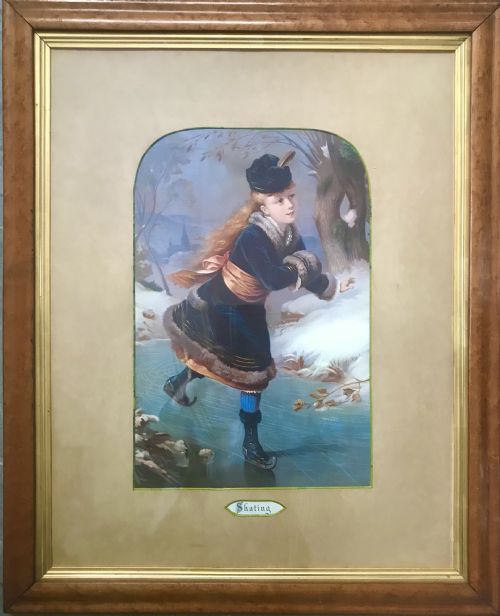
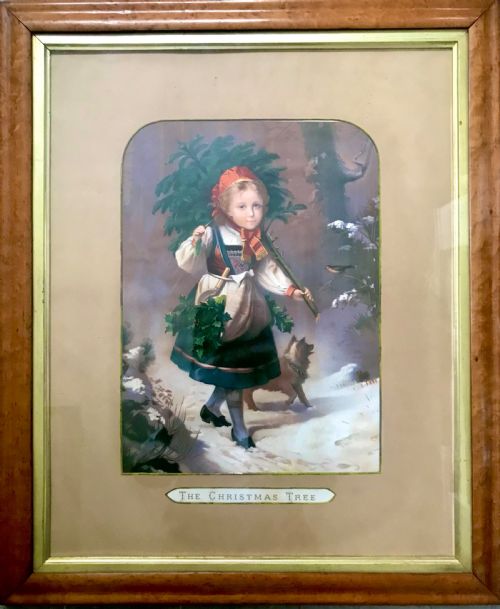
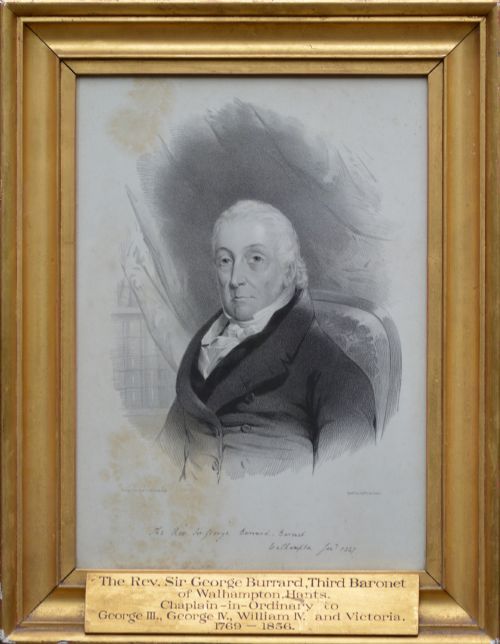
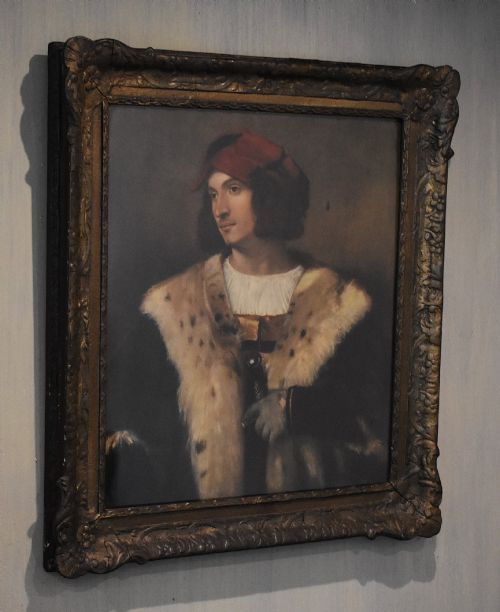
A framed lithograph portrait captures the likeness of notable figures, royalty, and children across various centuries. When exploring this selection, buyers encounter depictions ranging from Victorian subjects to twentieth-century personalities.
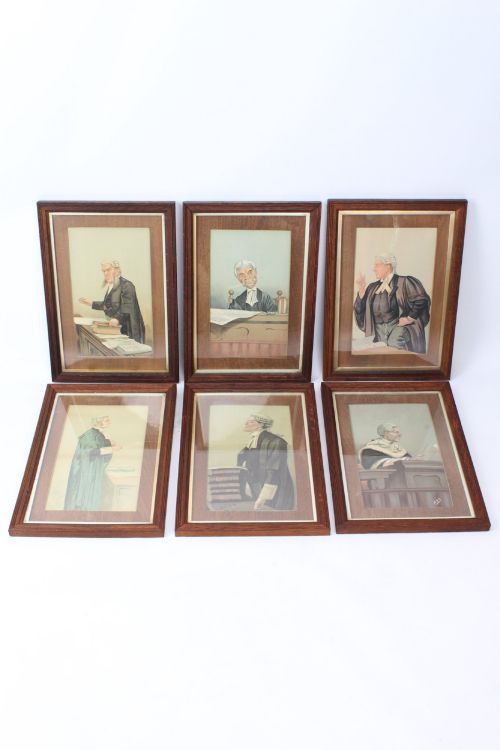
The objects appear in forms such as individual framed prints, pairs, and extensive sets. These wall art pieces often preserve historical characters, military figures, and literary subjects behind glass within wooden and gilt frames.
Originating across the nineteenth and twentieth centuries, these works include advertising prints, satirical character studies, and fine art reproductions. The selection spans distinct aesthetic movements from the Victorian era through to mid-century modernism.
How they were made
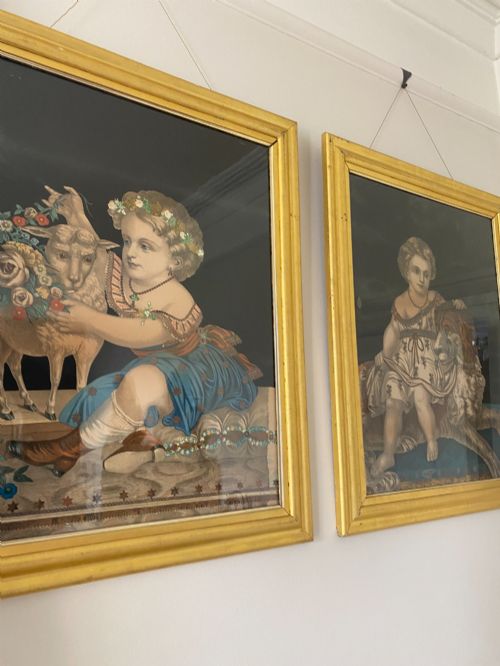
Production relies on ink applied to paper through the lithographic process, sometimes enhanced with hand colouring or pochoir techniques. Master printers built up the image layer by layer to achieve tonal depth and fine facial details.
Makers housed these works behind protective glass within timber frames, utilising wood, giltwood, and occasional metal embellishments. The framing materials provide structural support while complementing the visual tone of the portrait within.
Framed Lithograph Portrait Retail Price Guide 2026
Typical asking prices for framed lithograph portrait among the pieces listed under this phrase on Sellingantiques today, from the lower quarter to the upper quarter. They describe what is for sale here now, not the wider market.
Some children's portraits feature unusual metal embellishments applied directly to their clothing.
What varies in quality
The distinction between standard examples and finer pieces lies in the crispness of the ink transfer and the preservation of the paper. Superior items maintain sharp lines and clear tonal gradations without fading or heavy staining.
The Framed Lithograph Portrait Glossary
- Lithograph
- A print made by drawing an image on limestone or a metal plate with a greasy medium so that ink adheres only to the drawn areas. This technique allows for subtle tonal gradations and fine detail.
- Pochoir
- A stencil-based printing process used to apply vibrant colours by hand onto a printed base. It creates sharp edges and rich pigmentation found in select mid-century works.
- Giltwood
- Wood that has been coated with a thin layer of gold leaf or gilt paint. It is commonly found on period frames surrounding nineteenth-century portraits.
- Hand coloured
- A print finished with watercolour or ink applied manually after the primary printing process. This adds individual character and delicate hues to the subject's costume or background.
Framed Lithograph Portrait: Frequently Asked Questions
How do I hang a framed portrait securely?
Ensure the wall fixings match the weight of the timber and glass assembly. Use sturdy picture wire attached securely to the frame structure.
Position the portrait at eye level to best appreciate the detail of the lithographic ink and framing.
How do I clean the glass on my print?
Apply a mild glass cleaner to a soft cloth rather than spraying directly onto the frame. This prevents moisture from seeping under the edge and damaging the paper.
Wipe the glass gently and avoid pressing hard against the historic paper surface.
Where should I place these portraits at home?
Display portraits away from direct sunlight to prevent the ink and paper from fading over time. Hallways, studies, and living rooms provide suitable environments for wall art.
Keep pieces away from damp walls to protect the wood and paper components from moisture.
How can I tell the period of a frame?
Examine the construction joints, the type of wood, and the application of the gilt finish. Victorian and Edwardian frames often feature distinct moulding profiles and corner blocks.
Backboards, fixings, and paper tape also offer clues regarding the age of the framing assembly.