

Framed Classical Wall Art
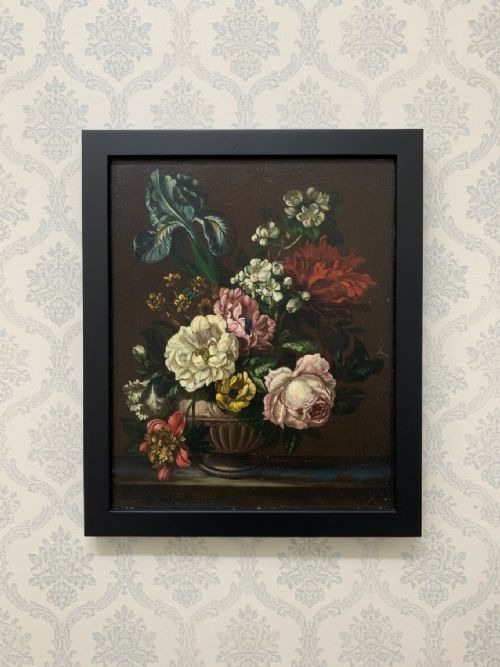
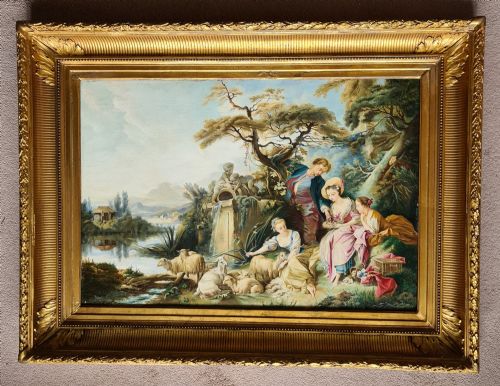
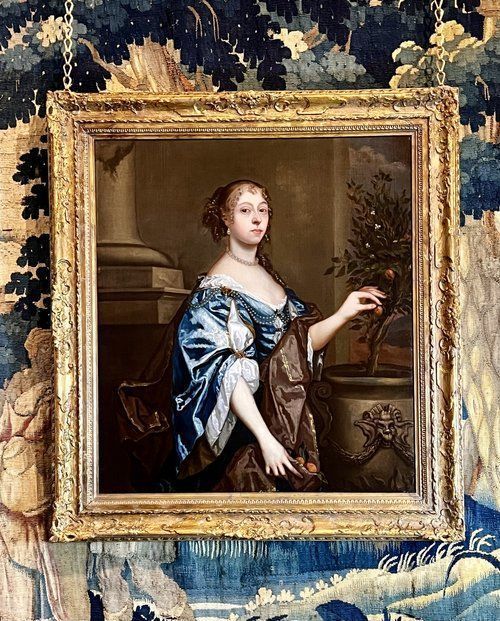
Framed classical wall art brings centuries of traditional portraiture, mythology, and still life directly into domestic spaces.
Framed Classical Wall Art
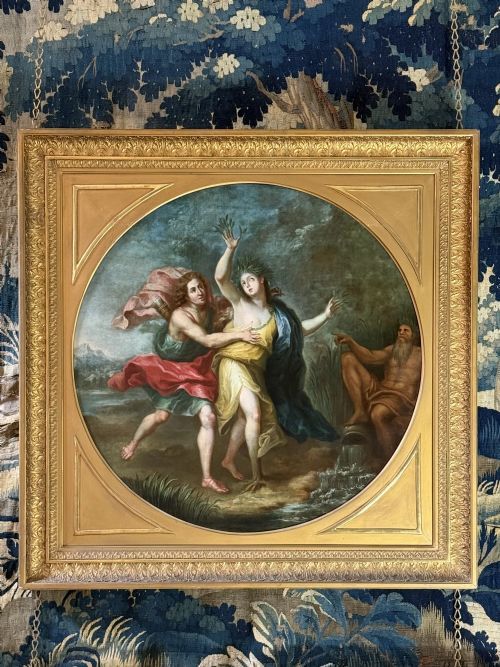
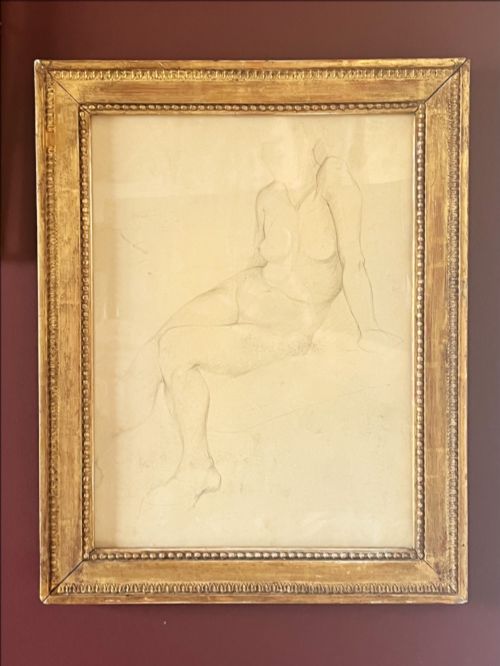
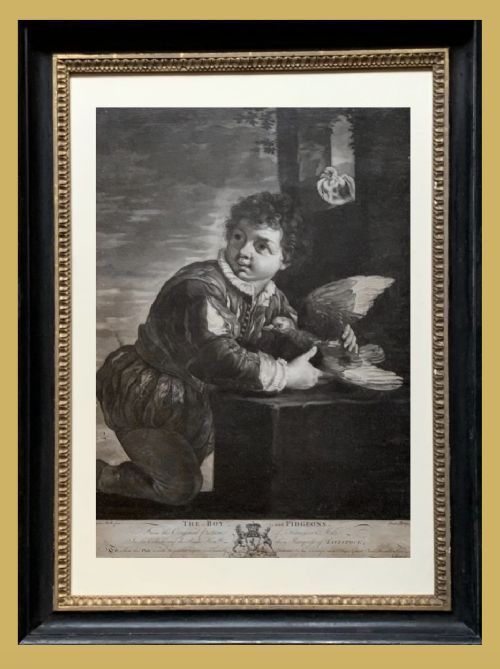
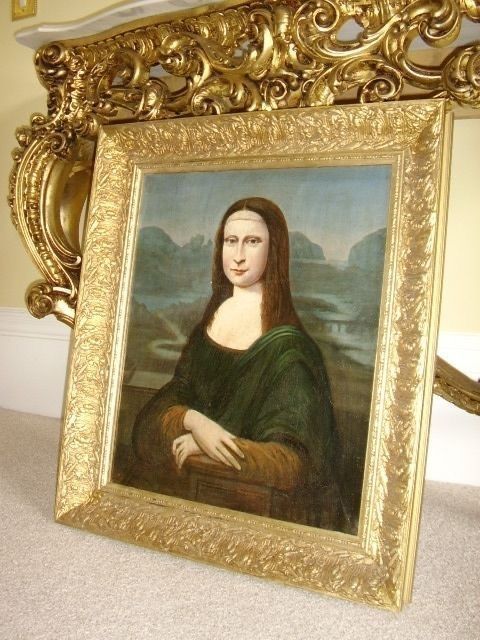
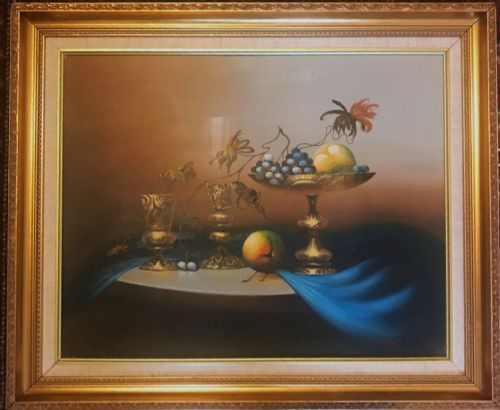
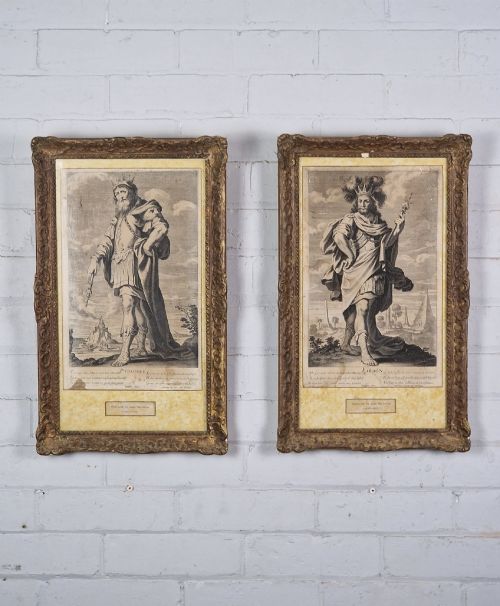
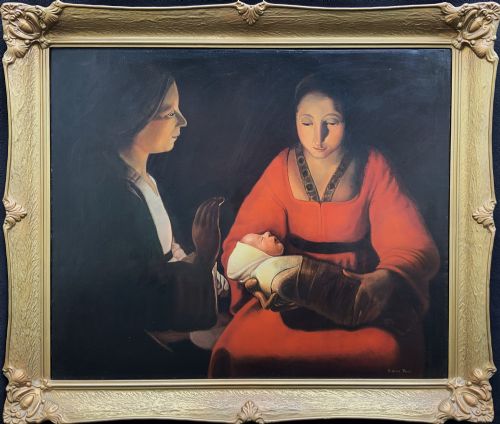
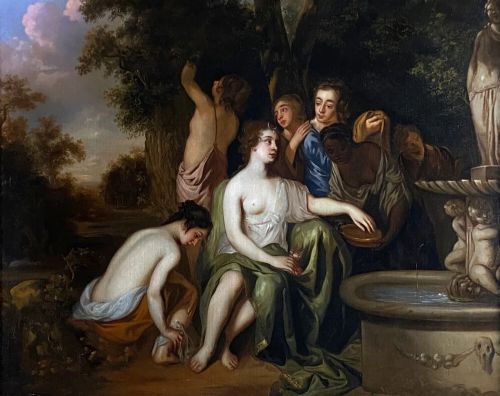
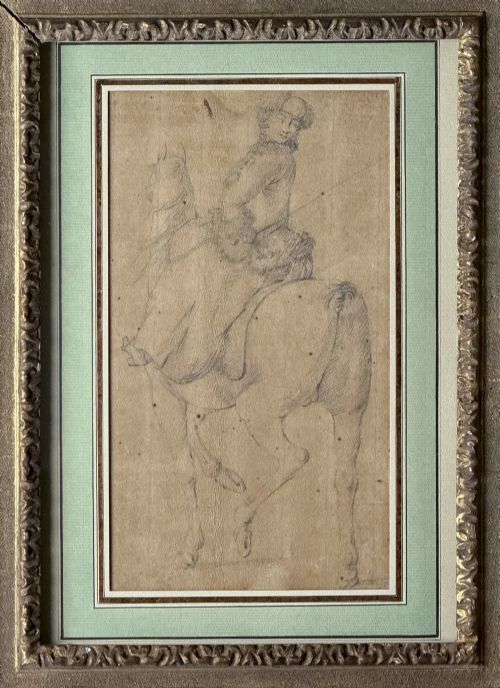
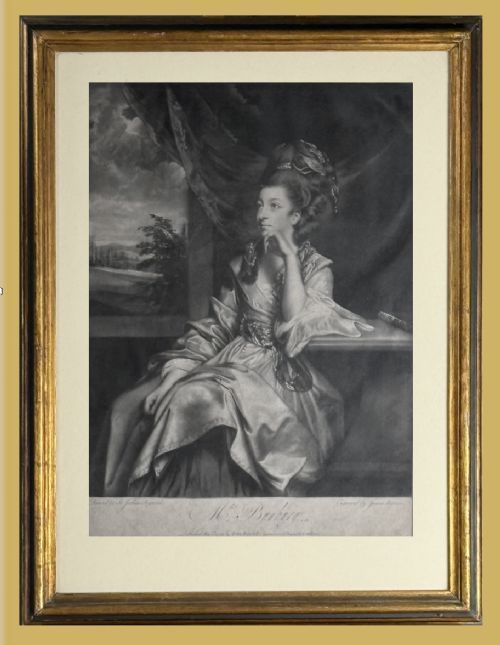
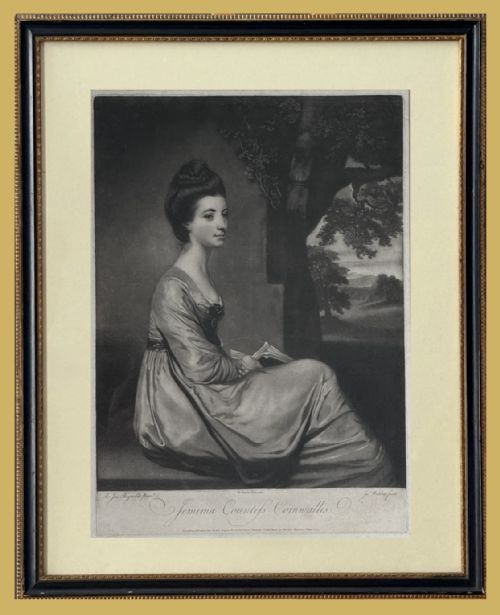
Framed classical wall art encompasses oil paintings, mezzotints, engravings, and drawings produced across the seventeenth, eighteenth, and nineteenth centuries. These works frequently depict mythological narratives, formal portraiture, botanical studies, and religious iconography rooted in historical European traditions.
How They Were Made
The physical objects rely on traditional supports such as canvas, wood panels, paper, and copper plates for engravings and mezzotints. Pigments applied in oil paint or watercolours define the painted works, while printed pieces utilise inked plates pressed onto paper.
Enclosing these works involves timber frames finished with gold leaf, gilt gesso, or carved giltwood. These protective surrounds form an integral component of the object, often matching the period of the art within.
Listings feature works spanning the seventeenth to the twentieth century, utilising oil on canvas, paper, and gilt wood.
What Varies in Quality
Quality resides in the precision of execution, the handling of light and proportion by the artist or engraver, and the integrity of the surface. Early printed plates yield sharper impressions before wear occurs, while painted works demonstrate varying degrees of brushwork confidence.
The relationship between the artwork and its frame affects the overall coherence of the piece. Original period frames that retain their original gilding and joinery elevate the historical completeness of the wall art.
Charles-Antoine Coypel·John Boydell·Edward Fisher·Sir Joshua Reynolds·Pieter Borsseler·Benedetto Luti
The Framed Classical Wall Art Glossary
- Mezzotint
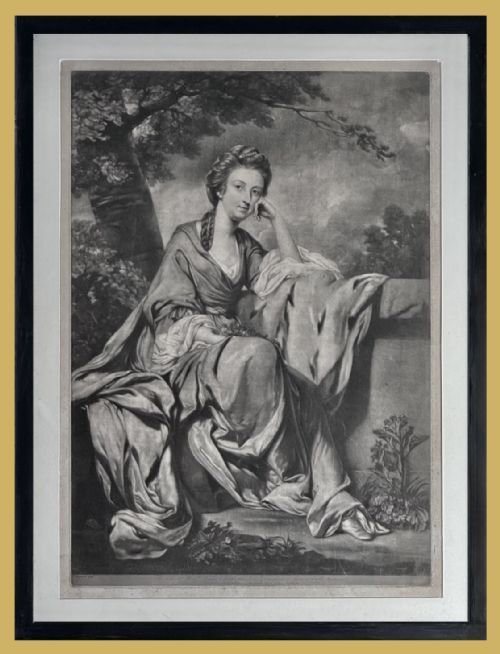
- A printmaking process of the intaglio family where the plate is roughened to produce tones of grey and black. This technique allows for subtle gradations of light and shade, commonly utilised for eighteenth-century portrait prints.
- Intaglio
- A design engraved or incised into a hard material, such as stone or metal. In this context, it also refers to small classical carved gems collected during the Grand Tour.
- Gilt Wood
- Timber coated with a thin layer of gold leaf or powder. This finish provides a reflective surface that highlights the carved details of antique frames.
- Oleograph
- A type of chromolithographic print textured to imitate an oil painting. These mechanical reproductions appeared frequently in later periods to mimic historical canvases.
- Grand Tour
- A cultural journey of Europe undertaken by wealthy young men in the seventeenth through nineteenth centuries. Travellers collected art, antiquities, and architectural studies to bring home.
Framed Classical Wall Art: Frequently Asked Questions
How do I date an old frame?
Dating a frame requires examining the corner construction, the composition of the gesso, and the ageing of the timber underneath. Hand-carved joins and traditional gilding techniques typically point towards earlier centuries.
Later Victorian and twentieth-century replacements often utilise machine-cut mouldings and brighter composition ornaments. Comparing the wear on the frame with the canvas can also indicate whether they have remained together since creation.
What is a mezzotint portrait?
A mezzotint is a print created by roughening a copper plate with a tool called a rocker to hold ink evenly. Scraping and burnishing the plate allows the printmaker to achieve rich dark tones and smooth tonal transitions.
Many eighteenth-century publishers utilised this method to reproduce popular oil paintings by artists like Sir Joshua Reynolds. These prints allowed collectors to own affordable versions of celebrated portraits.
How should I hang heavy oil paintings?
Heavy oil paintings set in thick giltwood frames require secure wall fixings anchored directly into masonry or wall studs. Using a double-wire system or heavy-duty brackets distributes the substantial weight evenly across the structure.
Positioning the artwork away from direct sunlight and excessive humidity protects both the canvas and the wooden frame. Maintaining stable environmental conditions prevents the paint layer from cracking over time.
What does after an artist mean?
When a listing states that a work is after an artist, it indicates that the piece is a later copy or a print based on an original composition. This practice was common for study purposes or to disseminate famous imagery before photography.
These works were executed by pupils, contemporary printmakers, or later artists working within an established tradition. They offer an accessible way to enjoy the style and subject matter of a master.