


Framed Military Artwork
Framed military artwork captures centuries of service, presenting officers, regiments, and naval vessels through oil, watercolour, and print.
Framed Military Artwork
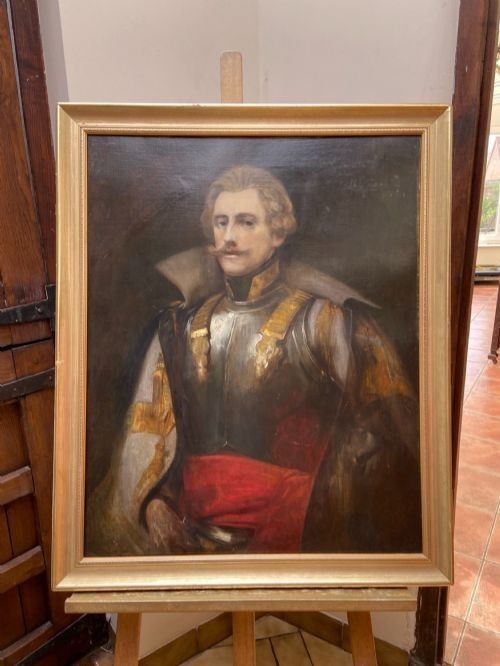
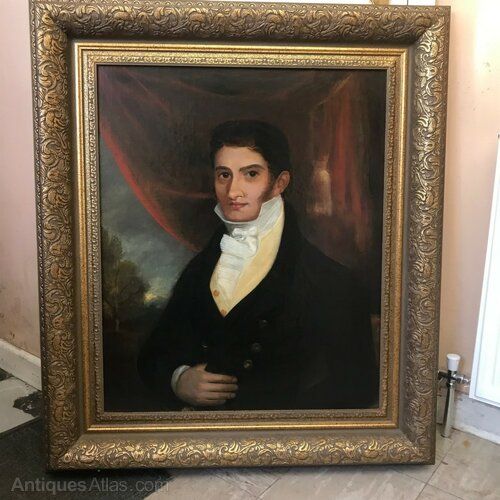
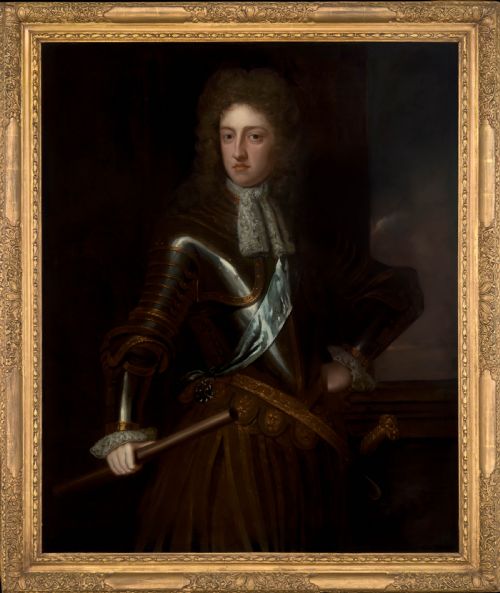
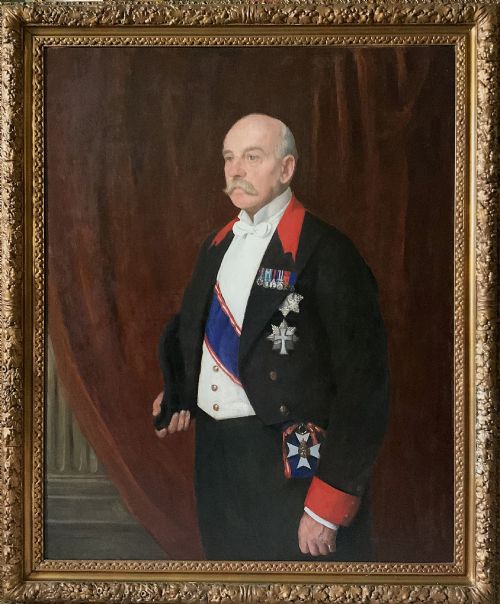
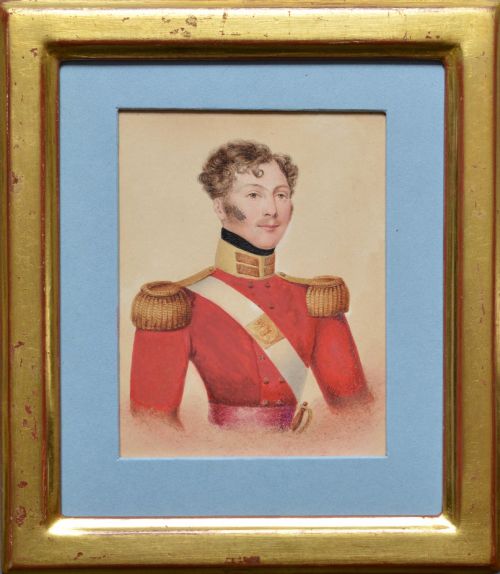
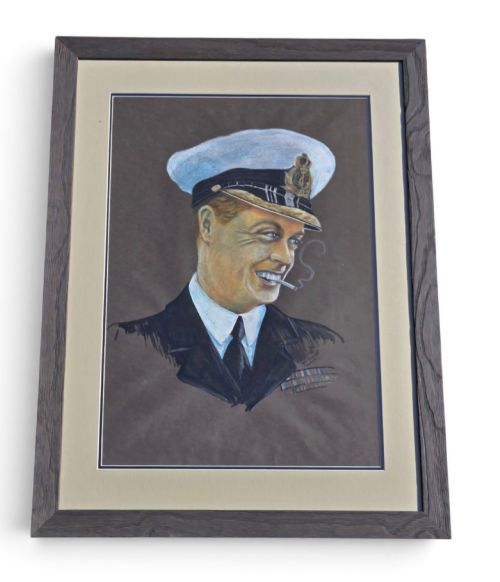
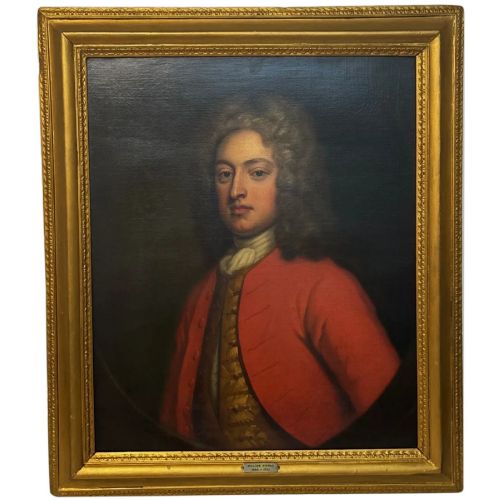
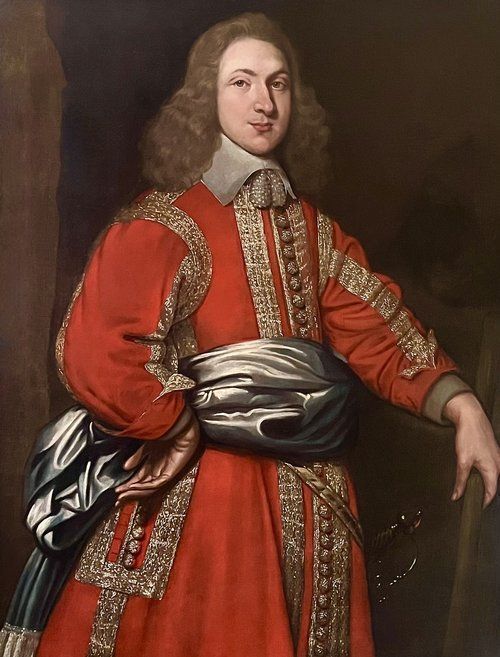
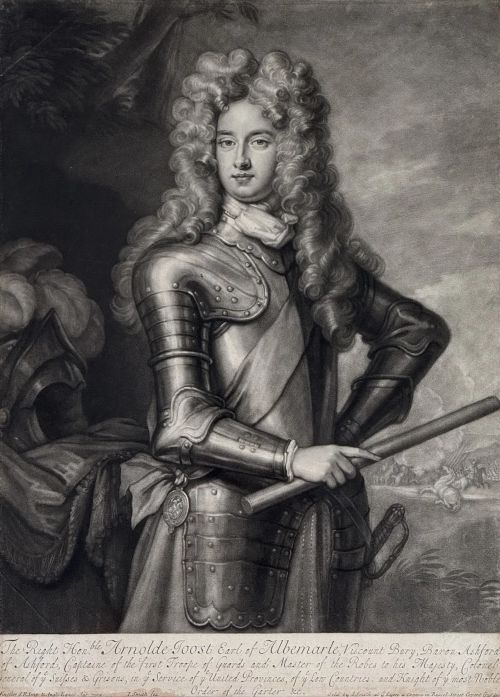
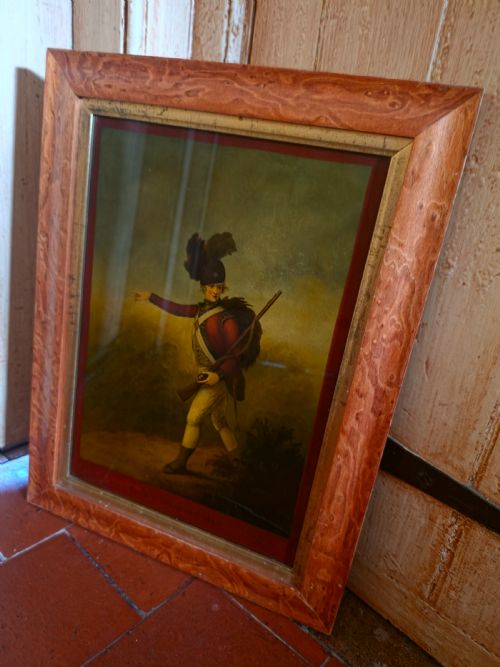
When you search for framed military artwork, you encounter historical representations spanning the seventeenth, eighteenth, nineteenth, and twentieth centuries. These pieces predominantly take the form of portrait paintings, watercolours, pastels, and mezzotints depicting officers, regiments, and naval forces.
The selections on this page lean heavily towards individual portraits of military and naval figures, executed in oil on canvas or paper. You will also find wartime sketches, engravings, and framed prints capturing specific historical eras from the Baroque period through to mid-century realism.
Materials and techniques
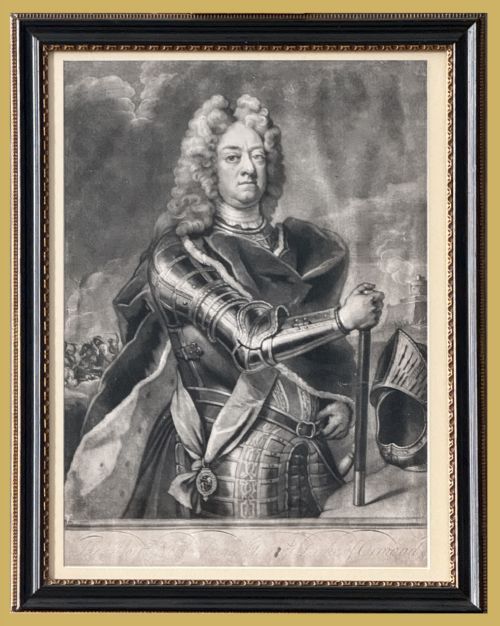
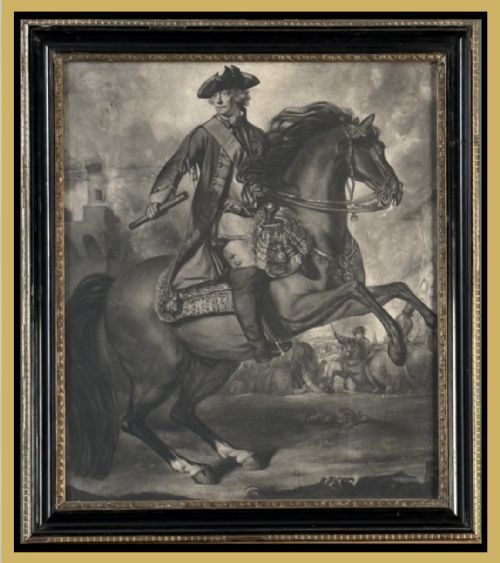
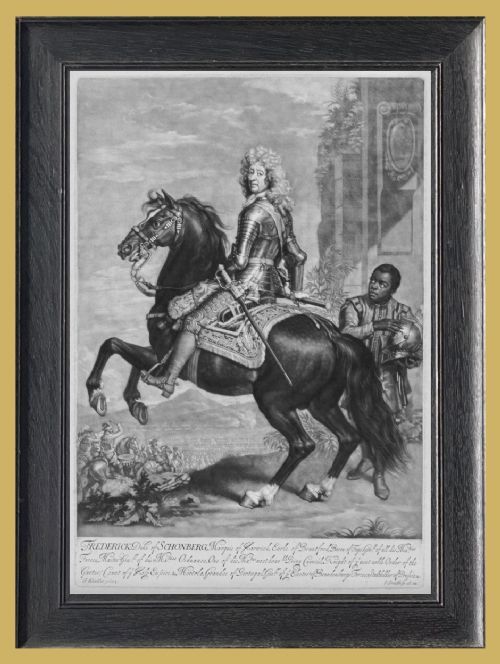
Makers utilised traditional supports including canvas, paper, and glass, applying mediums such as oil paints, watercolours, pastels, gouache, and charcoal. Mezzotint engravings were also produced, translating painted portraits into printed editions using copper plates.
Framing forms a vital component of these works, with period examples mounted in timber frames, including giltwood and gilt wood designs that complement the formality of the artwork within.
A sailor's sentimental tribute to his battleship preserves a moment of camaraderie on the waves.
Assessing quality and execution
The condition of the paper or canvas, the preservation of original pigments, and the appropriateness of the framing contribute to the overall standing of the piece within its historical period.
Bruce Bairnsfather·John Simon·Michael Dahl·Edward Fisher·Sir Joshua Reynolds·John Smith·J Sommer·Sir Godfrey Kneller·Herskind·Dion Pears·Copley·Baruch Shalom Oskotsky·Van Dyck
The Framed Military Artwork Glossary
- Mezzotint
- A printmaking process of the intaglio family where the plate is roughened to achieve rich tones and subtle gradations of light and shade. It was frequently used for reproducing oil portraits.
- Giltwood
- Wood carved and covered with a thin layer of gold leaf or gilt. This material is common in period frames designed to enhance prominent artworks.
- Gouache
- An opaque water-based paint consisting of pigment, water, and a binding agent such as gum arabic. It dries to a dense, matte finish visible in wartime sketches.
- Wash
- A thin, transparent layer of diluted watercolour or ink applied across paper to create smooth background tones or shadows. It often appears in early military watercolours.
- Pastel
- A dry medium composed of powdered pigment and a binder, shaped into sticks for drawing. It creates soft, textured portraits seen in twentieth-century military sketches.
Framed Military Artwork: Frequently Asked Questions
What periods do these pieces cover?
The listings span from the seventeenth century through to the mid-twentieth century, encompassing periods such as the Georgian, Victorian, and Edwardian eras. Each era brings distinct artistic techniques and uniform styles.
Earlier pieces often feature seventeenth and eighteenth-century oil portraits, while later works include twentieth-century wartime sketches and twentieth-century realist paintings.
How were these portraits used historically?
Military artwork served to commemorate high-ranking officers, naval commanders, and regiments, often commissioned by military institutions or families. Portraits recorded service achievements and historical campaigns.
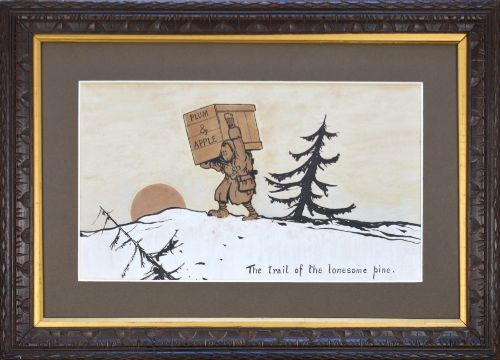
Some pieces, such as trench art drawings or sentimental tributes to battleships, were created by soldiers and sailors during active service to record their personal wartime experiences.
How do I identify the subject of a portrait?
Subjects are typically identified through inscriptions on the artwork, accompanying labels, or historical records linking the sitter to specific regiments, such as the Dragoons or the Royal Engineers. Uniform details, medals, and insignia also provide clues to rank and regiment.
Many listings reference specific historical figures, ranging from seventeenth-century nobility to nineteenth-century officers.
How should I care for antique works on paper?
Works executed on paper, including watercolours, pastels, and engravings, require protection from direct sunlight to prevent fading of pigments and discolouration of the support. Maintaining stable humidity levels prevents warping and foxing.
Displaying these pieces behind appropriate glass with acid-free mounting preserves the delicate mediums used in wartime sketches and prints.