



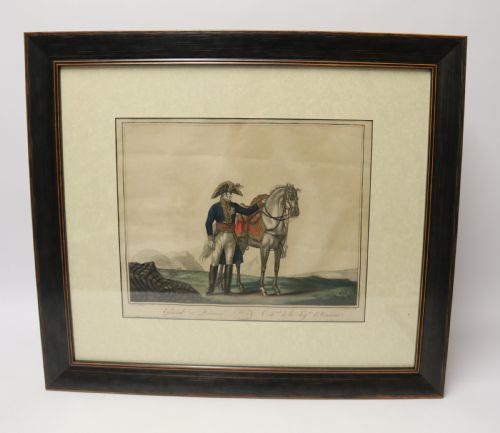
Antique Military Portrait Print
An antique military portrait print captures centuries of military service, offering a direct visual link to historical commanders and soldiers.
Antique Military Portrait Print
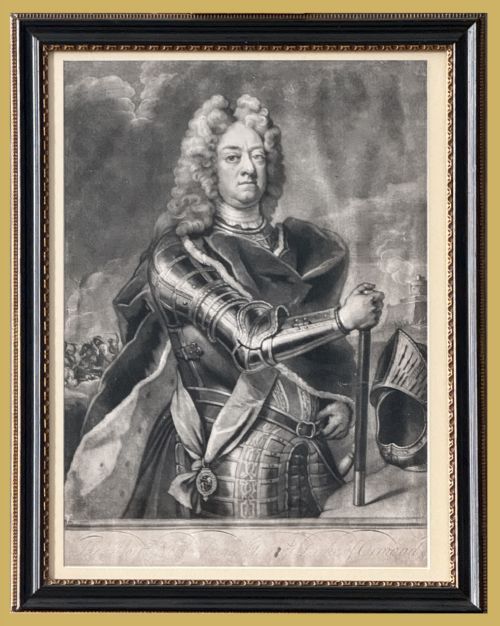
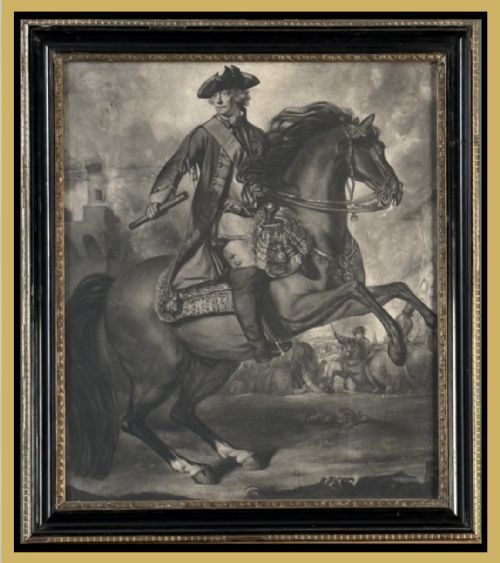
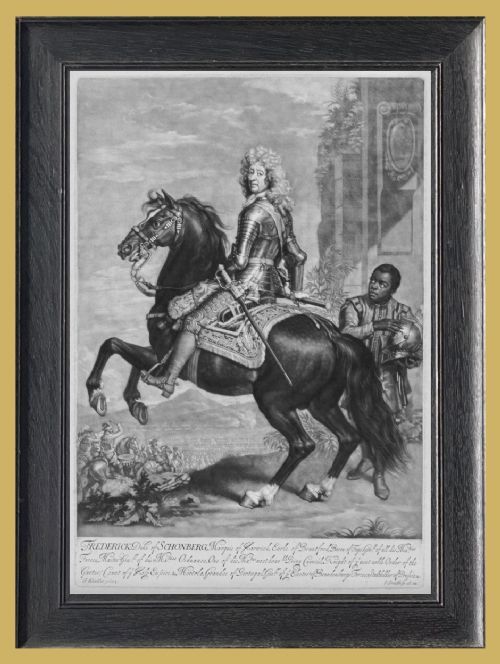
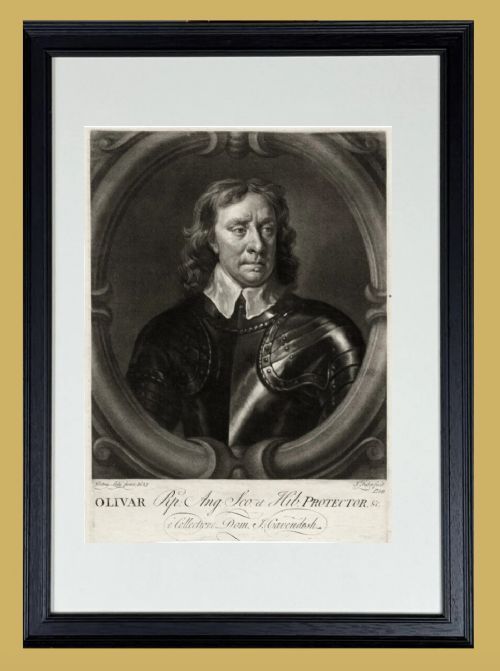
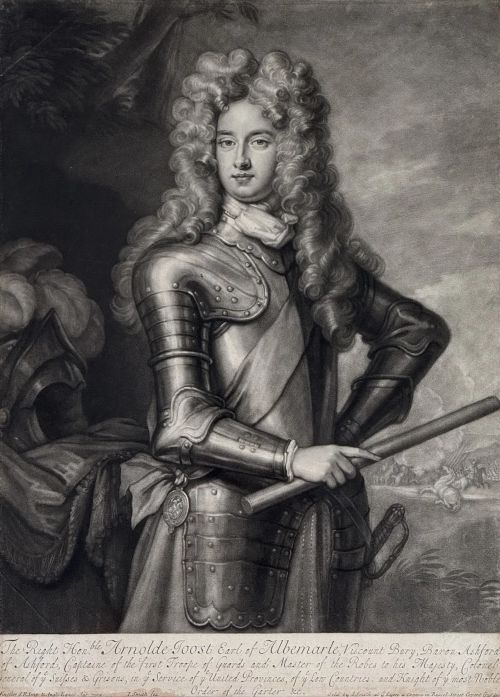
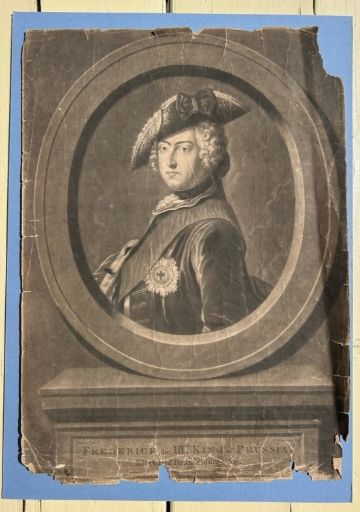
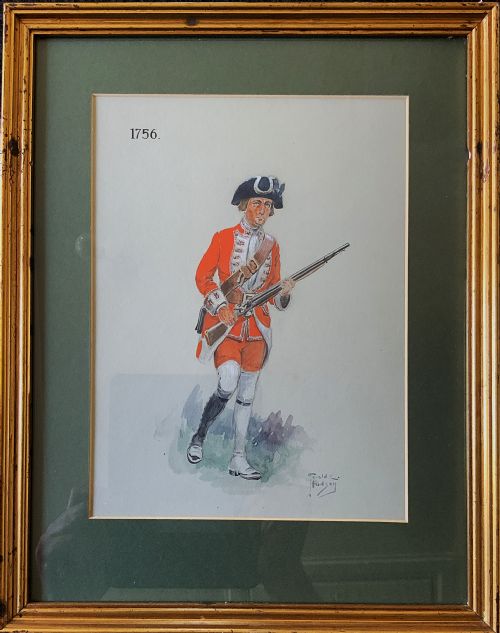
An antique military portrait print depicts officers, generals, and soldiers from various historical conflicts and eras. These works range from finely worked mezzotints and engravings to hand-coloured prints, watercolours, and reverse glass pictures.
Collectors encounter pieces spanning multiple centuries, with significant representation from the seventeenth, eighteenth, and nineteenth centuries. The subjects include named commanders, naval officers, and specific regiments, presented either individually or in group formats.
The assortment on this page includes framed artwork, wall art, and photographs mounted on card. These pieces reflect diverse styles from the Baroque and Georgian periods through to Victorian and Edwardian aesthetics.
How they were made
Printmakers utilised techniques such as mezzotint and engraving on paper, often working after paintings by prominent artists of the period. Ink on paper forms the primary basis for these graphic works, sometimes enhanced with watercolour and wash or hand-colouring.
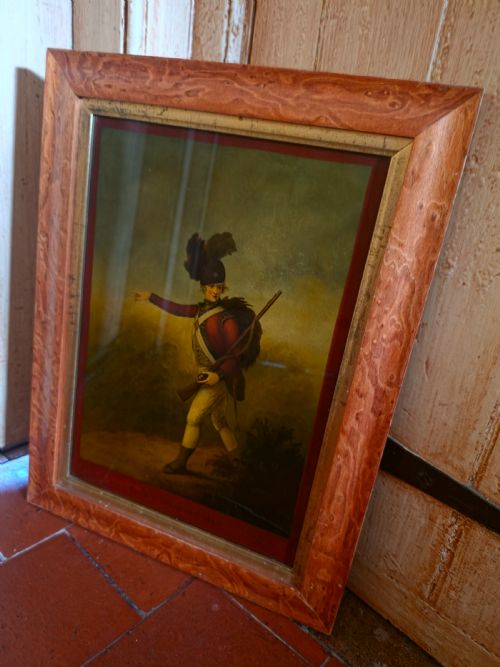
Alternative methods include reverse glass prints, where the image is applied directly to glass. Framing materials typically involve wood, maple, and gilt wood, frequently accompanied by protective glass covering.
Listings feature paper, glass, wood, ink, and watercolour across Georgian, Victorian, and Edwardian styles.
What varies in quality
Quality in these prints depends heavily on the skill of the original printmaker and the condition of the impression on the paper. Early mezzotints by skilled hands demonstrate deep tonal ranges and sharp detail compared to later impressions.
The preservation of the paper, the vibrancy of any applied watercolour, and the originality of the frame contribute to the overall standing of the piece. Period frames in wood or gilt wood enhance the integrity of the artwork.
John Simon·Michael Dahl·Edward Fisher·Sir Joshua Reynolds·John Smith·Sir Godfrey Kneller·Joseph Sympson·Sir Peter Lely·Richard Houston·Antoine Pesne·Van Dyck
The Antique Military Portrait Print Glossary
- Mezzotint
- A printmaking process of the intaglio family where the plate is roughened to achieve rich dark tones. This method allows for subtle gradations of light and shade.
- Engraving
- A technique where an image is incised onto a metal plate using a sharp tool. Ink is then applied to the grooves to create the printed image on paper.
- Reverse glass print
- An artwork painted or printed directly onto the back side of a glass sheet. When viewed from the front, the image gains a glossy and distinct appearance.
- Vanity Fair print
- A chromolithographic caricature published in the British magazine Vanity Fair. These prints often feature notable public figures, including military personnel.
Antique Military Portrait Print: Frequently Asked Questions
What is a mezzotint portrait?
A mezzotint portrait is a print created by roughening a metal plate to produce rich tonal variations. This method was widely used in past centuries to reproduce paintings of military figures.
The resulting prints offer deep shadows and smooth highlights that distinguish them from standard line engravings.
How do I identify the period?
The period of a military portrait print is often indicated by the clothing, uniform style, and the engraving technique used. Typography on the print or details about the sitter and artist provide further dating clues.
Examining the paper type and framing materials also helps determine the historical context of the piece.
What are reverse glass prints?
Reverse glass prints are images applied directly to the reverse side of a glass pane rather than paper. This technique creates a luminous finish that protects the pigments from atmospheric wear.
Such pieces require careful handling to preserve the glass and the underlying imagery.
How should I frame these prints?
These prints are best housed in period-appropriate wooden frames, such as oak, maple, or gilt wood styles. Maintaining original framing where possible preserves the historical character of the artwork.
Ensure conservation-grade backing materials are used to protect the paper over time.