




Napoleonic War Art
Napoleonic war art brings military history into domestic spaces through items made during and after the campaigns of the early nineteenth century.
Napoleonic War Art
When buyers search for napoleonic war art, they find a diverse range of objects created to record campaigns, battles, and notable figures of the era. The selection spans the nineteenth century, encompassing Georgian and Regency periods alongside later pieces.
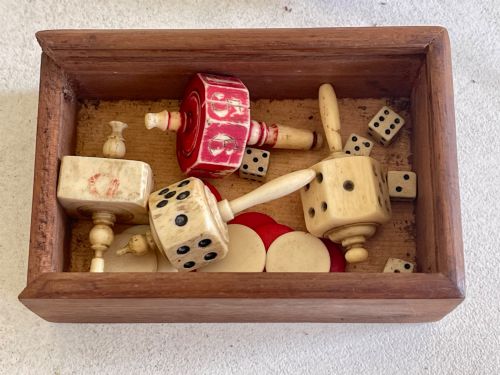
The objects take several forms, including reverse glass prints, framed artwork, and watercolour paintings. Buyers also encounter folk art objects such as decorative boxes, straw work items, and carved bone pieces originating from the period.
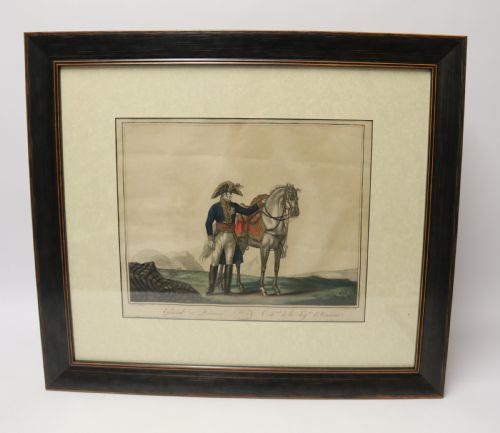
Portraits of commanders like Napoleon and Archduke Charles of Austria appear alongside battle scenes and military portraits. These pieces reflect both official military output and the creative work of prisoners of war.
How they were made
Makers utilised wood, glass, paper, and pigment to create framed pictures and reverse glass prints that captured likenesses and battle scenes. Artists applied watercolour and hand colouring to paper to produce detailed military portraits and action views.
Prisoners of war carved bone and shaped thread and straw to construct intricate folk art objects, tooth picks, and decorative boxes. Gilt wood frames and cork occasionally feature in the construction of these period pieces.
Listings feature items from the Georgian and Regency periods alongside later nineteenth-century pieces, incorporating materials such as bone, glass, thread, and pigment.
What varies in quality
The standard of napoleonic war art depends upon the precision of the hand painting, the delicacy of carved bone details, and the preservation of paper or glass surfaces. Finer examples display meticulous brushwork in watercolours and careful execution in prisoner of war bone carvings.
Materials contribute significantly to overall quality, with well-preserved pigment, crisp straw work, and intact gilt wood framing elevating certain pieces above simpler decorative items.
The Napoleonic War Art Glossary
- Reverse glass print
- An image applied or painted directly onto the reverse side of a glass sheet, viewing through the glass to the finished side. This technique protects the pigment and creates a glossy surface sheen.
- Teetotum
- A small multi-sided spinning top used in games of chance, often carved from bone by prisoners of war during the period. They feature letters or numbers on their facets.
- Straw work
- Decorative craft created by applying split straw to wooden boxes or surfaces to form geometric or pictorial patterns. The straw catches the light due to its natural silica content.
- Regency
- The historical period in Britain spanning from eighteen eleven to eighteen twenty, characterised by distinct artistic and architectural styles. Items from this era often reflect neoclassical influences.
Napoleonic War Art: Frequently Asked Questions
What is napoleonic war art?
Napoleonic war art comprises paintings, prints, and folk art objects created during the early nineteenth century to commemorate the campaigns, battles, and personalities of the era.
These pieces range from watercolour battle scenes and reverse glass portraits to intricate objects carved by prisoners of war.
Where should I display these pieces?
Framed watercolours and glass prints suit walls away from direct sunlight to protect delicate pigments and paper.
Small folk art objects, such as decorative boxes and carved bone pieces, sit well on tables or within enclosed display cabinets.
How do I date an antique military print?
Dating relies on the costume details, the specific historical events depicted, and the physical characteristics of the paper and framing materials.
Early nineteenth-century examples often carry specific Regency or Georgian stylistic markers in their typography and execution.