
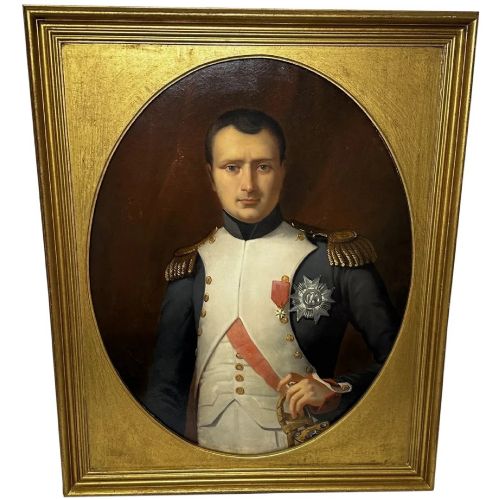
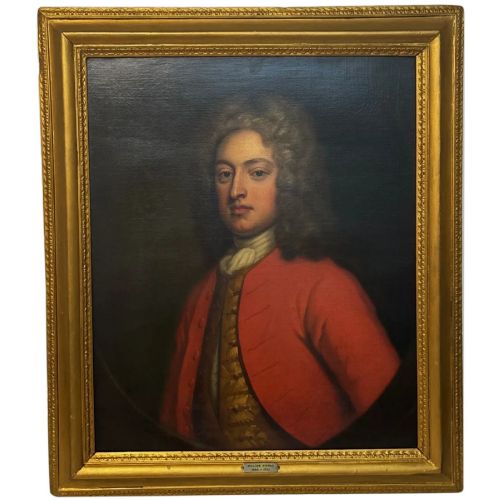
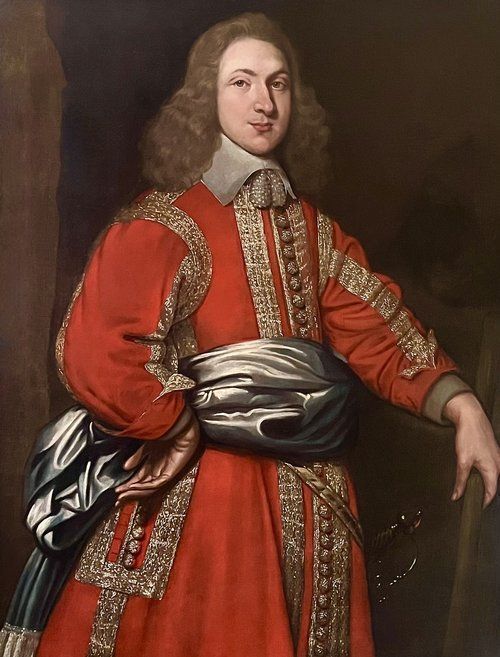
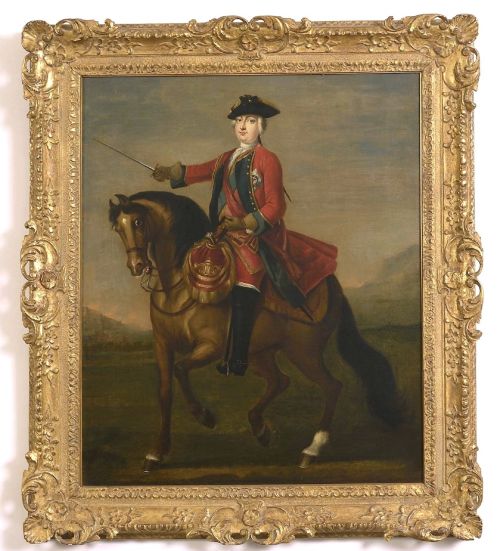

Gold Framed Military Painting
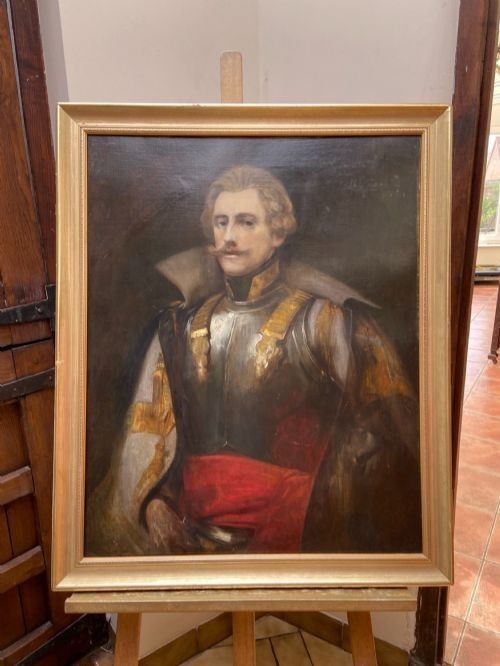
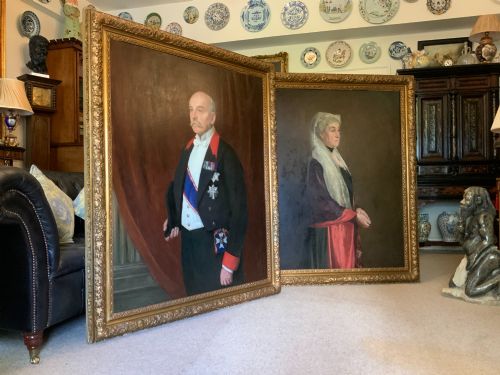
A gold framed military painting captures officers, regiments and campaigns behind gleaming leaf, bringing centuries of command and uniform into the room.
Gold Framed Military Painting
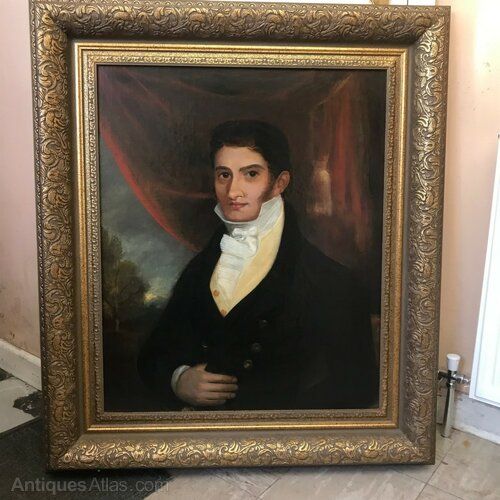
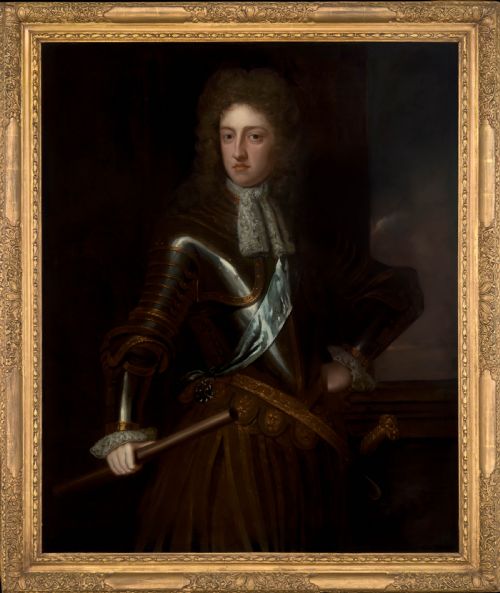
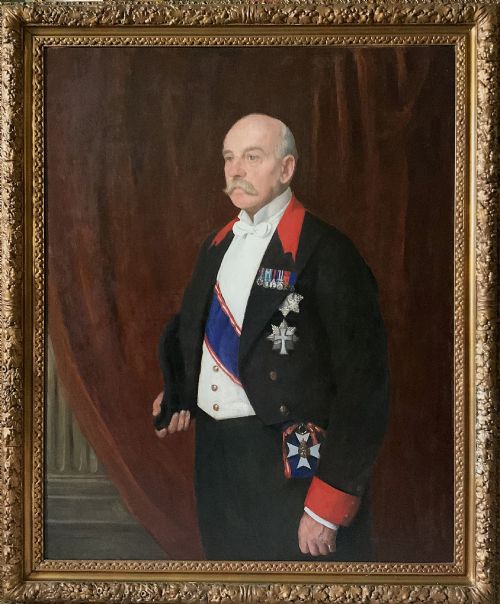
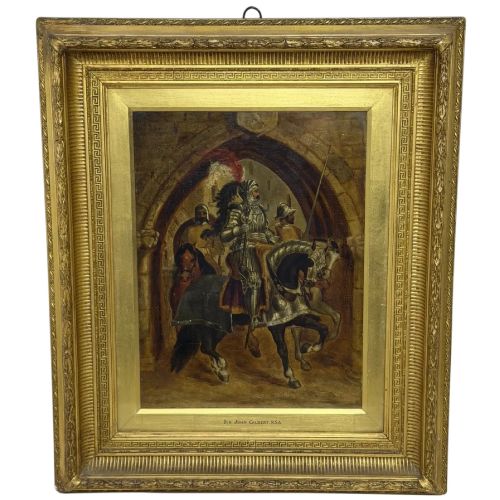
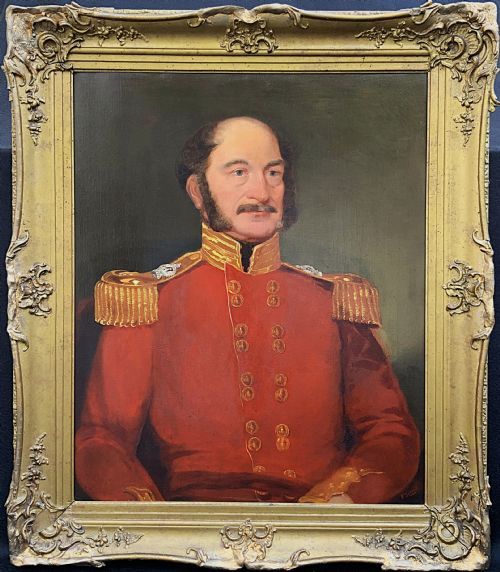
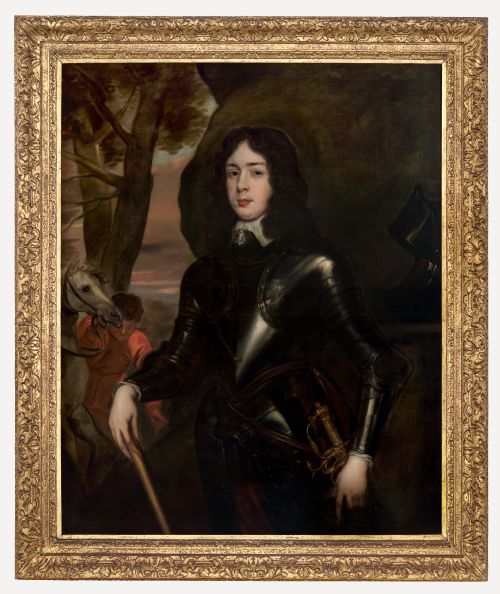
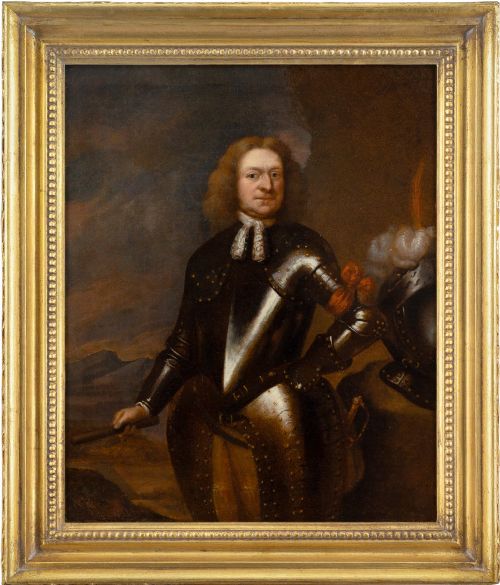
A gold framed military painting presents officers, generals and cavalrymen caught in uniform, armour or active service. When you search for a gold framed military painting, you encounter canvases and panels dating from the seventeenth century through the Victorian era to the mid-twentieth century.
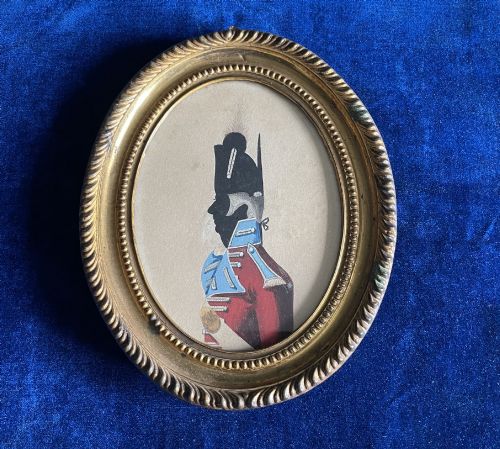
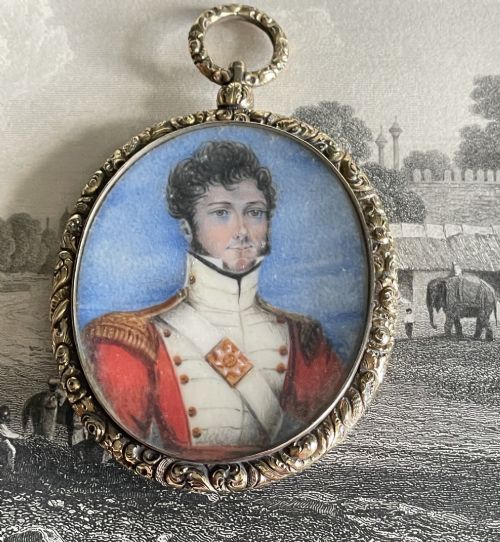
The subjects range from monumental oil portraits of named commanders to intimate miniature watercolours on agate. These works span British, French and Anglo-Indian military service, framed in heavy gilded wood or leaf.
Most pieces on this page lean towards eighteenth and nineteenth-century oil paintings, reflecting the periods when military portraiture flourished. You find depictions of red coats, naval uniforms and armour set against dark grounds or battle smoke.
How They Were Made
These works rely on oil paint applied to canvas or wood panels, occasionally shifting to watercolour on paper or agate for miniature portraits. Painters built up fabrics and skin tones through layered glazes, capturing the sheen of gold lace and red wool.
The surrounds consist of carved wood frames finished in gold leaf or giltwood, often built with deep mouldings and corner ornaments. Gilder's work involved applying thin sheets of gold over a prepared gesso base, burnishing selected areas to contrast with matte sections.
Several commanders share wall space with the horse Balmoral and a runaway team.
What Varies in Quality
Quality rests in the precision of the facial likeness and the rendering of textiles, medals and lace. Superior works reveal confident brushwork in hands and eyes, whereas weaker examples rely on formulaic factory production for uniforms.
The integrity of the giltwood frame matters greatly, as original period frames with intact gesso enrich the piece. Frames with heavy overpainting or modern replacements alter the character of the artwork.
Sir Godfrey Kneller·Sir Anthony van Dyck·John Wootton·Thomas Hudson·Sir John Gilbert·John A Houston·Thomas Mackay·Paul Leon Jazet·Ernest Crofts
The Gold Framed Military Painting Glossary
- Giltwood
- Wood carved and covered with gold leaf or metal leaf. It provides the reflective border typical of period picture frames.
- Oil on Canvas
- Pigment mixed with drying oil applied to a stretched cloth support. This combination allows for rich colour blending and durability over centuries.
- Portrait Miniature
- A small, highly detailed painting executed on ivory, vellum, card or agate. These intimate works were often worn or carried by family members.
- Armour
- Protective steel or iron covering worn by soldiers and officers in earlier centuries. Its inclusion in a portrait denotes high status and martial lineage.
- Provenance
- The documented history of ownership of an artwork. Clear provenance links a named sitter to historical records and collections.
Gold Framed Military Painting: Frequently Asked Questions
How do I identify the rank of the officer?
Examine the uniform facings, lace, epaulettes and headwear depicted in the canvas. Red coats, gorgets and specific medals often denote specific regiments and seniority.
Compare these details with period uniform regulations for British, French or colonial services to narrow down the precise rank and branch.
Are these paintings contemporary portraits or later copies?
Most works listed date from the period they represent, such as seventeenth-century commanders or eighteenth-century generals. Stylistic evidence and canvas characteristics help confirm whether a piece is contemporary to the sitter.
Some later nineteenth-century historical pieces reinterpret earlier battles, which is usually indicated by the artist's dates and signature style.
How should I hang a heavy giltwood frame?
Large oil paintings in deep giltwood frames require secure wall anchors fixed directly into masonry or studs. The weight of the timber and plaster moulding demands professional picture hooks rated well above the painting's mass.
Position the piece away from direct sunlight and heat sources to protect both the canvas and the gold leaf.
What does an Anglo-Indian military attribution mean?
Anglo-Indian attribution indicates works produced in India during British administration, often portraying officers serving in the Madras Presidency or Bengal armies. These paintings frequently blend European portrait conventions with local artistic materials and framing.
They record the colonial military presence and campaign history across the subcontinent during the eighteenth and nineteenth centuries.