

Antique Military Art
Antique military art gathers centuries of painted portraits, drawn records, and carved items that trace service through portraits and objects.
Antique Military Art
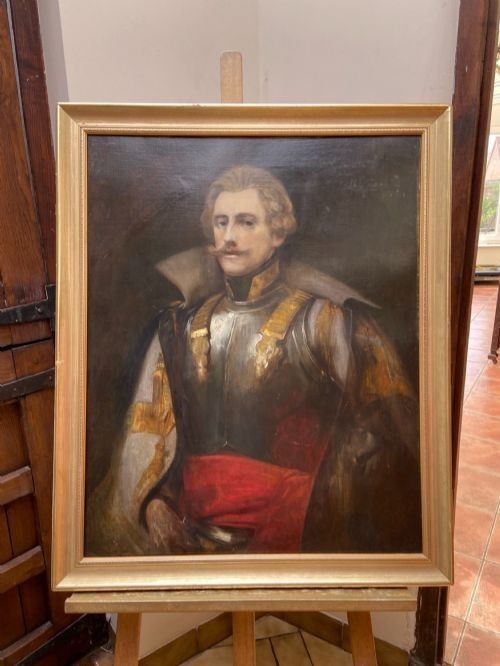
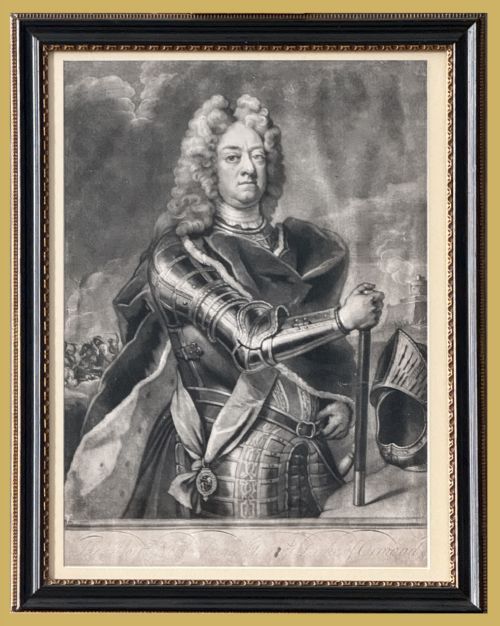
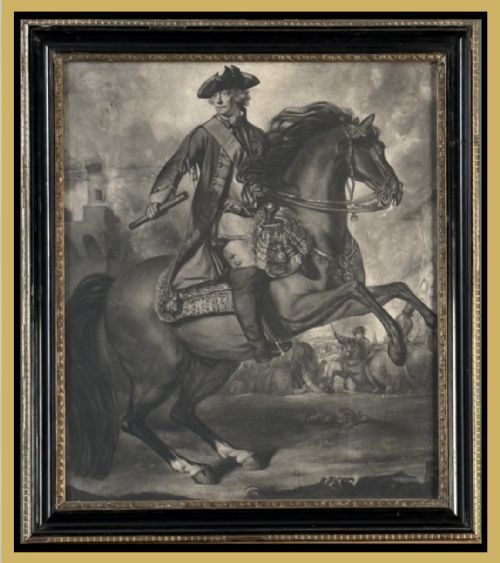
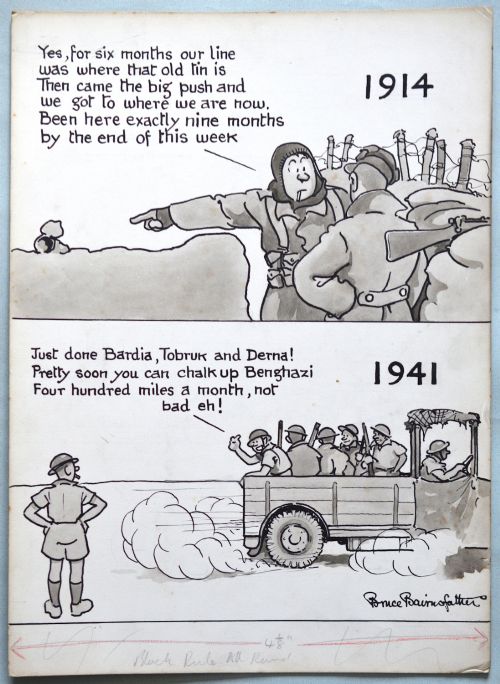
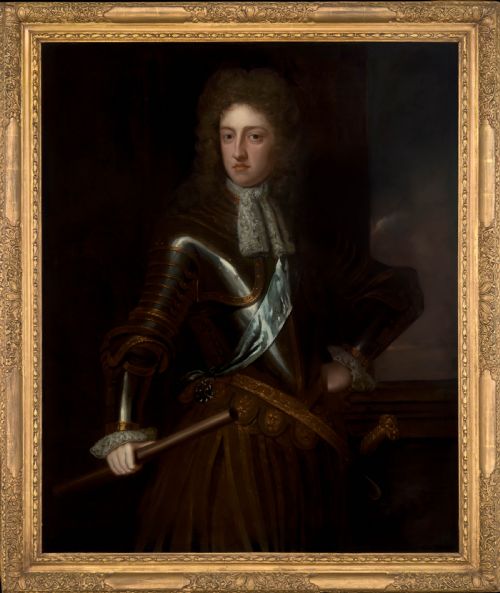
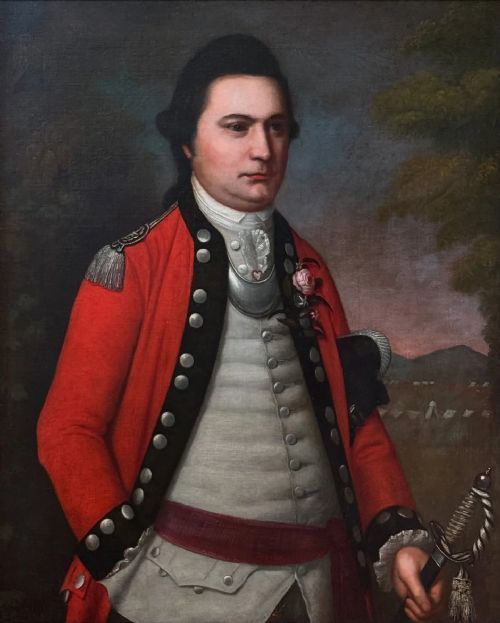
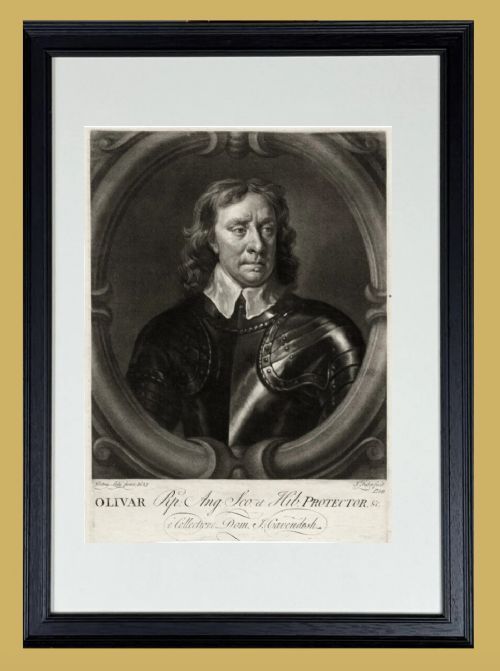
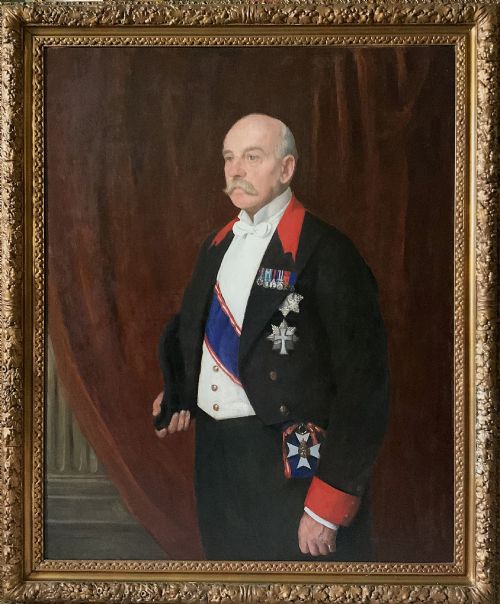
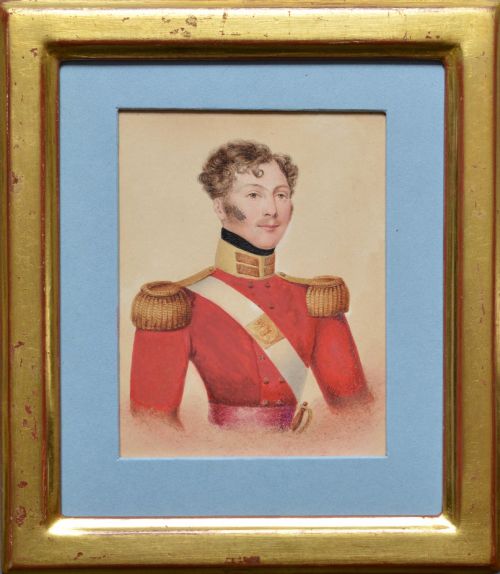
The search for antique military art brings together framed oil paintings, watercolours, pastels, and printed mezzotints depicting officers, regiments, and campaigns. These pieces span multiple centuries, ranging from seventeenth-century cavaliers in armour to twentieth-century wartime sketches.
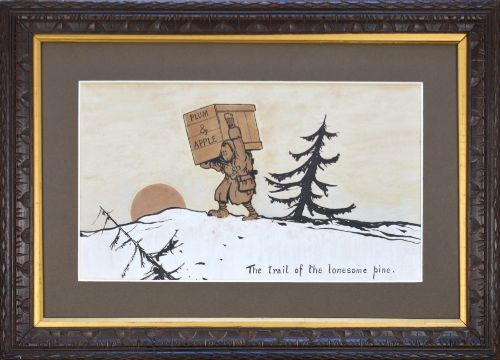
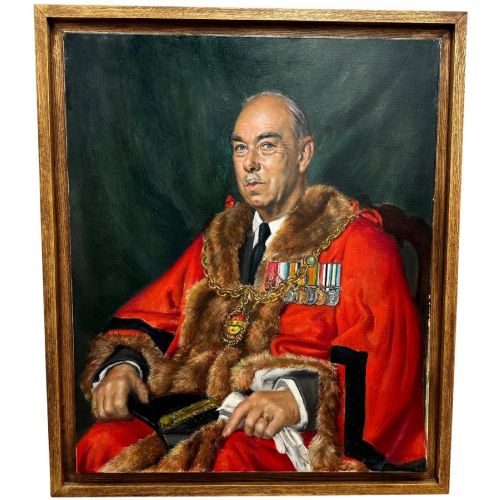
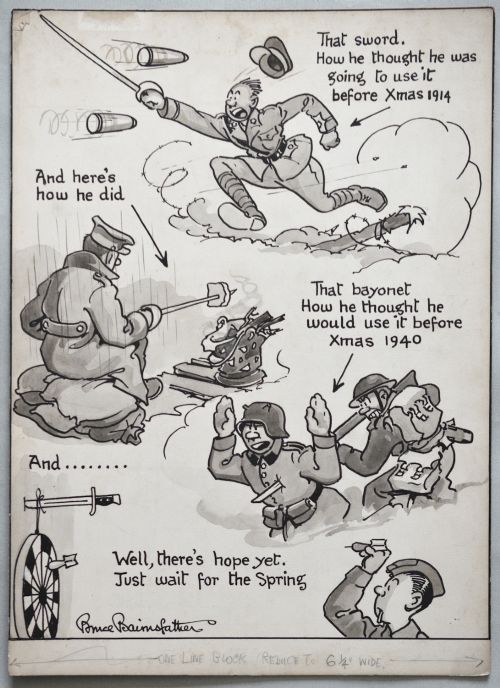
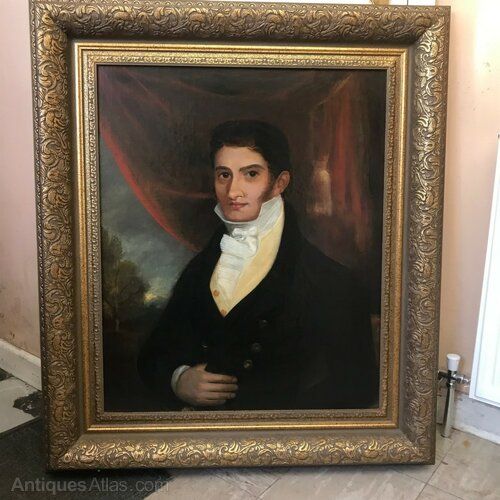
Oil paintings on canvas and panel form a substantial portion of the available selections, frequently portraying named officers or royal figures in uniform. Works on paper, including ink drawings, wash studies, and gouache portraits, offer direct records of individual soldiers.
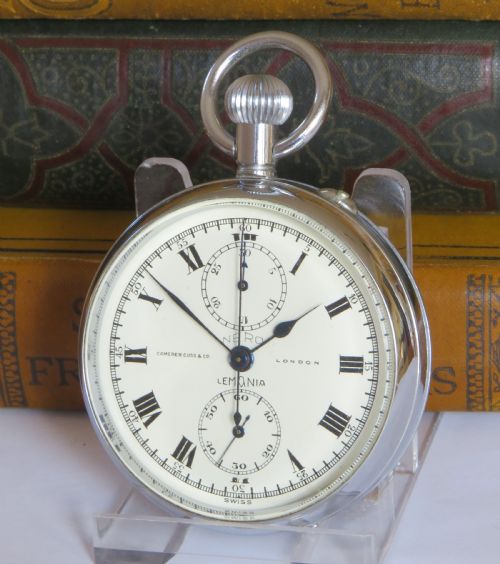
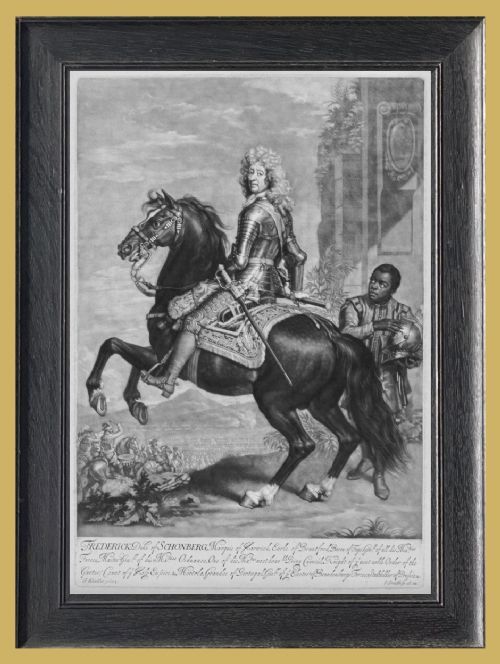
Alongside flat art, the selection extends to related physical objects such as trench art letter openers, pocket watches, and chronographs linked to military service. Buyers frequently encounter eighteenth-century mezzotint engravings after notable painters alongside nineteenth-century French and British portrait oils.
Materials and technique
Printmakers employed copper plates to create mezzotint engravings and ink prints, transferring compositions by artists such as Sir Godfrey Kneller and Sir Joshua Reynolds. Carved wood appears in smaller items like trench art pieces, shaped through hand cutting.
Frames incorporate giltwood and moulded wood, often complementing the period of the artwork contained within. Glass protects delicate works on paper and reverse glass pictures.
Antique Military Art Retail Price Guide 2026
Typical asking prices for military art among the pieces listed under this phrase on Sellingantiques today, from the lower quarter to the upper quarter. They describe what is for sale here now, not the wider market.
A bored prisoner carved a wooden letter opener in Siberia during 1916, leaving a tiny pocket of wartime history behind.
What separates examples
The degree of artistic execution in brushwork, draughtsmanship, and facial characterisation distinguishes standard records from accomplished artistic productions. Works executed by named portraitists or contemporary studio circles carry greater artistic weight than anonymous studio copies.
Condition of the surface material, whether paint, paper, or ink, influences the visual impact of the piece. Intact framing, original stretchers, and clear provenance or sitter identification add historical context to individual works.
Bruce Bairnsfather·John Simon·Michael Dahl·Edward Fisher·Sir Joshua Reynolds·John Smith·J Sommer·Sir Godfrey Kneller·Joseph Sympson·Sir Peter Lely·Stickland Lowry·William Marshall Craig·John Greenhill·Antoine Pesne·Sir John Gilbert·William Carter·Bernard Hailstone·Herskind
The Antique Military Art Glossary
- Mezzotint
- A printmaking process where the copper plate is roughened to achieve rich tonal gradations and dark backgrounds. It was widely used in the eighteenth century for reproducing oil portraits of military figures.
- Trench art
- Objects made by soldiers, prisoners of war, or civilians from conflict-related scrap materials. These pieces include carved wooden items and worked metal.
- Reverse glass painting
- An image painted directly onto the back side of a glass panel to be viewed from the front. This technique protects the pigment from atmospheric dirt and damage.
- Giltwood
- Wood carved and coated with a thin layer of gold leaf or gilt gesso. It is commonly found on antique picture frames.
- Chronograph
- A watch featuring a display that can be started, stopped, and reset to measure elapsed time. Surviving examples date from the early twentieth century onwards.
Antique Military Art: Frequently Asked Questions
What periods do these pieces cover?
The available inventory spans from the seventeenth century through to the mid-twentieth century. Early works include seventeenth-century oils of officers in armour, while later pieces feature twentieth-century wartime sketches and chronographs.
Changes in uniform design and artistic styles reflect the shifting eras, from Baroque portraiture to twentieth-century pastel drawings.
Are the sitters usually identified?
Many portraits name the specific officer, aristocrat, or royal figure depicted either on the canvas, within inscriptions, or through historical records. Examples range from named majors and generals to royal personages.
Unidentified sitters also appear, often categorized by their regiment, uniform details, or the school of art that produced the work.
How should I care for framed works on paper?
Works executed in watercolour, pastel, or ink require protection from direct sunlight to prevent fading of the pigments and paper stock. Stable indoor humidity helps preserve both the paper support and the surrounding frame.
Glazed frames should be checked periodically to ensure seals remain secure against dust and moisture.