

British Military Painting
British military painting records centuries of service through canvas and paper, capturing officers, regiments, and campaigns for collectors.
British Military Painting
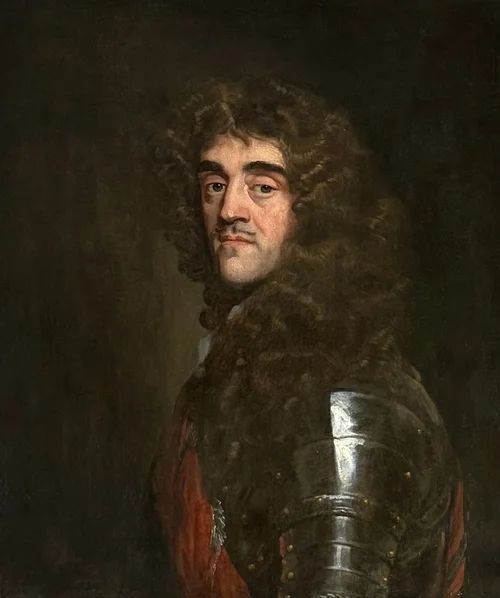
British military painting encompasses portraits, narrative scenes, and campaign records spanning multiple centuries of armed forces history. Works on this page range from grand oil portraits of major-generals to intimate wartime sketches on paper and pastel.
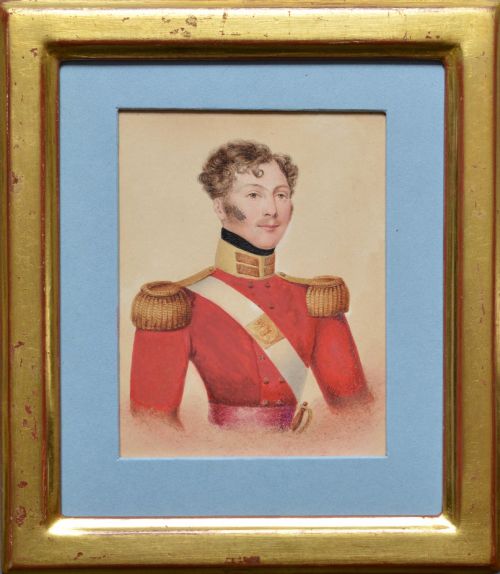
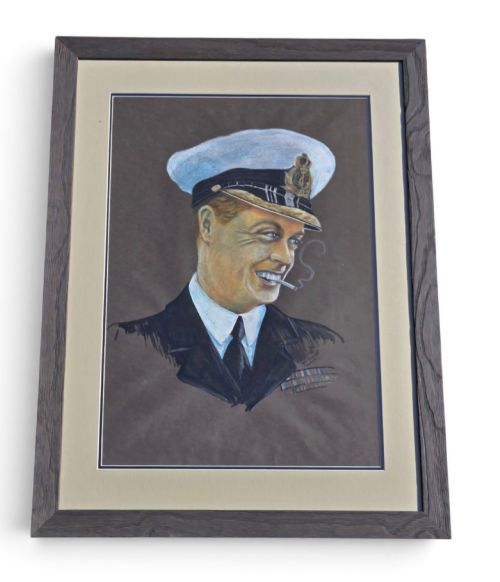
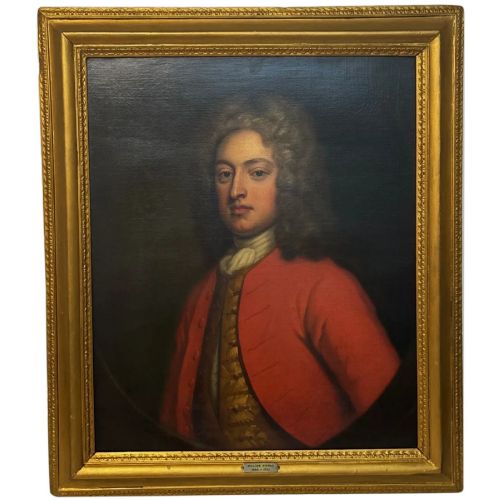
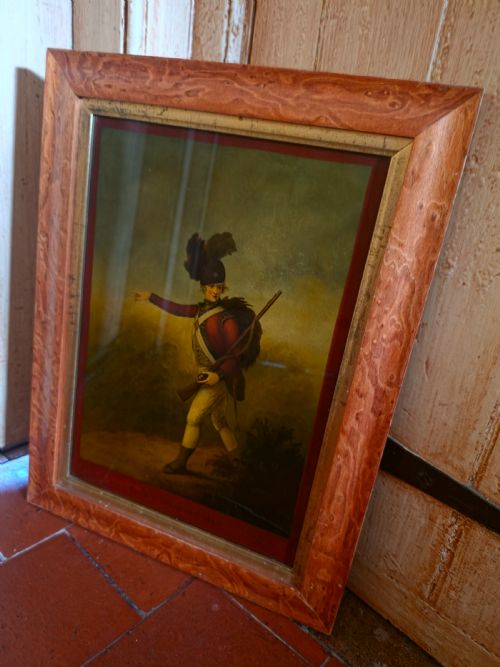
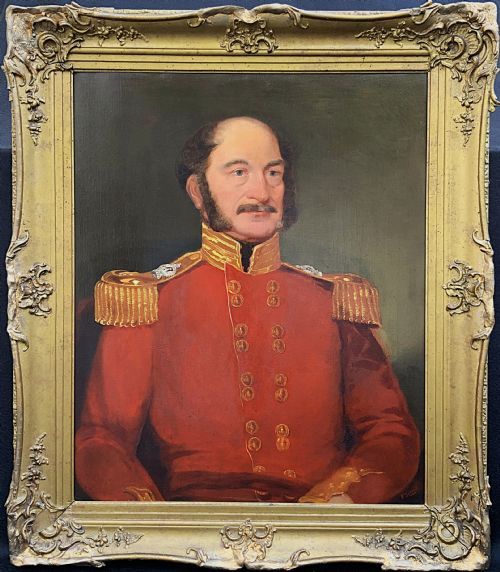
The material record includes oils on canvas, delicate watercolours, reverse glass pictures, and gouache drawings. Buyers frequently encounter nineteenth-century depictions of red coat officers and early twentieth-century illustrations tied to specific conflicts.
Subjects stretch from the eighteenth-century Georgian era through the Victorian period and into the twentieth century. These pieces record regiments, cavalry units, naval officers, and individual soldiers in period uniform.
How They Were Made
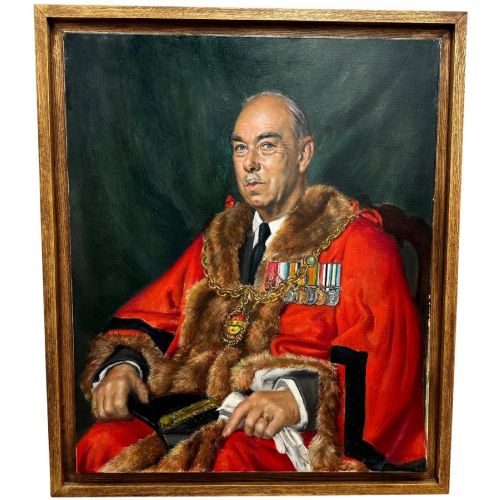
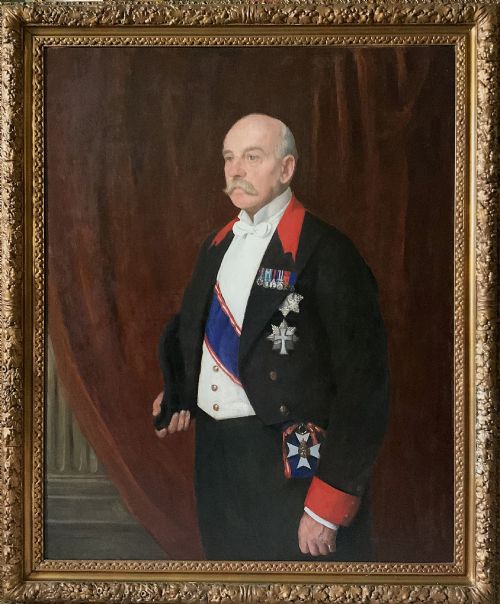
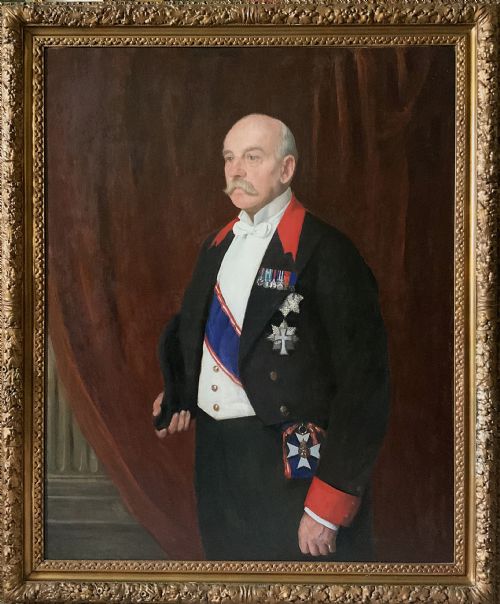
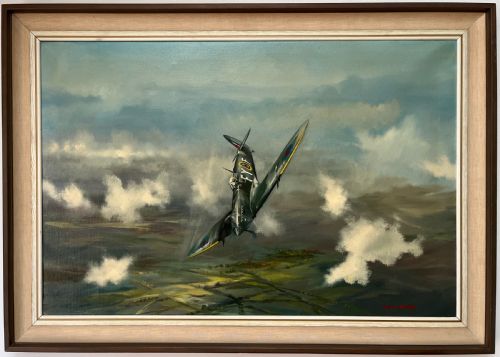
Artists worked primarily in oil on canvas, watercolour, pastel, and gouache, applying pigments to paper, wood, glass, or stretched fabric. Oil paintings utilised traditional layering techniques to capture the fine details of military uniforms, gold braid, and medals.
Works on paper often combined watercolour and wash to achieve rapid portrait sketches in the field or studio. Specialised techniques such as reverse glass painting preserved vibrant pigments behind a protective transparent surface.
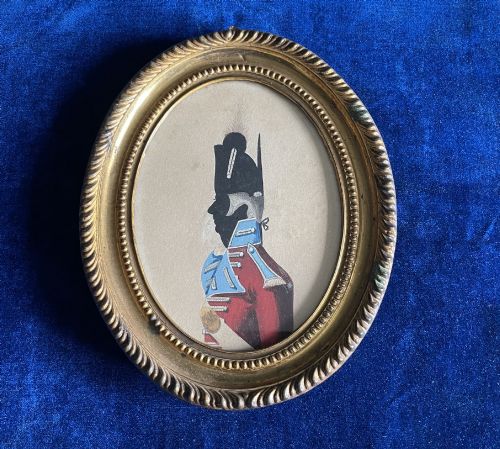
Framing materials varied from simple wooden mounts to elaborate giltwood frames and gold bezels set with pearls for miniature portraits.
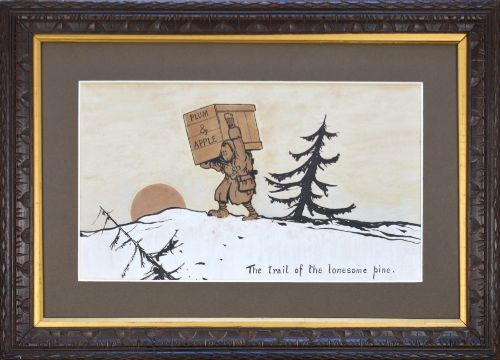
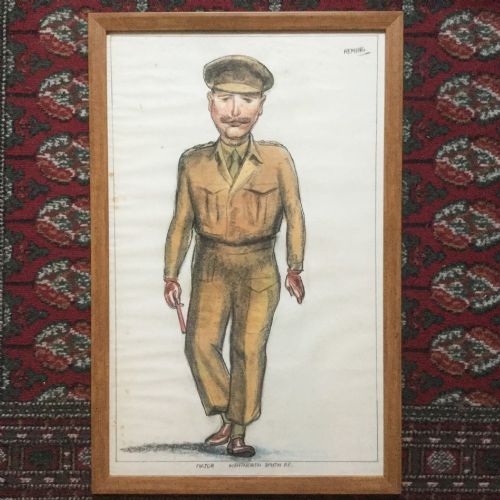
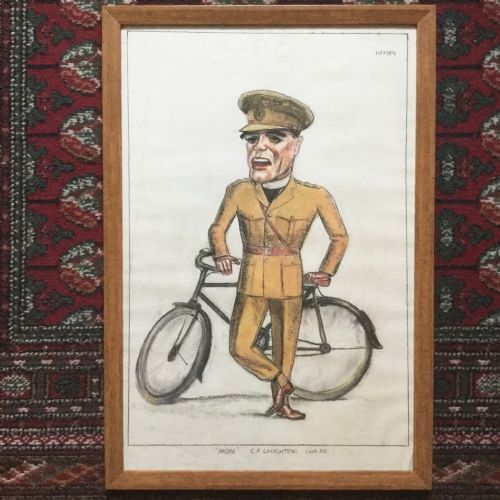
Several soldiers stare out from their frames wearing handmade paper poppies or clutching campaign reports like meticulous officers.
What Varies in Quality
Quality rests upon the artist's ability to render anatomical accuracy, uniform details, and facial expression with conviction. Master works capture the distinct character of the sitter alongside precise regimental insignia.
Condition plays a central role, distinguishing works with preserved original pigments and stable surfaces from those suffering heavy fading, foxing, or canvas relining. Intact period frames and documented sitters elevate the standing of a piece within its category.
Bruce Bairnsfather·Bernard Hailstone·Stickland Lowry·John Greenhill·Dion Pears·Ernest Crofts·Frank Dadd
The British Military Painting Glossary
- Oil on Canvas
- Pigment mixed with drying oil applied to a woven fabric support stretched across a wooden frame. This medium allowed artists to build rich textures and deep tones for formal officer portraits.
- Watercolour
- Pigments suspended in a water-soluble vehicle applied to paper. It was frequently utilised for rapid campaign sketches and detailed regimental studies.
- Gouache
- An opaque water-based medium that provides solid blocks of colour and sharp highlights. Artists combined it with pastel to create textured wartime portraits.
- Reverse Glass Picture
- An artwork painted directly onto the back of a glass panel and viewed from the front. This delicate technique protected the pigments from environmental degradation.
- Portrait Miniature
- A small, highly detailed painting created on materials such as ivory, vellum, or agate. These intimate pieces were often housed in gold lockets or frames.
British Military Painting: Frequently Asked Questions
How do I date a military painting?
Dating relies primarily on the uniform style, regimental insignia, and weapon types depicted within the composition. Artists often signed and dated the canvas or paper directly.
Secondary clues include the framing materials, stretcher construction, and the paper or canvas preparation used during the period.
What is a red coat officer?
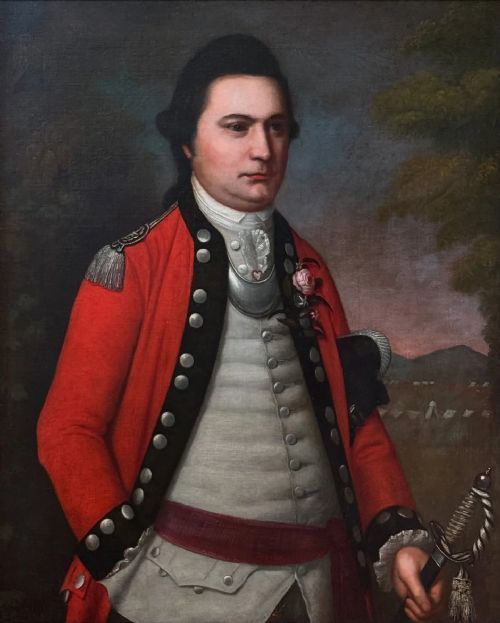
The term refers to British military personnel wearing the iconic red wool tunic that served as the standard uniform for infantry and staff officers across numerous campaigns. These depictions are particularly common in eighteenth and nineteenth-century works.
Artists used these vibrant red uniforms to create striking focal points within formal portraits and battle scenes.
How should I display these paintings?
Display works away from direct sunlight and sources of extreme heat to protect sensitive watercolours, pastels, and canvas pigments from fading. Stable indoor humidity prevents wood panels and giltwood frames from warping.
Ensure that pieces are hung securely using appropriate hardware suited to the weight of the frame and glass.
Are miniature portraits authentic?
Authenticity is assessed by examining the fineness of the brushwork, the ground material, and the housing or bezel construction. Georgian and Victorian miniatures typically feature hand-painted details requiring magnification to fully appreciate.
Historical records, inscriptions on the reverse, and period hallmarks on gold frames provide further verification.