

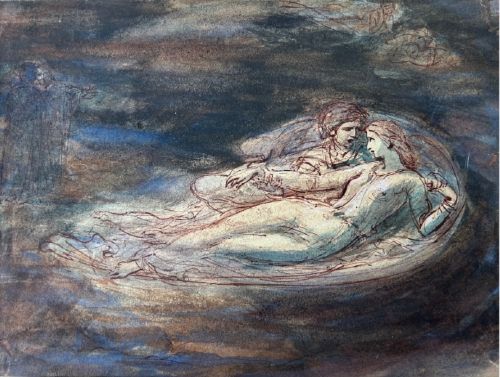


Sepia Watercolour Illustration
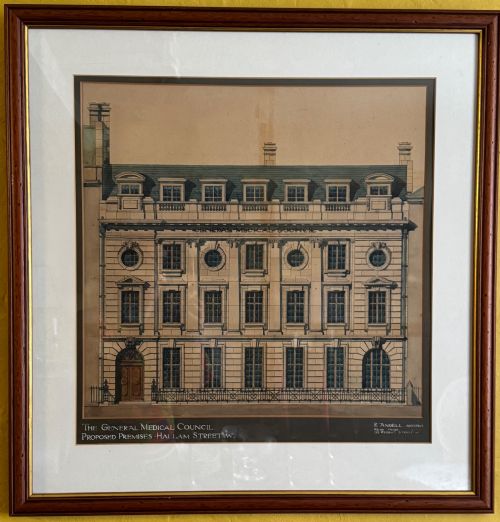
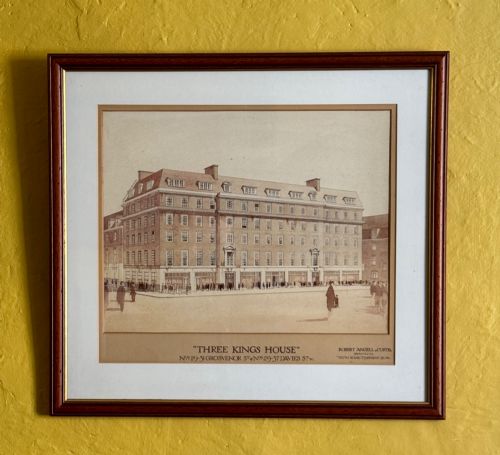
These sepia watercolour illustration works capture tonal depth through monochrome washes and ink lines, offering a glimpse into historic scenes from the nineteenth and twentieth centuries.
Sepia Watercolour Illustration
A sepia watercolour illustration relies on restrained brownish monochrome tones to build atmosphere and narrative detail, often combining ink or pencil lines with fluid washes. When you explore this selection, you encounter works spanning the nineteenth and twentieth centuries, including architectural studies, military subjects, and literary scenes.
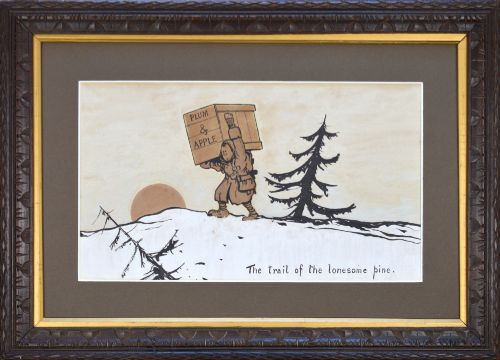
The pieces on this page encompass various forms such as framed original drawings, townscapes, and advertisement artwork from periods like the Edwardian era, the nineteen-forties, and Victorian times. These works range from precise topographical records to expressive artistic sketches created by named artists and anonymous hands alike.
Many examples demonstrate how artists utilised monochrome palettes to focus attention on light, shadow, and line rather than distracting colour. Collectors appreciate these works for their direct link to the draughtsman's initial vision and their historical resonance.
Quality factors in monochrome works
The standard of a sepia watercolour illustration depends upon the sureness of the draughtsmanship and the control of the wash. Strong compositions with confident ink lines and subtle tonal shifts stand apart from hesitant or overly mechanical drawings.
Condition and provenance also shape the character of each piece. Intact paper surfaces, minimal fading, and clear associations with known artists or specific historical contexts elevate the significance of an artwork within a collection.
Sepia Watercolour Illustration Retail Price Guide 2026
Typical asking prices for sepia watercolour illustration among the pieces listed under this phrase on Sellingantiques today, from the lower quarter to the upper quarter. They describe what is for sale here now, not the wider market.
Several drawings preserve the hurried ink strokes of artists recording military life or drafting advertisements for grand London department stores.
Bruce Bairnsfather·J W Hogley·Thomas Rowlandson·Fred Lawson·George De Paris
The Sepia Watercolour Illustration Glossary
- Sepia
- A brownish pigment originally derived from the ink sac of the cuttlefish, widely used for monochrome drawings and watercolours. It provides a warm, stable tone that resists fading.
- Wash
- A thin, fluid layer of watercolour or ink spread evenly across paper to create background tones or shadow. Artists control the water ratio to achieve varying degrees of transparency.
- Ink and wash
- A mixed technique combining precise linear drawing in ink with transparent washes of diluted pigment. This method allows for both sharp detail and soft atmospheric shading.
- Pre-Raphaelite
- A nineteenth-century artistic style associated with detailed observation, vibrant nature studies, and literary or medieval themes. Works in this vein often emphasise intense realism and narrative depth.
Sepia Watercolour Illustration: Frequently Asked Questions
How should I display sepia watercolour illustration pieces?
These works on paper require careful placement away from direct sunlight to prevent the sepia pigments and paper supports from fading over time.
Utilising conservation-grade framing with UV-protective glass helps preserve the delicate ink and watercolour details in domestic environments.
What subjects appear in these historical drawings?
The available selection includes architectural studies, military scenes, literary interpretations, and topographical townscapes from the nineteenth and twentieth centuries.
Many pieces document specific locations or events, offering a tangible window into past architectural and social environments.
How do I identify the period of an artwork?
Dating relies on stylistic clues within the drawing, costume details, paper types, and occasional artist signatures or dated inscriptions.
Comparing the technique and subject matter to known historical periods helps narrow down the likely decade of creation.
Are these works original or printed reproductions?
The listings comprise original paintings, drawings, and sketches executed directly by hand upon paper supports.
Close examination under magnification typically reveals the brushstrokes, ink pooling, and pencil underdrawing characteristic of unique handmade art.