




General Officer Oil Painting
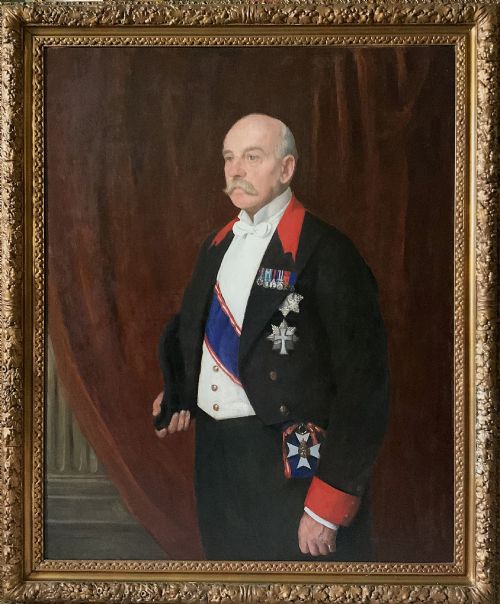
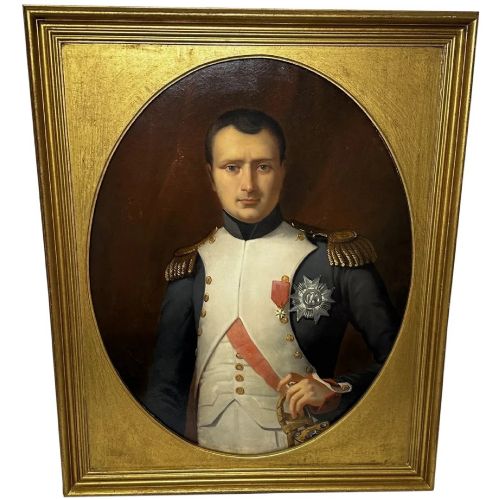
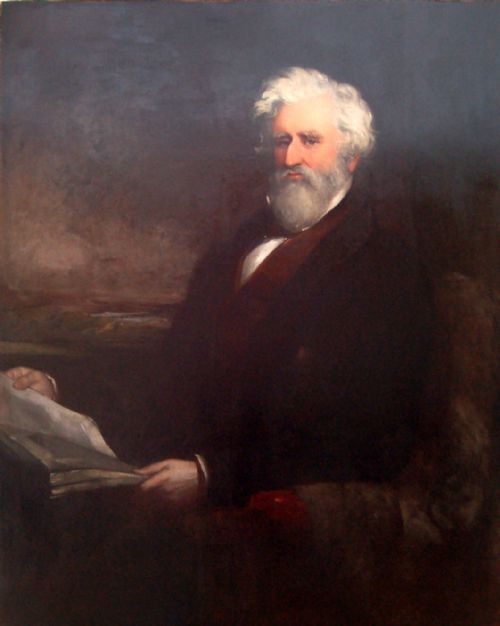
A general officer oil painting captures senior military leadership on canvas, offering a striking portrait of historical authority and service.
General Officer Oil Painting
A general officer oil painting depicts prominent military figures, including major-generals, lieutenant-generals, and famous commanders from various international conflicts and eras. These works serve as formal historical records, often commemorating the specific service, rank, and achievements of high-ranking personnel.
The pieces available span multiple centuries and artistic traditions, featuring works from the 18th century, 19th century, Edwardian period, and mid-20th century. Buyers frequently encounter formal portraits created within British, French, and broader European schools of painting.
Subjects range from named historical individuals, such as Major-General Sir Stanley Clarke or General Charles de Gaulle, to anonymous officers of royal regiments. These artworks typically present the sitter in full uniform, emphasising their status through traditional portraiture conventions.
Assessing Artistic Merit and Execution
Quality in these portraits rests upon the skill of the artist in rendering realistic proportions, psychological depth, and the intricate details of military regalia. Works attributed to documented academic painters or recognised schools typically display superior brushwork and anatomical precision compared to more rudimentary folk or provincial efforts.
The preservation of the original oil on canvas surface and the authenticity of the accompanying gilded wood or giltwood frame heavily influence the overall integrity of the piece. Superior examples maintain stable paint layers without extensive overpainting, retaining the original character intended by the painter.
Generals often insisted on standing slightly closer to the imaginary battlefield horizon so their buttons caught the best studio light.
George Frederic Watts·Henry Walton·Henry Hoppner Meyer·Ruth Cecil Latter·George Duncan Beechey
The General Officer Oil Painting Glossary
- Oil on Canvas
- A traditional painting medium where oil-based pigments are applied to a stretched woven fabric support. This combination provides a flexible and durable surface that holds rich textures over centuries.
- Giltwood
- Wood that has been coated with a thin layer of gold leaf or gold paint. It is commonly found on the ornate frames associated with formal portraiture.
- Portraiture
- The art of representing a specific human subject, capturing likeness and personality through visual media. In military contexts, it emphasises rank, duty, and official status.
- French School
- A term denoting artists trained or working within the stylistic traditions of France. These works often reflect the prevailing academic standards of their respective periods.
General Officer Oil Painting: Frequently Asked Questions
How do I identify the rank in a portrait?
Military rank is typically indicated by specific uniform details, insignia, epaulettes, and medals depicted on the subject's attire. Contemporary records or inscriptions on the canvas often provide the exact identity and title of the general officer.
Researching the historical regiment associated with the uniform helps confirm the sitter's specific position within the armed forces during their period of service.
Where should I hang a large portrait?
Large-scale oil paintings require substantial wall space with stable environmental conditions, away from direct sunlight and excessive moisture. Placing them in rooms with adequate ceiling height allows the heavy gilded frames to anchor the visual weight of the artwork.
Ensure the wall structure can support the combined weight of the canvas and its substantial wooden or giltwood frame before installation.
What periods are most common?
The selections frequently feature pieces originating from the eighteenth and nineteenth centuries, alongside early twentieth-century examples up to the nineteen-fifties. These eras encompass significant military conflicts and shifts in portrait painting styles.
Victorian and Edwardian works appear alongside earlier Georgian pieces, reflecting the continuous tradition of commissioning senior officer portraits.
How should I clean the canvas?
Surface dust should be gently removed from the oil on canvas surface using a soft, dry artist brush without applying pressure. Professional conservators should handle any chemical cleaning, varnish removal, or structural repairs to prevent permanent damage to the pigment.
Avoid using water, household cleaners, or damp cloths on historical oil paintings and their delicate giltwood frames.