

18th Century Portrait Engraving
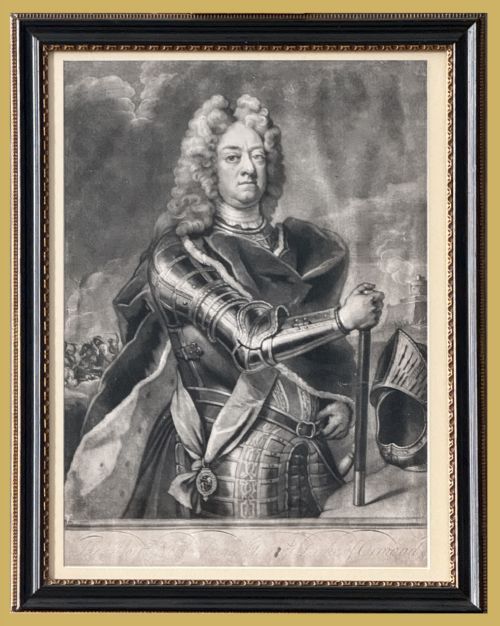
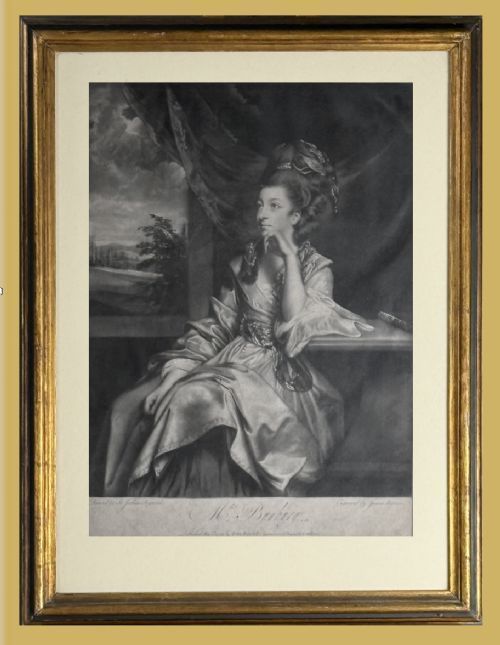
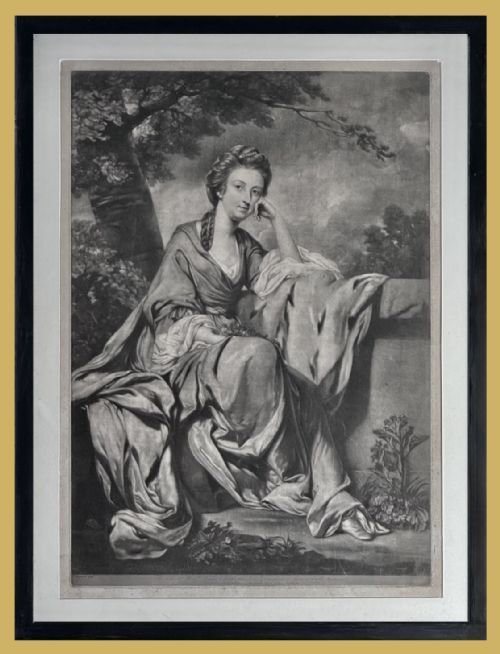
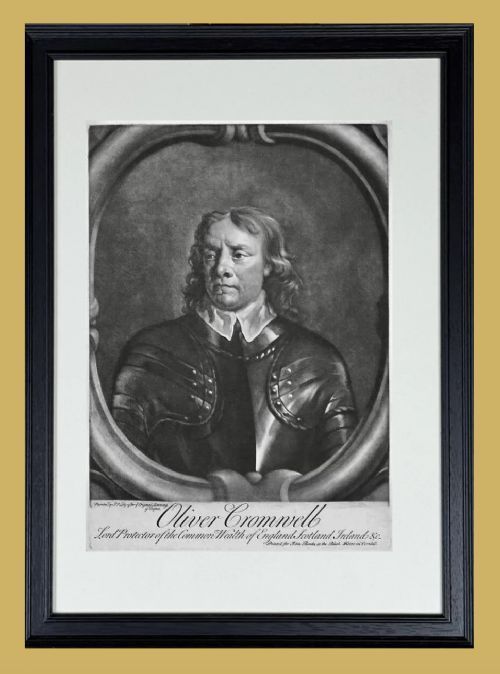
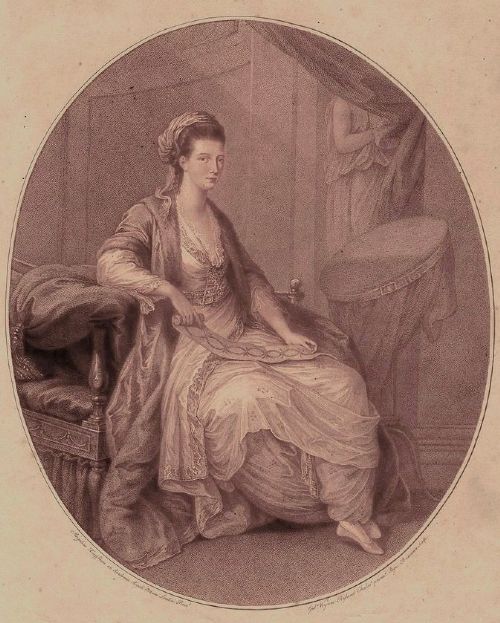
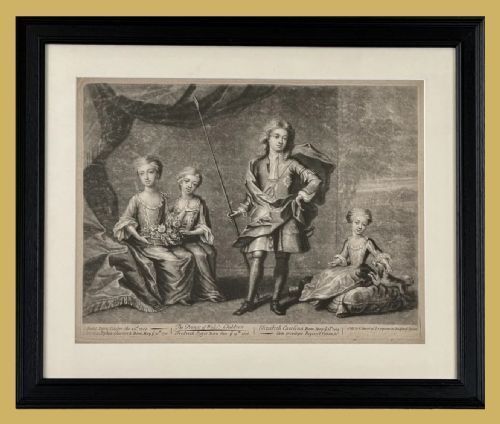
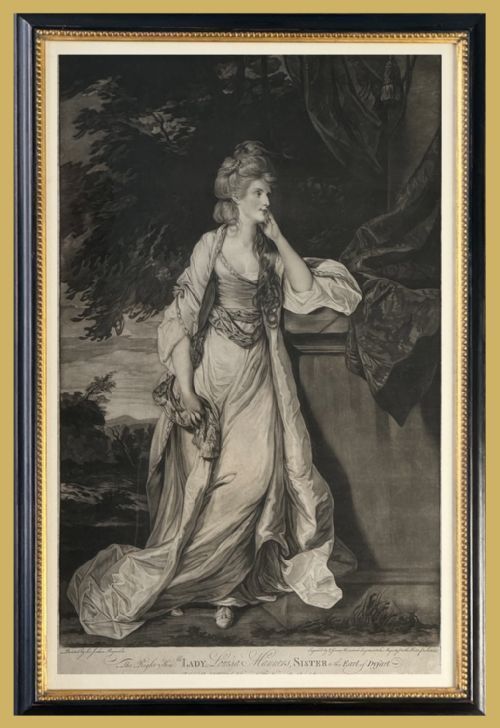
When you search for an 18th century portrait engraving, you encounter the rendered likenesses of nobility, royalty, and historical figures captured in ink on paper.
18th Century Portrait Engraving
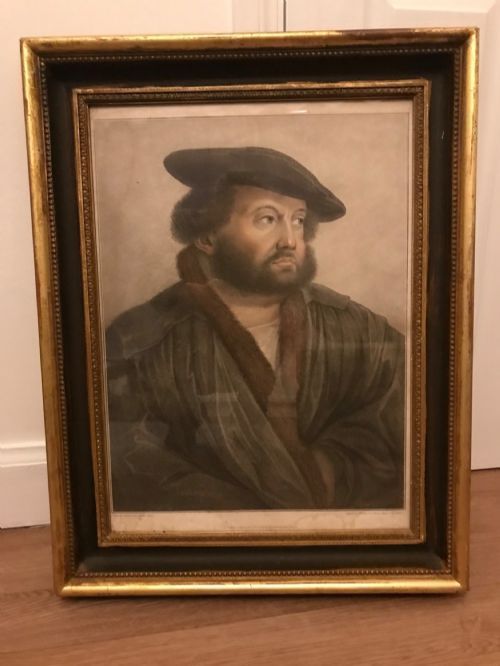
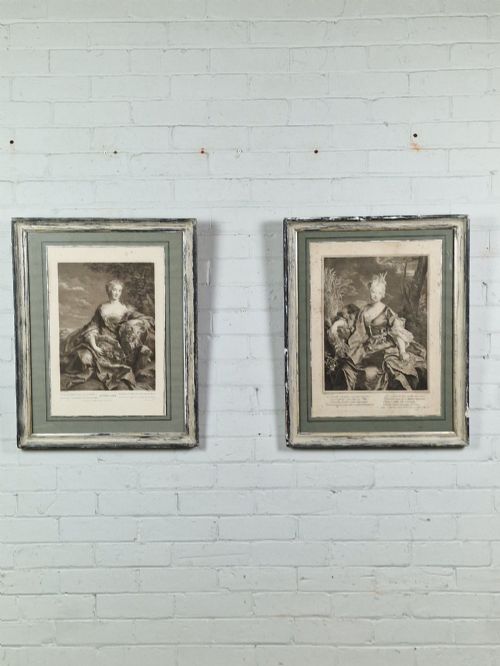
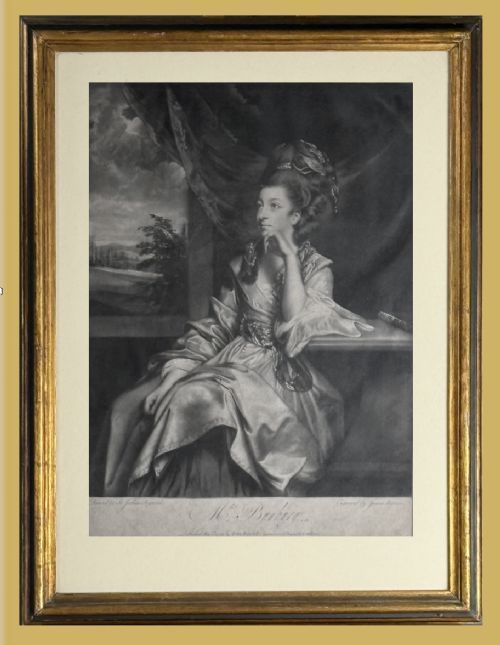
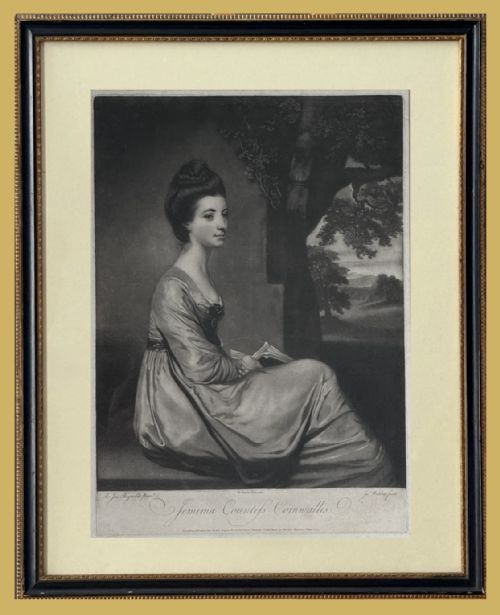
An 18th century portrait engraving represents a tradition of printmaking that documented notable figures, royals, and society members across Georgian Britain and Europe.
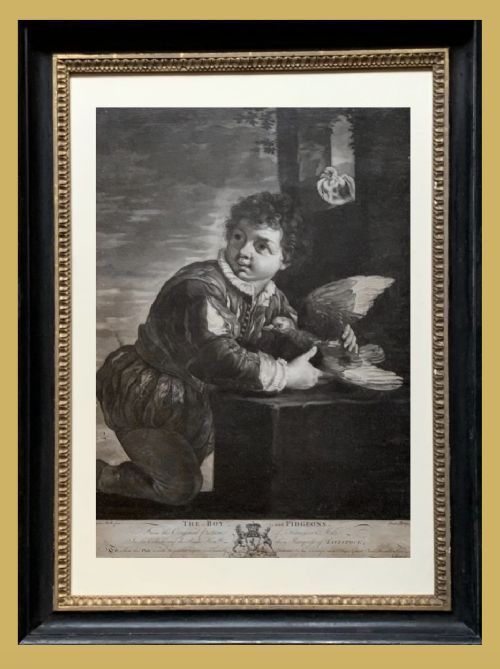
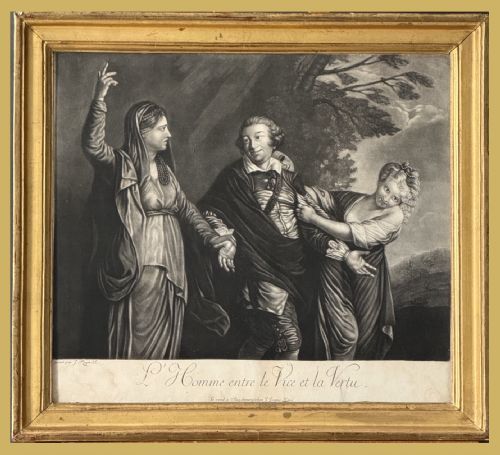
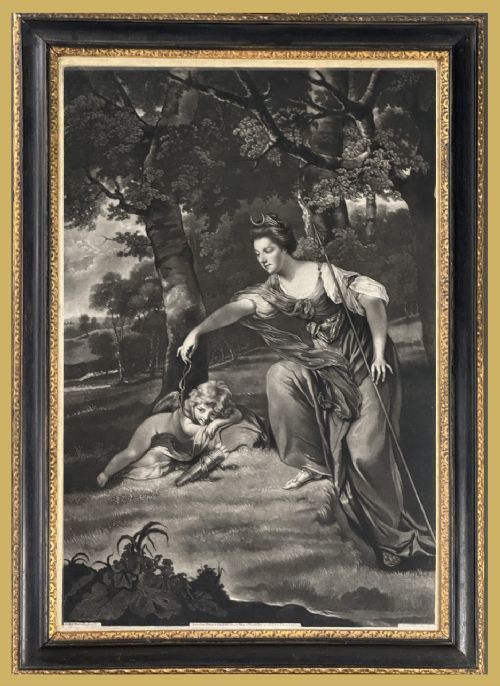
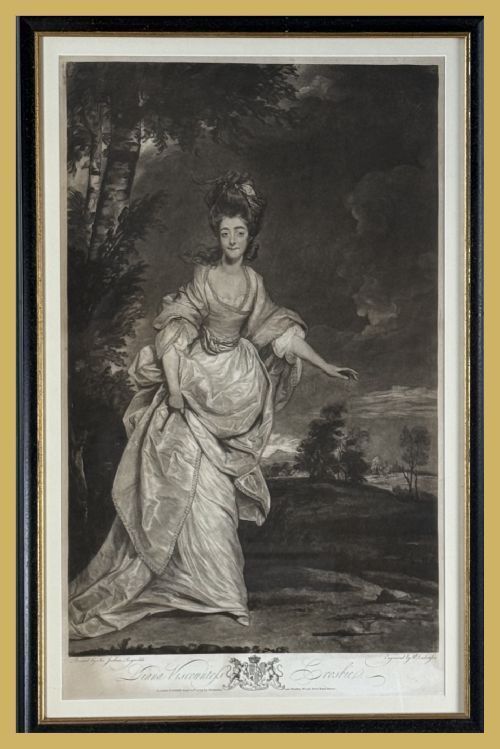
The selections on this page span diverse iterations, including mezzotints, stipple engravings, and line engravings housed in period frames.
Works originate from various periods including the Georgian and Regency eras, reflecting the distinct aesthetic sensibilities of their time.
Materials and Techniques
Makers utilised ink applied to paper surfaces, often executed through techniques such as mezzotint and stipple engraving.
Finished prints were frequently mounted behind glass and housed within wooden frames, occasionally incorporating gold leaf, gilt, or giltwood.
Even historical ducks and pigeons occasionally share print space with nobility.
Assessing Quality
The clarity of the impression on the paper distinguishes superior examples from worn plates.
The preservation of the original framing, such as period wood and gilt surrounds, influences the integrity of the piece.
John Simon·John Boydell·James Watson·Edward Fisher·Francesco Bartolozzi·John Smith·John Bowles·Valentine Green·Jiohan Elis Haid·W Dickinson·John Faber Snr·Purcell·James McArdell·Thomas Frye·Richard Purcell·James Heath·Thomas Watson·Jacobus Howbraken·Richard Houston·James Ward·Robert Sayer
The 18th Century Portrait Engraving Glossary
- Mezzotint
- A printmaking process where the copper plate is roughened to achieve rich tonal gradations and dark backgrounds. This technique allowed for subtle shifts in light and shadow.
- Stipple engraving
- A method of dotting the copper plate to form the image rather than cutting continuous lines. It creates a soft, painterly effect well suited for flesh tones.
- Line engraving
- A technique using a sharp tool called a burin to cut direct lines into a metal plate. It produces precise, clean details.
- Giltwood
- Wood carved and coated with gold leaf or a gold-coloured finish. It frequently appears on period frames.
- Regency
- A British period spanning the early nineteenth century characterised by classical elegance and distinct framing styles.
18th Century Portrait Engraving: Frequently Asked Questions
What is an 18th century portrait engraving?
These pieces are printed likenesses produced from metal plates during the seventeen hundreds, capturing the faces of prominent historical figures, royalty, and society members.
They serve as historical documents and works of graphic art, translating painted portraits into printed mediums for wider distribution.
How were these portrait engravings displayed?
In their own time, these prints were framed in wood, often featuring gilt or Hogarth styles, and hung in domestic interiors as wall art.
Many survive within their original framing materials, providing a complete historical object for contemporary display.
How do I identify a mezzotint?
A mezzotint is distinguished by its velvety dark background and smooth tonal gradations rather than harsh lines.
The technique creates deep shadows and gentle highlights that give the portraits a painterly depth.
What is the difference between stipple and line engraving?
Stipple engraving uses a dense pattern of dots to build up the image, creating soft contours suitable for faces.
Line engraving relies on sharp, incised grooves cut directly into the metal plate to form crisp, definite outlines.