

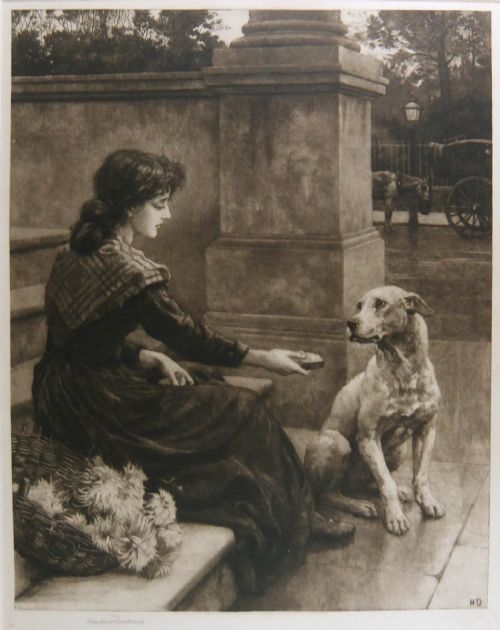
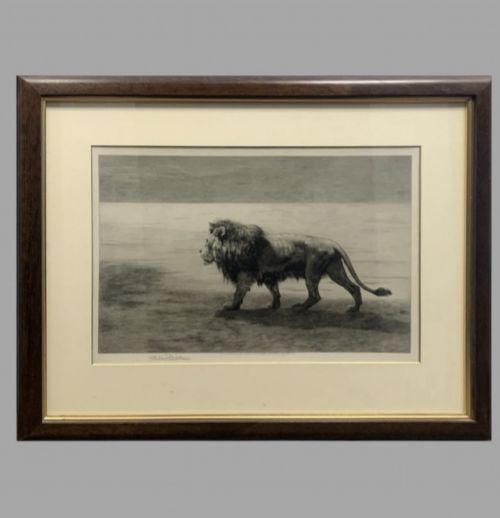
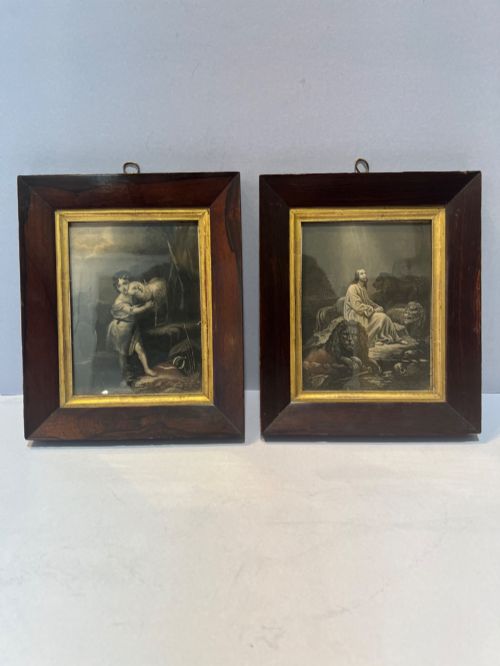


Framed Victorian Etching
A framed victorian etching brings linear detail and period atmosphere to a wall, combining works on paper with historic timber and glass.
Framed Victorian Etching
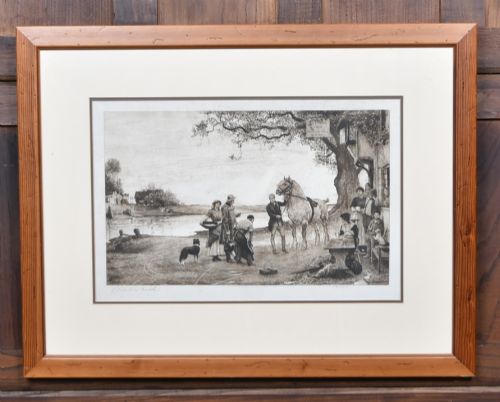
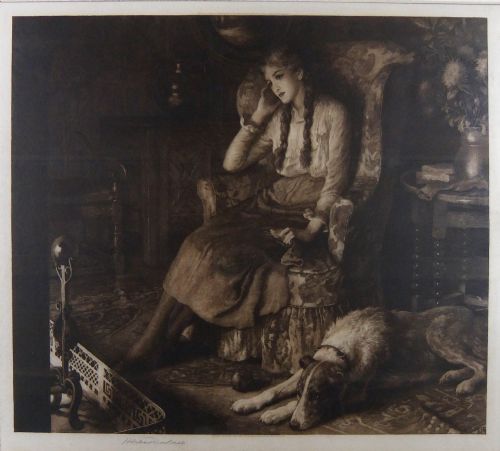
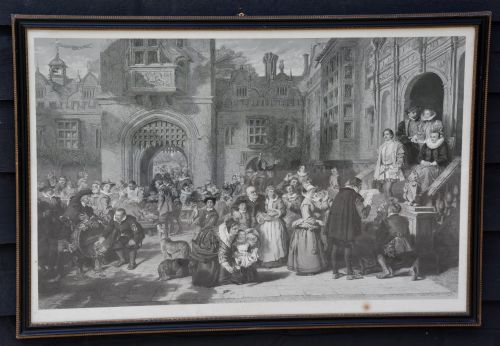
A framed victorian etching encompasses works on paper alongside related prints, engravings, and mirrors with acid-etched decoration from the nineteenth century and the early twentieth century. Buyers seeking this category encounter rural scenes, animal studies, portraits, and architectural subjects issued across the Victorian and Edwardian periods.
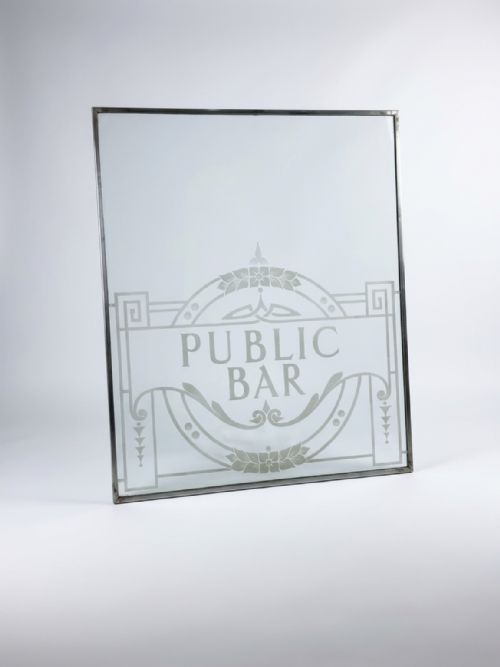
The selection ranges from intimate animal studies and literary subjects to large decorative pub windows and overmantle mirrors featuring acid-etched glass. Most examples date from the nineteenth century into the early decades of the twentieth century, presenting varied subjects through traditional printmaking and glass techniques.
How They Were Made
Makers produced these pieces using ink on paper, vellum, and mirror glass, set within frames constructed from oak, ebonised wood, and gold leaf. Etchings relied on acid biting into metal plates before printing, while glass pieces utilised acid-etching, cutting, and reverse painting directly onto the mirror plate.
Framing materials provided structural support and protection using glass and wood. Makers finished surrounds with gilt leaf, ebonisation, or plain timber mouldings to suit domestic and commercial interiors of the period.
Periods represented span across the Victorian, Edwardian, and early twentieth-century eras, from eighteen-sixty to nineteen-twenty.
What Varies in Quality
Quality rests in the precision of the plate work, the clarity of the printed impression, and the preservation of the paper or glass surface. Signed artists' proofs and detailed drypoint etchings demonstrate finer handling than commercial reproductions.
The integrity of the original frame, whether Hogarth moulding, gilt overmantle, or oak surround, influences the overall character. Intricate glass cutting, ruby red borders, and well-preserved gilding separate standard decorative items from superior examples.
Herbert Dicksee·Robert W. Macbeth·Gustave Doré·Adolphe Pannemaker·W. Roffe·James Dobie·R.P. Phillimore·John Curtis·David Wilkie
The Framed Victorian Etching Glossary
- Etching
- A printmaking method where acid bites lines into a metal plate to hold ink. This technique allows for fine, fluid lines characteristic of nineteenth-century works.
- Drypoint
- A printmaking process where an artist scratches directly into a metal plate with a sharp needle. This method creates a rich, velvety burr that holds ink for distinctive impressions.
- Artists Proof
- An early impression printed for the artist before the main edition. These proofs often carry signatures and show exceptional detail.
- Vellum
- A fine parchment prepared from calfskin used as a durable printing surface. It provides a smooth, creamy background for detailed ink work.
- Hogarth Frame
- A distinctive narrow wooden picture frame with a rounded profile, often finished in black with a gold inner slip. These frames became popular for historic prints.
Framed Victorian Etching: Frequently Asked Questions
What is a framed victorian etching?
A framed victorian etching is a historic print created from an acid-bitten metal plate, preserved behind glass within a period wooden or gilt frame. These works capture the artistic styles and subjects popular during the nineteenth century.
Subjects range from animal studies and rural landscapes to narrative scenes and portraits. The framing often reflects the original period aesthetic using oak, ebonised wood, or gold leaf.
How do I care for these prints?
Protect the paper and ink by hanging the piece away from direct sunlight and maintaining stable indoor humidity. Ultraviolet light can fade the ink and discolour the paper over time.
Keep the original glass clean using a soft cloth sprayed with a mild cleaner, taking care not to let moisture seep beneath the rebate of the frame.
What is the difference between an etching and an engraving?
An etching relies on acid to bite the lines into a metal plate, producing fluid and painterly strokes. An engraving uses a sharp tool called a burin to cut lines directly into the metal.
Engravings typically display crisp, precise lines with uniform depth, whereas etchings offer softer tonal variations and varied line weights.
Are these pieces original period works?
The listings include original nineteenth-century and early twentieth-century print productions, alongside related etched glass mirrors from the same eras. Each piece reflects the techniques and materials of its specific decade of origin.
Signatures, plates, and framing materials help identify the period and distinguish original impressions from later reproductions.