




Late Victorian Artwork
Late victorian artwork brings nineteenth-century British scenes and character studies into focus through watercolours, oils, and early prints.

Late Victorian Artwork
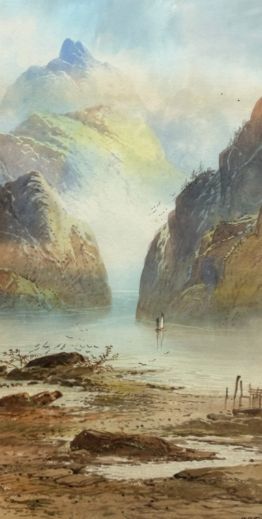
Late victorian artwork encompasses oil paintings, watercolours, charcoal sketches, and period prints created near the turn of the nineteenth century. These pieces record British coastal views, Scottish landscapes, rural river scenes, and intimate character portraits.
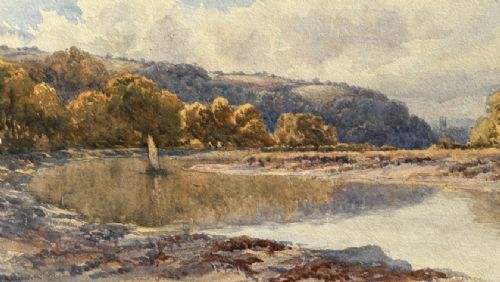
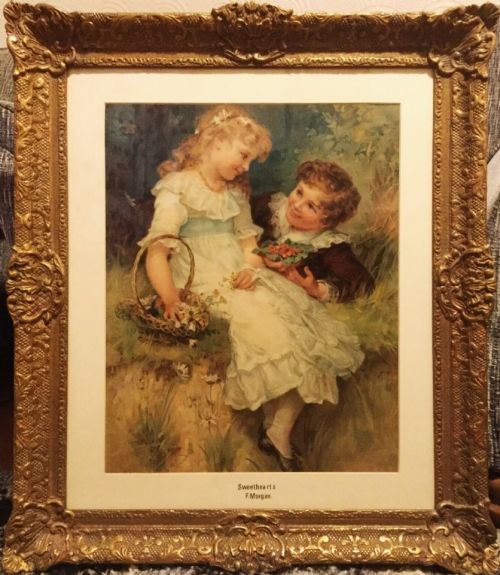
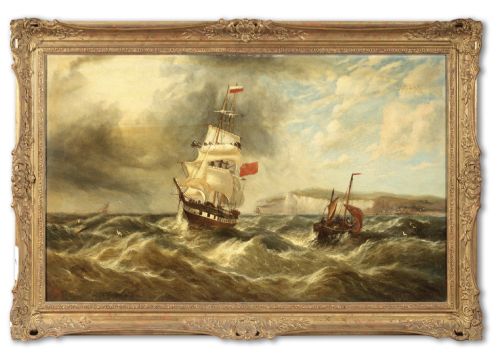
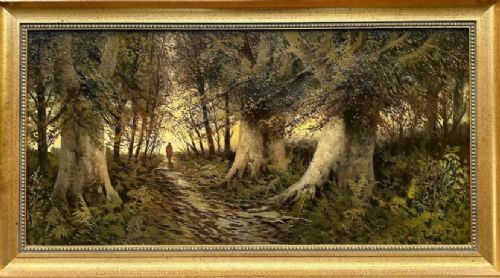
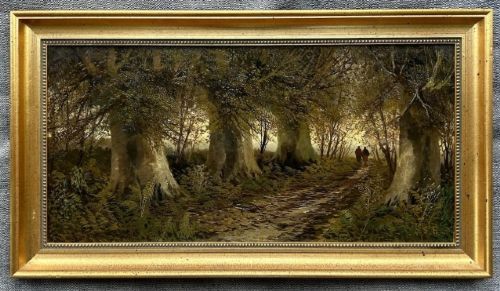
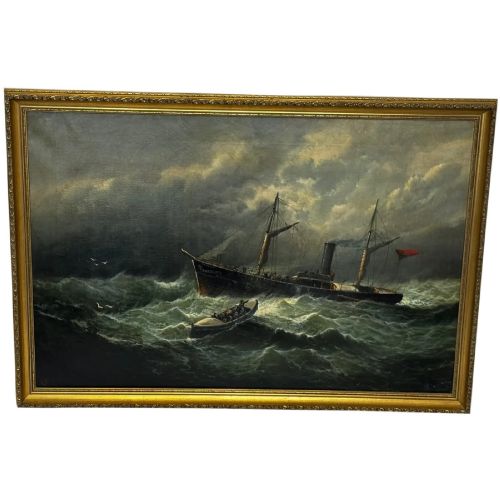
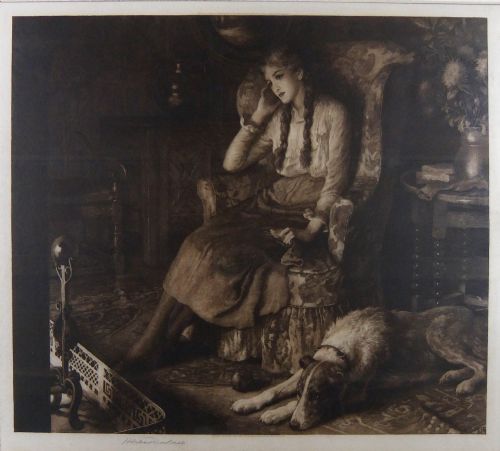
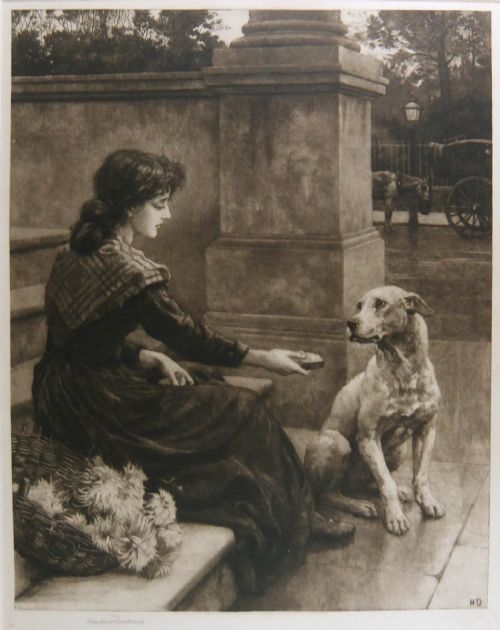
Watercolours and oil paintings dominate the selection, often signed by British artists of the period. Coastal views of fishing boats and tranquil woodland scenes appear frequently alongside framed advertising prints and photogravures.
Materials and construction
Artists of this period applied oil paint to stretched canvas, wooden panels, and card, building rich textures for landscape and maritime subjects. Watercolours utilised paper supports, sometimes combined with pencil or charcoal to define architectural and figurative details.
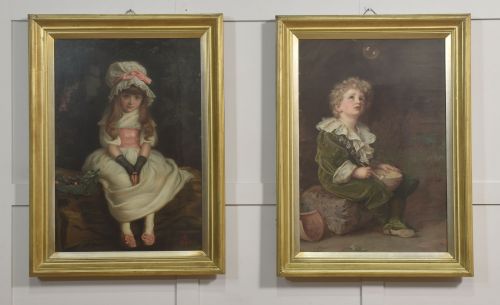
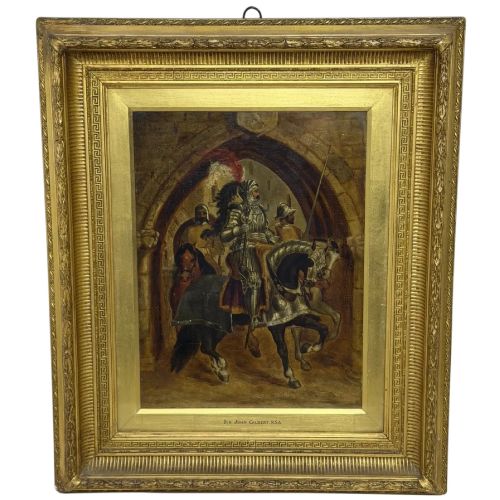
Many works retain their original gilt wood frames, which complement the darker palettes and tonal shifts characteristic of late nineteenth-century painting and printmaking.
Listings feature paper, canvas, and wood panels carrying oil, watercolour, and charcoal mediums from the nineteenth and early twentieth centuries.
Distinctions in quality
Quality rests upon the sureness of the hand and the sensitivity of the tonal balance across the canvas or paper. Masterly brushwork and careful observation distinguish accomplished studio pieces from simpler folk art or student copies.
The preservation of the medium, whether oil pigment or delicate watercolour, affects the visual impact. Strong provenance and a legible signature by a recorded artist elevate a piece above anonymous examples.
James Orrock·William Henry Earp·Alfred Young Nutt·Frederick Marriott·Henry Stacy Marks·Frederick Morgans·William Banks Fortescue·John Rose Miles·Thomas W Lascelles·William Broome·Herbert Dicksee·Sir John Gilbert·Herbert Gustave Schmaltz·E Brown·Greiffenhagen·Emily Eyres·John Moxon·William George Tennick·Philip Richard Morris·Robert Little·Harry Wanless·Arthur Herbert Rigg·Thomas Bromley Blacklock·Manet·Robert John Hammond
The Late Victorian Artwork Glossary
- Watercolour
- A painting method where fine pigments are suspended in a water-soluble binder and applied to paper. This technique yields transparent washes and delicate light effects.
- Oil paint
- A slow-drying medium consisting of pigments suspended in a drying oil, typically linseed. It allows for deep colour saturation and textured impasto surfaces.
- Photogravure
- A photographic printing process that produces a high-quality intaglio print with continuous tones. It was frequently utilised for reproducing fine art and portraits in the late nineteenth century.
- Gilt wood
- Wood carved and coated with a thin layer of gold leaf or metallic gilt paint. Such framing enhances nineteenth-century paintings and works on paper.
- Etching
- A printmaking technique where lines are bitten into a metal plate with acid before ink is applied. This process captures fine, linear detail in printed works.
Late Victorian Artwork: Frequently Asked Questions
What subjects appear in late nineteenth-century paintings?
Artists focused heavily on the natural world, recording Scottish highlands, coastal shipping, and quiet English rivers. Rural agriculture and traditional pastoral scenes also inspired numerous canvases.
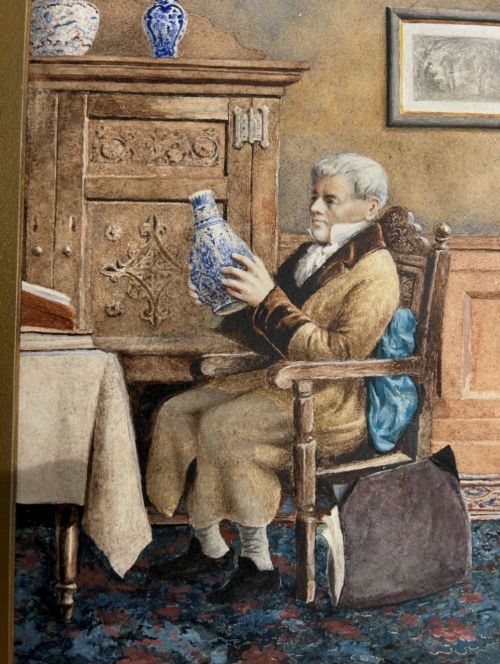
Portraiture forms another significant group, ranging from formal character studies to naive depictions of animals and children. These subjects reflect the domestic and maritime interests of the period.
How should framed watercolours be displayed?
Watercolours require protection from direct sunlight to prevent the fading of delicate pigments on paper. Glass must not touch the painted surface directly, so mounts are essential to maintain an air gap.
Stable indoor humidity levels help preserve both the paper support and the antique gilt wood frame. Hanging pieces away from heat sources prevents warping and paper embrittlement.
Are these works signed by the artists?
Many paintings and watercolours feature artist signatures, monograms, or studio attributions inscribed directly onto the canvas or paper. Signatures provide a direct link to the painter and help researchers trace exhibition records.
Anonymous pieces also appear, often attributed to regional British schools or followers of prominent nineteenth-century painters rather than a named master.
What distinguishes an oil painting from a watercolour?
Oil paintings utilise viscous pigments applied to canvas or wood panels, allowing for thick impasto and deep, layered colours. They possess a robust surface that historically required less immediate glass protection.
Watercolours rely on transparent pigment washes on paper supports, creating a luminous and immediate effect. These works are traditionally framed behind glass with matting to separate the paper from the glazing.