


Antique Dog Art Print
These antique dog art print selections capture canine character across centuries through etchings, oils, and watercolours.
Antique Dog Art Print
An antique dog art print brings historical canine subjects into domestic spaces through various graphic and painterly formats. When searching for this phrase, buyers encounter original etchings, chromolithographs, and engravings alongside unique oil paintings and watercolours.
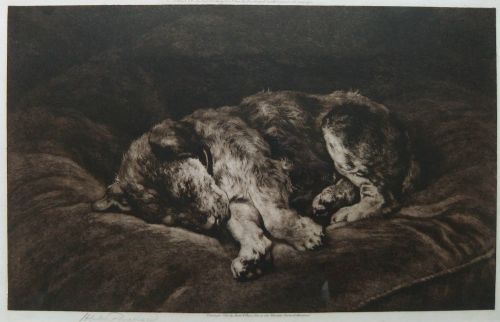
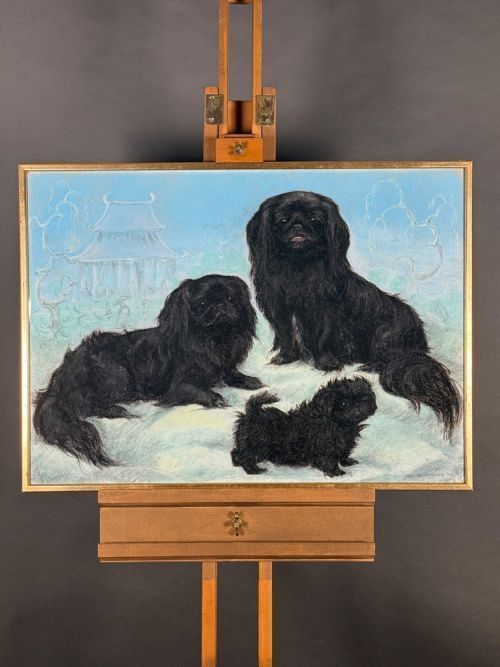
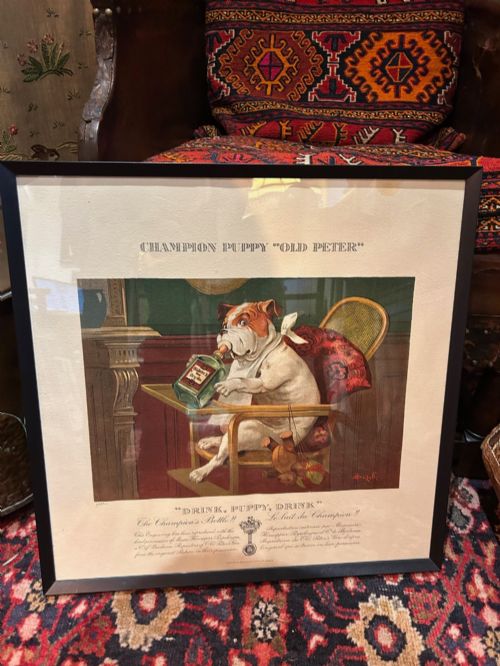
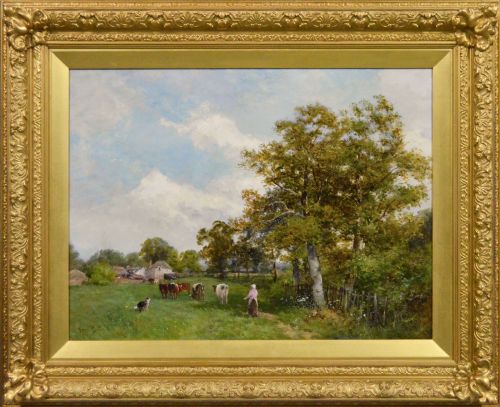
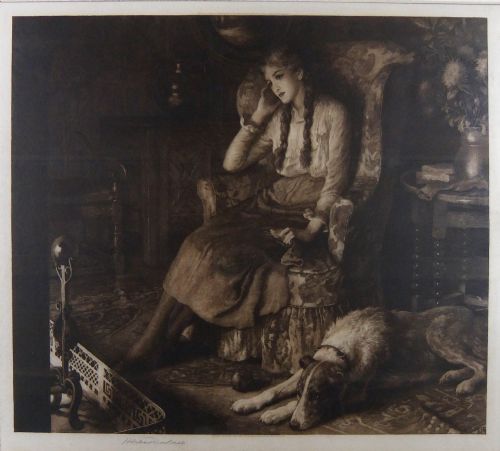
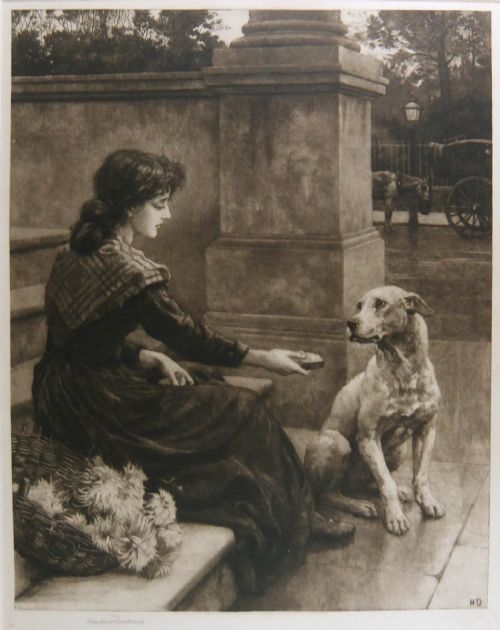
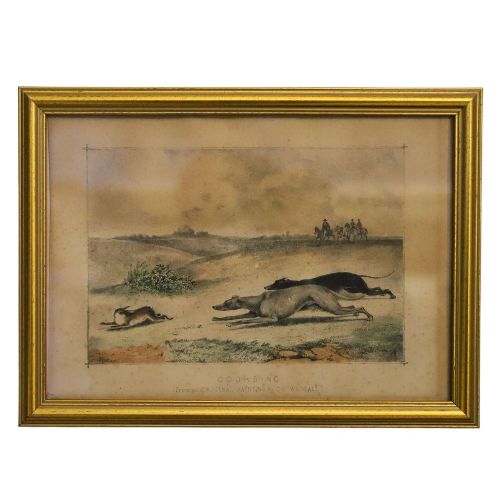
The selection ranges from Victorian sporting art and pastoral scenes to early twentieth-century realist portrayals. Subjects span field sports with greyhounds and pointers to intimate studies of bulldogs, spaniels, and Pekingese.
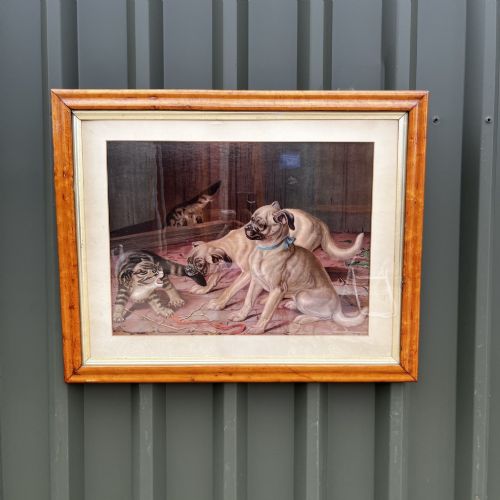
Framed prints and individual sheets dominate the selection, often preserved behind glass within wooden or gilded frames. These works bridge naturalist observation and decorative charm from the nineteenth and early twentieth centuries.
How they were made
Works on paper rely on traditional printmaking techniques including etching, drypoint, lithography, and engraving using ink upon paper sheets. Etchers carve lines directly into metal plates to produce fine tonal gradations, while chromolithographs layer multiple inked stones to achieve colour.
Original painted pieces utilise oil on canvas or watercolour applied to paper surfaces, framed within wood, giltwood, or gilded wood surrounds. Glass protection preserves the delicate watercolours, pastels, and paper surfaces from environmental degradation.
Several prints feature stubborn bulldogs and pampered Pekingese holding court over Victorian drawing rooms.
What varies in quality
Quality rests upon the artist's ability to render canine anatomy and individual expression with anatomical precision and psychological depth. Master printmakers achieve remarkable texture in fur and shadow through disciplined plate work, distinguishing fine artistic impressions from generic reproduction.
The preservation of the paper sheet, the clarity of the ink or pigment, and the integrity of the original framing elements influence the overall standing of each piece. Clean margins, strong plate marks in etchings, and stable paint layers separate superior examples from worn specimens.
Herbert Dicksee·Marcellin Auzolle·David Bates·Horatio Henry Couldrey·Mabel Gear·Tom Carr·Florence Mabel Hollams·Charles Burton Barber·Landseer·Jules Le Roy
The Antique Dog Art Print Glossary
- Etching
- A printmaking method where acid bites lines into a metal plate to hold ink. This technique allows for expressive, fine-line detail particularly prized in animal portraiture.
- Drypoint
- A printmaking process where the artist scratches directly into the metal plate with a sharp needle. This creates a distinctive burr that yields rich, velvety lines when printed.
- Chromolithography
- A planographic colour printing technique using multiple limestone blocks. Each stone applies a different tinted ink to build up a vibrant multi-coloured image.
- Engraving
- A technique involving the direct cutting of lines into a hard plate with a burin. The resulting image offers crisp precision and durability across numerous impressions.
- Pastel
- A dry medium of powdered pigment bound into stick form for drawing on paper. It offers soft, immediate colour blending well suited to intimate animal studies.
Antique Dog Art Print: Frequently Asked Questions
How do I identify an original etching from a reproduction?
Original etchings display a distinct plate mark indenting the paper surrounding the image area. Under magnification, the ink lines show a slight raised texture rather than flat dot patterns.
Examine the margins for pencil signatures or publication details which often accompany period artist proofs. Modern mechanical reproductions lack this physical depth and paper compression.
How should I frame and display antique paper prints?
Keep antique prints away from direct sunlight to prevent fading of inks and watercolour pigments. Use acid-free mounts and framing materials to protect the paper from chemical discoloration over time.
Glazing with UV-filtering glass provides essential protection against light damage. Maintain stable indoor humidity levels to prevent the paper from warping or developing mould.
What distinguishes sporting art from animal portraiture?
Sporting art depicts dogs actively engaged in working roles such as coursing, hunting, or tracking game within wider landscape settings. These compositions focus on action, breed utility, and field traditions.
Animal portraiture concentrates primarily on the individual dog as a domestic companion or specimen. The background remains minimal to draw full attention to the animal's physical characteristics and personality.
How do I date nineteenth-century engravings?
Examine the paper quality, watermark details, and typography of any printed text beneath the image. Nineteenth-century paper often feels heavier and shows natural ageing rather than uniform modern bleaching.
Publisher publication lines and dates printed near the lower margin provide direct chronological evidence. Stylistic cues in human costume and framing methods offer further clues to the decade of production.