




Brown Wooden Picture Frame
A brown wooden picture frame provides a sturdy, traditional boundary for works on paper and canvas, bringing warmth and structure to historic art.
Brown Wooden Picture Frame
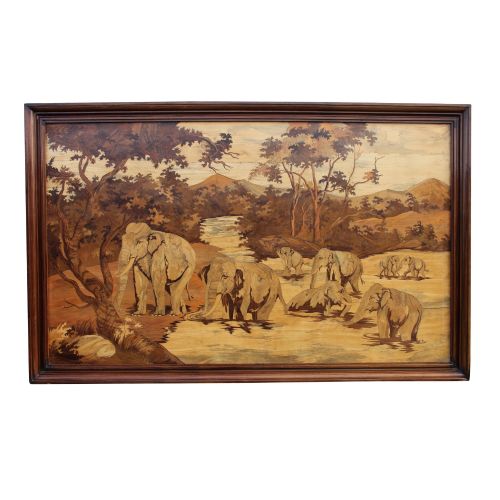
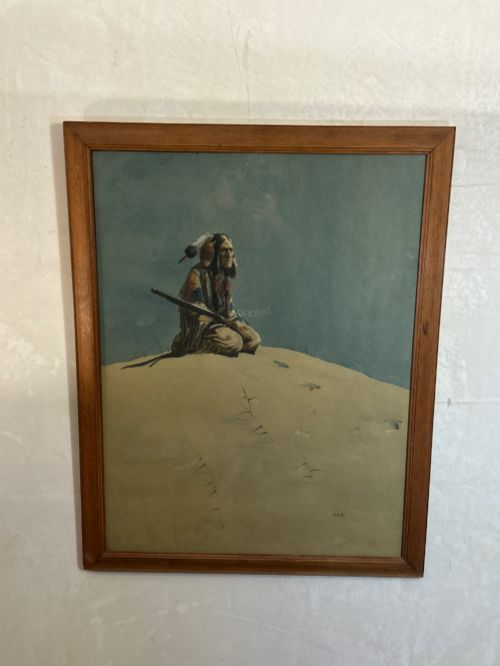
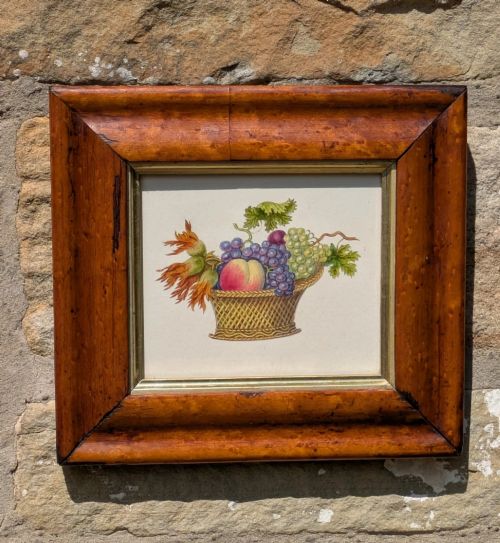
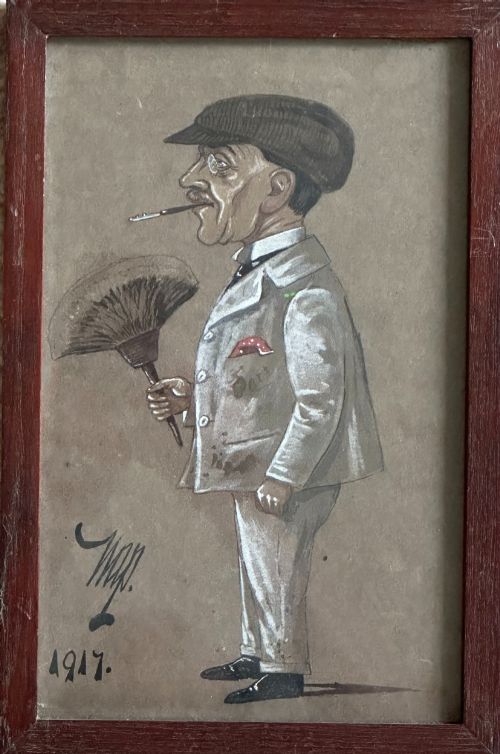
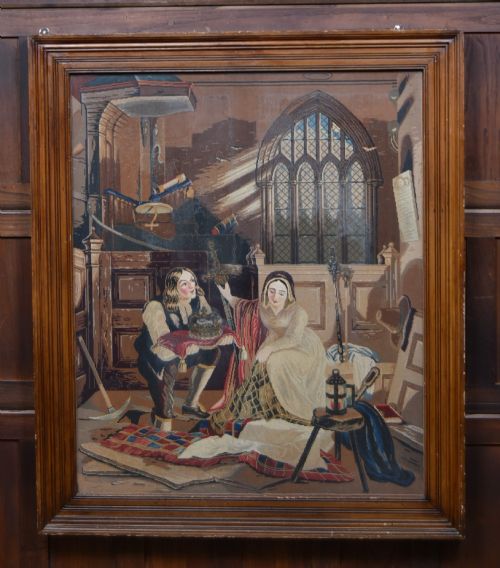
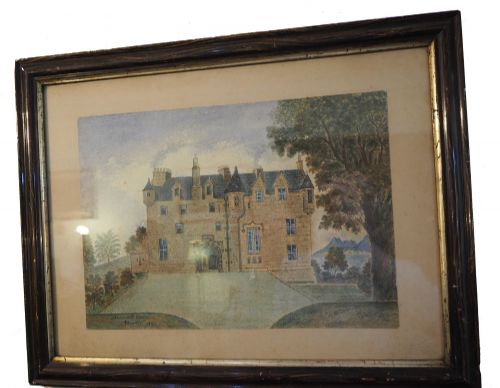
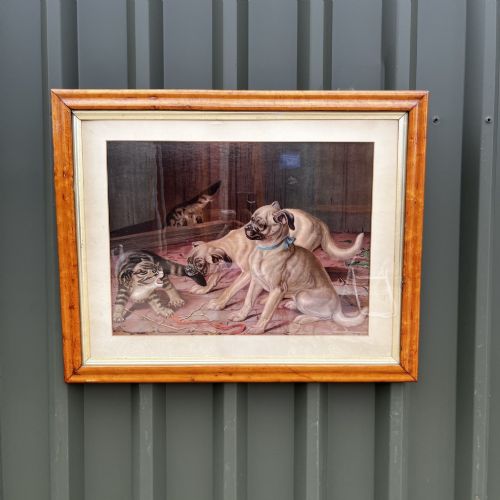
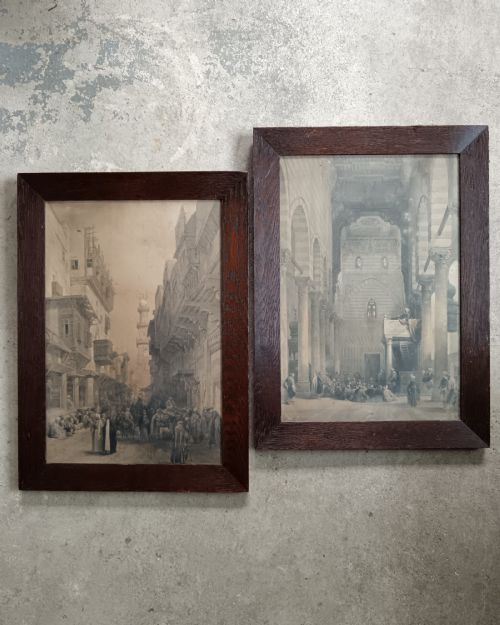
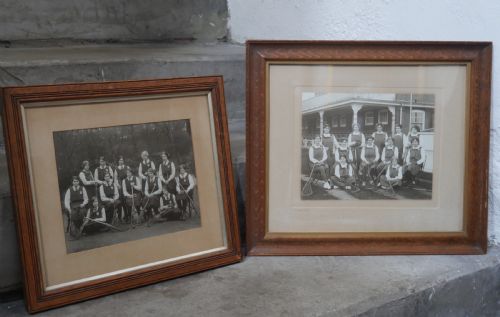
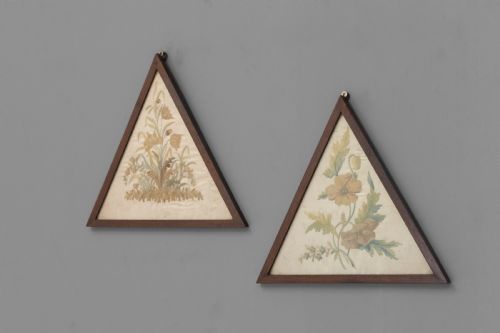
A brown wooden picture frame houses works ranging from nineteenth-century watercolours and oil paintings to delicate embroideries and early photographs. These housings often arrive paired with period artwork, offering a complete historical object rather than bare timber moulding alone.
Buyers seeking a brown wooden picture frame encounter diverse regional styles and craft traditions, spanning Georgian elegance, Victorian ornamentation, Edwardian simplicity, and mid-century modern minimalism. Oak, pine, walnut, and marquetry woods appear frequently across these listings, alongside carved decorative treatments.
The selection reflects both standard domestic framing and specialised forms such as tramp art, Black Forest carving, and Tunbridge ware. Each piece bears the distinct grain and colour imparted by age and natural timber.
How They Were Made
Carpenters and craftsmen constructed these housings using solid timbers such as oak, pine, and walnut, often shaping the profiles by hand with traditional moulding planes. Joinery relied on mitred corners secured with glue, brads, or internal blocks to maintain structural stability.
Decorative surface treatments included hand-carving, applied marquetry, inlay work, and dark polishing oils to enhance the natural grain of the wood. Some examples utilise folk art carving techniques like tramp art, building intricate geometric patterns from notched and layered wooden chips.
The inventory incorporates specialist forms including Black Forest carvings, tramp art, and Tunbridge ware alongside standard wall art.
What Varies In Quality
The quality of a timber frame rests in the precision of its corner mitres, the depth and crispness of any hand-carved ornamentation, and the preservation of its original surface finish. Superior examples maintain tight joints without excessive filler, allowing the natural figuring of the wood to remain prominent.
The integration between the housing and its contents also distinguishes finer pieces, particularly where original glass, backing boards, and secured artwork remain intact. Makers who invested care in timber selection and secondary decorative details produced pieces that retain structural integrity through centuries.
H. Alden and Co.·Gustave De Breanski·Horatio Henry Couldrey·Louis Haghe·Edwin Hughes·Ernst Louizor·John Rattenbury Skeaping·F.J. Snell·W Williams
The Brown Wooden Picture Frame Glossary
- Marquetry
- A decorative technique where thin veneers of wood and other materials are fitted together to create pictorial patterns on a wooden surface. This method frequently decorates panels and frames from the nineteenth and early twentieth centuries.
- Tramp art
- A form of folk art where utilitarian wooden objects, including frames, are constructed from salvaged timber and cigar boxes using chip-carving techniques. Makers created layered, geometric relief patterns using pocket knives.
- Chromolithograph
- A colour lithographic printing process used to produce multi-coloured pictorial works popular during the Victorian era. These prints often reside inside contemporary wooden frames.
- Gouache
- An opaque water-based paint medium consisting of pigment, water, and a binding agent such as gum arabic. It yields flat, vibrant colour fields seen in various historical paintings.
- Pine panel
- A flat section of softwood used as a rigid support for oil paintings before stretched canvas gained widespread favour. It offers a stable, fine-grained surface for early artists.
Brown Wooden Picture Frame: Frequently Asked Questions
How do I hang a heavy wooden frame safely?
Heavy timber frames require robust picture wire or D-rings screwed firmly into the structural sides of the wood rather than thin backing boards. Ensure the wall fixing engages directly with a stud or uses a rated plaster anchor.
Verify that the hanging cord remains taut and check the weight distribution before releasing the piece onto the wall. Older frames benefit from professional assessment of their original hanging hardware.
How should I clean a carved wooden frame?
Dust carved wooden surfaces gently using a soft, dry brush or a microfiber cloth to prevent dirt accumulation in intricate recesses. Avoid chemical polishes, wet cloths, or abrasive cleaners that can strip historic wax finishes.
If the wood appears dry, consult a conservator regarding appropriate microcrystalline wax applications. Keeping the piece away from direct sunlight and damp environments prevents timber shrinkage.
How do I date a wooden picture frame?
Dating relies on observing wood species, tool marks on the reverse, corner construction methods, and the style of any decorative carving. Machine-cut mouldings typically indicate a date from the mid-nineteenth century onward, while hand-planed rebates point to earlier periods.
Examining the backing paper, nails, and framing labels provides additional clues about the assembly date. Comparing the moulding profile to known period styles helps narrow the timeframe further.