



Edwardian Child Artwork
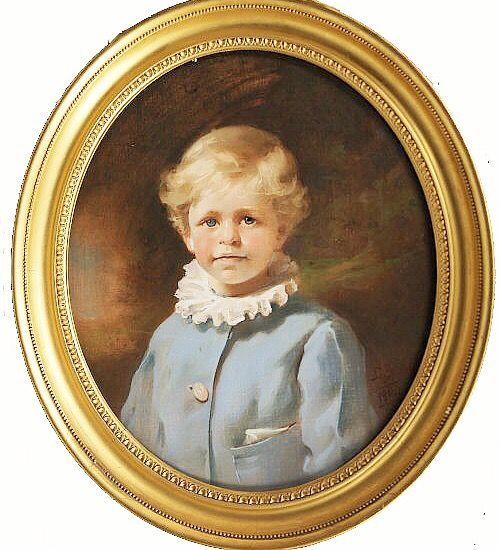
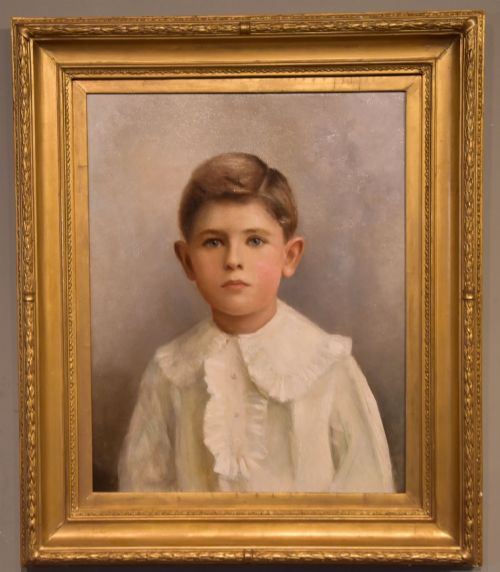
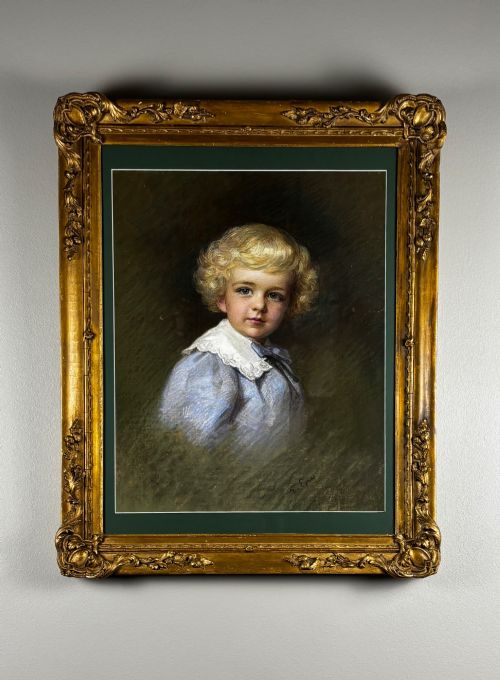
Edwardian child artwork captures youthful innocence through delicate pastels, vibrant watercolours and rich oil paintings.
Edwardian Child Artwork
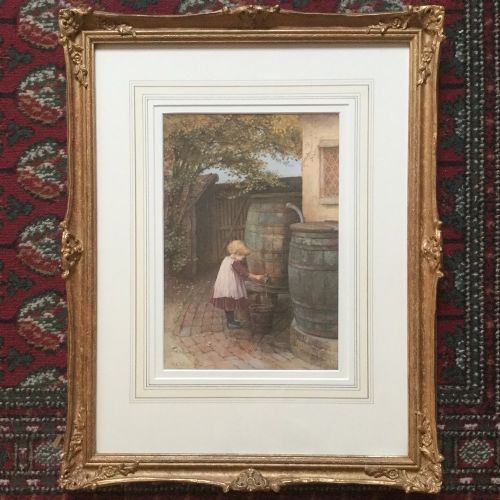
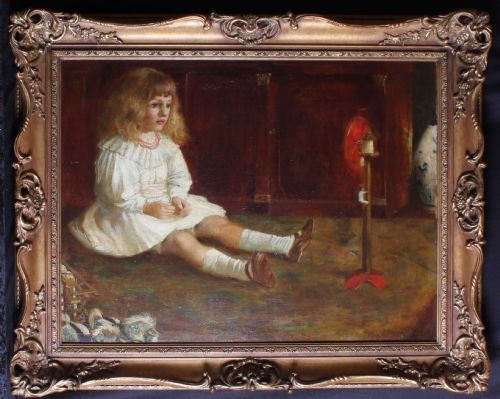
Edwardian child artwork comprises paintings, watercolours, pastels and prints depicting children in domestic, pastoral and garden settings. These pieces reflect the artistic conventions of the late nineteenth and early twentieth centuries, focusing on portraiture and narrative scenes.
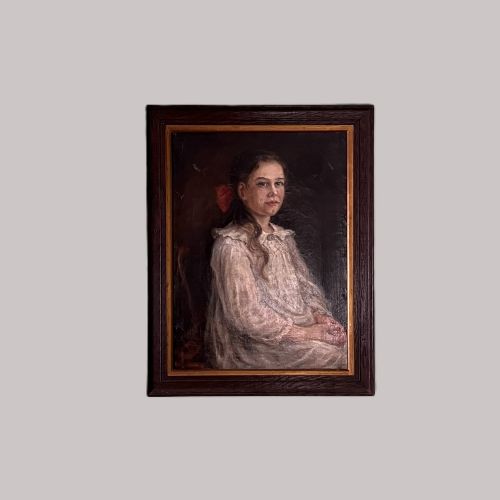
Buyers will encounter framed prints, detailed watercolours and oil paintings on canvas. The subjects range from individual portrait studies of boys and girls to outdoor scenes involving pets, toys and family life.
Originating predominantly from British and European hands, these works bridge Victorian genre art and early twentieth-century impressionism. The selection spans periods from the late nineteenth century through to the nineteen-thirties.
Materials and Technique
Artists employed oil on canvas to build rich textures and deep colour tones in formal and informal portraits. Watercolours on paper allowed for lighter, more fluid depictions of outdoor scenes and domestic interiors.
Pastels provided a soft, immediate medium well suited to intimate character studies of young subjects. Giltwood frames frequently house these works, complementing the palette of the period.
Lithographs and antique prints offered broader distribution for popular original compositions, maintaining visual detail through quality printing techniques.
The listings span the Edwardian period, Victorian era and early twentieth century, utilising oil, watercolour, pastel and print.
Distinguishing Quality
The strength of the draughtsmanship and the psychological engagement of the portrait dictate the standing of a piece. Works by recognised artists demonstrate a superior command of proportion, light and shadow compared to anonymous studio output.
The preservation of the medium, whether pastel, watercolour or oil, influences the integrity of the surface. Original framing and undisturbed backing materials contribute to the historical completeness of the piece.
Emily Eyres·Leon Sprinck·Henry Windsor Fry·Charles Edward Wilson·Byam Shaw·Thomas Bromley Blacklock·Rowland Henry Hill·Robert Eadie·Linnie Watt·Kershaw Schofield·Alfred Banner·Henry Sykes·Arthur Claude Strachan·Henry John Sylvester Stannard·Frank Owen Salisbury·Henry Silkstone Hopwood·Harold Arthur Burke·Eveline Lance·John Mc Ghie·John Pedder·Karl Feiertag·William Lee Hankey·Harry John Pearson
The Edwardian Child Artwork Glossary
- Pastel
- A dry medium consisting of powdered pigment and a binder, pressed into sticks for drawing on paper. It creates a velvety surface texture that requires glass protection.
- Watercolour
- A paint method where coloured pigments are suspended in a water-soluble vehicle, typically applied to paper. It allows for transparent washes of colour.
- Giltwood
- Wood carved and covered with a thin layer of gold leaf or gold paint. It provides an ornate border for period paintings and mirrors.
- Genre Art
- Depictions of aspects of everyday life by subjects from ordinary life. These scenes often tell a domestic or pastoral story.
- Lithograph
- A print technique based on the immiscibility of oil and water, used to reproduce original artworks. It transfers an image from a prepared stone or metal plate onto paper.
Edwardian Child Artwork: Frequently Asked Questions
What subjects feature in these artworks?
These works depict children engaged in everyday activities such as fishing, gardening, playing with toys or spending time with pets. Many pieces present formal or informal portraits of boys and girls.
Outdoor settings include cottage gardens, Thameside villages and coastal beaches, while interior scenes capture quiet domestic moments.
How do I care for antique watercolours?
Watercolours are sensitive to light and require placement away from direct sunlight to prevent fading. Acid-free mounting and framing protect the paper from degradation over time.
Maintaining stable room humidity prevents the paper from warping and protects the pigments from moisture damage.
How are oil paintings on canvas structured?
Oil paintings utilise pigment suspended in drying oils applied to stretched canvas surfaces. This medium allows for rich layering and varied brushwork.
Canvas works are typically housed in wooden frames, sometimes accented with giltwood, which provide structural support and aesthetic framing.
What distinguishes an Edwardian pastel portrait?
Pastel portraits utilise ground pigment sticks to create soft, luminous depictions of subjects. The technique relies on cross-hatching and blending directly on the paper surface.
Because pastel sits loosely on the paper, these works require glazing to protect the delicate pigment layer from physical disruption.