


Victorian Academic Artwork
Victorian academic artwork delivers formal training, precise draughtsmanship and historical subjects into your rooms.
Victorian Academic Artwork
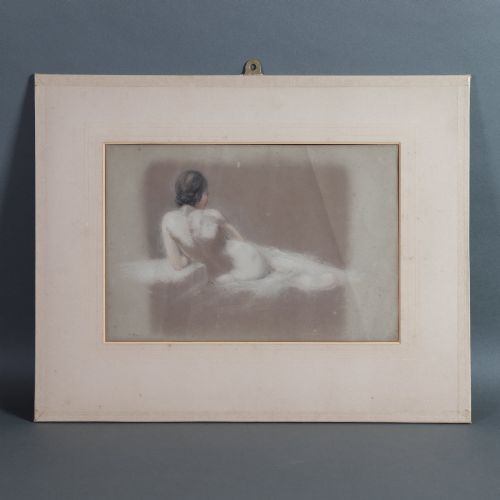
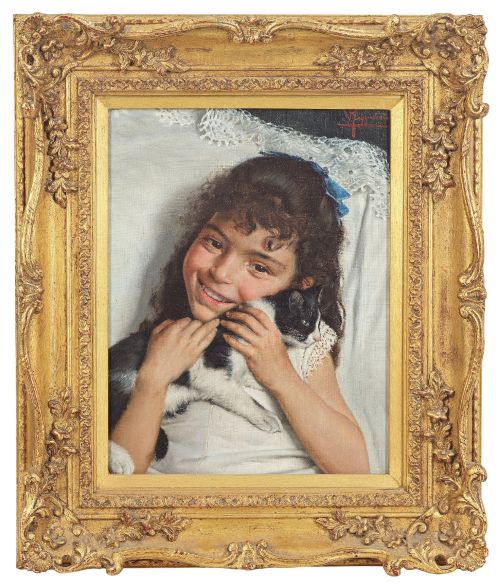
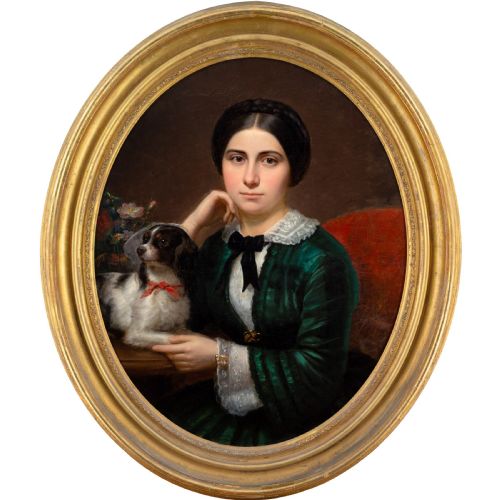
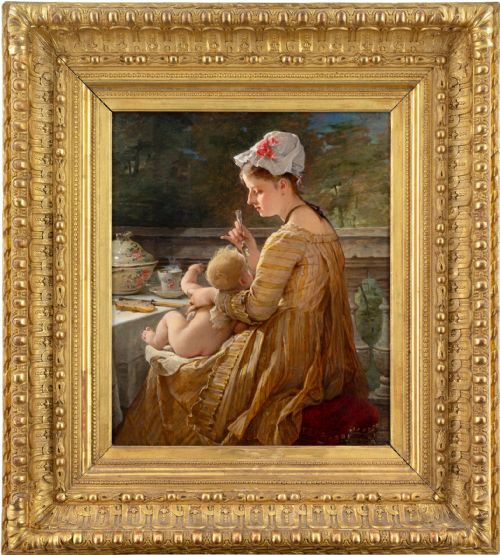
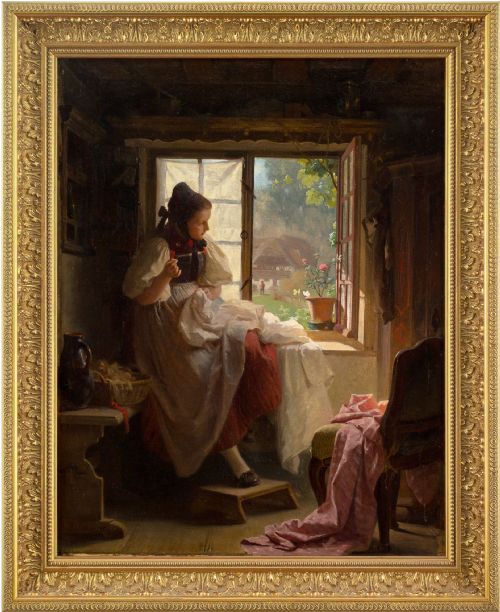
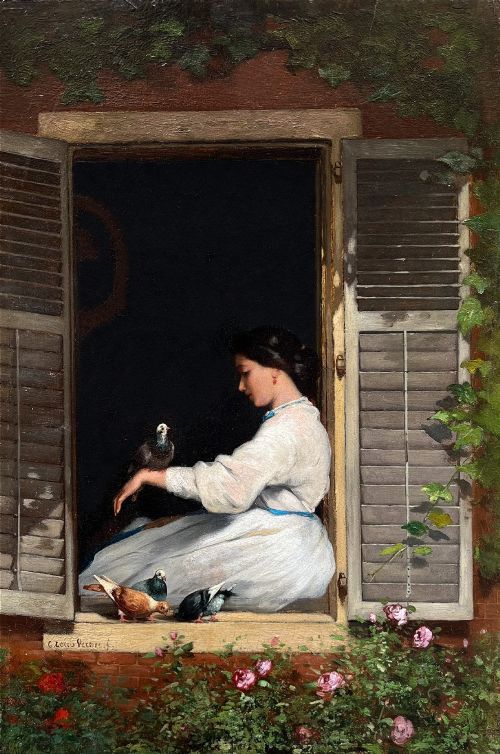
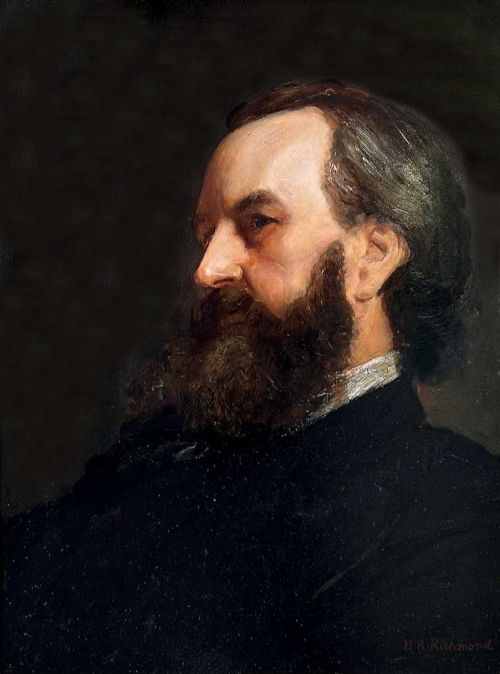
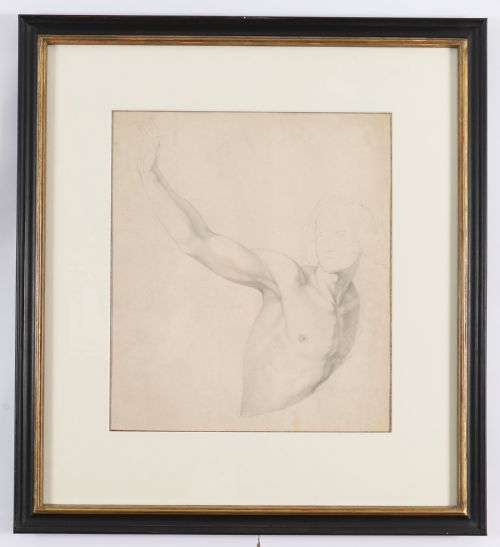
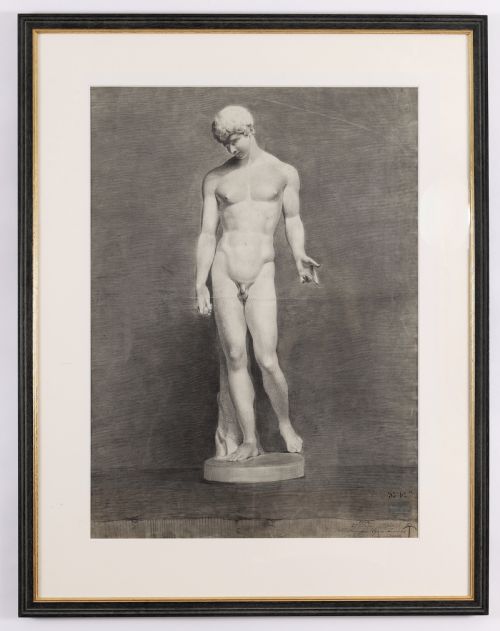
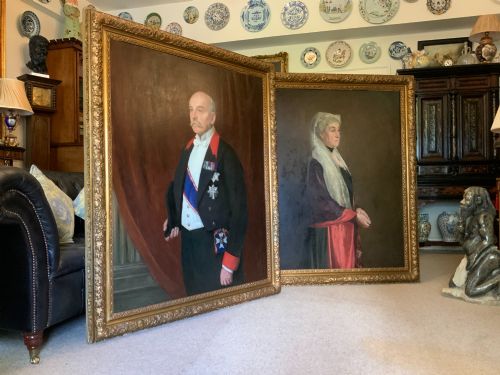
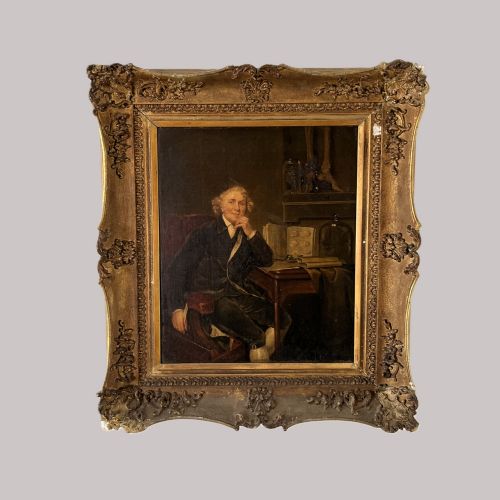
Victorian academic artwork encompasses formal oil paintings, detailed drawings, and figural studies produced under the rigorous standards of nineteenth-century European art academies. You are most likely to encounter framed oil paintings on canvas depicting portraits, historical genre scenes, and classical life studies from this period.
These works emerge from the instructional systems of French, British, and Italian schools, where rigorous study of the human form and classical traditions shaped the output. The subjects range from narrative genre paintings of everyday moments to mythological and historical compositions executed with immense technical discipline.
Collectors seek these pieces for their commanding presence and the supreme draughtsmanship underpinning every canvas and paper study. The form bridges the gap between grand historical narrative and intimate character portraiture, offering a window into nineteenth-century studio practice.
Materials and methods
Artists built these compositions primarily using oil paints applied to stretched canvas or wooden panels, supported by preliminary graphite, charcoal, or chalk drawings on paper. The preparation involved careful layering to achieve depth in skin tones and rich textures in drapery, reflecting standard academy instruction.
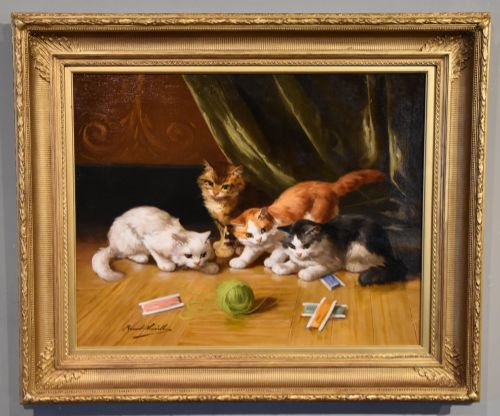
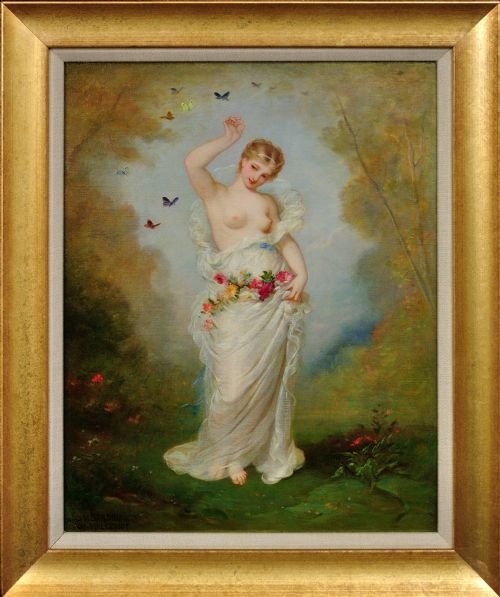
Framing played an integral role, with many works housed in heavy giltwood frames that provided the necessary architectural boundary for exhibition. The combination of durable oil pigments and sturdy wooden supports ensures these works survive with their structural integrity intact.
The inventory records academic realists and school instructors working in British, French, Italian, and Viennese traditions.
Judging quality
The distinction between a standard student exercise and a finished exhibition piece lies in the ambition of the composition and the confidence of the brushwork. Greater depth in the narrative and superior control over tonal gradations elevate the visual impact of the work.
Dumini Leopoldo·William Etty·Vittorio Reggianini·Adelaïde Salles-Wagner·Max Kaltenmoser·Louis Charles Verwee·William Blake Richmond·Alfred Arthur Brunel de Neuville·Henry Arthur Roberts·André Charles Voillemot·Alfred Holst Tourrier·Frank Hyde·Auguste Moreau·August Heinrich Riedell·William Edward Frost·Arthur Hacker·Lucien Madrassi·Hans Temple·Théophile Emmanuel Duverger·Paul Viry·Federico Andreotti·Willem Johannes Martens
The Victorian Academic Artwork Glossary
- Academic Realism
- A style of painting and sculpture produced under the influence of European academies of art, combining realistic depiction with idealized subjects.
- Life study
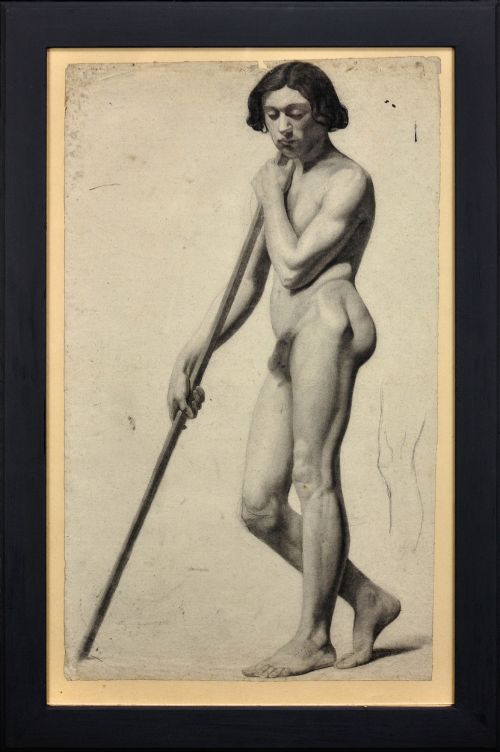
- A work created directly from a live model, usually featuring a nude or draped figure to demonstrate anatomical understanding.
- Genre painting
- Pictorial representation in various media of scenes or events from everyday life, such as domestic interiors or street markets.
- Grisaille
- A painting executed entirely in shades of grey or of another neutral greyish colour, often used as a monochrome underpainting.
- Giltwood
- Wood that has been treated with gold leaf or a gold-coloured metallic finish, commonly found on nineteenth-century frames.
Victorian Academic Artwork: Frequently Asked Questions
What defines Victorian academic artwork?
These pieces originate from the strict teaching methods of nineteenth-century European art institutions, prioritising mastery of the human figure, historical narrative, and classical proportion.
The works include finished oil paintings for exhibition as well as preparatory charcoal and graphite drawings used to teach students form and perspective.
How were life studies used?
Artists produced life studies in academies to understand muscular structure, lighting, and posture by working directly from live models.
These drawings and oil sketches served as foundational exercises for larger historical or mythological compositions intended for public salons.
Where do these subjects originate?
The themes draw heavily from classical mythology, historical militia events, and everyday domestic scenes observed across French, British, and Italian studios.
Artists aimed to elevate ordinary moments through dramatic lighting and narrative depth, or to immortalise prominent figures through formal portraiture.
How should I frame these works?
Period giltwood frames complement the nineteenth-century origins of these paintings and drawings, providing visual weight and historical context.
Ensuring proper glazing for works on paper protects the charcoal, graphite, and watercolour mediums from fading and environmental damage.