




Framed Aquatint Artwork
Framed aquatint artwork brings traditional intaglio printmaking into domestic display, offering tonal depth and graphic detail through acid-etched plates.
Framed Aquatint Artwork
When you search for framed aquatint artwork, you encounter varied graphic works produced across the nineteenth and twentieth centuries, spanning periods from the Georgian era through to the mid-twentieth century. The selection ranges from sporting scenes and maritime subjects to decorative pairs and modern prints.
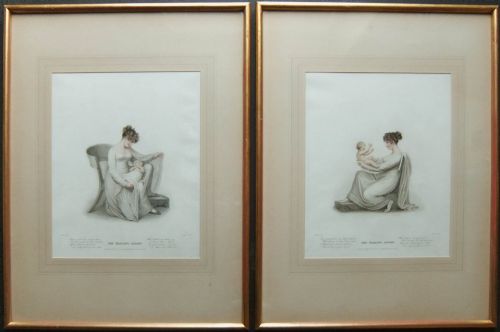
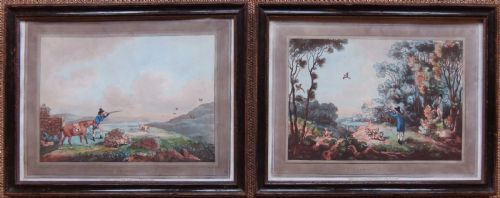
Most examples you meet here are framed wall art, often presented with glass protection and wooden or gilt wood surrounds. These pieces capture subjects as diverse as whaling, shooting scenes, and domestic interiors.
Methods of creation and materials
These works rely on paper as the primary support, bearing ink applied through intaglio techniques alongside hand-coloured additions in several instances. The etching process uses acid to bite tonal surfaces into the metal plate before printing.
Framing materials commonly include wood, gilt, and gold leaf, often incorporating glass to shield the delicate paper and ink from environmental damage over time.
Current listings feature paper, glass, wood, ink, gold leaf, and gilt, spanning periods from Georgian and Victorian times to the mid-twentieth century.
Assessing quality and execution
The distinction between tiers rests upon the precision of the plate impression, the delicacy of the hand-colouring where present, and the integrity of the preservation. Strong tonal gradations and clear publisher details distinguish finer impressions.
The quality of the surrounding frame also contributes, with period wood and gilt mouldings enhancing the presentation compared to later replacements.
Adam Buck·Alken·W J Huggins·Joseph Farrington RA·Joseph Constantime Stadler·Sam Howitt·Louis Icart·Deidre Borlase A.R.C.A.·Victor Valery
The Framed Aquatint Artwork Glossary
- Aquatint
- A printmaking technique that produces tonal areas resembling watercolour washes through the use of acid-etched resin on a metal plate. It creates subtle gradations of shadow and light.
- Intaglio
- A printing process where the ink is held within incised lines or etched recesses below the surface of the plate. It produces raised lines of ink on the paper.
- Gilt wood
- Wood that has been coated with a thin layer of gold leaf or metallic paint. It provides a decorative, reflective border to the framed artwork.
- Hand-coloured
- A print that has received pigment by hand after the initial monochrome impression is pulled. This adds specific hues to subjects like sporting or maritime scenes.
Framed Aquatint Artwork: Frequently Asked Questions
What is an aquatint print?
An aquatint is an intaglio printmaking method that uses acid to bite areas of a metal plate through a porous ground. This creates distinctive tonal areas that resemble watercolour washes.
Printers often combined this technique with standard line etching to produce detailed, shaded imagery.
How should I hang these prints?
Keep framed paper works away from direct sunlight to prevent the fading of ink and hand-colouring. Stable room temperatures protect the paper and wooden frames from warping.
Ensure wall fixings securely support the weight of the glass and wooden mouldings.
Are these works original?
The listings include original period impressions pulled from the plates during the eighteenth, nineteenth, and twentieth centuries. Each piece reflects the printing standards of its specific period.
Examination of the paper and ink helps determine the age of the impression.
Why is glass used on frames?
Glass acts as a physical barrier protecting delicate paper, ink, and hand-applied pigments from dust, moisture, and atmospheric pollutants. It preserves the condition of the artwork over decades.
Older frames may feature original glass with minor imperfections characteristic of historic manufacture.