


Black Paper Silhouette
A black paper silhouette captures a likeness through simple cut form, offering collectors an intimate fragment of past lives.
What a black paper silhouette is
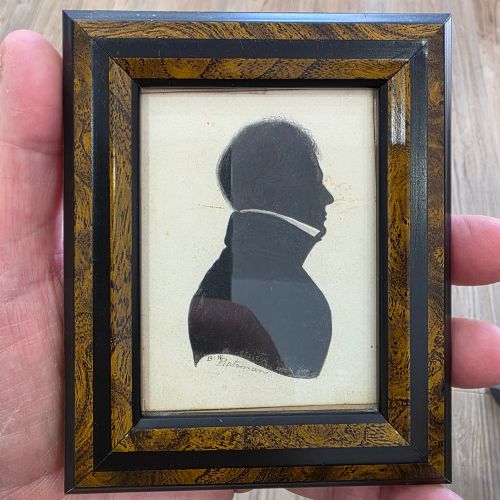
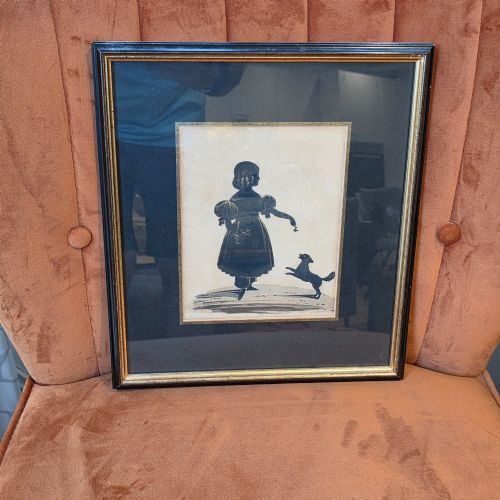
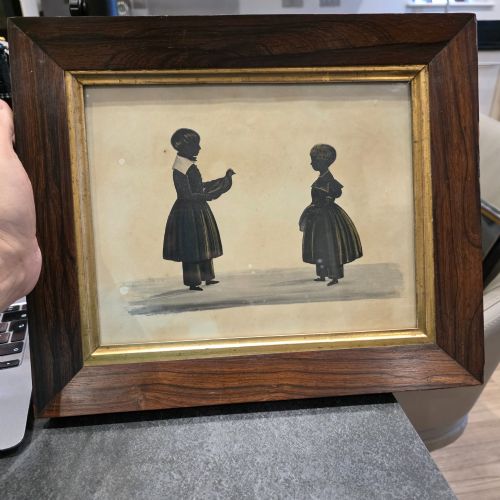
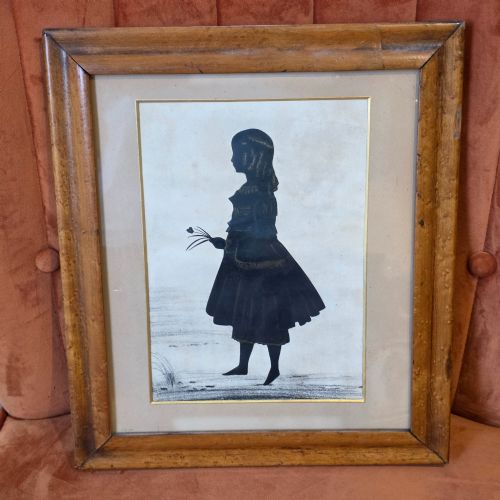
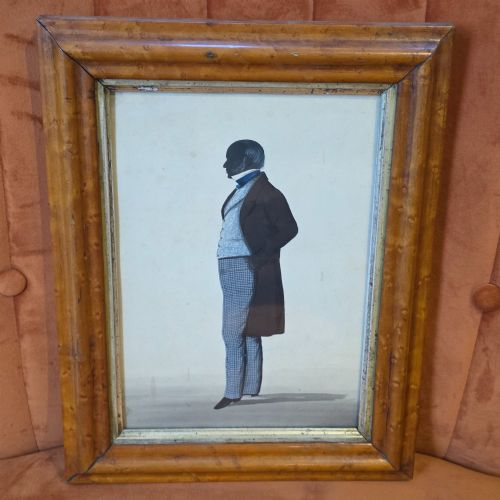
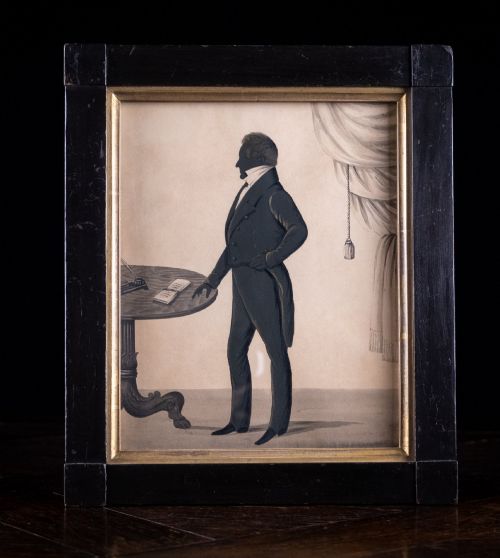
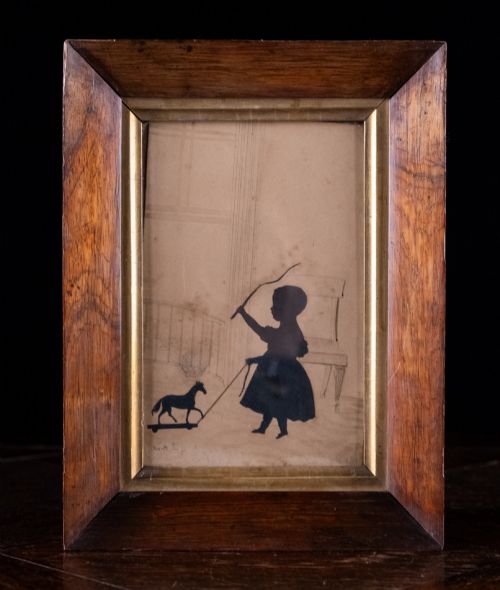
When you search for a black paper silhouette, you find framed wall art that records human and animal likenesses through stark monochrome paper forms. These pieces date principally from the nineteenth century, encompassing Regency and William IV eras alongside later folk art expressions.
The most common examples on this page are nineteenth century framed artwork, including miniature silhouette busts and full figures. Certain pieces introduce narrative or detailed cutting, such as nineteenth century depictions of dogs, historical figures, and fairy tale scenes like Hansel and Gretel from 1920.
How they were made
The finished paper works were housed beneath glass within wooden frames, with maple being a prominent choice. Makers also utilised brass and gold leaf to accent the frames and highlight details within the framed artwork.
Retail Price Guide 2026
Typical UK retail prices for black paper silhouette, calculated from the Sellingantiques database of over a million retail prices indexed since 2003. This retail price guide relies exclusively on Sellingantiques data; no external sources or auction records are used, so the figures do not describe the wider market.
Listings span the nineteenth century up to 1920, utilising paper, glass, wood, maple, gold leaf, and brass.
What varies in quality
Quality rests in the precision of the cutting and the expressiveness of the profile, where skilled practitioners captured posture and attire with minimal line. The subtlety of added watercolour wash and the delicacy of the paper handling distinguish finer works from simpler folk art.
Framing contributes significantly to the overall merit of the piece, with period frames in maple, augmented by brass or gold leaf, elevating the presentation. The inclusion of clear signatures or known hands also separates standard decorative cuttings from distinguished archival examples.
Augustin Edouart
The Black Paper Silhouette Glossary
- Silhouette
- A portrait or scene represented as a solid shape of a single colour, usually black on a pale background. This technique relies entirely on outline and profile rather than internal detail.
- Bust
- A portrait sculpture or depiction of a person showing the head, shoulders, and upper chest. In these listings, it refers to framed wall art focusing on the upper portion of the subject.
- Regency
- An architectural and decorative style spanning the early nineteenth century in Britain. Pieces from this period often display refined elegance and classical restraint.
- Folk art
- Artistic work created from a cultural tradition rather than academic training. These items often display directness of expression and charming local characteristics.
- Maple
- A dense wood frequently utilised for picture framing in the nineteenth century. Its characteristic grain adds warmth and texture to the border of the artwork.
Frequently Asked Questions
What is a black paper silhouette?
A black paper silhouette is a framed artwork featuring a profile or scene cut from dark paper. These pieces rely on stark outlines to portray subjects without internal facial details.
Such works frequently date from the nineteenth century and capture portraits, animals, or narrative scenes behind glass.
How were silhouettes displayed?
Silhouettes were traditionally mounted under glass to protect the delicate paper from dust and moisture. They were framed in wood, with maple being common, often featuring brass or gold leaf accents.
These framed pieces hung upon walls as intimate memorials or decorative wall art within nineteenth century interiors.
How do I identify nineteenth century pieces?
Nineteenth century examples often reveal their age through the materials of their construction, such as period wooden frames and aged paper substrates. Stylistic markers from the Regency and William IV eras also point toward this timeframe.
Examining the backing materials and the style of the cut paper provides further clues regarding the date of origin.
Can silhouettes show animals and stories?
While human portrait busts are common, makers also cut silhouettes of animals, such as dogs. Narrative scenes, including fairy tale subjects like Hansel and Gretel from later periods, also appear.
These diverse subjects demonstrate the versatility of paper cutting as a medium for illustration.