

Black Framed Portrait Painting
A black framed portrait painting brings centuries of character into a room, offering a striking boundary that focuses the eye entirely upon the subject's face.
Black Framed Portrait Painting
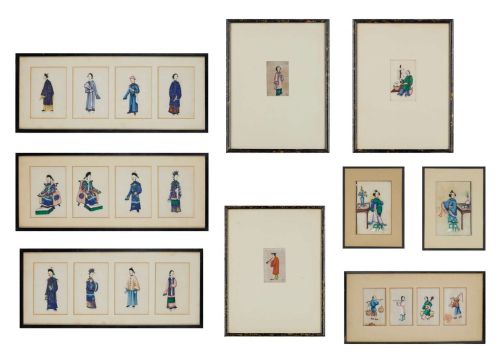
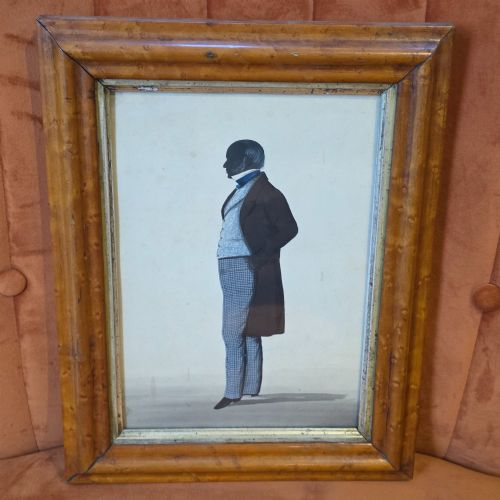
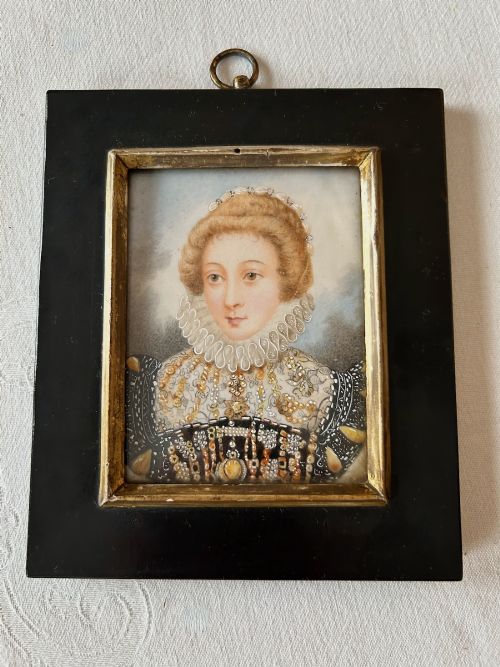
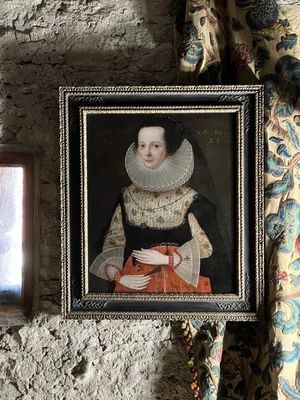
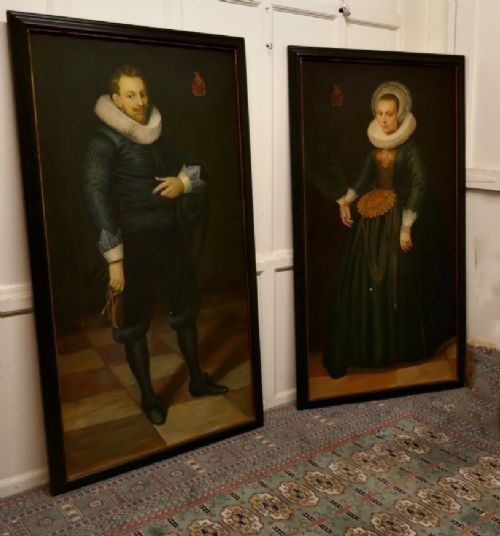
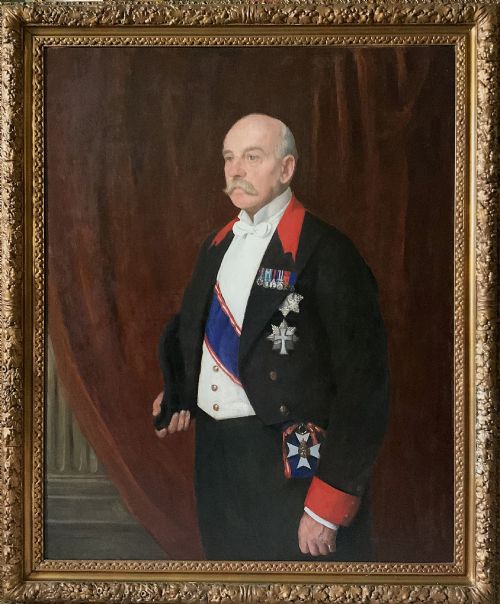
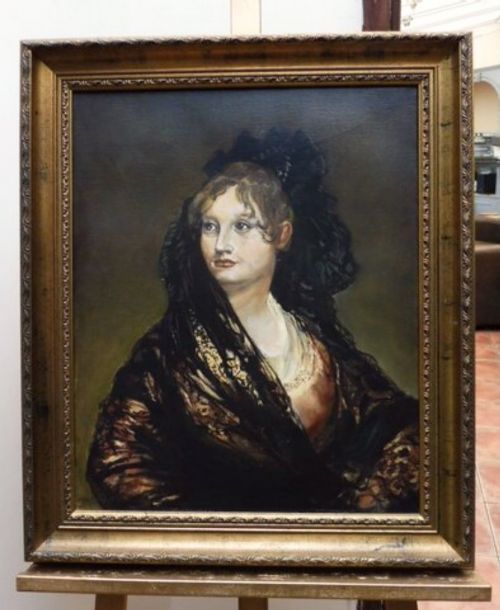
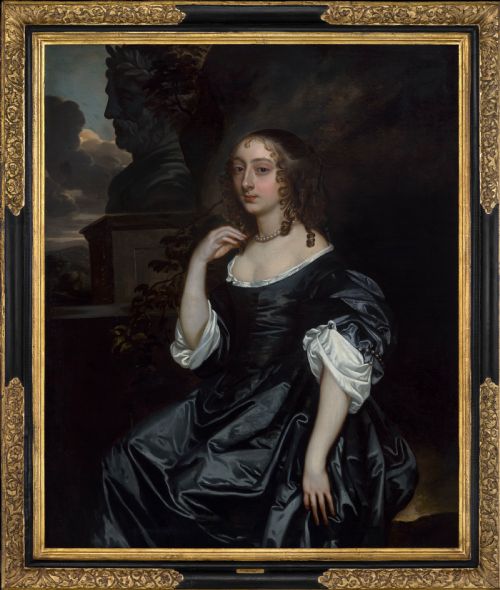
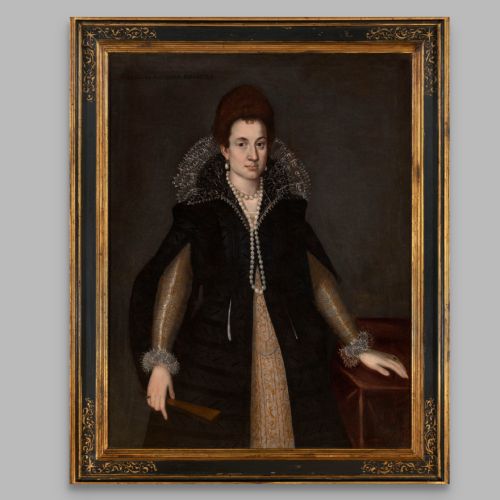
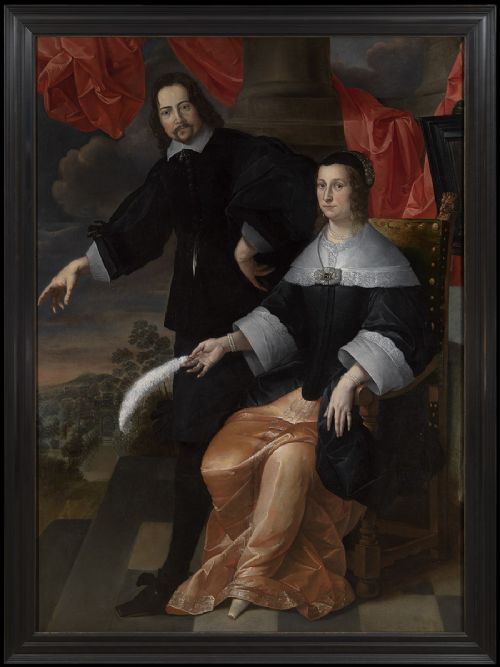
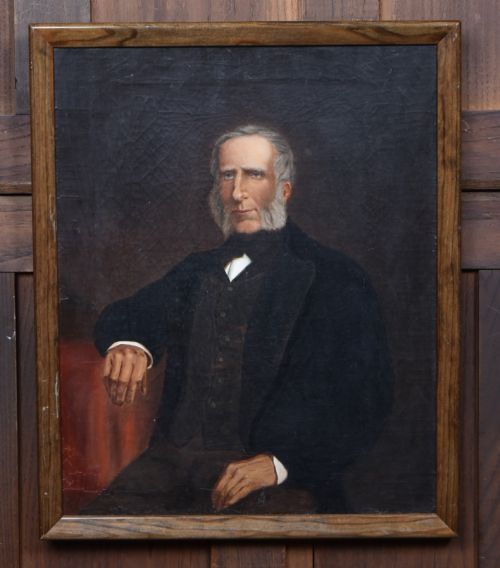
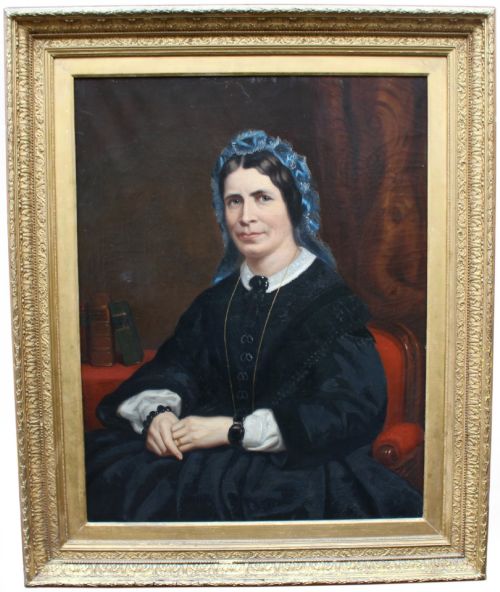
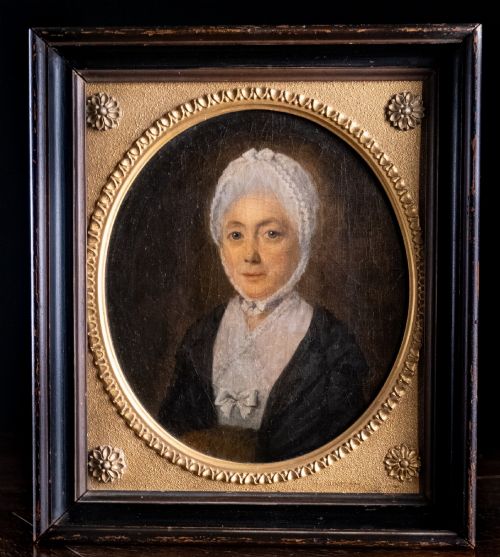
A black framed portrait painting encompasses works executed across several centuries, capturing subjects ranging from noblewomen in elaborate costume to gentlemen in restrained attire. You encounter pieces spanning the seventeenth, eighteenth, and nineteenth centuries, alongside later revivals reflecting diverse regional schools.
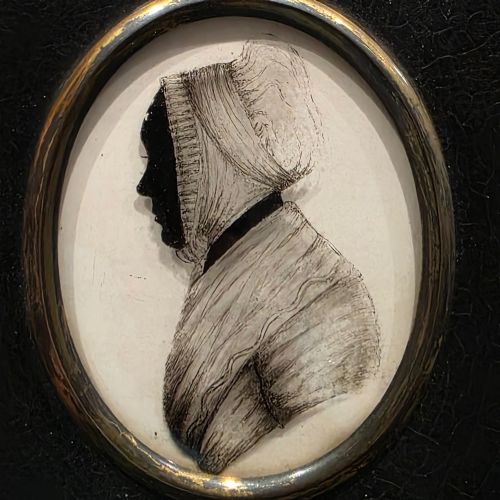
The selections on this page incorporate distinct formats, including oil on canvas, delicate miniatures, silhouettes, and watercolours. Many works carry the aesthetic weight of Dutch Golden Age traditions, Jacobean formality, or Victorian sentiment, set within dark borders that accentuate the painted tones.
Materials and construction
Makers utilised traditional supports such as wood panels, canvas, and heavy paper, applying oil paint, watercolour, or enamel to build depth and luminosity. Ebonised wood frames provide the characteristic dark borders seen across many pieces, often paired with protective glass layers.
Portrait miniatures and silhouettes often incorporate fine paper, card, or glass substrates, frequently backed with metal or wooden surrounds. The framing techniques rely on period joinery, securing the artwork while maintaining structural integrity over centuries.
Black Framed Portrait Painting Retail Price Guide 2026
Typical asking prices for black framed portrait painting among the pieces listed under this phrase on Sellingantiques today, from the lower quarter to the upper quarter. They describe what is for sale here now, not the wider market.
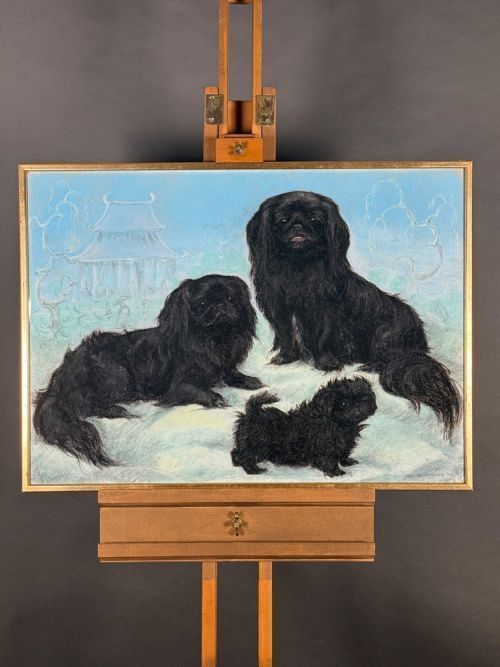
A study of three black Pekingese dogs reminds us that centuries ago, owners were just as keen to immortalise their pampered pets.
Distinctions in execution
The integrity of the frame and the preservation of the underlying medium also dictate the standing of a piece. Original ebonised wood mounts that retain their historic finish contribute significantly to the cohesion and character of the artwork.
Henri Fradelle·Henry Bone·Cornelis Van Der Voort·Sir Peter Lely·Cornelius Johnson
The Black Framed Portrait Painting Glossary
- Ebonised wood
- Timber treated to resemble ebony, providing a deep black finish commonly utilised for historic frames.
- Portrait miniature
- A small, highly detailed painting executed on vellum, copper, or ivory, popular from the sixteenth century onward.
- Silhouette
- A portrait profile cut from black paper or painted onto a pale ground, frequently associated with Georgian and Victorian craftsmanship.
- Dutch Golden Age
- A period in seventeenth-century Dutch art noted for dramatic lighting, realism, and mastery of oil on canvas.
- Reverse painting
- A technique where an image is applied directly to the back of a glass panel to be viewed from the front.
Black Framed Portrait Painting: Frequently Asked Questions
How do I hang a heavy framed oil painting safely?
Ensure the wall fixings engage directly with structural studs or utilise heavy-duty wall anchors rated for the combined weight of the painting and frame. Professional picture wire secured to sturdy brass D-rings distributes the load evenly across the mounting points.
Position the centre of the portrait at approximate eye level to maintain proper visual balance within the room. Avoid locations subject to direct sunlight or fluctuating humidity to protect both the canvas and the ebonised wood frame.
What period do most black framed portraits come from?
The pieces originate across multiple eras, with strong representation from the seventeenth, eighteenth, and nineteenth centuries. You will find seventeenth-century works displaying Jacobean and Dutch Golden Age influences alongside later Victorian and Regency examples.
Each period employs distinct stylistic conventions, from the elaborate ruff collars of early portraiture to the more restrained compositions of later eras. The surrounding dark frames complement these historic aesthetics by anchoring the visual composition.
How should I clean an antique portrait frame?
Dust the ebonised wood gently using a soft, dry microfibre cloth to remove surface particles without abrasive friction. Avoid using water, liquid cleaners, or chemical polishes, which can degrade historic finishes and compromise the timber.
If the glass covering the artwork requires attention, apply a small amount of non-ammonia cleaner to a cloth rather than directly onto the surface. This prevents moisture from seeping beneath the rebate and damaging the painting within.
Can I mix different centuries of portraits together?
Grouping portraits from various eras creates a dynamic display that highlights shifting artistic techniques and fashions over time. Combining seventeenth-century oil panels with nineteenth-century silhouettes adds depth and historical texture to a wall arrangement.
Unified dark frames provide a consistent visual thread that bridges stylistic differences between disparate periods. This cohesion allows contrasting subjects, from formal nobility to folk art children, to sit comfortably within the same interior scheme.