

Framed Portrait of Woman
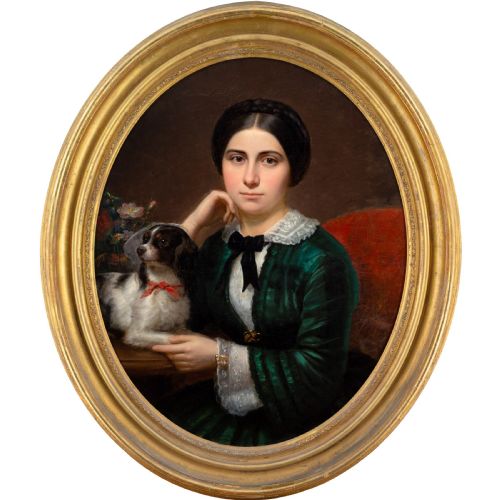
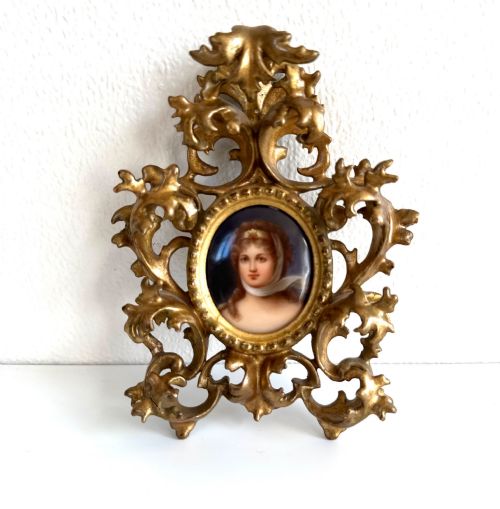
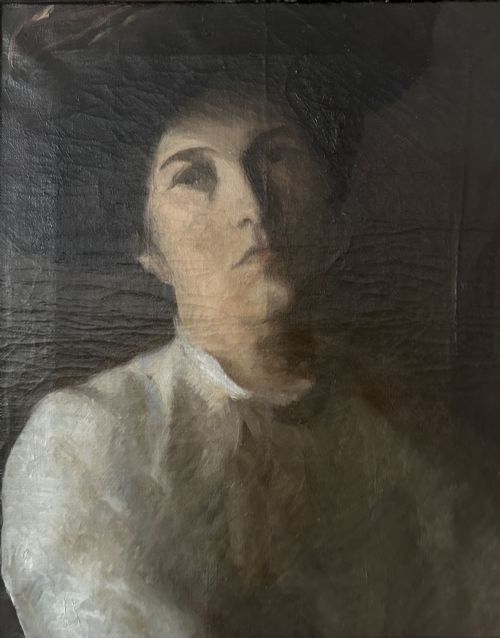
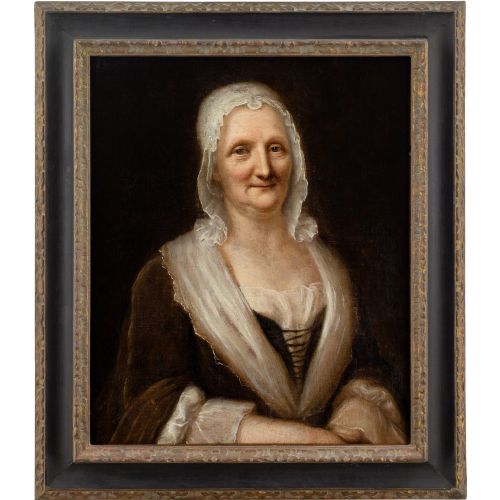
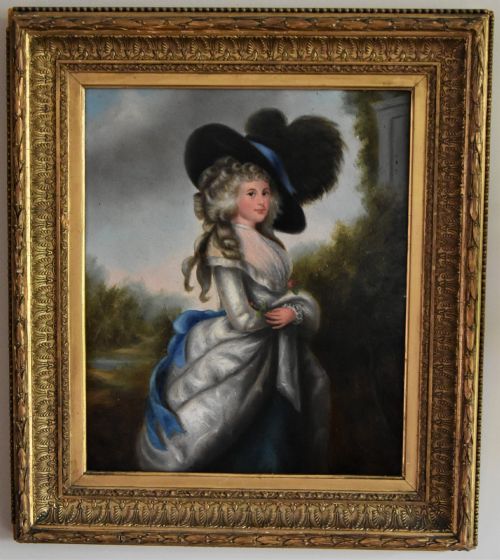
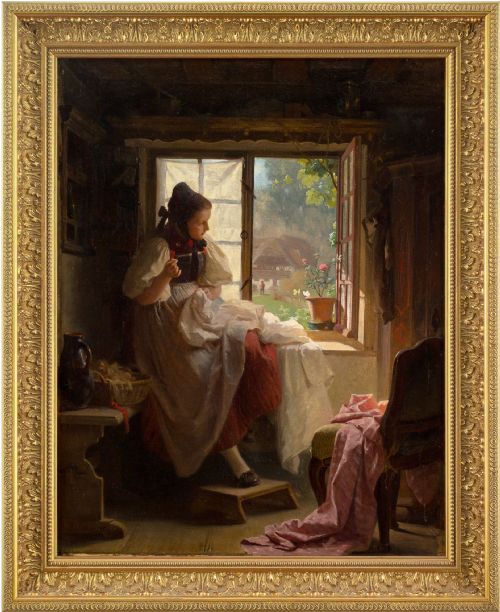
A framed portrait of woman brings distinct character to a room, offering a direct window into past eras through oil and watercolour.
What these portraits are
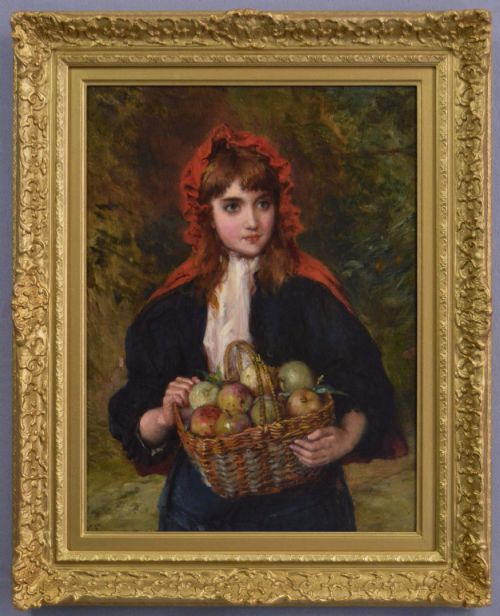
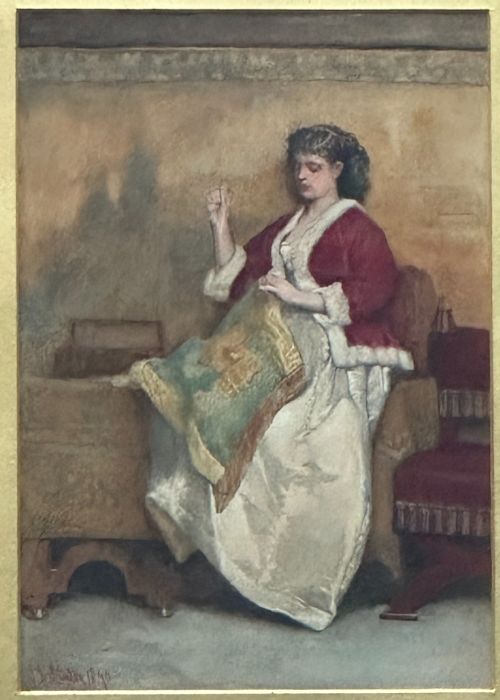
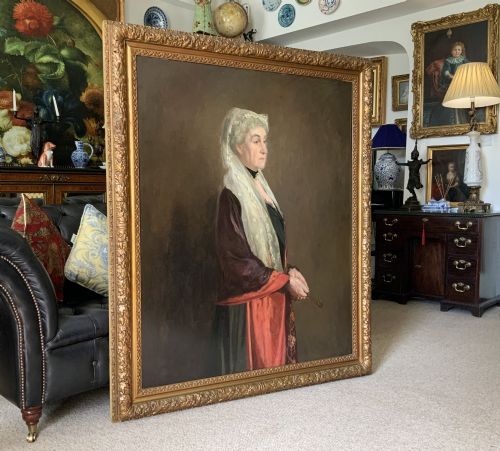
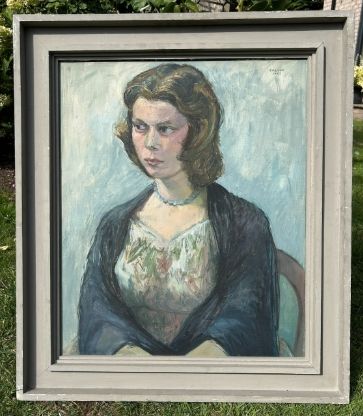
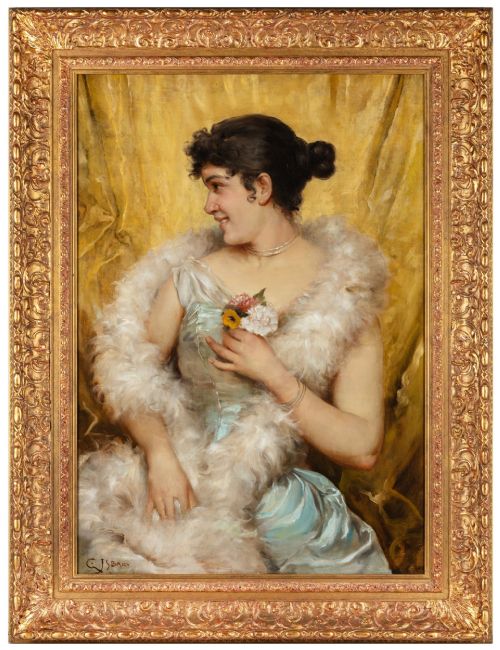
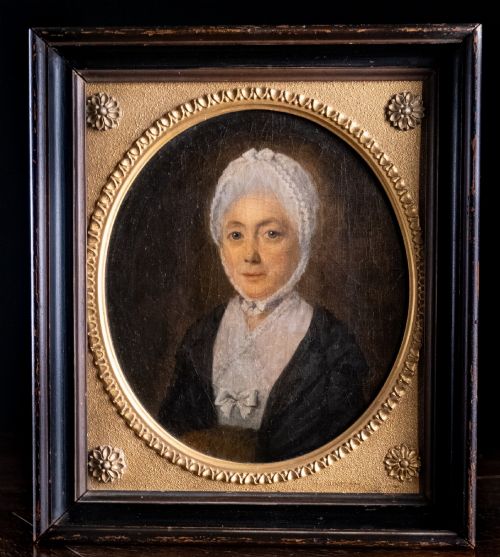
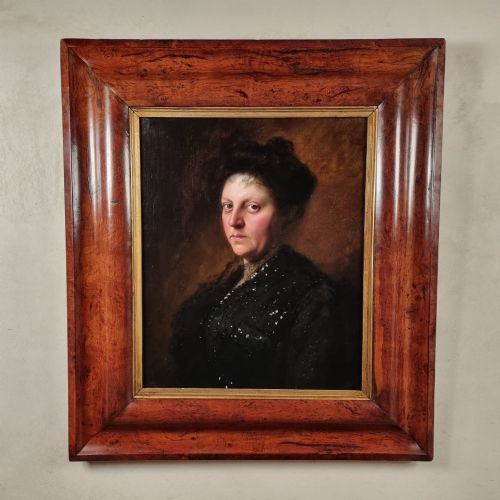
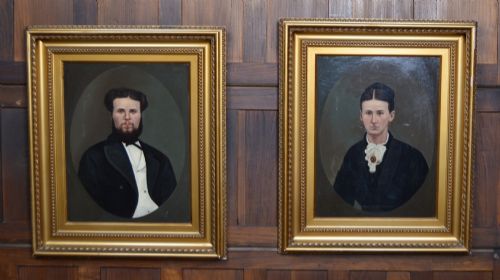
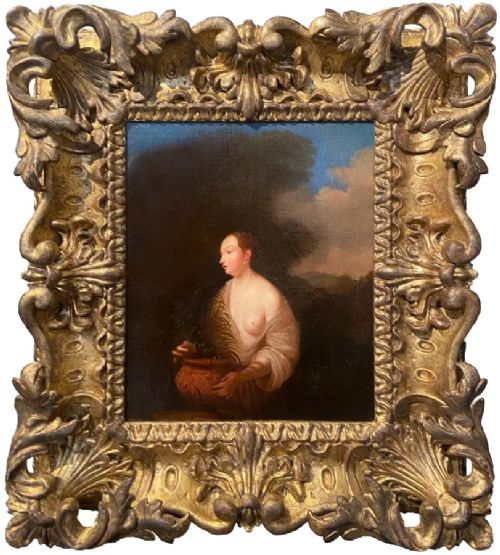
A framed portrait of woman captures individual likenesses across several distinct historical periods and aesthetic movements. These works span Georgian, Regency, Victorian, and Belle Epoque styles, alongside specific dates from the eighteenth century up to the early twentieth century.
Buyers encounter subjects ranging from formal depictions of ladies in riding habits to intimate studies of young beauties. The works appear in various scales, from small oil portraits to large French canvases, preserved behind glass or within decorative timber frames.
Origins stretch across British and continental traditions, reflecting shifting societal ideals of femininity and personal presentation. Each piece serves as a physical record of portraiture practices over two centuries.
How they were made
Artists executed these works using oil paint on canvas or watercolour applied to paper, employing traditional brushwork techniques suited to each medium. Canvases are stretched over wooden supports, while watercolours rely on paper substrates.
Frames utilise wood and giltwood, sometimes finished in gilt wood to complement the imagery within. Glazing often protects works on paper, such as watercolours, from environmental damage.
Retail Price Guide 2026
Typical UK retail prices for framed portrait of woman, calculated from the Sellingantiques database of over a million retail prices indexed since 2003. This retail price guide relies exclusively on Sellingantiques data; no external sources or auction records are used, so the figures do not describe the wider market.
One lady wears a complete riding habit for her sitting, proving that historical multitasking was very much a reality.
What varies in quality
The craftsmanship of the surrounding frame influences the overall integrity of the piece, with carved giltwood offering a more substantial presentation than plain timber mouldings.
G. J. S. Bary·Robert Kemp·George Henry Harlow
The Framed Portrait of Woman Glossary
- Oil on Canvas
- Pigment mixed with drying oil applied to a woven fabric support. This combination allows for rich colour depth and textured brushwork.
- Watercolour on Paper
- A medium utilising water-soluble pigments on a paper surface. It yields translucent washes and delicate illustrative qualities.
- Giltwood
- Wood carved and covered with a thin layer of gold leaf or metallic powder. This material provides a reflective, ornate border for the artwork.
- Belle Epoque
- A period of French history spanning the late nineteenth century to the First World War. Art from this era often exhibits elegance and refined decorative sensibilities.
- Riding Habit
- A specialised outfit worn by women for equestrian pursuits. Depictions of this attire offer specific details concerning period tailoring.
Frequently Asked Questions
What periods do these portraits cover?
The selection includes pieces from the Georgian era, the nineteenth century, and early twentieth-century movements like the Belle Epoque.
Dates range from the late eighteenth century up to approximately nineteen ten.
What materials were used?
Artisans worked with oil paint on canvas and watercolour on paper.
Frames are constructed from wood, giltwood, and glass.
How should I display them?
These framed pieces suit domestic interiors seeking historical depth and figurative art.
Placement should avoid direct sunlight to protect pigments and canvas.
Are these works signed?
Certain examples attribute the work to specific artists recorded in the title.
Signatures or attributions help place the creation within a defined historical context.