


Blue Dress Female Portrait
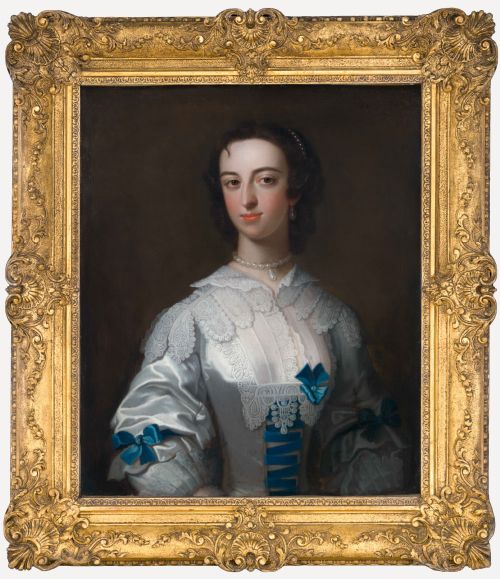
A blue dress female portrait captures a subject in striking cobalt or indigo attire, offering collectors a glimpse into centuries of portraiture.
Blue Dress Female Portrait
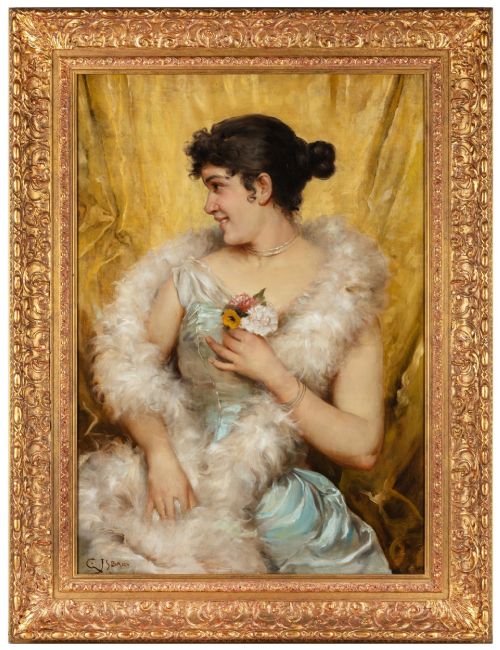
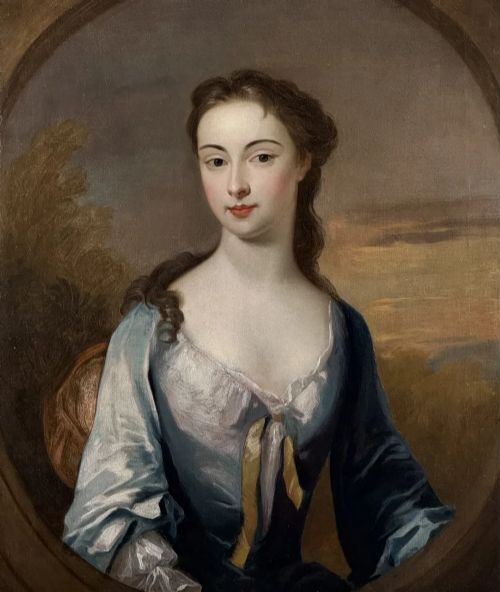
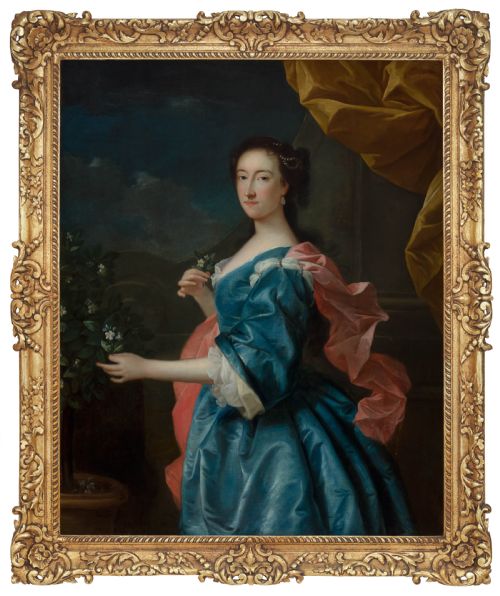
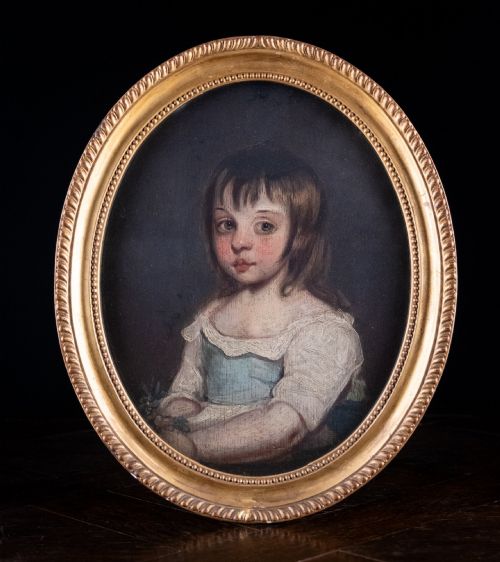
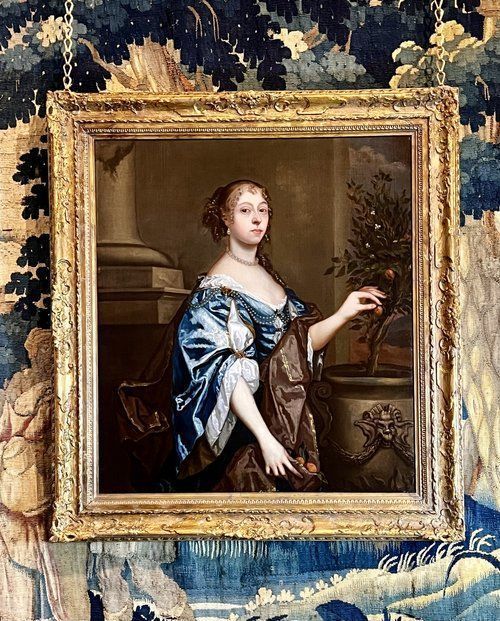
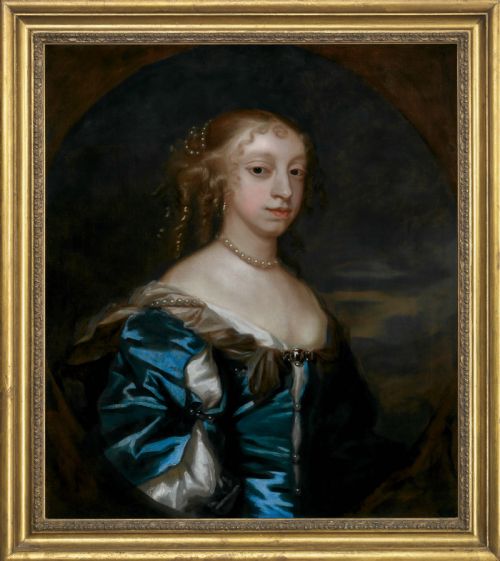
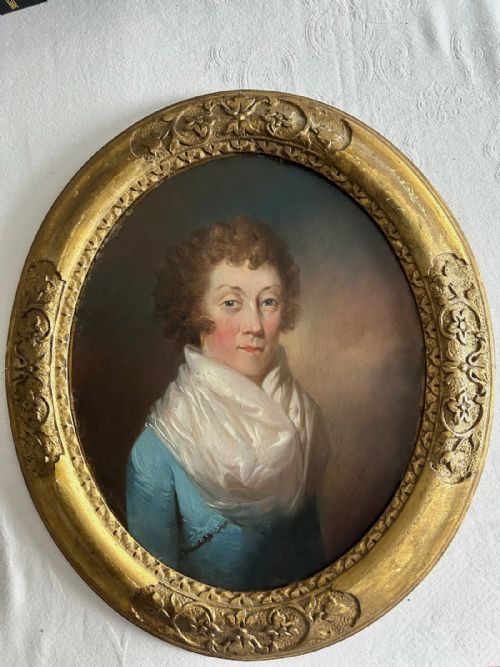
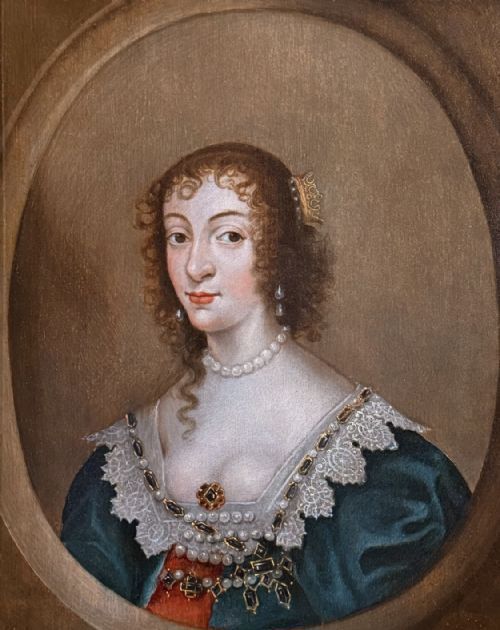
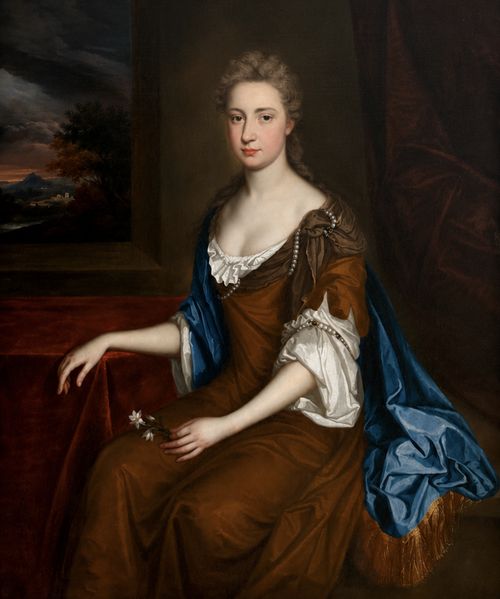
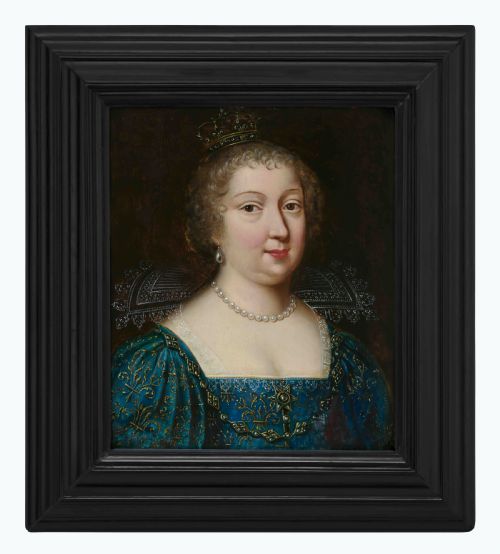
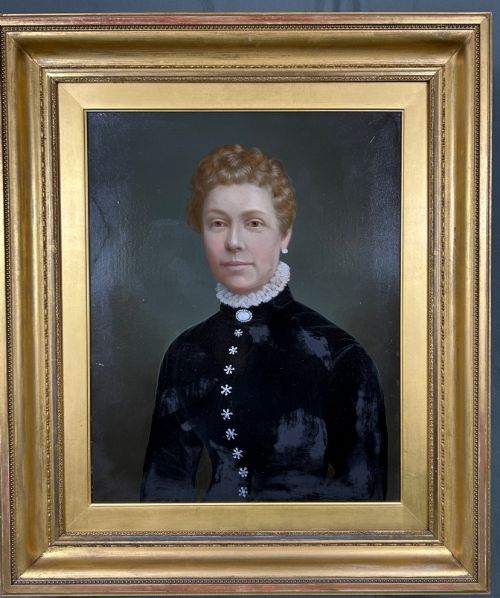
A blue dress female portrait typically depicts women from the seventeenth, eighteenth, and nineteenth centuries rendered in oil on canvas or watercolour. These works range from formal aristocratic commissions to intimate portrayals of country girls and family members, spanning Georgian, Victorian, and Regency periods.
The most common examples encountered on this page originate from the eighteenth century, often displaying sitters in silk gowns, velvet, or elaborate period costume. Painters utilised the colour blue to signify status, wealth, or simply to create a pleasing contrast within the composition.
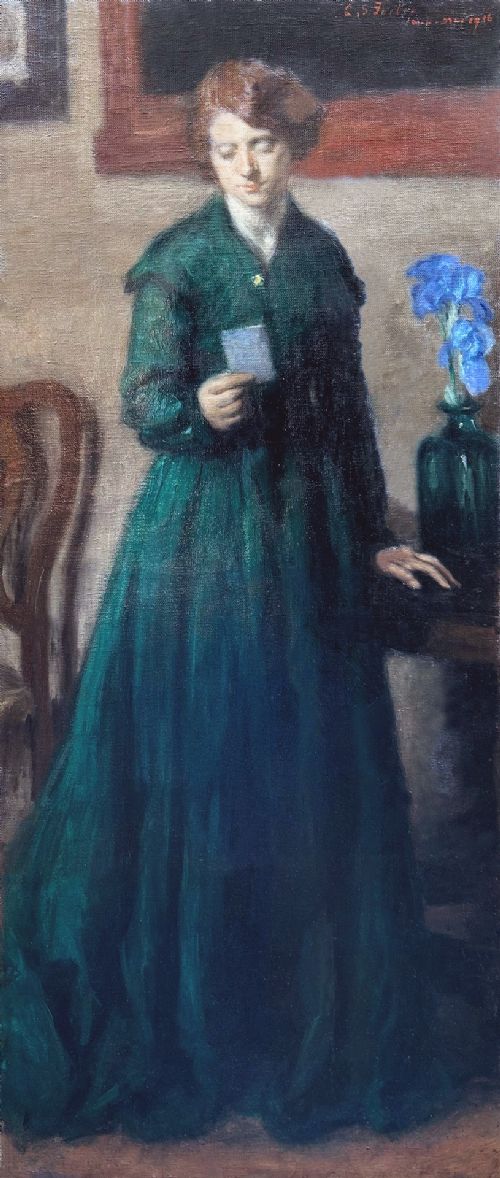
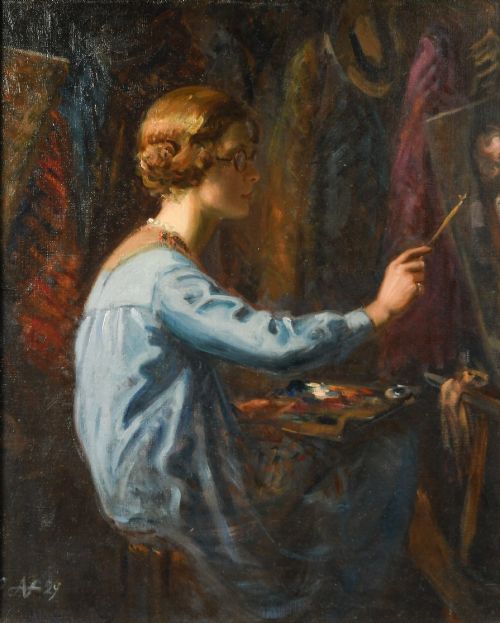
Works on this page also extend into the twentieth century, including Edwardian watercolours and post-impressionist pastels. The enduring appeal lies in the combination of distinct clothing history and individual character preserved by the artist.
Materials and methods
Artists primarily applied oil paint to stretched canvas or wooden panels, though watercolours on paper mounted in maple or gilded frames also appear frequently in the collection. Giltwood and gold leaf were often utilised to finish the heavy frames that house these paintings.
Techniques varied from the fine glazing methods of the seventeenth-century Baroque schools to the looser brushwork seen in later Victorian and post-impressionist pieces. Painters built up layers of pigment to capture the specific sheen of silk and velvet fabrics worn by the sitters.
Blue Dress Female Portrait Retail Price Guide 2026
Typical asking prices for blue dress female portrait among the pieces listed under this phrase on Sellingantiques today, from the lower quarter to the upper quarter. They describe what is for sale here now, not the wider market.
Several ladies share the canvas with unexpected companions, including orange trees, lambs, and even blue chow dogs.
Assessing quality and execution
Quality in these portraits rests upon the anatomical precision of the hands and face, the handling of light across fabric folds, and the preservation of the original paint surface. Master painters achieved a sense of depth and luminosity in textile rendering that lesser hands failed to capture.
The provenance and attribution to a recognised artist or studio significantly elevate a piece, as does the survival of the original gilded frame and untouched canvas support over the centuries.
Charles Jervas·Jeremiah Davison·Pieter Borsseler·Henry Pickering·Nicolas Fouché·John Horsburgh·Fernand Toussaint·Robert Kemp·Thomas Murray·Hans Hysing·Arthur Pond·Andrea Soldi·Robert Byng·Philip Mercier
The Blue Dress Female Portrait Glossary
- Oil on canvas
- A painting medium where pigments are bound with drying oils and applied to woven fabric stretched across a wooden frame. This surface allowed artists to achieve rich colour saturation and subtle blending.
- Giltwood
- Wood that has been treated with a thin layer of gold leaf or gold paint for decorative effect. It remains a standard finish for antique picture frames.
- Portrait miniature
- A small, highly detailed painting, often executed in watercolour on vellum or ivory during the eighteenth and nineteenth centuries. These intimate objects were frequently worn as jewellery or kept in protective cases.
- Baroque
- An ornate artistic style prevalent from the seventeenth well into the eighteenth century, characterised by dramatic lighting, rich textures, and theatrical composition.
Blue Dress Female Portrait: Frequently Asked Questions
What periods do these portraits cover?
The selection spans from the seventeenth century through the Georgian and Regency eras, extending into Victorian, Edwardian, and mid-twentieth-century examples.
Earlier works often reflect Baroque sensibilities, while later pieces showcase changing fashions and watercolour techniques.
How should I hang an oil portrait?
These paintings require stable environmental conditions away from direct sunlight and excessive humidity to protect the canvas and paint layers.
Ensure the wall fixings are strong enough to support the weight of the traditional wood and gilt frames.
Are all the sitters identified?
Many paintings record the actual names and titles of the subjects, such as countesses or members of landed families.
Others depict unnamed sitters recorded simply as country girls, young beauties, or fashion studies of the era.
What is the difference between oil and watercolour portraits?
Oil paintings are typically executed on canvas or wood panels, allowing for rich texture, deep shadows, and luminous skin tones.
Watercolours are painted on paper, often presented under glass in maple or gilt frames, offering a lighter and more delicate aesthetic.