
Framed Japanese Art
Framed japanese art brings traditional eastern aesthetics into western interiors through woodblocks, silk paintings and delicate watercolours.
Framed Japanese Art
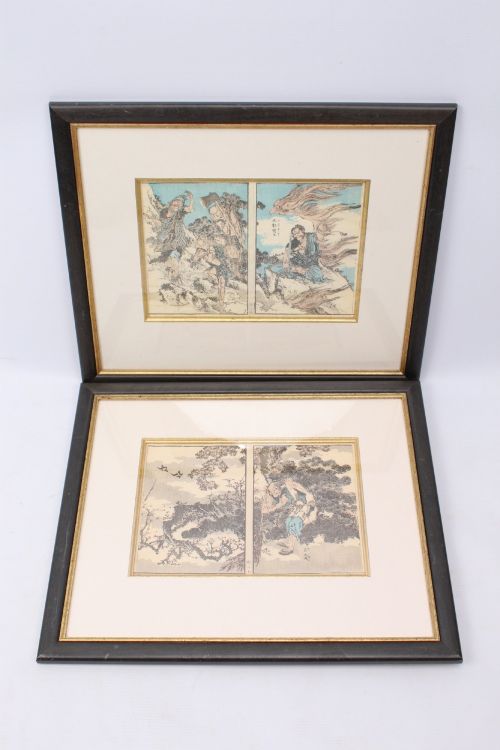
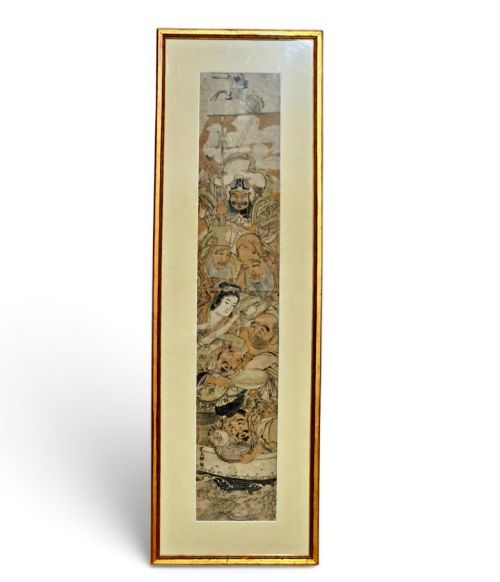
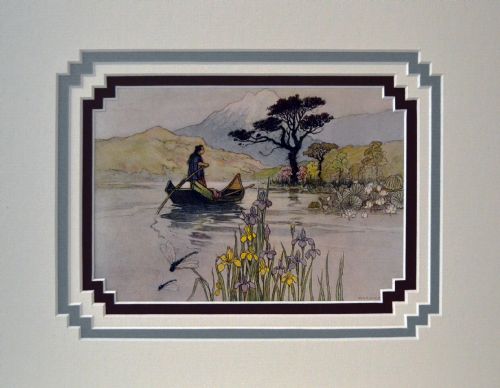
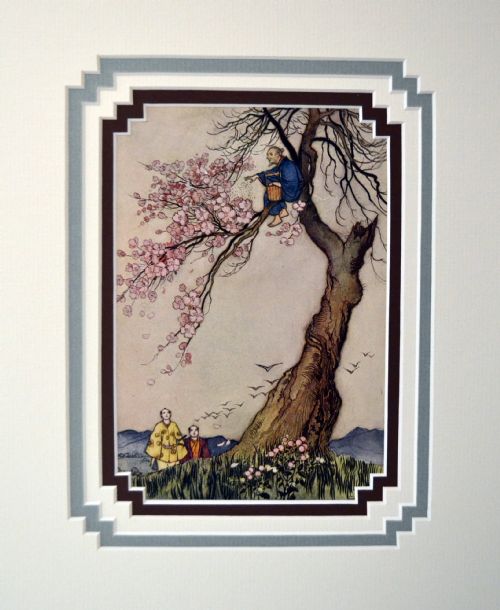
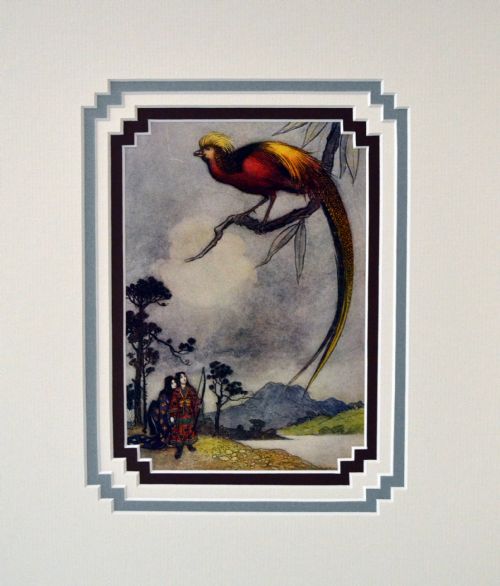
When you search for framed japanese art, you encounter a diverse selection of works spanning the Edo period, Meiji period and twentieth century. The inventory includes woodblock prints, silk paintings, watercolours and textiles preserved behind glass in period surrounds.
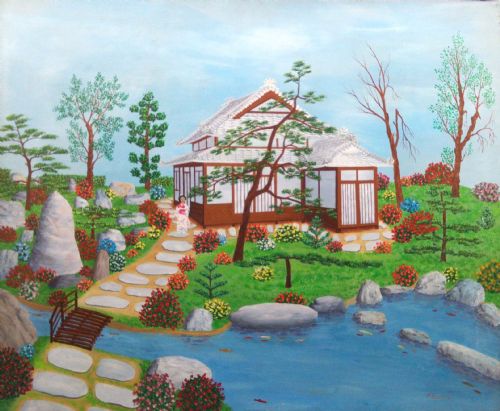
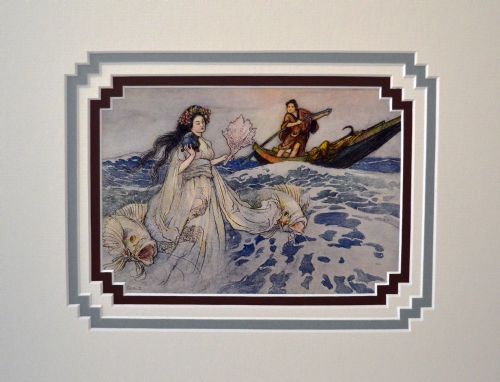
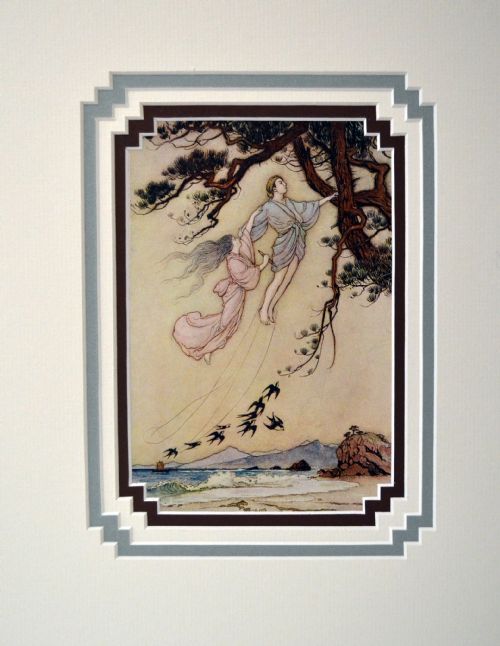
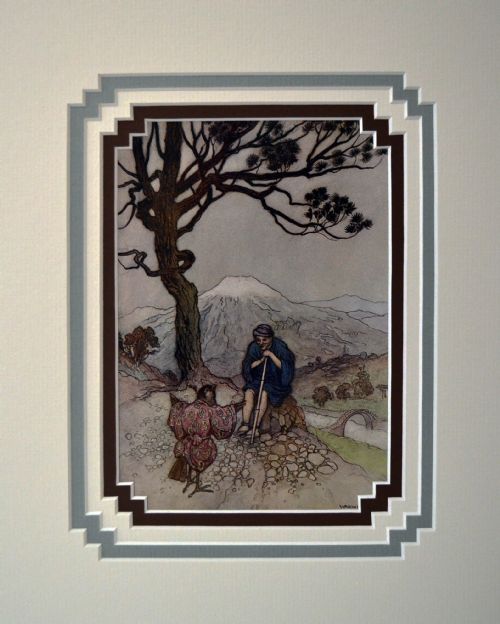
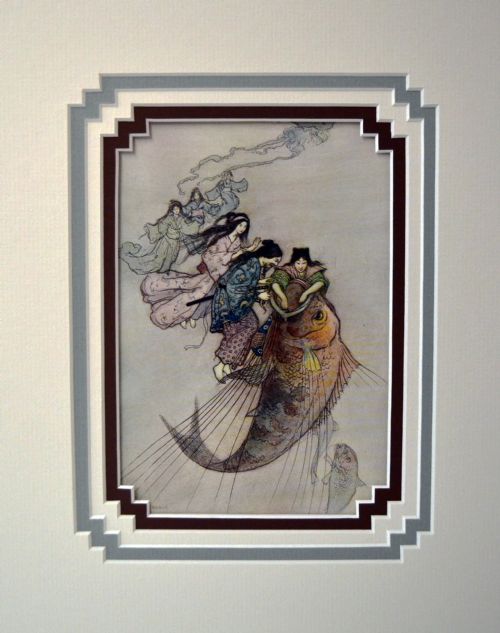
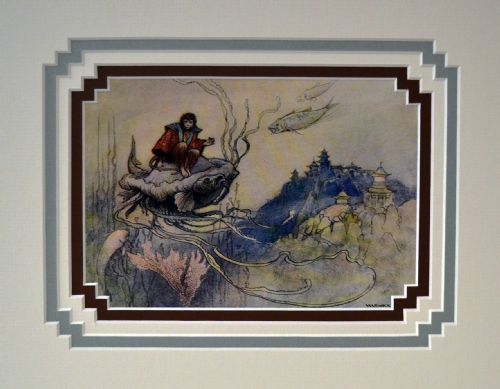
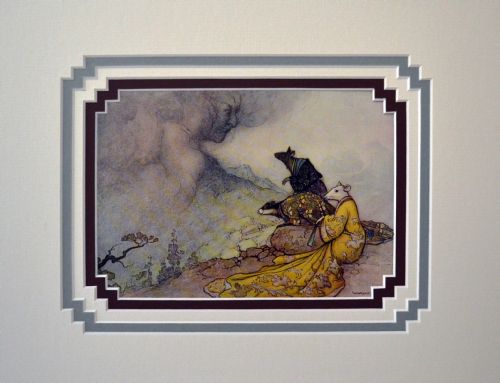
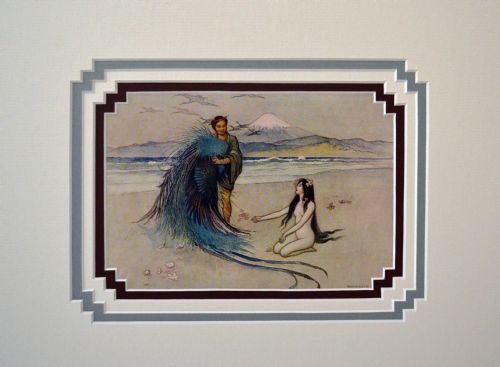
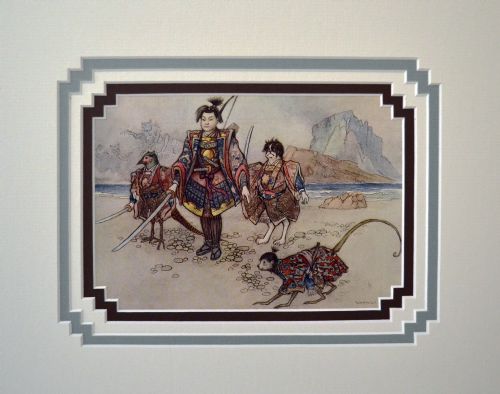
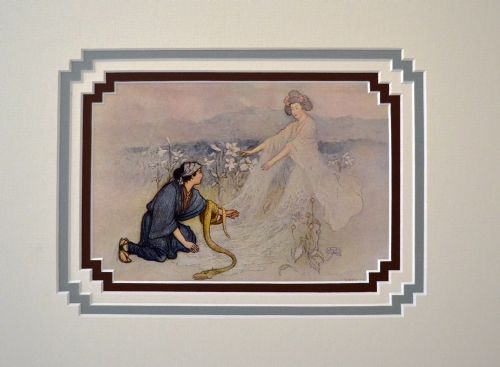
Woodblock prints by masters such as Hokusai, Utamaro and Kunisada form a substantial portion of these listings, often mounted in traditional silk brocade and wood frames. You will also find fairy tale illustrations, roundels and oil paintings on canvas depicting scenes from Japan.
Materials and construction
The works utilise traditional media including ink and watercolour applied to paper, card or fine silk. Woodblock prints rely on carved blocks pressed onto paper, capturing crisp lines and subtle colour gradations.
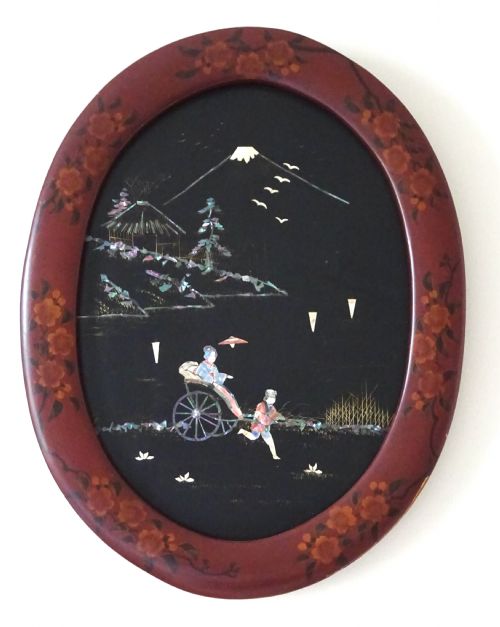
Enclosures often feature carved wood, rosewood or red lacquered frames inlaid with mother of pearl and abalone, fitted with protective glass to shield the fragile textiles and papers within.
Materials recorded in the inventory include mother of pearl, red lacquer, rosewood, glass and ink.
Assessing quality and execution
Quality rests upon the clarity of the impression in woodblock examples and the finesse of brushwork in silk paintings and watercolours. Early impressions display sharp registration and rich pigment saturation, whereas later editions can appear flat.
The standard of the mounting and framing influences the overall presentation, with fine silk brocade surrounds and stable wooden enclosures elevating the preservation and visual impact of the piece.
Katsukawa Shunshō·Warwick Goble·Kitagawa Utamaro·Takabatake Kasho·Takashi Nakayama
The Framed Japanese Art Glossary
- Ukiyo-e
- A genre of Japanese art translating to pictures of the floating world, depicting scenes of urban life, landscapes and kabuki actors. These woodblock prints and paintings became widely collected in the west during the nineteenth century.
- Woodblock print
- An image produced by carving a design into a block of wood, applying ink, and pressing it onto paper. This technique allowed for multiple impressions of intricate graphic works.
- Silk painting
- Artwork executed directly onto woven silk fabric using delicate brushwork and traditional pigments. These pieces require careful framing behind glass to protect the fine textile fibres.
- Roundel
- A circular decorative panel or artwork, often framed individually or in pairs. They appear in lacquer and painted formats within traditional Japanese design.
- Triptych
- A set of three associated panels or prints designed to be displayed together as a single continuous composition. They frequently portray figural or narrative scenes.
Framed Japanese Art: Frequently Asked Questions
How do I date antique japanese prints?
Dating relies on stylistic markers, publisher seals and the specific periods of production such as the Edo or Meiji eras. Paper quality and framing methods also offer clues to the age of the item.
Examination of the signature and block carver marks can help narrow down the decade of creation. Comparing the impression sharpness to known benchmarks clarifies its place in the printing sequence.
Where should I hang silk paintings?
Silk paintings require placement away from direct sunlight to prevent the natural fibres and pigments from fading over time. Controlled interior lighting preserves the delicate details of the textile.
Keeping these artworks in rooms with stable humidity protects both the silk and the surrounding wooden frame. Professional framing with UV-protective glass ensures long-term preservation.
What is an ukiyo-e print?
Ukiyo-e translates as pictures of the floating world, representing the popular culture, landscapes and courtesans of historical Japan. These woodblock prints were mass-produced for urban audiences.
Today, surviving examples are treasured for their graphic mastery and influence on European modern art. They showcase vibrant compositions achieved through skilled block printing.
How are woodblock prints constructed?
An artist draws the design, a carver transfers it to a cherry wood block, and a printer applies water-based pigments to paper. Multiple blocks are used for multi-coloured images.
This collaborative process ensures precise alignment across the sheet. The resulting prints exhibit a characteristic matte finish distinct from western oil paintings.