

Japanese Art Print
These japanese art print examples span centuries of skilled block printing and illustration, offering a glimpse into traditional Eastern aesthetics that collectors prize for their rich pigment and line work.
Japanese Art Print
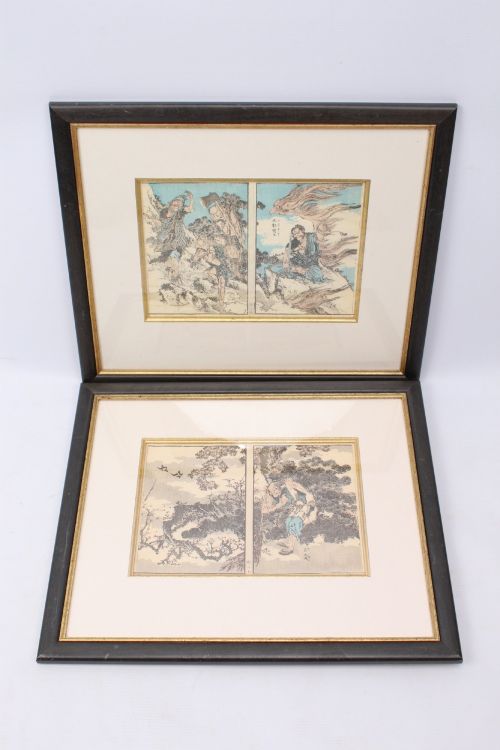
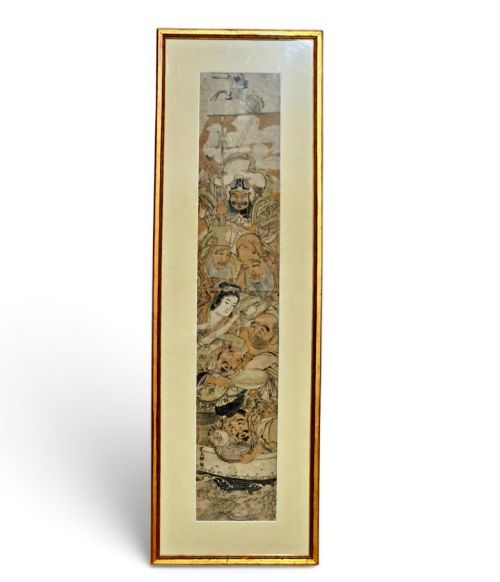
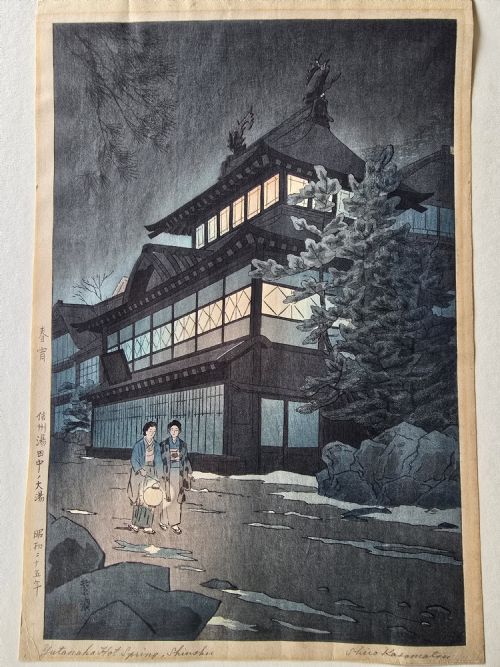
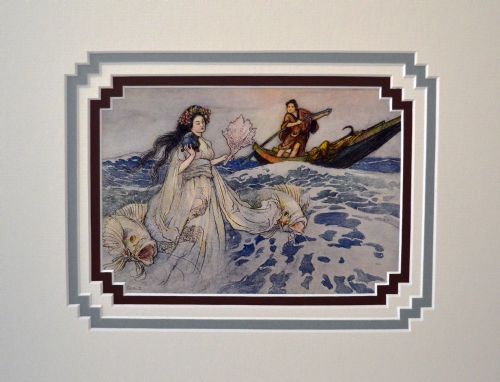
A japanese art print encompasses traditional woodblock works alongside early twentieth-century illustrations and watercolour paintings. You will encounter varied formats ranging from individual framed wall art to sets of multiple sheets and book prints.
The material origins stretch from the eighteenth-century Edo period through Victorian and Edwardian eras up to nineteen-fifty. Works appear on paper, card, and cardboard, frequently finished with mountboard and wood frames.
Materials and methods
Makers utilised wood blocks, paper, card, and ink to produce these works through traditional carving and stamping methods. Coloured pigments were carefully applied across multiple layers to build up the rich imagery.
Framing often involves wood such as rosewood alongside glass and silk brocade mounts to protect the delicate paper surfaces. Mountboard and cardboard provide structural support for the antique sheets.
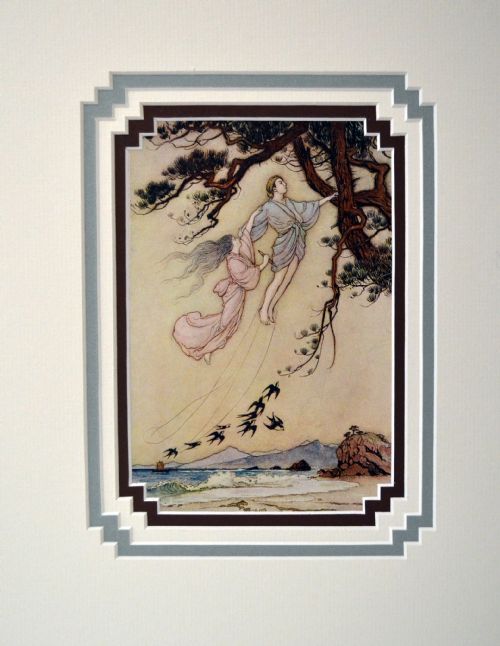
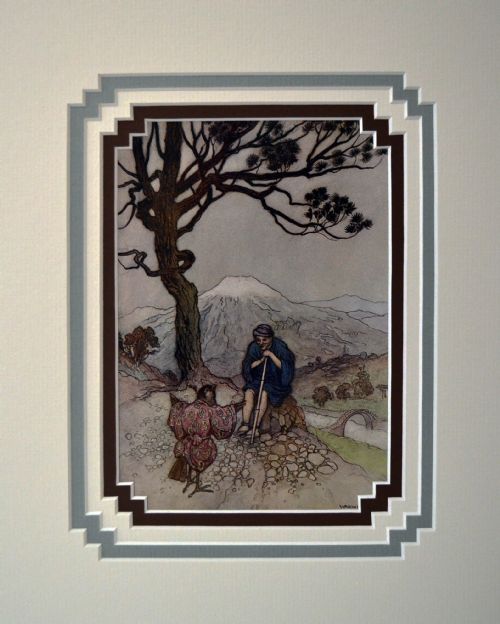
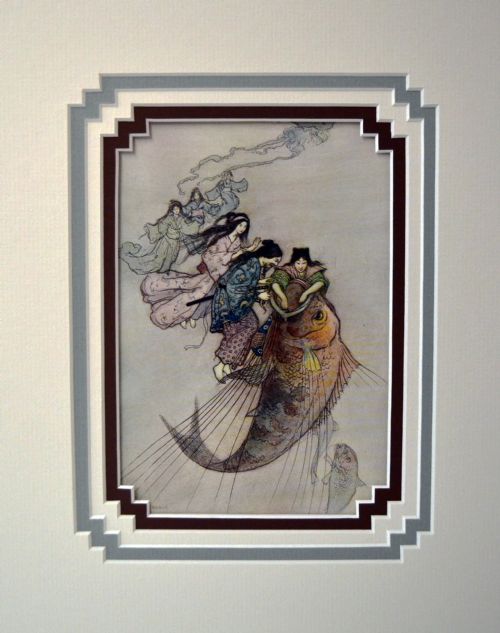
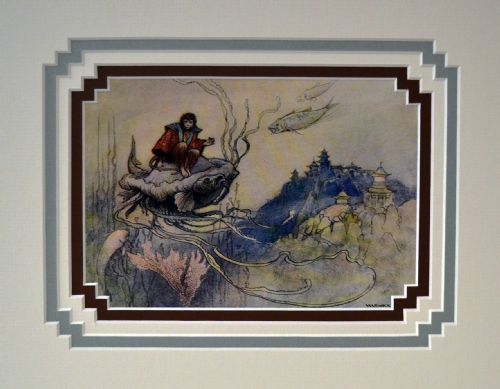
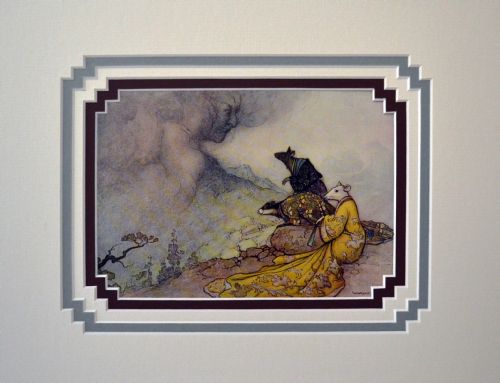
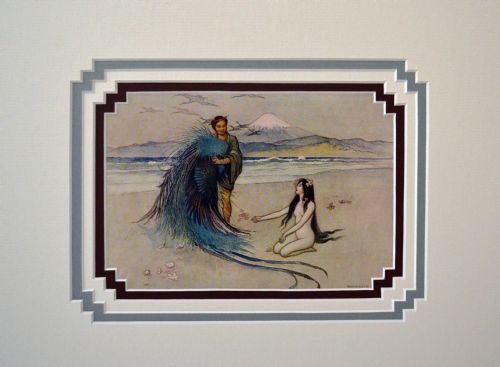
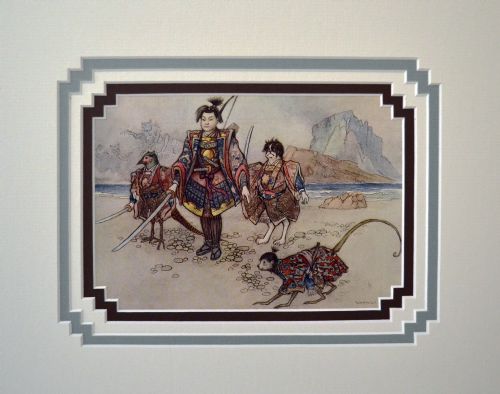
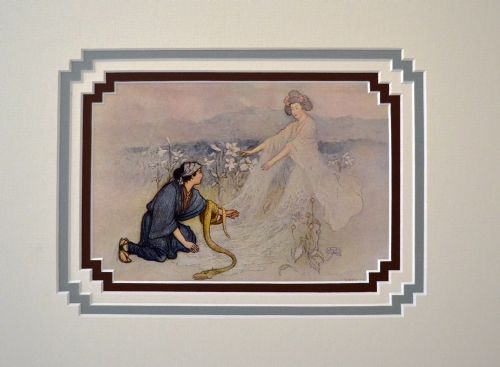
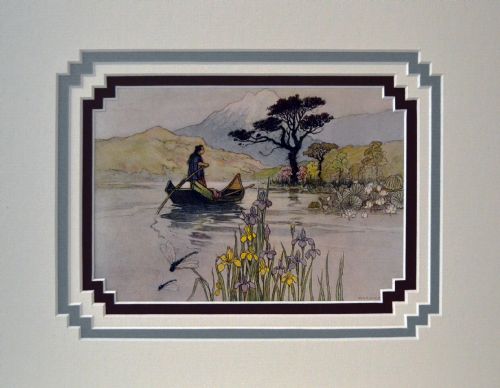
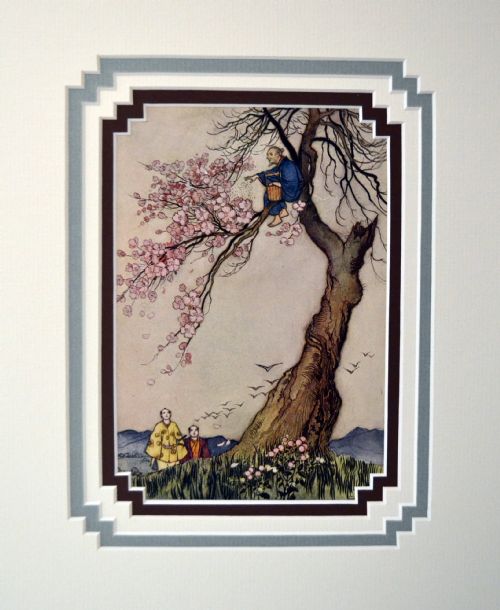
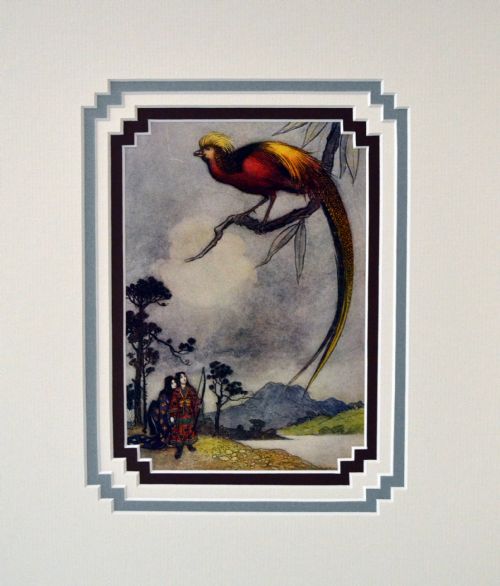
Several sets recount whimsical Japanese fairy tales, proving that antique walls deserve a good story just as much as a pretty picture.
Assessing print quality
Quality rests upon the clarity of the ink impressions and the preservation of the original paper or card. Strong registration across colour blocks indicates careful execution by the printer.
The integrity of the surrounding mount, glass, and wood frame contributes to the overall presentation of the piece. First edition impressions and named artists typically elevate the standing of a work.
Hokusai·Katsukawa Shunsho·Shiro Katamatsu·Warwick Goble·Kitagawa Utamaro·Kunisada
The Japanese Art Print Glossary
- Woodblock print
- An image created by carving a design into a wooden block, applying ink, and pressing it onto paper. This technique forms the basis of traditional works from the Edo period and later eras.
- Ukiyo-e
- A genre of Japanese art translating to pictures of the floating world, depicting scenes of urban lifestyle and landscape. These works date from the seventeenth through the nineteenth centuries.
- Shin-Hanga
- A movement in early twentieth-century Japan that revitalised traditional woodblock printmaking. It combined traditional Edo techniques with Western watercolour-inspired aesthetics.
- Mountboard
- Heavy paperboard used for framing and supporting works on paper. It provides a protective barrier between the print and the backing.
- First edition
- The earliest printing of a book or set of prints from the original plates or blocks. These copies are often sought after by collectors.
Japanese Art Print: Frequently Asked Questions
How do I care for a japanese art print?
Keep prints away from direct sunlight to prevent the ink and paper from fading over time. Maintaining stable indoor humidity levels protects the delicate paper or card components.
Ensure frames remain properly sealed with glass to guard against dust and moisture. Professional framing using acid-free mountboard further preserves the longevity of antique works.
What is the difference between Edo and Shin-Hanga prints?
Edo period works reflect traditional ukiyo-e aesthetics focusing on kabuki actors, landscapes, and daily life. They represent the classic foundational era of woodblock printing.
Shin-Hanga pieces emerged later, incorporating Western perspectives and atmospheric lighting while retaining traditional artisan collaboration. These twentieth-century prints often showcase nuanced colour gradients.
How can I identify the age of a print?
Examine the paper type, framing materials, and stylistic markers associated with specific periods like Victorian, Edwardian, or the eighteenth century. Signatures and publisher stamps often provide clues to the exact era.
Comparing the printing technique and pigment style against documented examples helps narrow down the production date. Expert dealers also evaluate the wear and tear on the mountboard and backing.
Where were these prints displayed historically?
Many works originated as illustrated book pages or affordable single-sheet prints for urban citizens during the Edo period. They were often kept in albums or displayed simply within homes.
Later Victorian and Edwardian collectors mounted and framed these pieces for formal wall display in Western interiors. Today, they function primarily as protected wall art.