


Blue Japanese Print
A blue japanese print offers a striking visual narrative, capturing traditional aesthetics through woodblock and book illustration.
Blue Japanese Print
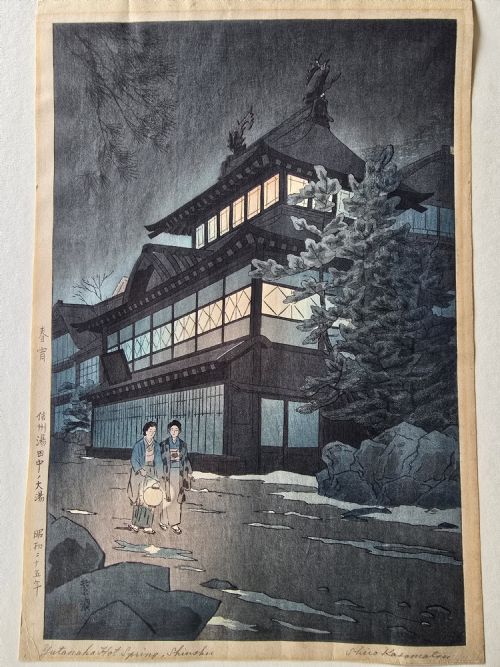
When you search for a blue japanese print, you encounter a selection of works spanning the Edo period, the 1900s, the Edwardian era, and 1950. These encompass framed art prints, woodblock prints, and first edition book illustrations.
The objects on this page range from nineteenth century woodblock prints to early twentieth century book illustrations and mid century compositions. They appear in formats including prints and wall art.
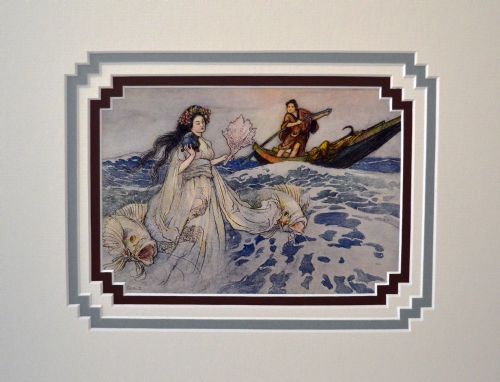
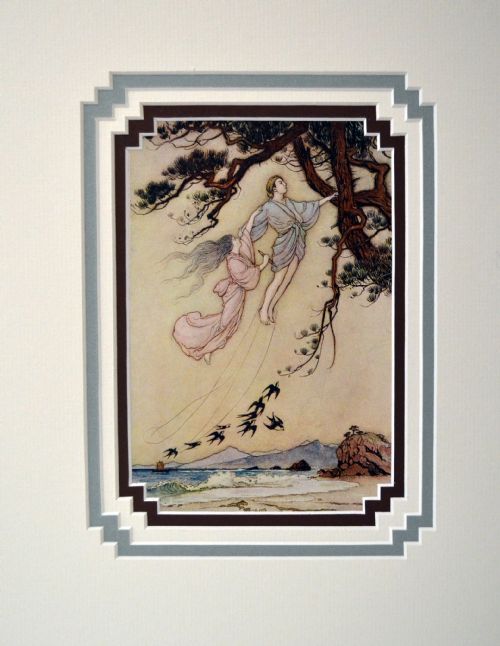
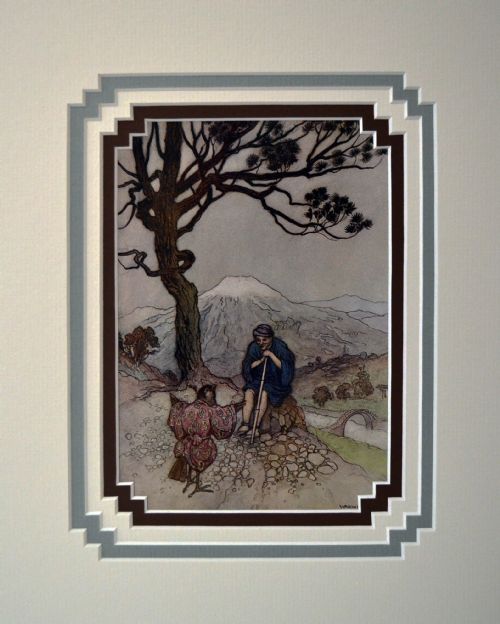
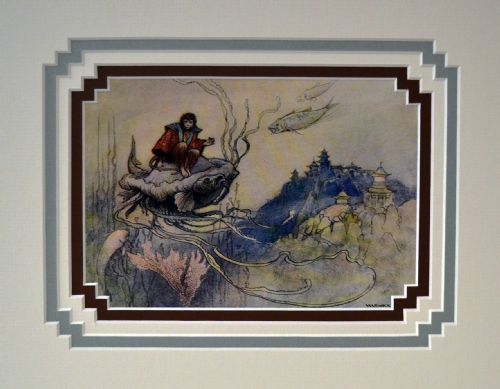
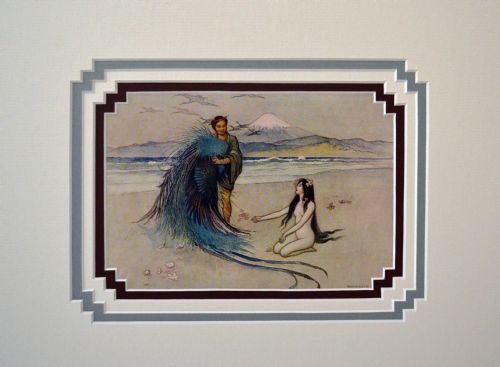
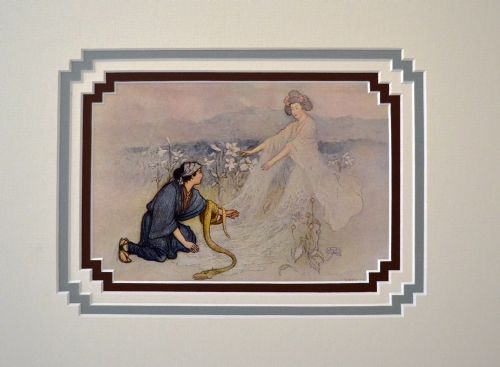
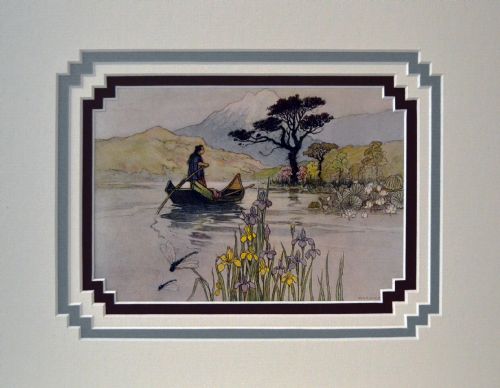
You are most likely to meet Edwardian book illustrations by Warwick Goble alongside traditional woodblock prints and watercolour works.
How they were made
These works utilise paper and ink, often applied through traditional woodblock techniques to create distinct tonal variations. Many examples incorporate card, cardboard, mount board, and wood for framing and support.
Framed prints on this page typically combine glass protection with wooden surrounds or mountboard framing to preserve the delicate paper surfaces.
Fairies and traditional Japanese subjects share the same ink, proving that nineteenth century illustrators had remarkably broad imaginations.
What varies in quality
The standard of a print rests in the clarity of the ink application and the preservation of the paper support over time. Earlier pieces from the Edo period or mid nineteenth century display different characteristics compared to twentieth century illustrations.
The quality of the framing materials, such as wood and mount board, influences the overall presentation and protection of the artwork.
Shiro Katamatsu·Warwick Goble·Kunisada
The Blue Japanese Print Glossary
- Woodblock print
- An image created by carving a design into a block of wood, applying ink, and pressing it onto paper. This technique defines much of traditional Japanese printmaking.
- Shin-Hanga
- A twentieth century art movement in Japan that revitalised traditional woodblock printing techniques. It combined traditional Edo subject matter with western influences in perspective and shading.
- Japonisme
- A nineteenth century term describing the influence of Japanese art on western culture. This style appears in Edwardian design elements.
- Mount board
- Heavyweight cardboard used in framing to separate the artwork from the glass. It provides structural support and protects the paper.
Blue Japanese Print: Frequently Asked Questions
What is a blue japanese print?
A blue japanese print is a term covering woodblock prints, watercolours, and book illustrations produced across various periods. These works showcase traditional Japanese themes and techniques.
They include framed art prints and first edition illustrations from the nineteenth and twentieth centuries.
How do I display these prints safely?
Display these paper works away from direct sunlight to prevent the ink and paper from fading over time. Using glass and mount board helps protect the surface from atmospheric damage.
Ensure that framing materials are stable and suitable for fragile antique paper.
How are different periods distinguished?
Periods are identified through stylistic markers, materials, and documented dates associated with specific artists. Edo period and nineteenth century works differ visually from Edwardian and mid century pieces.
Examining the type of paper, ink depth, and printing technique provides further clues to the age of the piece.
Were these prints meant for books?
Some pieces originate as first edition illustrations from published works, such as fairy tale collections. These were printed to accompany specific literary narratives.
Other examples are standalone woodblock prints created as independent artworks.