


Vintage Japanese Artwork
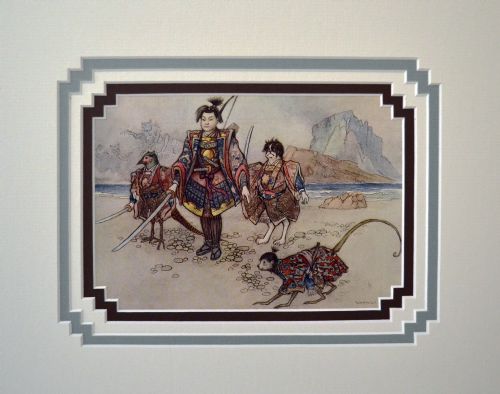
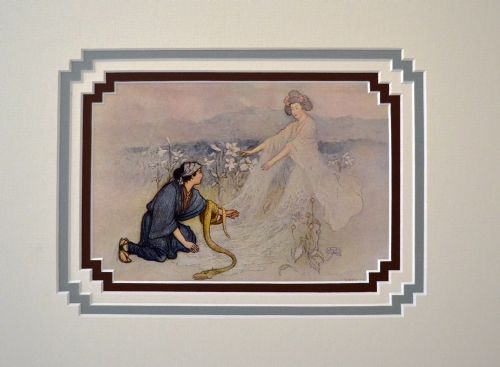
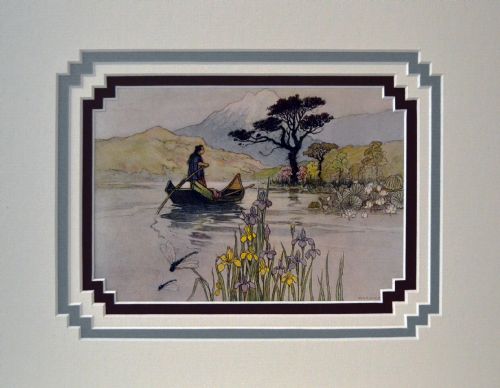
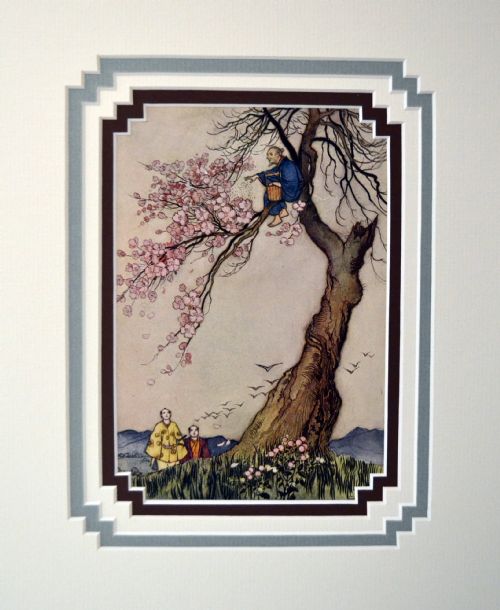
These vintage japanese artwork pieces bring traditional Eastern motifs and delicate craftsmanship directly into modern interiors.
Vintage Japanese Artwork
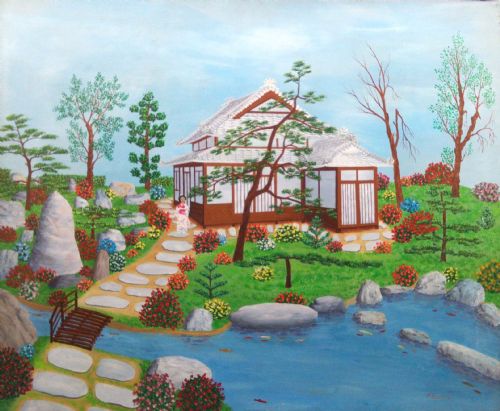
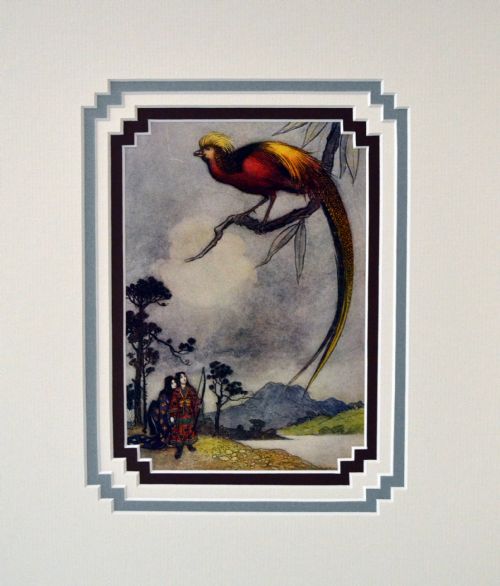
When you search for vintage japanese artwork, you encounter a diverse selection ranging from traditional woodblock prints to delicate paintings on silk and framed textiles. The pieces span periods from the nineteenth century through the mid twentieth century, capturing distinct aesthetic movements.
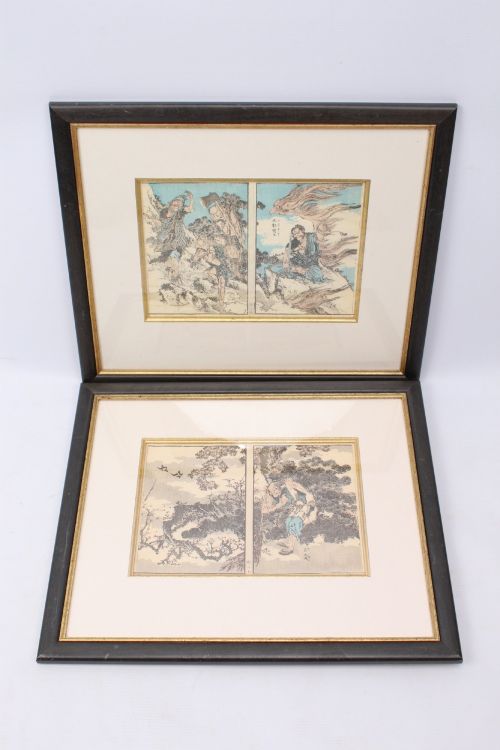
You are most likely to meet prints and paintings originating from the Meiji period, Edo period revivals, and later twentieth century interpretations. Common formats include framed antique prints, painted silk panels, and detailed woodblock works.
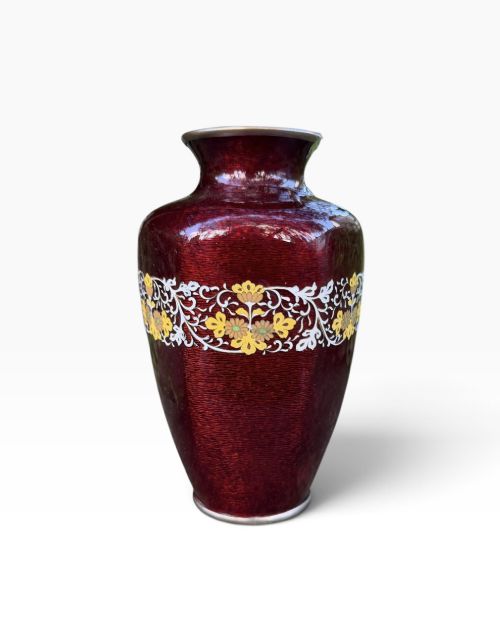
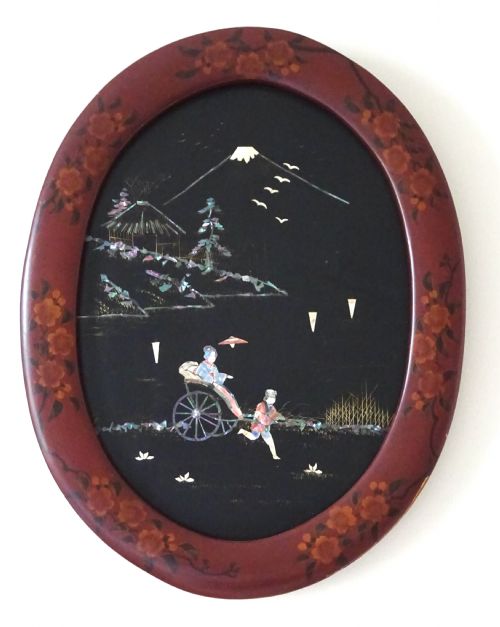
The assortment also encompasses unique decorative items such as glass paintings, cloisonne enamel plates, and lacquered roundels. Each format offers a tangible connection to historical Japanese artistic traditions and craftsmanship.
Materials and techniques
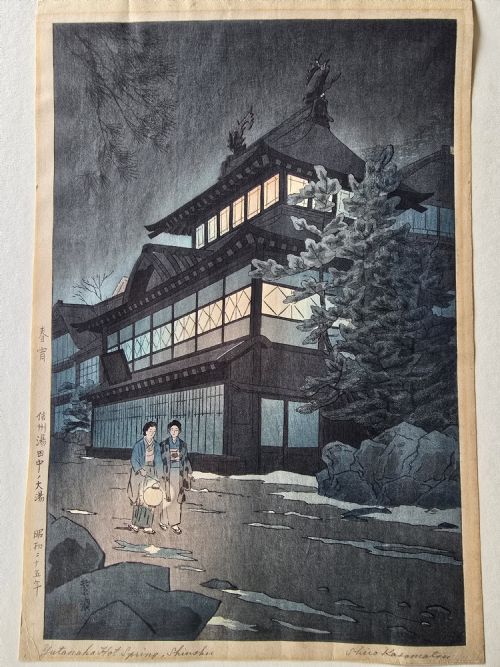
The works utilise traditional organic and manufactured materials, predominantly paper, silk, ink, and wood. Woodblock prints rely on carved blocks and inked impressions on paper, while paintings utilise fine silk grounds and liquid pigments.
Framing and mounting often incorporate card, mount board, glass, and specialised woods like rosewood alongside silk brocade mounts. Decorative objects additionally employ mother of pearl, abalone, red lacquer, and cloisonne enamel over metal bases.
Watch out for mischievous frogs engaged in mock battles on silk panels, proving that nineteenth century artists possessed a wonderful sense of humour.
Assessing quality and execution
Quality in these pieces rests upon the precision of the ink application, the vibrancy of the pigments, and the preservation of the delicate grounds such as paper and silk. Masterful woodblock impressions display crisp lines and deliberate colour registration without blurring.
The integrity of the framing and mounting materials further distinguishes superior examples, with silk brocade mounts and period frames adding significant context. Finer works demonstrate superior hand-painted detail or expert carving within decorative elements like mother of pearl inlay and enamel.
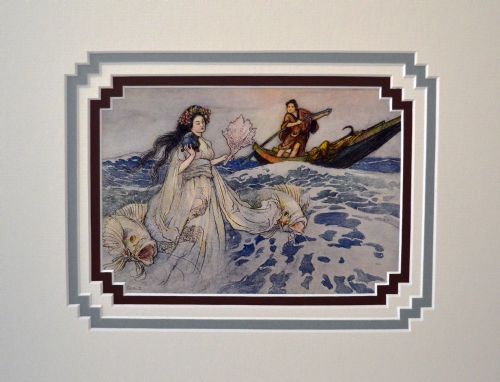
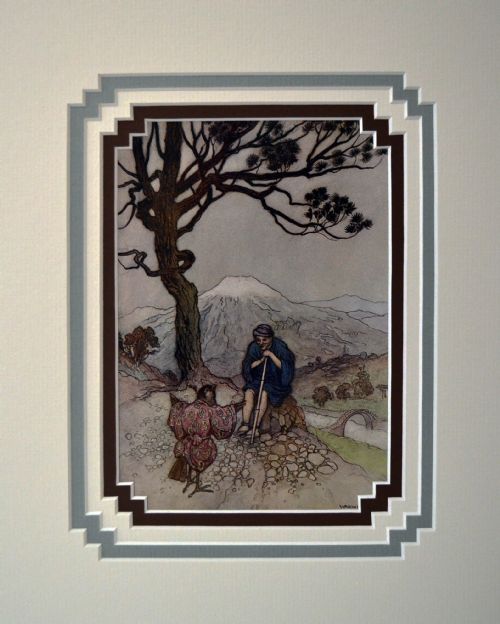
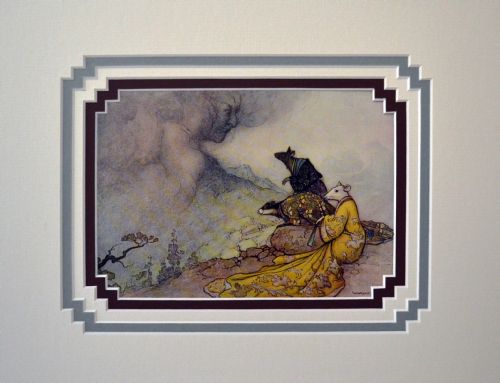
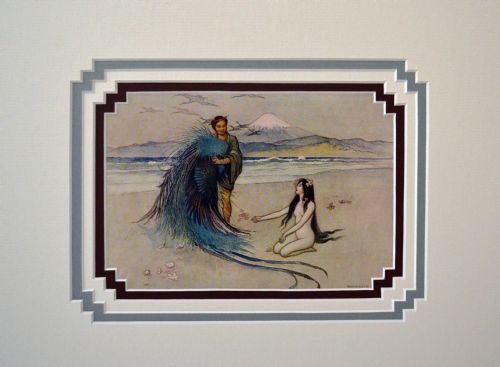
Shiro Katamatsu·Warwick Goble·Takabatake Kasho·Kunisada·Takashi Nakayama
The Vintage Japanese Artwork Glossary
- Woodblock print
- A technique where an image is carved into a block of wood, inked, and transferred to paper. This method allowed for the mass production of detailed artistic prints in historical Japan.
- Ukiyo-e
- A genre of Japanese art translating to pictures of the floating world, depicting scenes of pleasure and nature. These works heavily influence international perceptions of Japanese aesthetics.
- Shin-Hanga
- A twentieth century printmaking movement that revitalised traditional ukiyo-e themes with Western perspective and lighting. Artists in this tradition collaborated closely with publishers, carvers, and printers.
- Cloisonne
- An enamelwork technique where metal wire creates compartments on a base plate, which are then filled with coloured paste and fired. This creates intricate patterns resembling stained glass.
- Silk painting
- Artwork created directly onto woven silk fabric using traditional inks and pigments. These delicate pieces require careful framing behind glass to protect the textile ground.
Vintage Japanese Artwork: Frequently Asked Questions
What defines vintage japanese artwork?
These pieces encompass historical prints, silk paintings, and decorative objects created during the nineteenth and twentieth centuries. They reflect traditional Japanese aesthetics including ukiyo-e and Shin-Hanga styles.
Buyers are drawn to their intricate handwork, delicate materials, and historical connection to Japanese printmaking and painting traditions.
How do I care for silk paintings?
Silk paintings require protection from direct sunlight to prevent the organic pigments and delicate fabric from fading. Keeping them behind glass in stable humidity environments ensures the textile remains secure.
Avoid hanging these pieces in damp areas such as kitchens or bathrooms to prevent degradation of the silk ground.
How are woodblock prints dated?
Dating relies on stylistic clues, publishing marks, paper types, and documented active periods of the specific artists involved. Many pieces carry seals or signatures that link them to Meiji or Edo traditions.
Examining the framing and mounting materials also provides helpful chronological context for when the artwork was prepared for display.
What is the difference between prints and paintings?
Prints are mechanically or manually transferred impressions from a carved block onto paper, allowing for multiple similar editions. Paintings are unique hand-drawn creations executed directly onto silk, paper, or canvas using ink and pigments.
Paintings show individual brushstrokes and hand mixing of colours, whereas prints reveal the characteristic lines of carved blocks.