
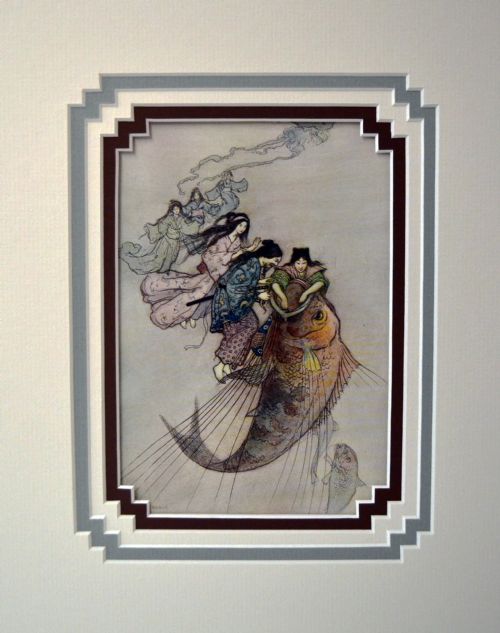
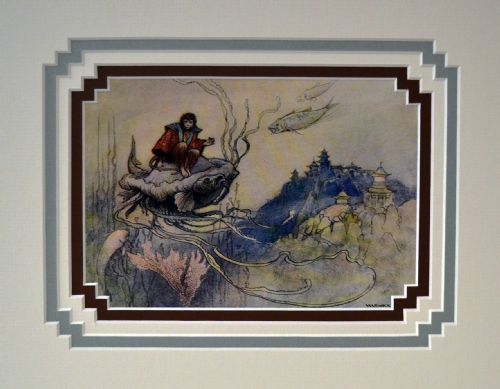
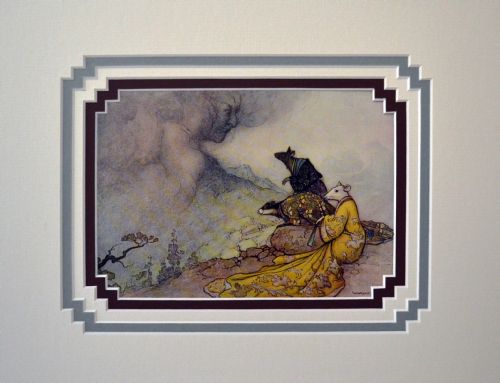
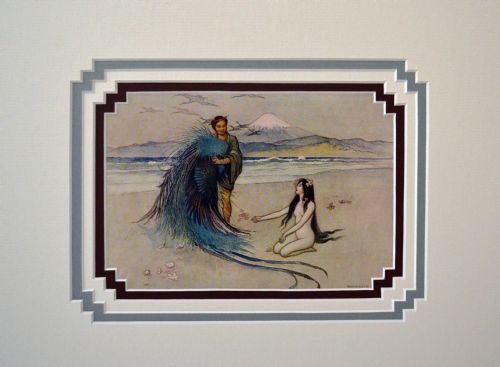
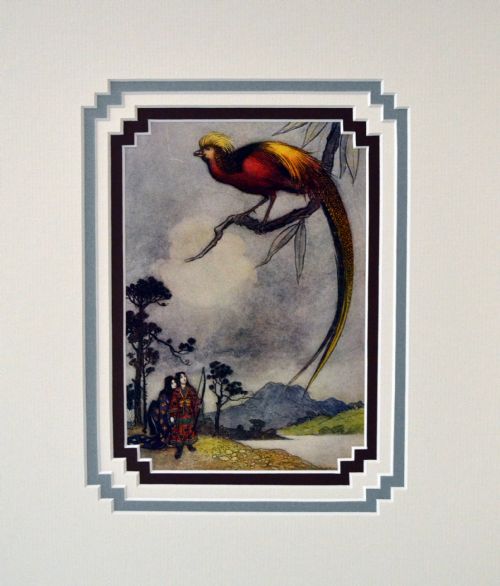
Antique Japanese Illustration
An antique japanese illustration brings delicate colour and narrative depth to a room, offering a window into traditional tales and classic woodblock design.
Antique Japanese Illustration
An antique japanese illustration captures stories and scenes from historic periods, drawing viewers into intricate visual narratives. When you search for an antique japanese illustration, you encounter works spanning the Edo period through the Edwardian era.
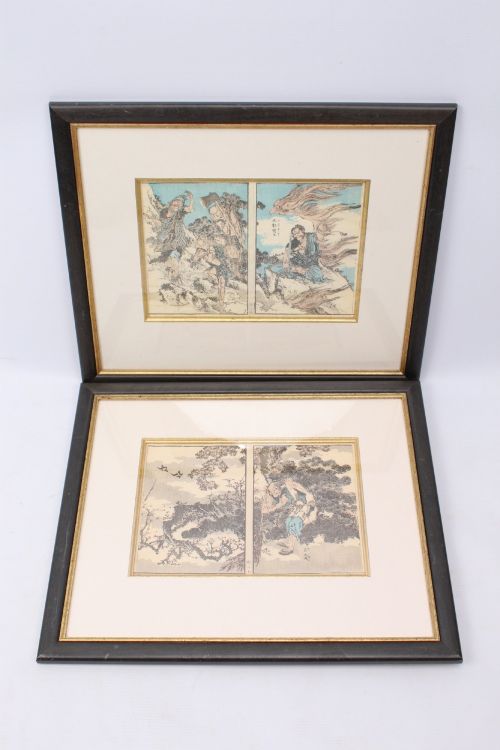
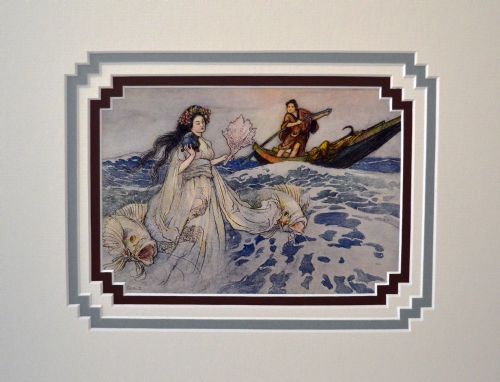
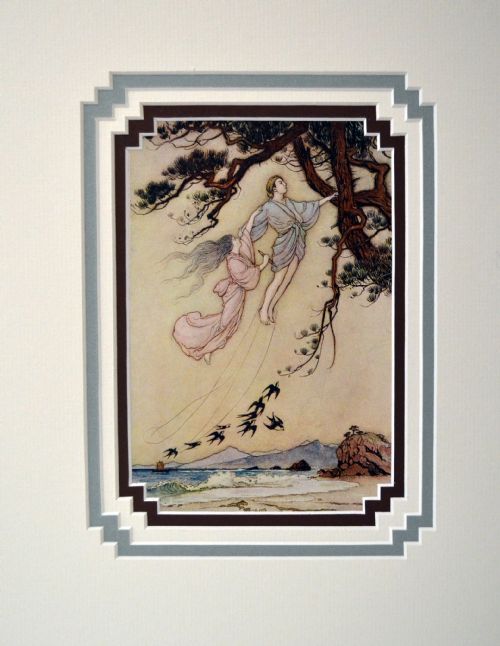
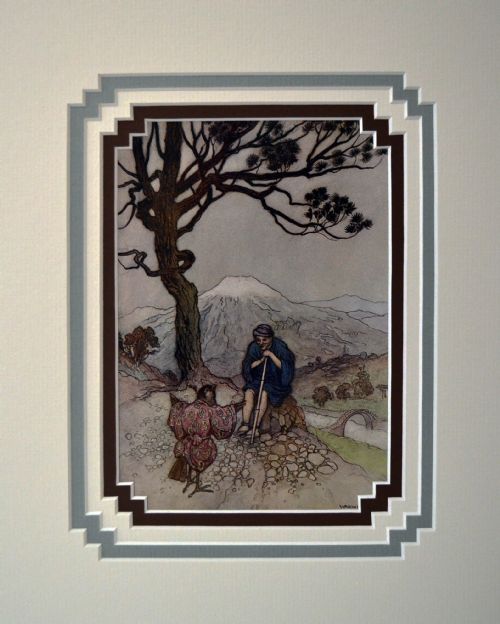
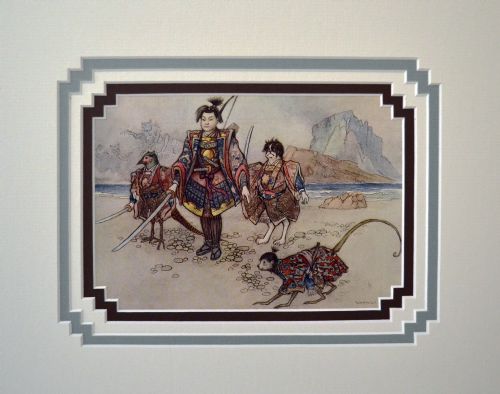
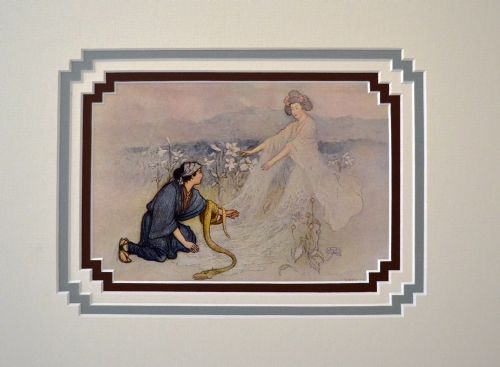
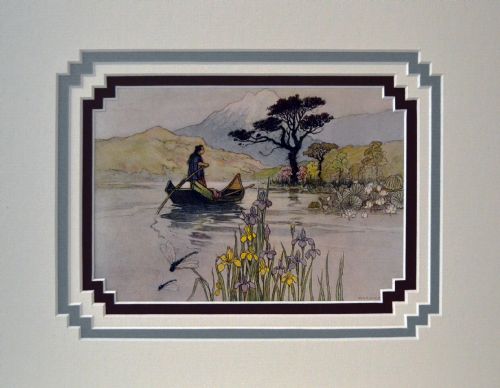
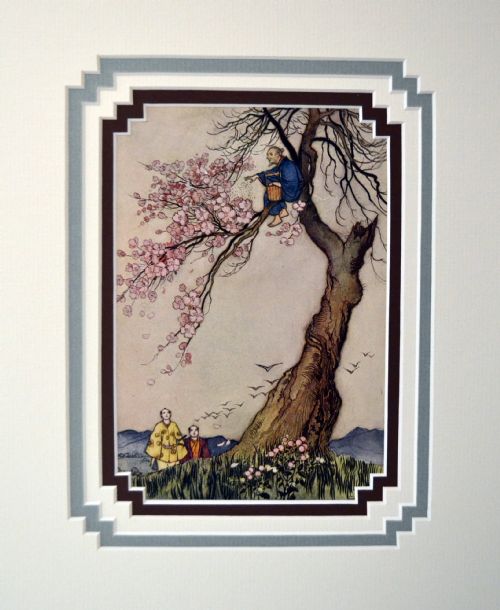
The pieces on this page lean heavily towards Edwardian fairy tale prints alongside classic woodblock works. They bridge Eastern subjects with Western publishing styles of the early twentieth century.
Framed prints and unbound book plates form the core of what appears here. These items bring distinct graphic character to domestic walls without overwhelming smaller spaces.
How they were made
Makers utilised ink and paper as the foundational media for these illustrations. Woodblock printing techniques allowed artisans to transfer sharp lines and flat areas of colour onto delicate sheets.
Publishers paired these delicate paper prints with card, mountboard, and wooden frames for display. This framing protected the works while suiting Edwardian interior tastes.
Book illustrations dominate the current selection, specifically first edition fairy tale prints alongside traditional woodblocks.
What varies in quality
The vibrancy of the ink and the preservation of the paper stock define the grade of each piece. Impressions taken early in a printing run show crisper lines than later strikes.
Mounting and framing choices alter the overall presentation of the artwork. Period frames and clean mountboards maintain the historical integrity of the piece better than modern replacements.
Warwick Goble·Hokusai
The Antique Japanese Illustration Glossary
- Woodblock print
- A relief printing technique where ink is applied to carved blocks of wood and pressed onto paper. This method produced the iconic lines seen in historic Japanese art.
- Edwardian
- A stylistic period spanning the early twentieth century up to the First World War. Prints from this era often incorporate Japonisme influences into book illustrations.
- Mountboard
- A heavy paper-based board used to frame and support artworks. It creates a physical barrier between the print and the glass.
- Japonisme
- A Western artistic movement influenced by Japanese art and aesthetics. It shaped Edwardian illustration styles significantly.
Antique Japanese Illustration: Frequently Asked Questions
What is an antique japanese illustration?
These works are printed illustrations originating from traditional woodblocks or early twentieth-century editions. They depict fairy tales, scenic views, and cultural stories.
Collectors prize them for their graphic simplicity and historical connection to both Eastern and Western publishing traditions.
How were these prints used?
Many of these pieces began life as book illustrations within bound volumes. Publishers later separated the plates for individual framing and display.
They served as decorative wall art in Edwardian homes that favoured exotic motifs and narrative subjects.
How do I care for paper prints?
Keep paper works away from direct sunlight to prevent the ink and pigments from fading over time. Acid-free mountboards help protect the delicate paper from chemical degradation.
Display them in rooms with stable humidity levels to avoid warping the card or mountboard.
How can I tell the periods apart?
Edo period works reflect traditional Japanese block printing techniques and indigenous aesthetics. Edwardian pieces often show a distinct Western book illustration style combined with Japanese themes.
Checking the paper type and associated framing materials offers further clues regarding the date of production.