
Framed Fairy Tale Art
Framed fairy tale art brings narrative charm to walls through Edwardian illustration, offering storybook charm for collectors.
Framed Fairy Tale Art
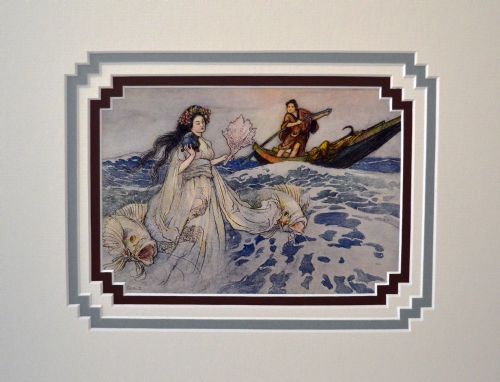
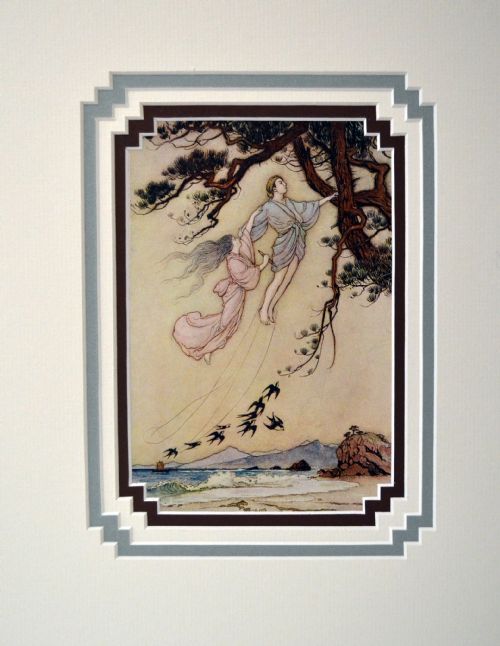
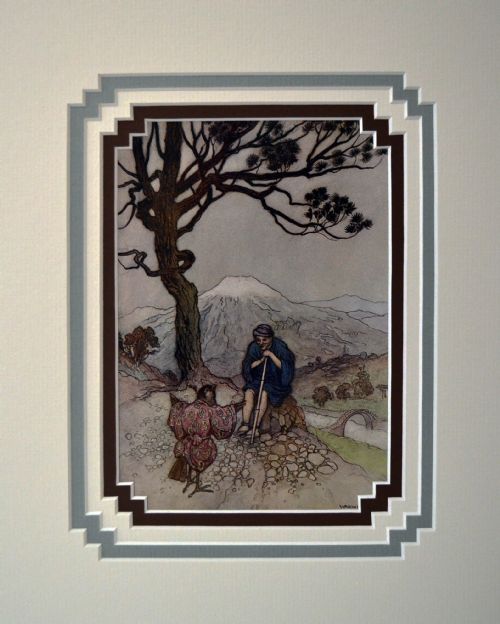
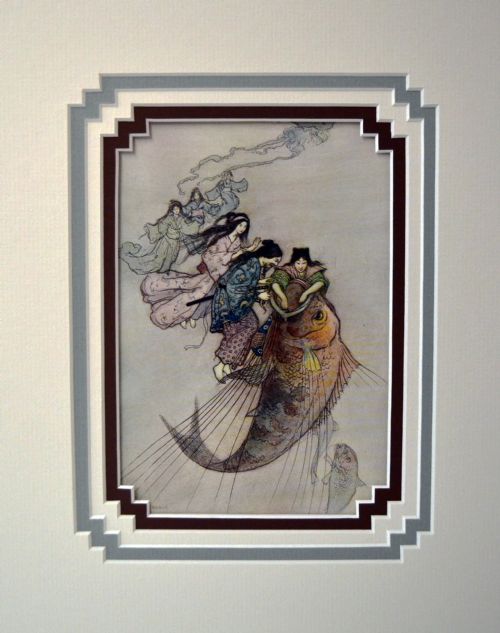
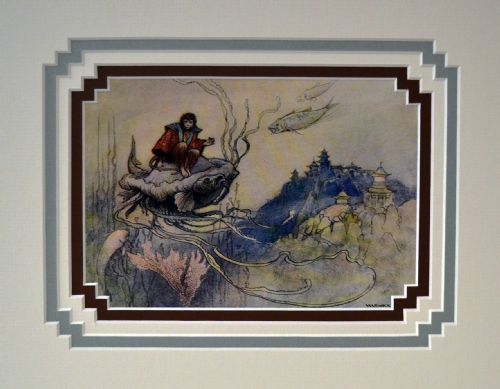
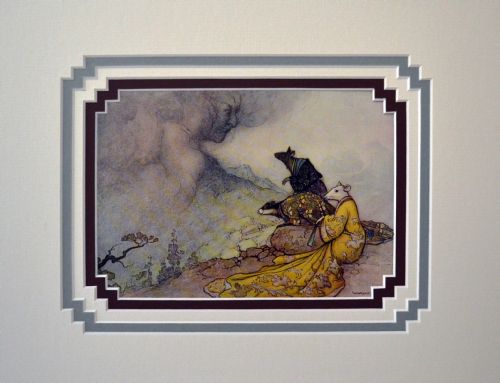
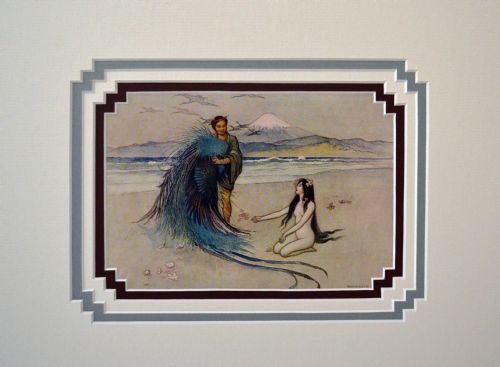
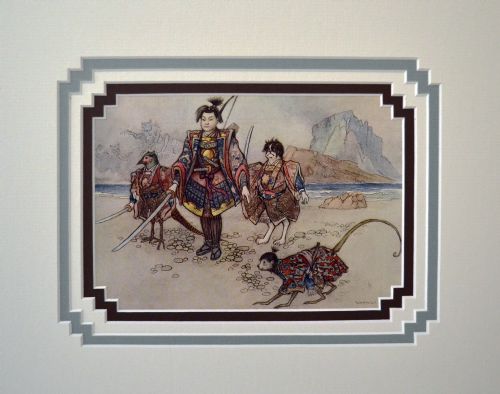
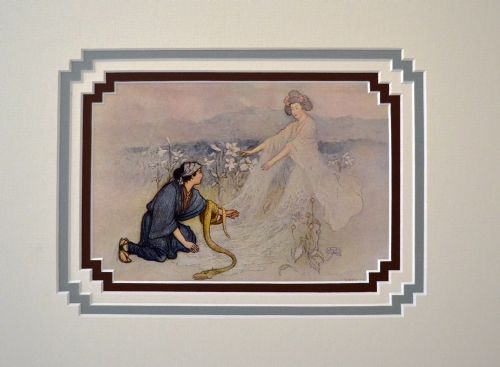
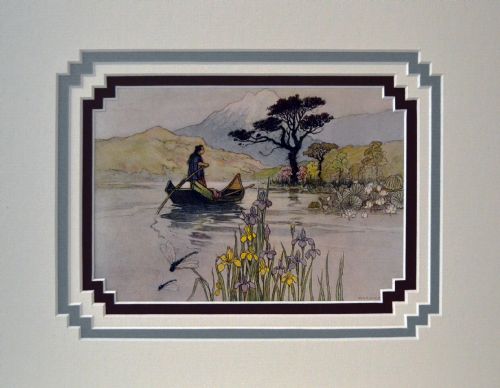
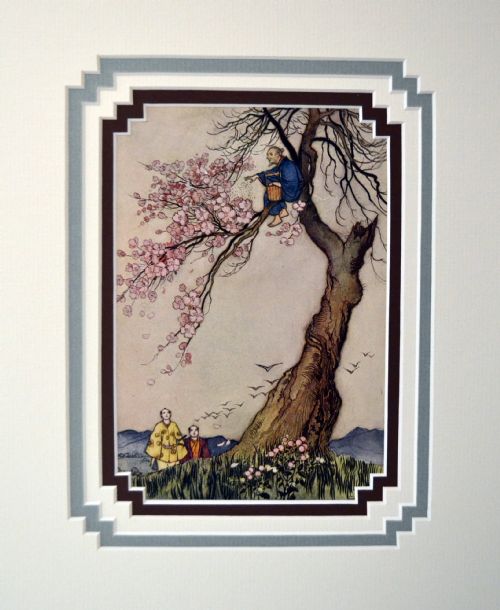
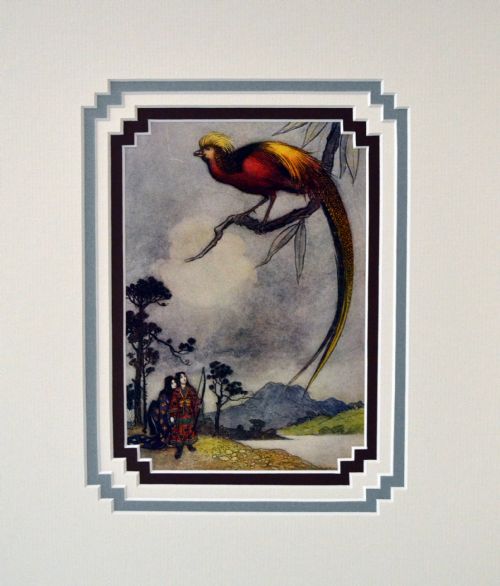
Framed fairy tale art consists of antique prints and illustrations from the early twentieth century, specifically from nineteen ten to nineteen twenty. These pieces capture traditional tales and folklore through Edwardian illustration and Golden Age illustration styles, often incorporating folk art elements.
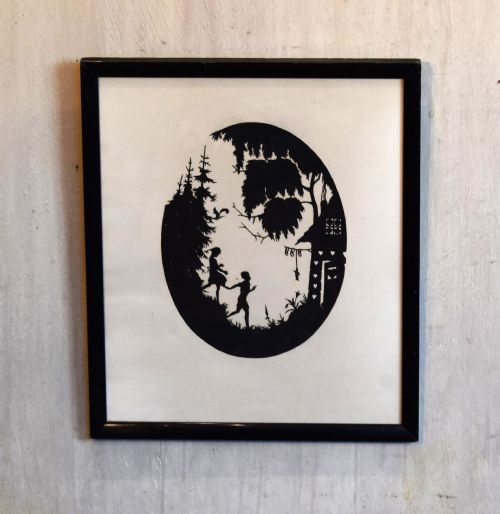
The selections on this page are dominated by first edition prints by Warwick Goble depicting Japanese fairy tales, alongside gothic silhouette interpretations of classic stories like Hansel and Gretel. These works bring narrative scenes into domestic spaces via prints and graphic art formats.
How they were made
These pieces utilise paper and card as the primary mediums for ink illustrations, capturing fine graphic detail from the Edwardian era. The resulting prints reflect the illustrative techniques common in early twentieth century publishing and printmaking.
Framing utilises wood, glass, mountboard, and mount board to protect and present the delicate paper and cardboard prints. This combination of traditional framing materials ensures the preservation of early twentieth century graphic works.
Listings feature paper, ink, card, wood, and mountboard spanning nineteen ten and nineteen twenty within Edwardian and folk art styles.
What varies in quality
Quality differences stem from the artistic execution within Edwardian illustration and Golden Age illustration styles, distinguishing mass publication from finer draughtsmanship. The clarity of the ink work and the expressive power of the silhouette or colour print dictate the visual impact of the piece.
The preservation of the paper and card components, along with the suitability of the wood frame and glass, influences the overall integrity of the antique print. First edition provenance from established illustrators like Warwick Goble elevates the standing of the work.
Warwick Goble
The Framed Fairy Tale Art Glossary
- First edition print
- An impression pulled from the initial printing of a book or portfolio. These items represent the earliest and most faithful reproduction of the illustrator's work.
- Silhouette
- A solid black shape representing an outline, popular in gothic interpretations of traditional stories. This technique relies on stark contrast to convey character and narrative.
- Mountboard
- A stiff cardboard material used to frame and separate the print from the glass. It provides structural support and prevents the artwork from touching the glazing.
- Edwardian illustration
- Artwork produced during the reign of Edward VII characterised by refined draftsmanship and decorative detail. This style bridges traditional Victorian aesthetics and early modern design.
- Japonisme
- The influence of Japanese art on Western aesthetics, visible in composition and line work. This movement heavily shaped early twentieth century illustration styles.
Framed Fairy Tale Art: Frequently Asked Questions
What periods do these framed prints cover?
The pieces span the early twentieth century, specifically focusing on the nineteen ten and nineteen twenty periods. This era coincides with the height of Edwardian illustration and Golden Age publishing.
Collectors find examples ranging from delicate colour illustrations to dramatic gothic silhouettes. Each piece reflects the aesthetic sensibilities of its specific publication decade.
How should I display framed fairy tale art?
These pieces suit placement in quiet rooms, reading spaces, or hallways where the narrative detail can be appreciated up close. Pairing them with traditional wooden frames complements their historical origins.
Keep the art away from direct sunlight to protect the paper, ink, and card materials from fading over time. Standard interior lighting is sufficient for viewing the fine lines of the illustrations.
What materials make up these framed artworks?
The primary components include paper, ink, and card or cardboard upon which the original illustrations are printed. Wood frames enclose the artwork alongside protective glass and mountboard.
These traditional materials require stable indoor humidity to prevent warping of the wood and degradation of the paper. The combination of glass and mountboard safeguards the delicate print surface.