
Antique Watercolour Illustration
These antique watercolour illustration works offer a tangible window into past botanical, military, and domestic worlds through delicate hand-applied pigment.
Antique Watercolour Illustration
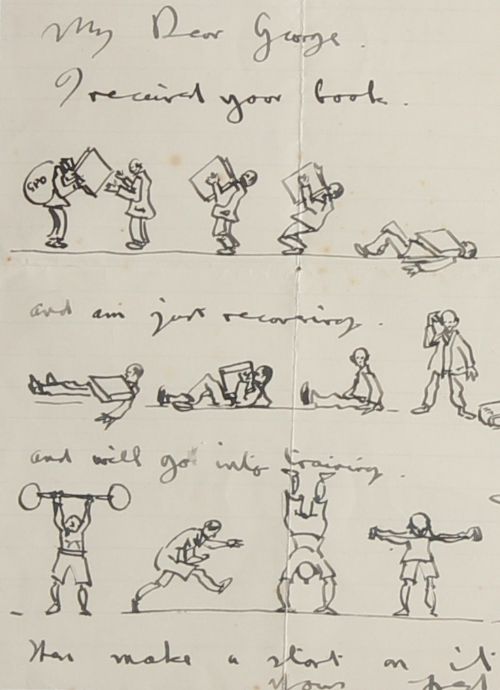
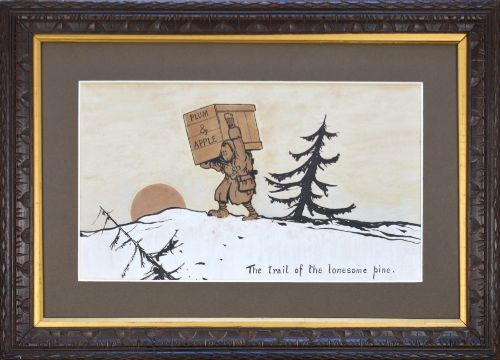
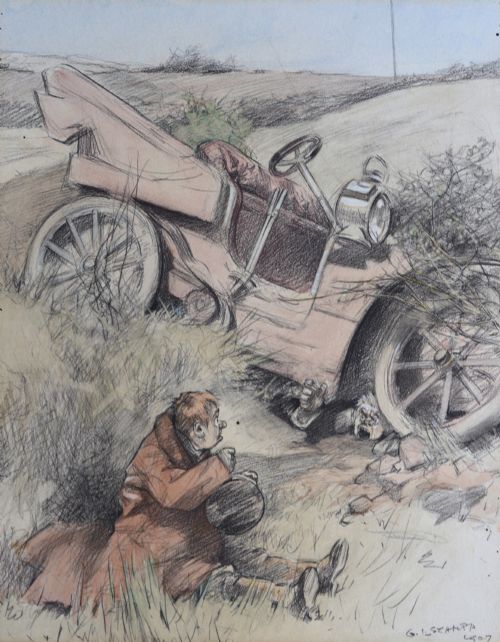
When you search for antique watercolour illustration, you encounter original works on paper spanning the Regency, Victorian, and Edwardian eras. These pieces range from detailed botanical studies and ornithological subjects to humorous cartoons and narrative book illustrations.
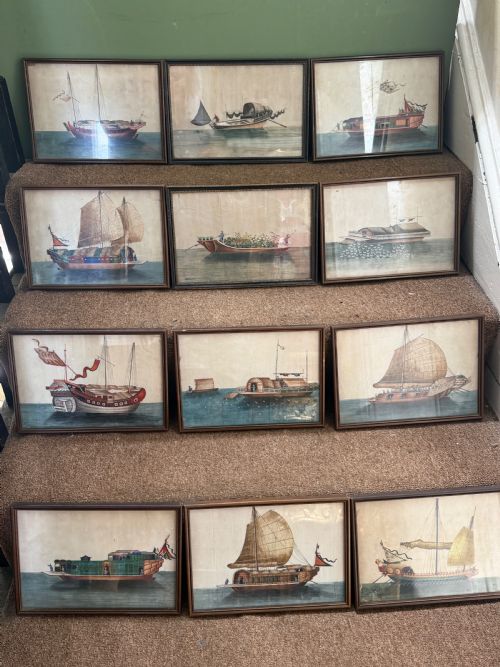
The selections on this page are dominated by nineteenth-century English school works, alongside Chinese export gouache paintings and early twentieth-century character sketches. Collectors frequently find pieces framed in original rosewood, oak, or gilt wood alongside unmounted portfolio sheets.
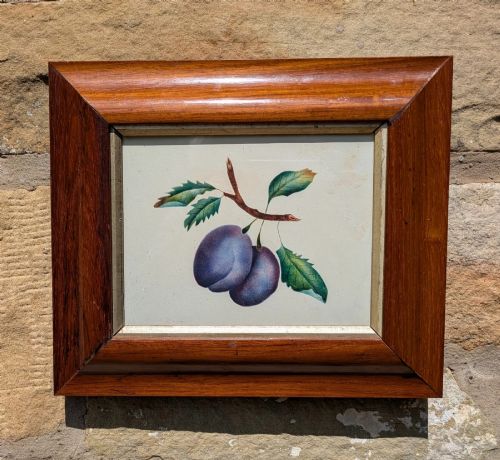
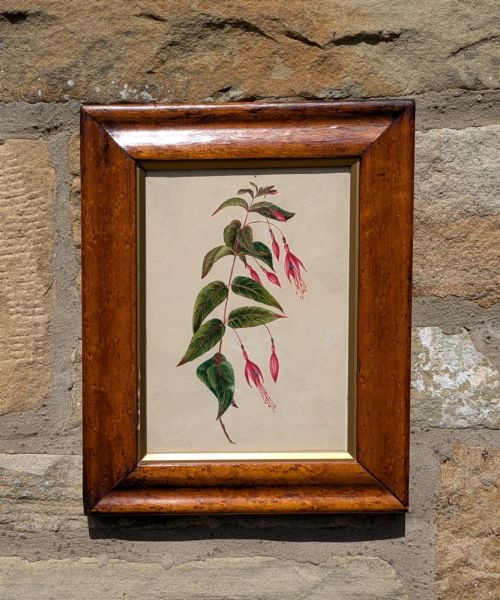
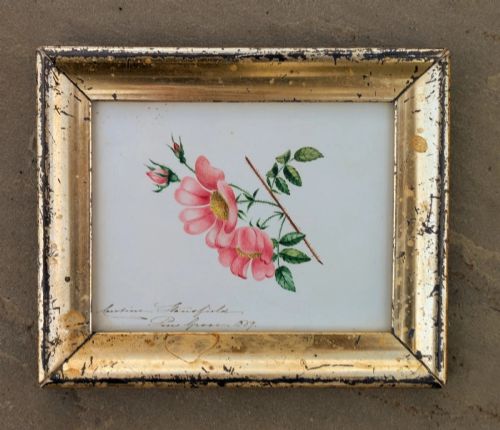
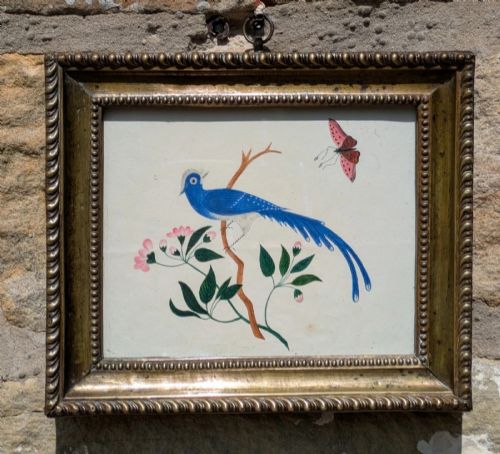
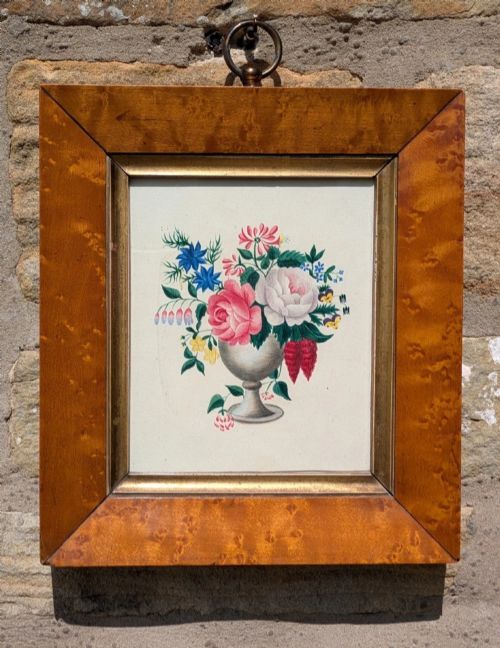
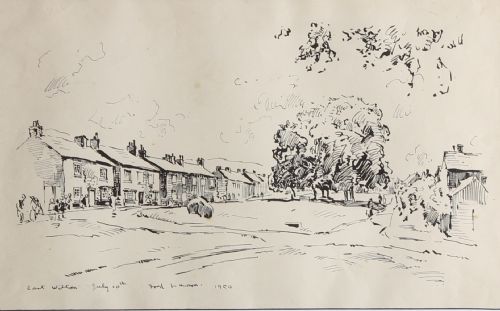
Subjects stretch from precise studies of roses, plums, and garden birds by artists like Ralston Gudgeon to architectural landscapes and military portraits documenting British soldiers. Many retain contemporary inscriptions, artist signatures, or dated mount cards that ground their provenance.
Materials and technique
Makers laid transparent watercolour pigments and opaque gouache onto supportive grounds including standard paper and delicate Chinese pith paper. Artists frequently reinforced compositions using fine ink and wash, pencil underdrawing, or gum arabic to heighten specific areas of colour and light.
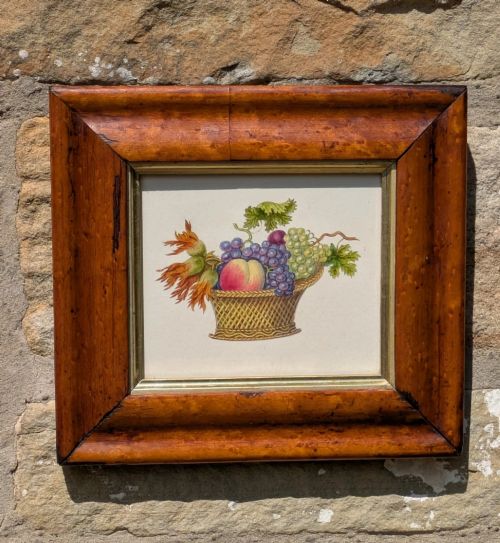
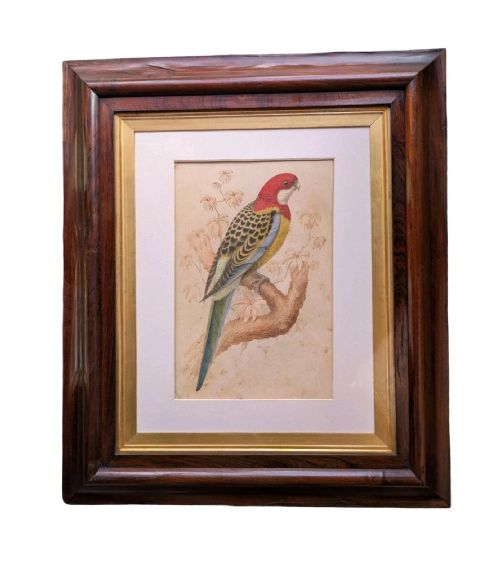
Finished works were typically preserved behind protective glass within bespoke wooden frames, utilising materials like rosewood, oak, and gilt moulding to complement the palette of the painting within.
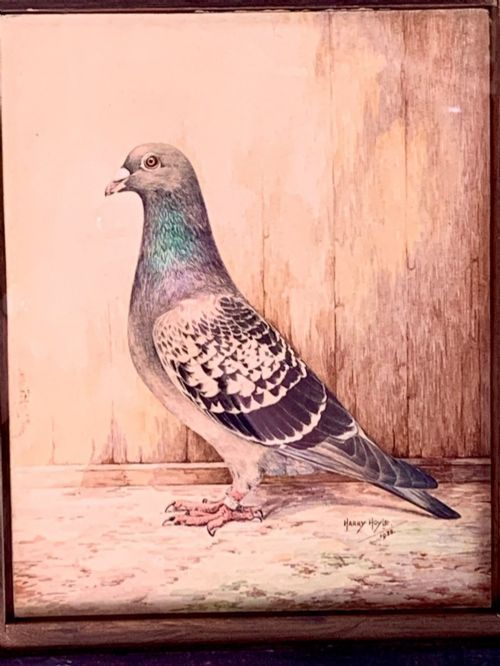
A royal messenger pigeon that won the King George V Silver Jubilee race is immortalised here in watercolour pigment.
Assessing quality and merit
Quality rests upon the sureness of the draftsmanship and the retention of vibrant pigment without excessive fading from light exposure. Stronger examples exhibit deliberate brushwork and anatomical or botanical precision rather than mechanical stiffness.
The depth of the composition and the integrity of the original framing elements elevate certain items. Pieces retaining associated documentation, book provenance, or clear signatures from recorded artists command greater attention from discerning collectors.
Fred Lawson·Bruce Bairnsfather·George Lorain Stampa·John Hassall·R. Hurst·Ralston Gudgeon·Warwick Goble·Henrietta Creswell·Edward Dayes·Mary Wheelhouse·George M. Brighty
The Antique Watercolour Illustration Glossary
- Gouache
- An opaque water-based medium utilising pigment ground with a binding agent, often combined with standard watercolour to build dense highlights. It yields a matte finish that sits heavier on the paper surface.
- Pith paper
- A delicate material derived from the pith of the Tetrapanax papyrifer plant, commonly used for nineteenth-century Chinese export paintings. It possesses a velvety texture that absorbs watercolours with intense, luminous saturation.
- Ink and wash
- A monochrome drawing technique combining iron gall or carbon ink lines with diluted washes of dark pigment to create tonal depth. It frequently served as the foundational structure for botanical and landscape watercolours.
- Regency
- An English design period spanning the early nineteenth century defined by classical restraint and natural observation. Works from this era often feature precise botanical subjects and delicate bird studies.
- Chinese export
- Items produced in China specifically for Western markets, often featuring traditional maritime scenes, junks, or botanical specimens. These works were typically created in studio workshops for visiting European traders.
Antique Watercolour Illustration: Frequently Asked Questions
How should I hang antique watercolours?
Keep these works out of direct sunlight to prevent the watercolour pigments and paper grounds from fading over time. Utilise UV-filtering glass and stable interior walls away from damp zones.
Ensure framing is secure and the paper is properly hinged away from acidic modern backing boards to preserve the integrity of the sheet.
Are these works original paintings?
The pieces listed here are hand-painted original artworks created directly on paper using watercolour, ink, or gouache rather than modern mechanical reproductions. Each brushstroke and pencil line is applied by the artist's hand.
Certain items also represent original illustrations produced for published books, fairy tales, or military records of the period.
How do I identify the period?
Dating relies upon stylistic cues, artist signatures, period framing materials like rosewood or oak, and contemporary ink inscriptions on the reverse of the mount. Victorian and Edwardian works often display specific paper watermarks or handwriting styles characteristic of the nineteenth and early twentieth centuries.
Comparing the handling of pigment against known dated examples by artists such as George Lorain Stampa or John Hassall further refines the timeline.
What is Chinese export pith paper?
Pith paper is a porous, spongy botanical material used extensively by nineteenth-century Chinese artists for export paintings of junks, flora, and figures. It absorbs watercolours in a manner that gives the colours a unique velvet-like depth.
Because the material is exceptionally fragile, surviving examples are typically preserved behind glass to prevent shattering.