
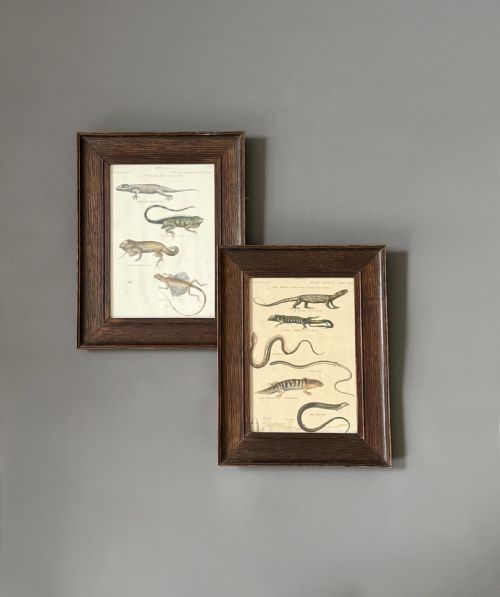
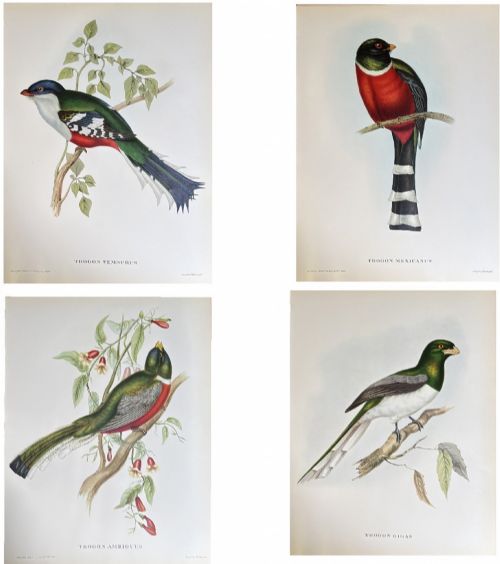
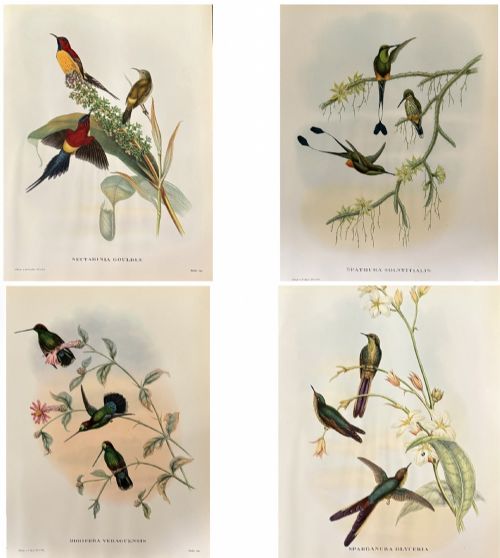
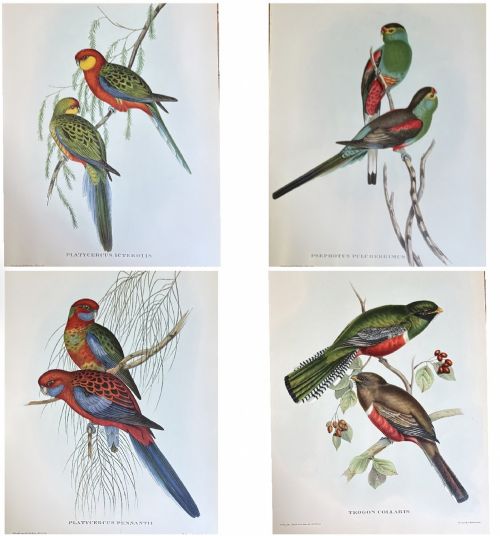



Natural History Bird Print
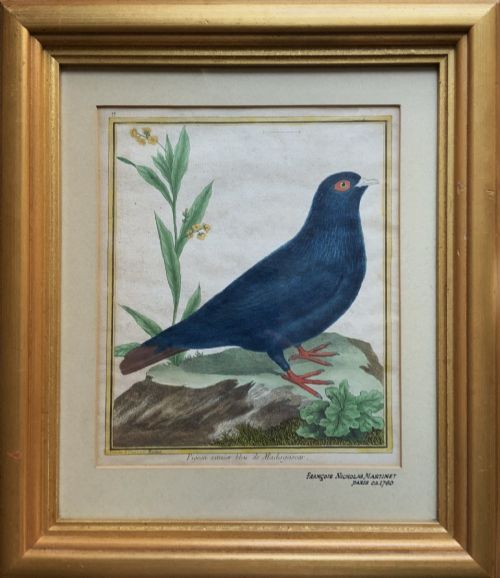
A natural history bird print brings the precision and colour of ornithological study into your interior through period engravings and watercolours.
Natural History Bird Print
When you search for a natural history bird print, you encounter centuries of scientific illustration transformed into decorative wall art. The pieces available span from Georgian hand-coloured engravings to mid-century watercolours, covering everything from British garden birds to tropical parrots.
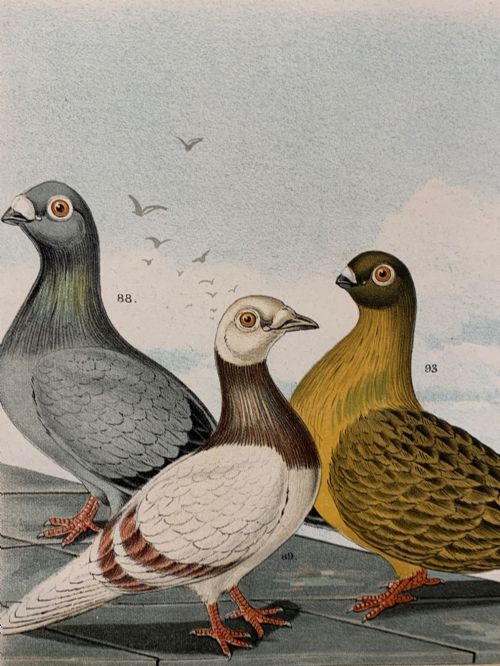
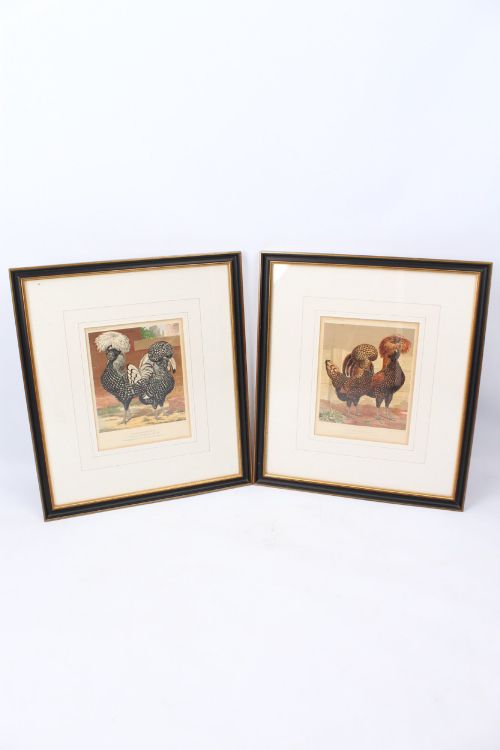
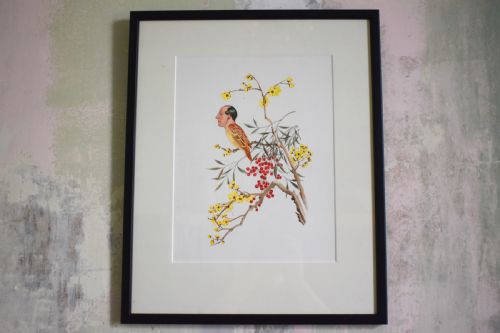
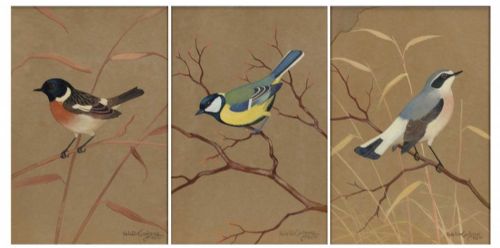
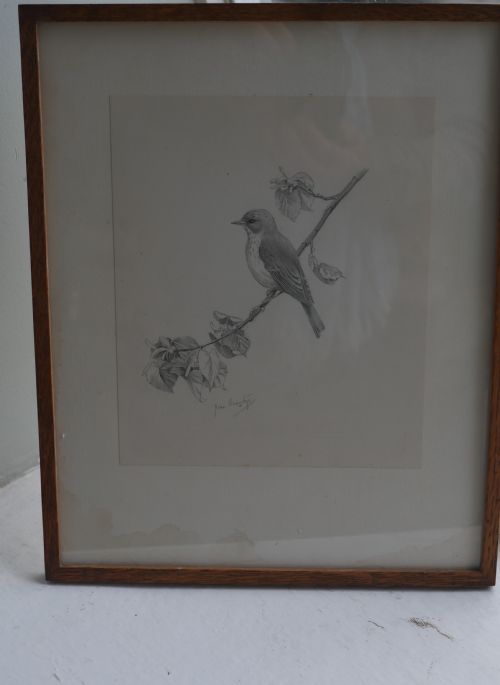
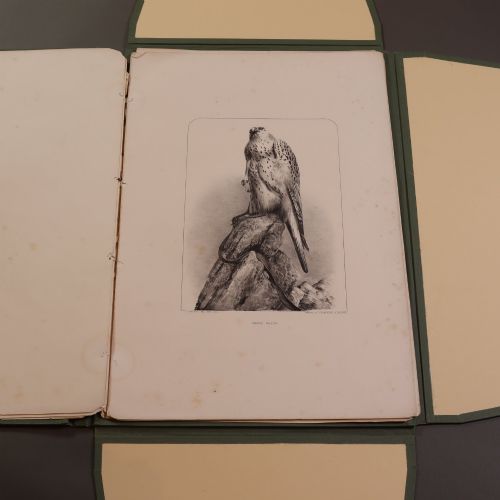
Most examples you meet on this page originate from the nineteenth century, including Victorian lithographs and framed sets of engravings. Alongside massed folio plates, the selection includes individual watercolours, pencil drawings, and larger ornithological studies captured by notable illustrators.
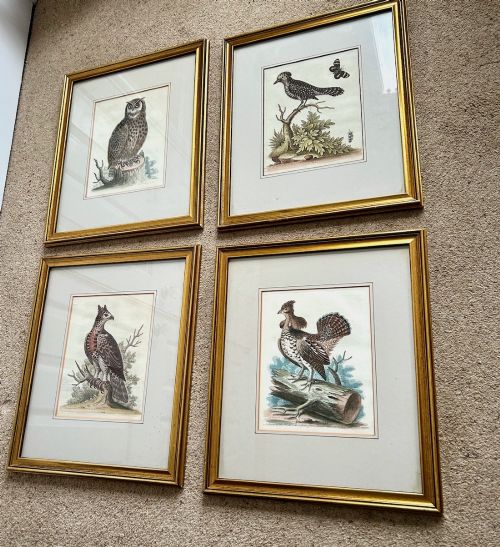
Forms range from unframed suites of prints ready for custom framing to framed works set in period wood mouldings with gilt mounts. These pieces function equally well as solitary focal points or arranged in sets to anchor a room's decorative scheme.
Materials and technique
The foundation of these works is quality paper, upon which artists and printers applied ink, watercolour, and occasional gold leaf. Engravings and lithographs relied on meticulous printing techniques before artisans applied hand colouring to bring the plumage to life.
Framing materials reflect the period of production, incorporating ebonised wood, gilt wood mounts, and simple glass protection. These housings preserve the delicate paper and watercolours from environmental degradation while complementing the aesthetic of the artwork.
Some nineteenth-century illustrators studied exotic birds through preserved skins sent back by explorers, occasionally resulting in very confused expressions on tropical parrots.
Assessing quality
Quality rests primarily on the crispness of the original impression and the vibrancy of the hand colouring applied by the studio. Early strikes from copperplate engravings or stones show finer detail in the plumage and structure than later, worn editions.
The pedigree of the artist or publisher heavily influences the standing of a piece, with works by documented illustrators commanding greater attention. Preservation also plays a role, as clean paper free from excessive foxing maintains the visual integrity of the illustration.
François-Nicolas Martinet·George Edwards·Eleazor Albin·William Swainson·Edward Lear
The Natural History Bird Print Glossary
- Lithography
- A planographic printing process using a stone or metal plate to create multiple impressions. This technique allowed artists to produce detailed tonal gradations suitable for natural history illustration.
- Hand colouring
- The manual application of watercolour or tint to a printed line drawing. Artisans working in publishing houses often painted hundreds of plates by hand to achieve realistic plumage.
- Foxing
- The brown spots and patches that develop on older paper due to chemical reactions over time. While common in antique prints, minimal foxing is preferred for visual clarity.
- Ornithological
- Pertaining to the scientific study and depiction of birds. Plates from natural history volumes aimed to record species accurately for researchers and collectors.
Natural History Bird Print: Frequently Asked Questions
How should I frame an antique print?
Protect the paper by using acid-free mounts and framing materials that prevent direct contact with the glass. Keeping the piece away from direct sunlight will preserve the delicate watercolours and hand-applied pigments.
Choose simple wood or gilt moulding that suits the period of the artwork without overwhelming the subject. Professional framers can seal the backing to keep out dust and atmospheric moisture.
Are these prints from original books?
Many natural history illustrations originate from dismantled eighteenth and nineteenth-century scientific folios and ornithological publications. Publishers issued these volumes in limited runs for subscribers and scientific institutions.
As a result, individual plates frequently enter circulation as separate framed works or sets. The typography, plate numbers, and paper watermarks often provide clues to their original publication context.
How do I care for watercolour art?
Watercolours are sensitive to ultraviolet light, which can fade pigments over time. Hang these pieces on interior walls away from direct sunlight and high humidity.
Dust the outside of the glass periodically and check the back sealing every few years. Avoid placing them near heat sources that could dry out the paper and cause cracking.
What is the difference between an engraving and a lithograph?
An engraving is printed from lines incised into a metal plate, resulting in crisp, fine detail and a slight impression in the paper. Artisans then frequently added watercolour by hand over the printed lines.
A lithograph uses a chemical process on stone or metal, allowing for softer tonal ranges and smoother blending of colours. Both techniques were standard for producing bird illustrations before modern photography.