


Vintage Oriental Wall Art
Vintage oriental wall art brings together diverse regional aesthetics from woodblock prints to textiles across centuries of global craft.
Vintage Oriental Wall Art
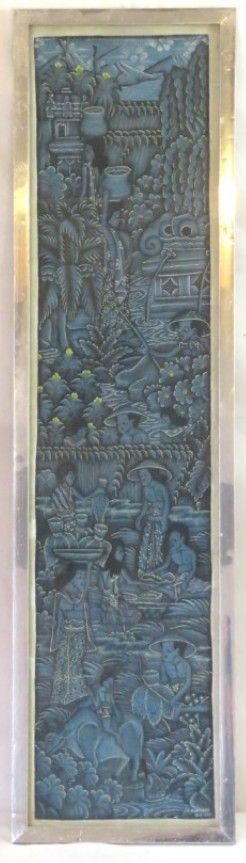
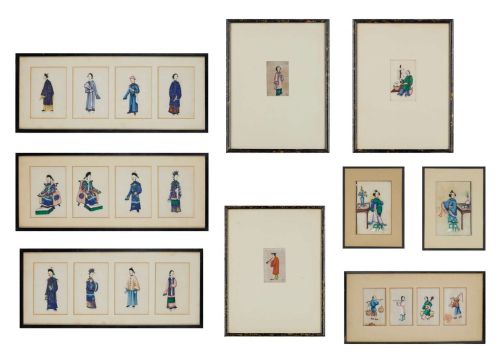
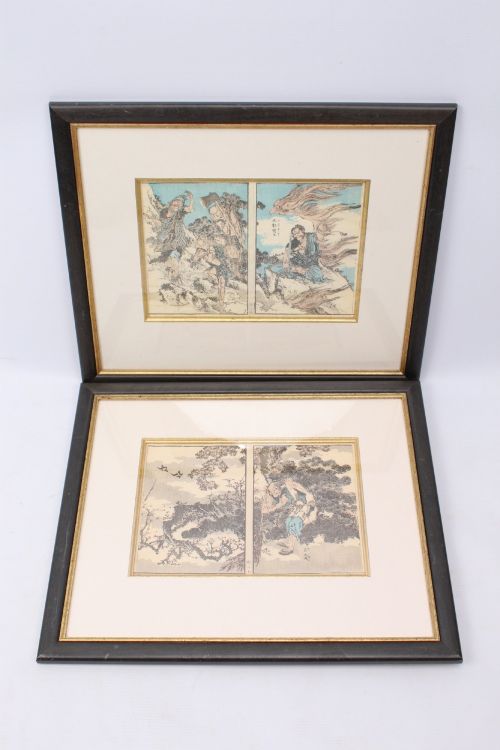
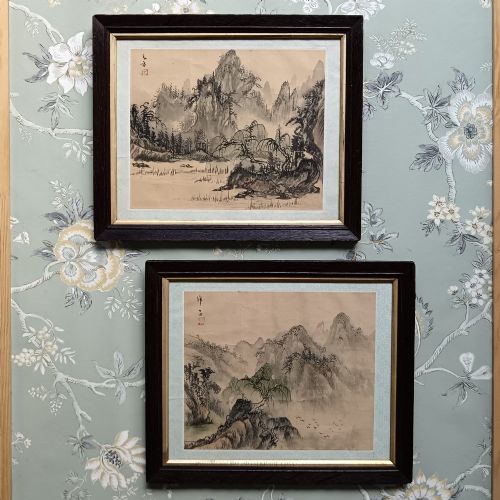
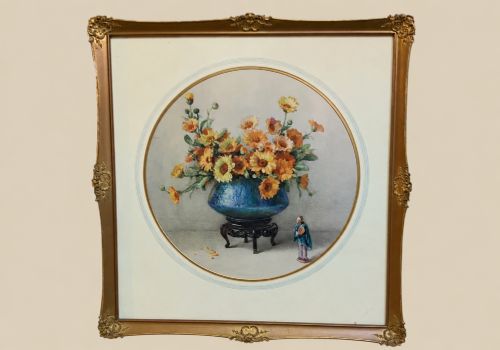
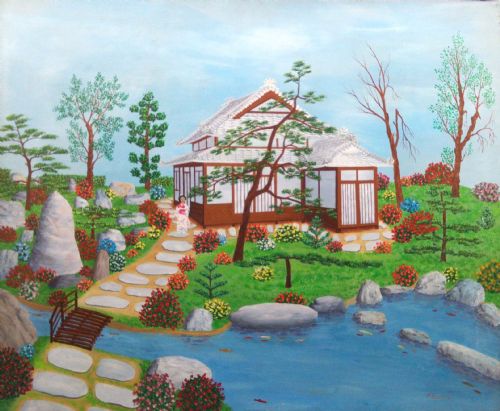
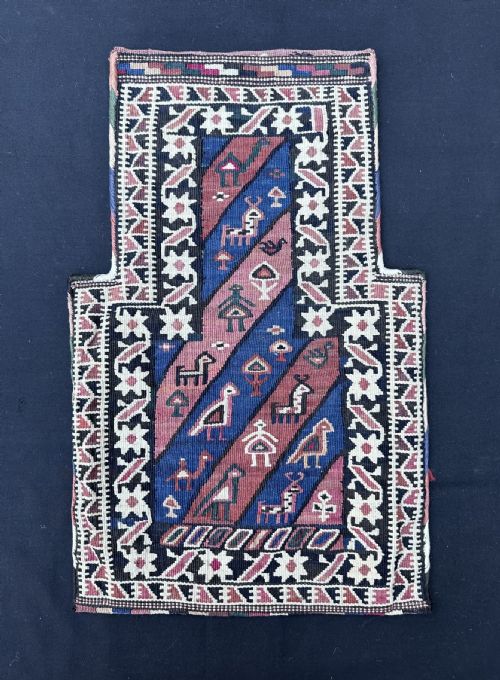
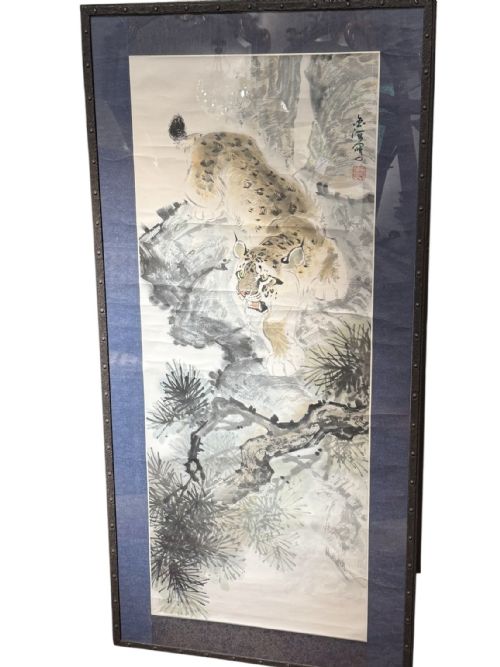
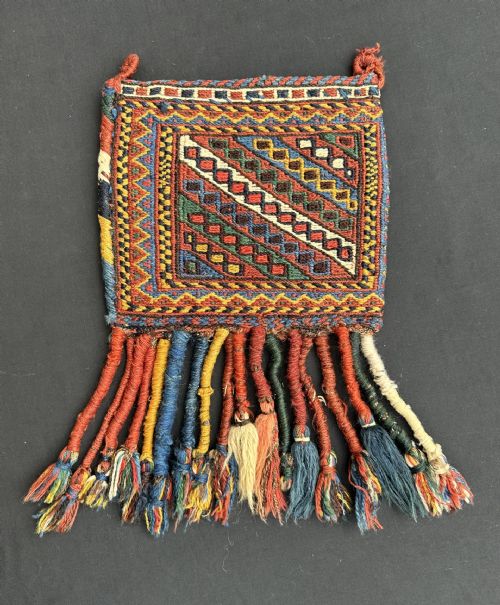
When you search for vintage oriental wall art, you encounter a broad assortment of framed paintings, scrolls, carved panels and woven textiles originating from across Asia. The selection spans centuries of distinct traditions, capturing everything from intricate Japanese woodblock prints and Chinese silk paintings to Persian tribal weavings.
You are most likely to meet pieces dating from the nineteenth and early twentieth centuries, including framed embroideries and lacquer panels. These items reflect the varied aesthetic values of diverse regional workshops, ranging from courtly ancestral portraits to folk art wall hangings.
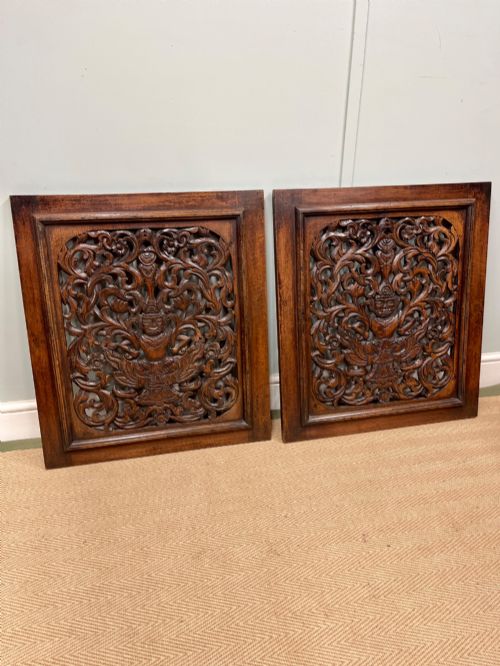
The category encompasses both delicate works on paper and fabric as well as robust carved wooden plaques and metalwork. Each form serves primarily as interior decoration, bringing distinct historical character and traditional motifs into domestic spaces.
Materials and construction methods
Makers utilised natural organic substances such as silk, paper, wood, and wool, combining them with mineral pigments and metallic inks. Silk and cotton provide grounds for detailed embroideries and paintings, while carved wood and lacquered panels offer structural rigidity for wall display.
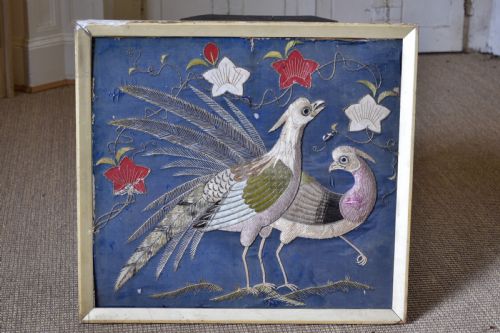
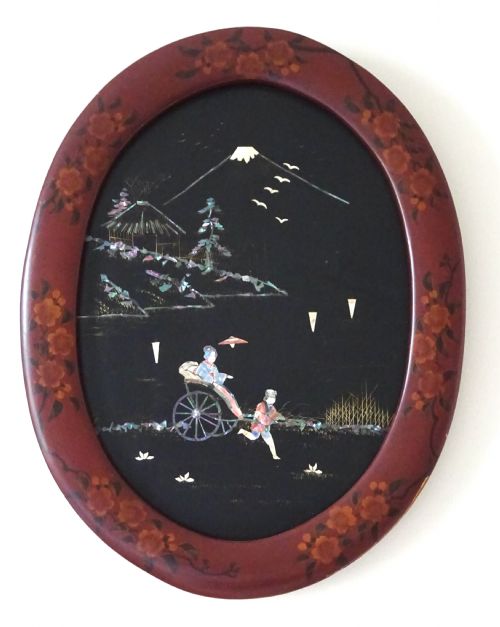
Traditional techniques involve hand-carving, woodblock printing, reverse glass painting, and meticulous silk embroidery often enhanced with mother of pearl or abalone inlay. Artisans applied coloured inks and pigments to fabric and paper surfaces, frequently mounting fragile scrolls and paintings within protective wooden frames.
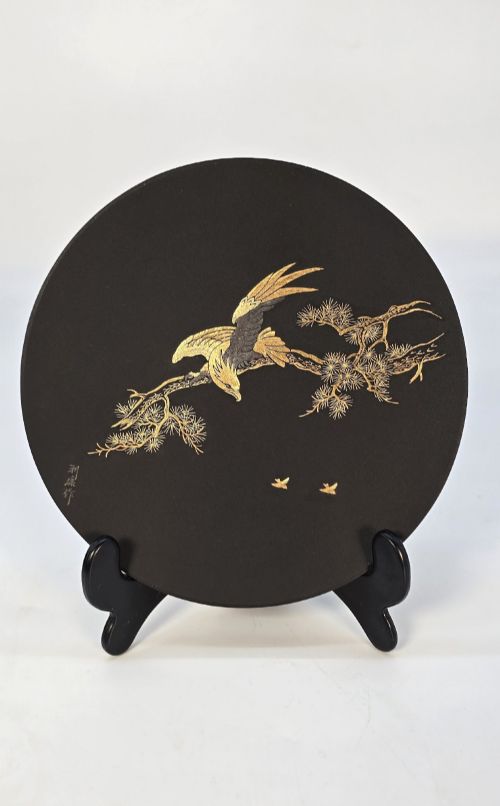
Textile pieces incorporate specialised weaving methods like pile knotting and felt applique, utilising dyed wool and silk threads. Metal elements appear as patinated iron plaques featuring delicate gold and silver inlay work.
Listings feature items spanning the nineteenth century through the 1960s, constructed from silk, wood, lacquer, and glass.
Distinctions in craftsmanship
The upper tier of pieces displays exceptional precision in hand-carving, pigment application, and delicate needlework that requires steady mastery over extended periods. Finer examples retain original mountings, intact frames, and vibrant colour saturation without excessive fading or pigment loss.
Lower quality items often exhibit hurried execution, muted tones, and modern replacement framing that detracts from the historical integrity of the piece. Material deterioration, such as brittle paper or fragmented lacquer inlay, diminishes both visual appeal and structural stability.
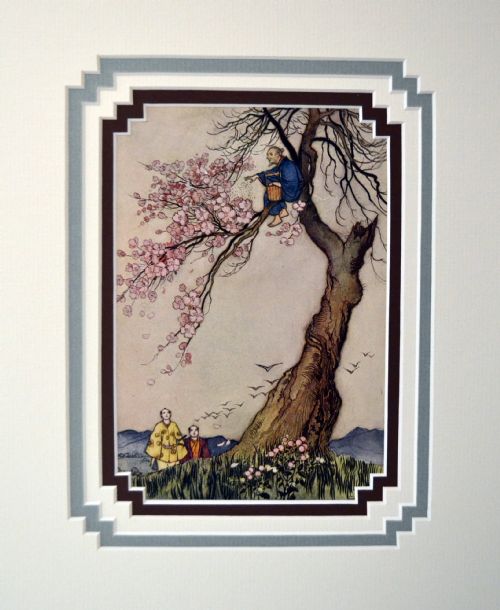
Artistic execution distinguishes standard production items from distinguished signed works or pieces created by known masters of woodblock printing and painting. The intricacy of composition and the subtlety of tonal shading reveal the underlying skill of the original workshop.
Hokusai·Warwick Goble·Kunisada·Takabatake Kasho
The Vintage Oriental Wall Art Glossary
- Woodblock print
- An image transferred to paper or silk by carving a design into a wooden block, applying ink, and pressing the surface. This technique flourished in Japan for producing ukiyo-e artworks.
- Pith painting
- A delicate painting executed on the pith of the Tetrapanax papyrifer plant, common in nineteenth-century China. These works frequently depict figures, trades, and botanical subjects.
- Suzani
- A type of embroidered tribal wall hanging or textile originating from Central Asia, typically worked in silk on a cotton ground. Bold floral motifs usually dominate the design.
- Lacquer
- A durable resin finish applied in multiple layers to wooden objects and polished to a smooth sheen. Artisans often embed mother of pearl and abalone directly into the tacky surface.
- Imari
- A style of Japanese porcelain named after the port from which goods were shipped to Europe. Pieces feature characteristic underglaze blue and overglaze iron red details.
Vintage Oriental Wall Art: Frequently Asked Questions
How do I hang delicate silk scrolls?
Delicate silk scrolls require careful handling and must be kept away from direct sunlight to prevent fading of the pigments and textiles. Secure them using appropriate wall fixings that support the weight without straining the fragile hanging cords.
Maintain stable room humidity to protect the organic fibres and prevent warping of the wooden scroll ends. Professional framing provides an alternative method for displaying fragile fabric pieces safely.
How are Japanese woodblock prints dated?
Dating Japanese woodblock prints involves examining publisher marks, censor seals, and the specific signatures of the artists contained within the margin of the composition. Paper quality and fading patterns also provide clues regarding the period of production.
Style evolution across different eras helps narrow down the timeframe when a particular print was published. Expert consultation is often necessary to distinguish original impressions from later restrikes.
What is reverse glass painting?
Reverse glass painting is a technique where an artist applies pigment directly onto the back of a glass sheet, viewing the finished image through the front. This method creates a glossy, luminous surface that protects the paint layers from atmospheric dust.
Originating in various global traditions, these artworks often feature decorative subjects suited for interior wall display. The fragile nature of the glass base requires careful handling and secure framing.