
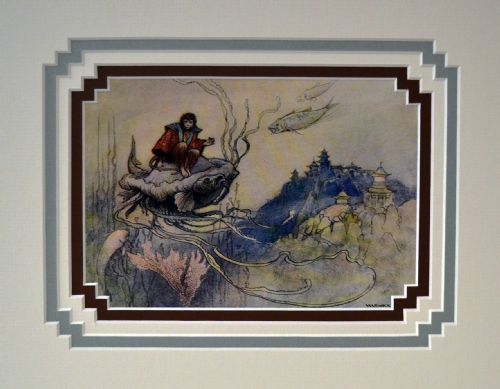
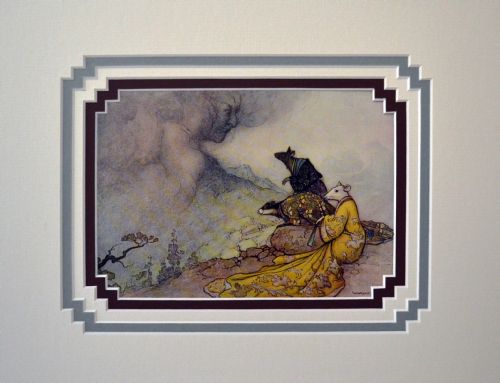
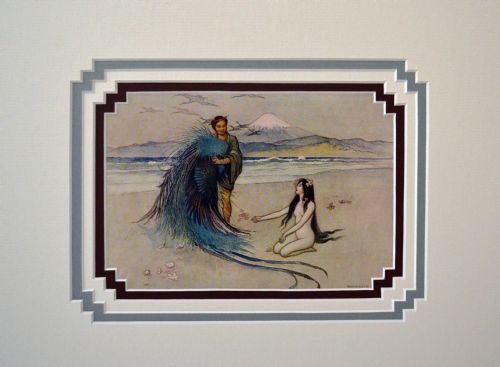
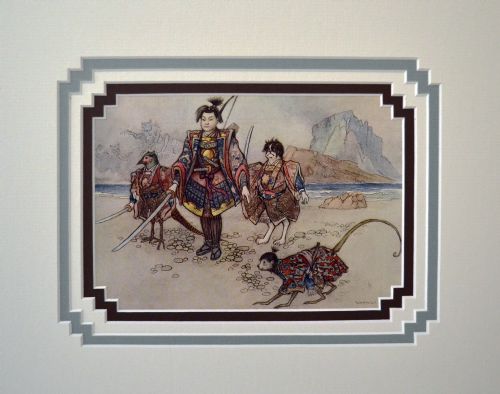
Warwick Goble Japanese Tales
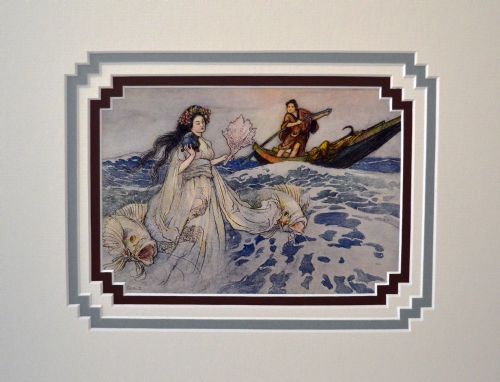
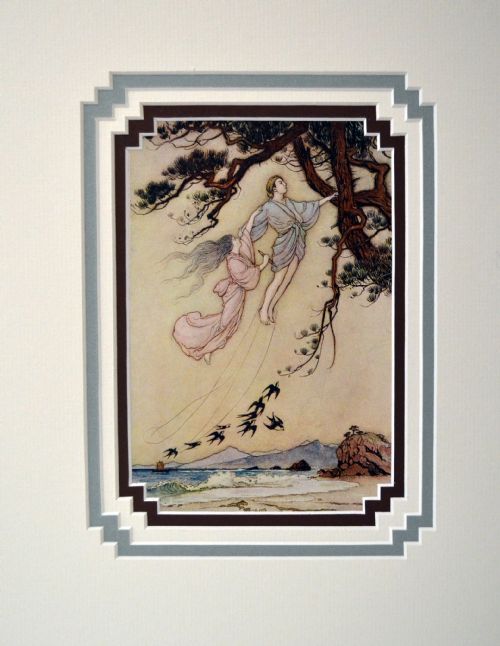
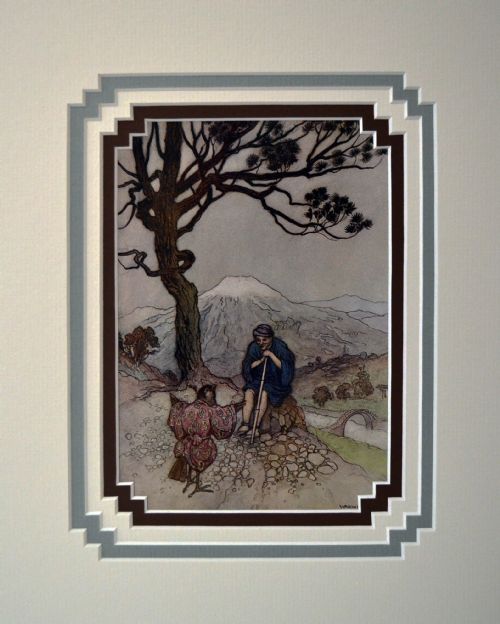
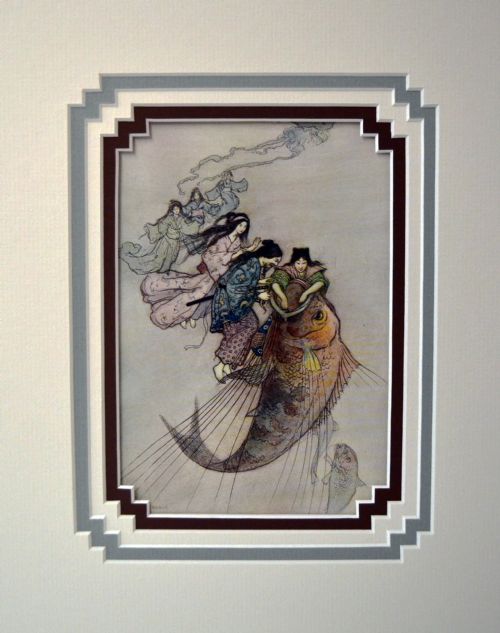
These warwick goble japanese tales are Edwardian first edition illustrations capturing classic folklore on paper.
Warwick Goble Japanese Tales
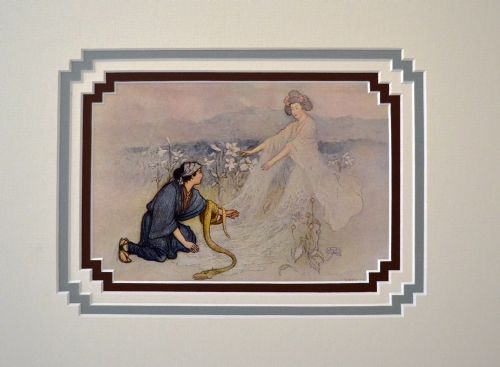
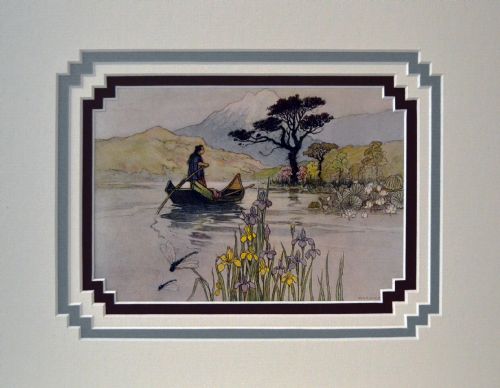
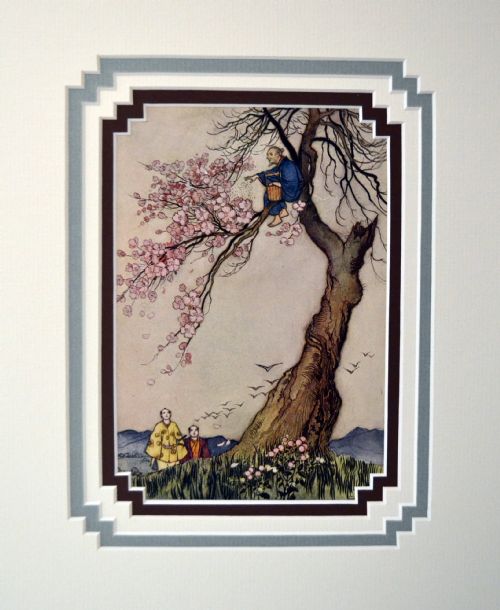
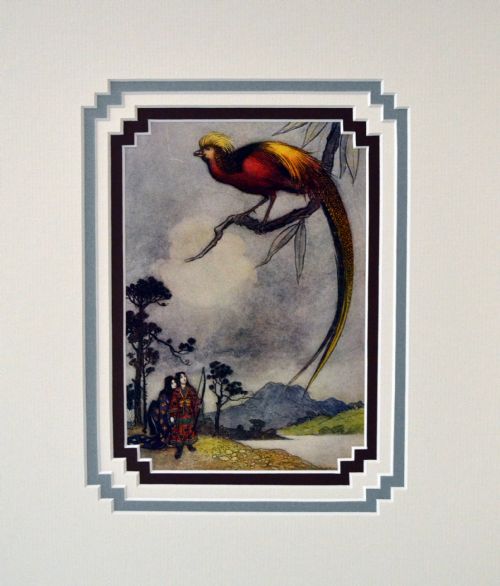
When you search for warwick goble japanese tales, you encounter Edwardian book illustration at its most delicate and decorative. These pieces originate exclusively from nineteen ten, capturing traditional stories through the distinct lens of early twentieth century design.
The items here take the form of antique prints and framed art prints taken directly from first editions. They combine traditional Japanese subject matter with the aesthetic sensibilities of the Edwardian era and Japonisme.
You will most commonly meet these works presented behind glass with mountboard, turning book plates into wall art. Each print preserves the fine ink work and paper quality characteristic of the period's Golden Age Illustration.
How they were made
These works rely on traditional ink application onto high quality paper sheets designed for early twentieth century book production. The printing techniques of the period capture subtle tonal gradations and fine line work without modern digital intervention.
Framed examples utilise protective glass alongside card and mountboard to keep the delicate paper stable over time. Wooden frames complete the presentation, enclosing the paper plates securely while maintaining period appropriate aesthetics.
Each fairy tale plate comes ready behind glass, saving you a trip to the framer.
What varies in quality
The crispness of the ink impression separates superior examples from softer pulls, as early runs maintain sharper detail across the paper surface. Tonal consistency across the image field also indicates how carefully the original plate was handled during printing.
Condition of the paper itself dictates desirability, with clean sheets free from heavy toning or fading representing the highest standard. The quality of the contemporary framing materials, including acid free mountboard and secure glass, further influences the overall presentation.
The Warwick Goble Japanese Tales Glossary
- First edition
- The initial printing of a book from which these plates originate. These early impressions typically offer the sharpest detail.
- Japonisme
- The influence of Japanese art on Western styles during the late nineteenth and early twentieth centuries. This aesthetic defines the composition of these tales.
- Mountboard
- Heavy paperboard used to frame and support prints behind glass. It prevents the paper from touching the glazing directly.
- Golden Age Illustration
- A period of unprecedented excellence in book illustration lasting from the late nineteenth century until the mid twentieth century. Warwick Goble stands as a key figure of this movement.
Warwick Goble Japanese Tales: Frequently Asked Questions
What are Warwick Goble Japanese tales prints?
These pieces are original illustrations published in nineteen ten to accompany traditional folklore. They merge Edwardian illustration styles with Japanese aesthetic influences.
Each print serves as a direct window into the Golden Age of book illustration. They are collected for their historical importance and decorative appeal.
How should I frame these antique prints?
Use conservation grade mountboard and glass to protect the delicate paper from environmental damage. Keep them away from direct sunlight to prevent fading of the ink.
Professional framing ensures the paper breathes while remaining secure. A simple wooden frame complements the Edwardian character of the artwork.
Are these book plates or standalone art?
They originate as published plates from nineteen ten first edition books. Collectors often mount and frame them as standalone wall art.
This practice preserves the delicate paper while allowing the illustrations to be displayed publicly. Each piece retains its narrative connection to the original published tales.
How do I identify a nineteen ten first edition?
First edition prints from this specific year display the characteristic ink density and paper stock of early twentieth century British publishing. They belong firmly to the Edwardian period.
The style reflects the intersection of traditional Japanese motifs and European illustration techniques standard for that decade.