
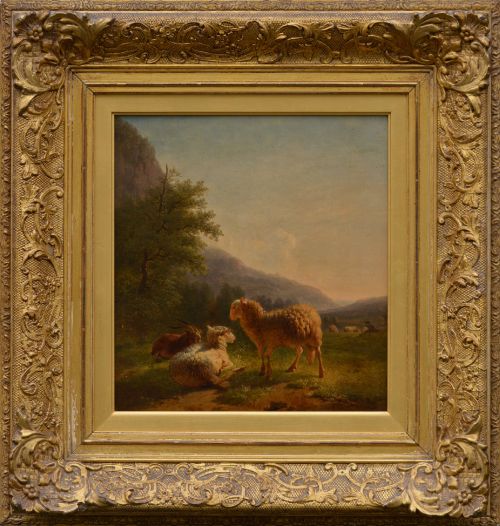

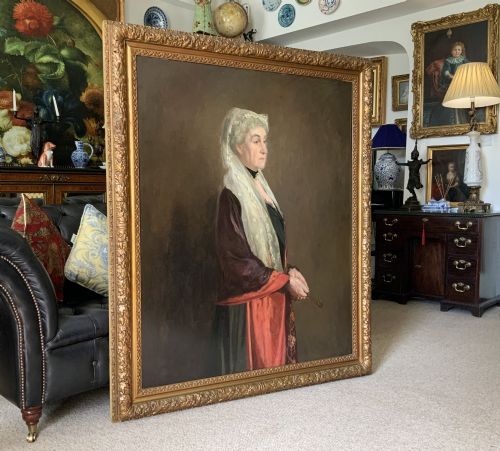

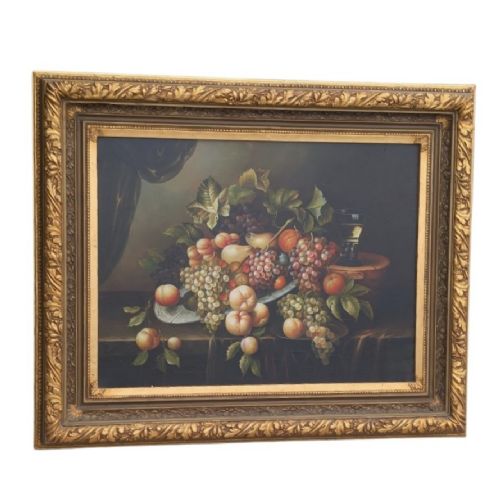
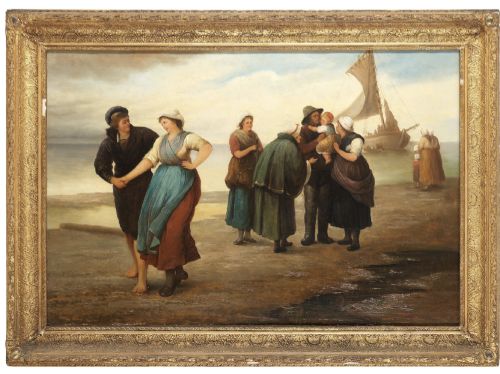

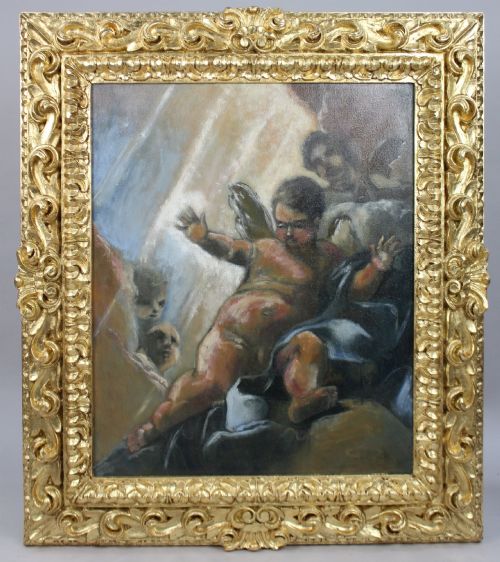


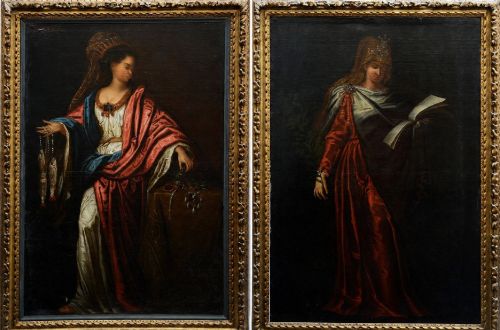
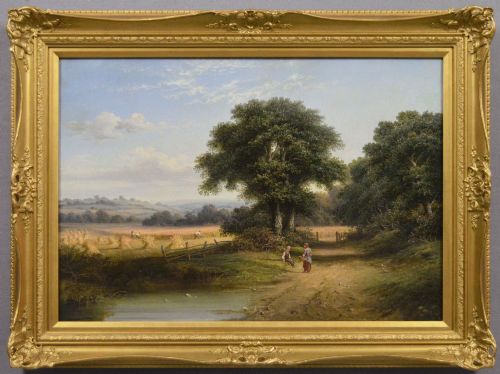

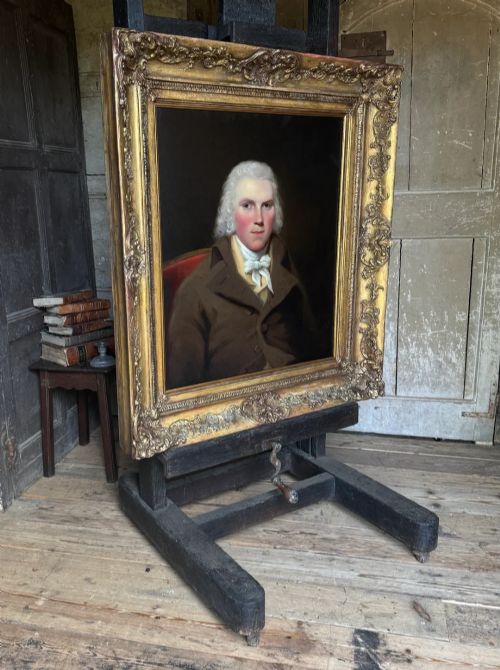
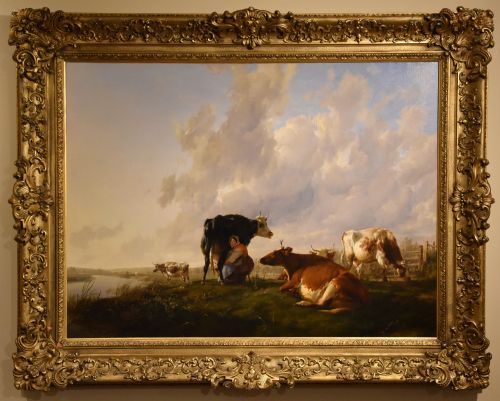
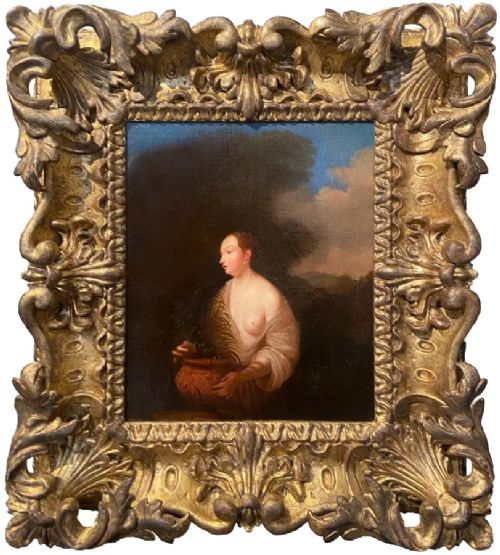
Giltwood Framed Canvas Painting
These giltwood framed canvas painting examples bring nineteenth-century subjects from canals to moorlands straight into a room.
What these paintings are
A giltwood framed canvas painting unites nineteenth-century oil pigment on stretched textile with a gilded wooden moulding. These works span the Victorian era, capturing landscapes, genre scenes, and sporting subjects within their original decorative surrounds.
Buyers meet Dutch realists, Scottish river views, and rural cottage subjects. The makers encompass named painters from the eighteen-sixties and eighteen-eighties alongside competent contemporaries.
The frames are integral to the identity of each work, providing the gilded boundary that defines the canvas within nineteenth-century interior schemes. Every piece preserves a distinct narrative from that period.
How they were made
Painters applied oil media onto woven canvas supports, building up brushwork for subjects ranging from Highland moors to Dutch canals. The grounds and pigments reflect nineteenth-century studio practice.
Mouldings of wood received layers of gesso and gold leaf to form the giltwood frames. Plaster details often enrich the corners and centres of these surrounds.
Retail Price Guide 2026
Typical UK retail prices for giltwood framed canvas painting, calculated from the Sellingantiques database of over a million retail prices indexed since 2003. This retail price guide relies exclusively on Sellingantiques data; no external sources or auction records are used, so the figures do not describe the wider market.
The listings span the Victorian era, featuring oil on canvas works set within original giltwood frames.
What varies in quality
The handling of light and pigment across the canvas separates routine studio output from the work of accomplished painters like Sidney Richard Percy or Jane Maria Bowkett. Surface preservation of both the oil layer and the original gilding determines the integrity of the piece.
The depth and crispness of the giltwood moulding define the character of the frame. Intricate plaster enrichment and intact gilding elevate the visual impact of the ensemble.
John Charles Tunnard·E Tucker·Jane Maria Bowkett·Sidney Richard Percy·Laurens Plas·A Gilbert
The Giltwood Framed Canvas Painting Glossary
- Giltwood
- Wood decorated with gold leaf or gold powder. This finish gives nineteenth-century frames their luminous metallic appearance.
- Oil on canvas
- Pigment bound in drying oil applied to a woven textile support. This combination allows for rich colour blending and durability.
- Genre painting
- Artwork depicting scenes from everyday life. These pieces often feature figures engaged in domestic or social activities.
- Gesso
- A plaster mix applied to wooden frames before gilding. It provides a smooth base for the application of gold leaf.
Frequently Asked Questions
How do I clean a giltwood frame?
Dust the gilded wooden surface gently with a soft dry brush to remove loose particles. Avoid using water or chemical cleaners that might lift the gold leaf.
Keep the frame away from direct heat sources and strong sunlight to prevent the wood and gesso from drying out or cracking over time.
Are these frames original to the canvas?
Nineteenth-century paintings often retain their contemporary frames, which were selected to complement the specific tonality of the artwork.
Inspect the rebate at the back to see if the canvas and stretcher fit the wooden housing without modern alterations.
What subjects are common in these paintings?
The works depict rural landscapes, Highland river scenes, Dutch windmills, and intimate genre moments with figures. Each subject reflects nineteenth-century artistic interests.
Artists drew inspiration from both British topography and continental European vistas during this period.
How do I date an oil painting?
Examine the canvas weave, the stretcher construction, and any signatures or inscriptions recorded on the reverse. Dated titles or artist lifespans provide clear chronological markers.
The style of the giltwood frame also offers clues regarding the period of manufacture.