


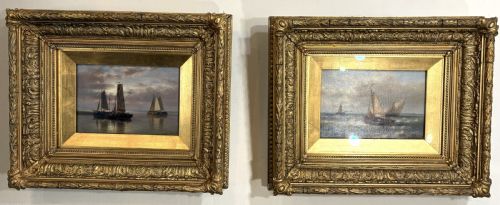

Sailing Boat Oil Painting
A sailing boat oil painting captures coastal movement on canvas and board across the nineteenth and twentieth centuries.
Sailing boat oil painting styles and periods
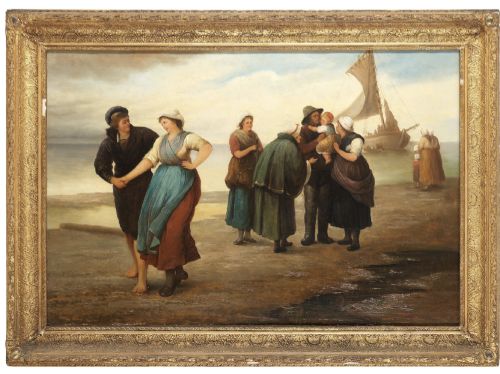
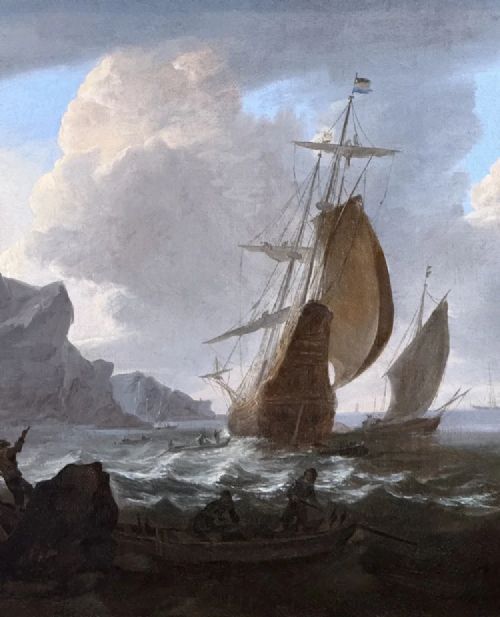
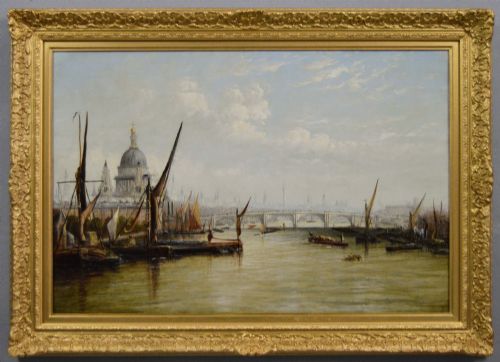
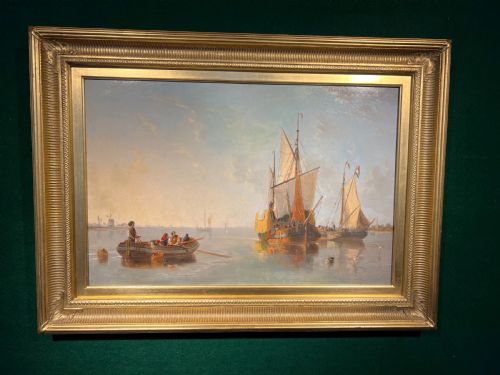
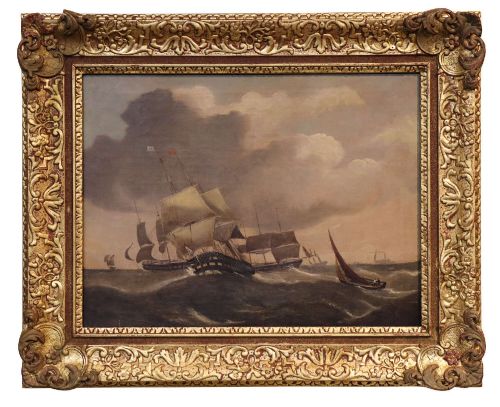
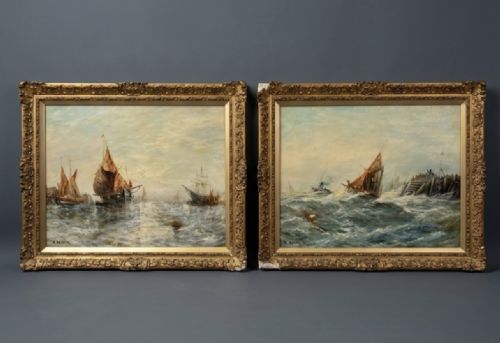
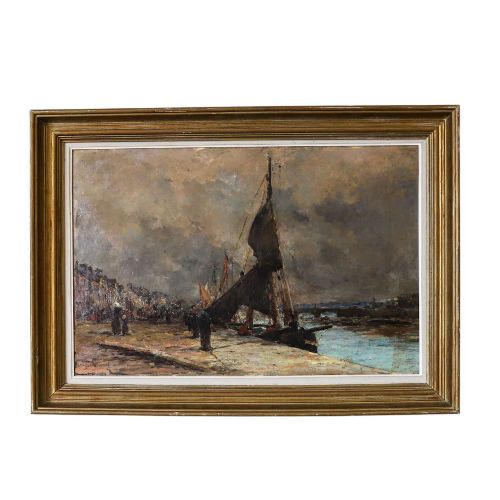
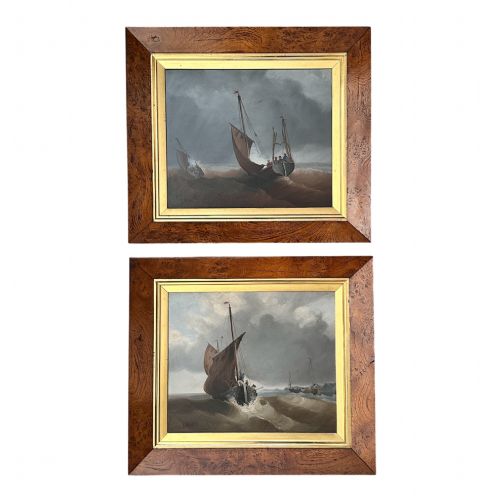
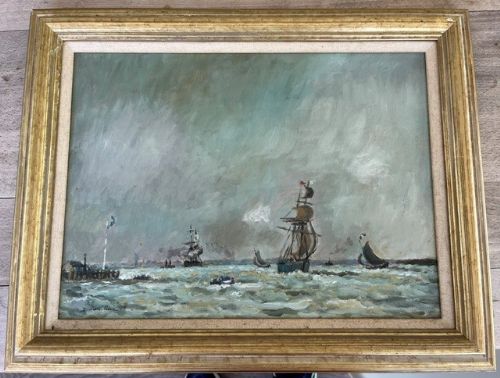
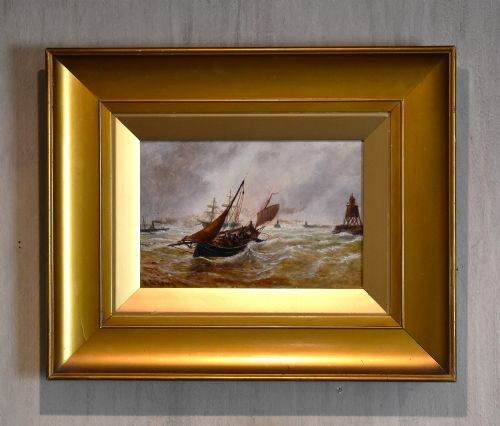
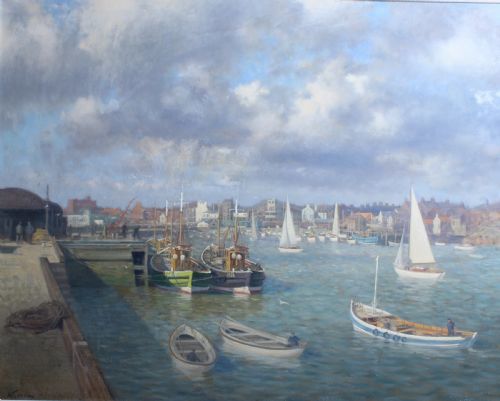
A sailing boat oil painting depicts maritime scenes ranging from nineteenth-century harbour views to mid-century British impressions. Buyers searching this phrase encounter nineteenth-century Dutch romanticism alongside mid-century works on canvas and board.
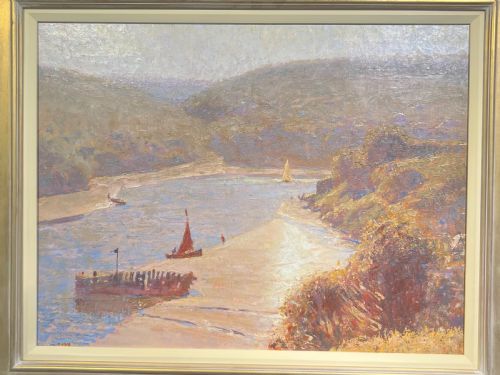
The nineteenth-century examples often feature Dutch fishing boats, coastal harbours, and maritime shipping scenes rendered in detailed oil on canvas. Mid-century interpretations lean towards impressionistic coastal landscapes and racing yachts in northern waters.
Most pieces originate from British and Dutch traditions, capturing coastal life, choppy seas, and quiet anchorages. These artworks span specific periods including the 1880s, the 1930s, and the 1950s.
Materials and construction
Artists painted these marine works using oil colours applied to traditional woven canvas or rigid wooden board. Canvas supports receive preparatory grounds before the application of oil paint, while boards offer a firm surface for outdoor sketching and studio painting.
Period frames play a structural and aesthetic role, frequently constructed from wood and gesso with applied gilt finishes. These gilt wood frames range from ornate nineteenth-century mouldings to simpler profiles housing mid-century paintings.
Retail Price Guide 2026
Typical UK retail prices for sailing boat oil painting, calculated from the Sellingantiques database of over a million retail prices indexed since 2003. This retail price guide relies exclusively on Sellingantiques data; no external sources or auction records are used, so the figures do not describe the wider market.
One signed board captures a windy day in 1937, proving that Dutch fishing boats and British yachts share wall space with sudden squalls.
Judging maritime painting quality
Quality in a sailing boat oil painting rests upon the artist's handling of light, water, and atmospheric conditions. Stronger works demonstrate convincing movement in the sails and rhythm in the waves rather than stiff mechanical forms.
The relationship between the canvas and its original housing dictates visual harmony. Superior examples retain period gilt wood framing that complements the depth and palette of the marine scene.
Walter Goodin·Abraham Hulk Snr·William Burns·Sam Barnes Robson·Alice Fanner
The Sailing Boat Oil Painting Glossary
- Seascape
- A work of art depicting the sea, coastal views, and maritime vessels. These compositions focus primarily on water and weather.
- Gilt wood
- Wood coated with a thin layer of gold leaf or metallic powder for decorative effect. This finish appears frequently on nineteenth-century frames.
- Gesso
- A plaster mixture applied to wood panels or frames to create a smooth surface for gilding and painting. It provides a stable base for decorative mouldings.
- Impressionism
- A painting style that emphasises light and its changing qualities rather than minute detail. Mid-century British examples often adopt this looser approach.
Frequently Asked Questions
How do I date a sailing boat oil painting?
Dating relies on the substrate materials, canvas preparation, and stylistic markers such as rigging details on the depicted vessels. Comparing the handling of paint to documented works from periods like the late nineteenth century or mid-century provides further confirmation.
Framing styles also offer chronological clues, though frames are sometimes replaced over the lifespan of an artwork. Signatures, inscriptions on the reverse, and artist biographies complete the picture.
Where should I hang a marine painting?
Maritime paintings suit rooms with stable humidity away from direct sunlight, which can degrade oil pigments and gilt frames over time. Wall placement should allow adequate distance from heat sources to protect canvas tension.
Good natural or directed lighting enhances the tonal contrasts in water and sky rendered by the artist. Pairing these works with traditional or neutral interiors highlights their historical palette.
What is the difference between canvas and board?
Canvas provides a flexible woven textile support that responds to atmospheric changes by expanding or contracting slightly. Board offers a rigid wooden or composition base that prevents the cracking sometimes seen on aged canvas.
Many mid-century painters preferred board for its convenience during plein air studies by the coast. Both supports hold oil paint effectively when properly primed.
How do I care for a gilt wood frame?
Gilt wood frames require gentle dusting with a soft dry brush to prevent the accumulation of abrasive particles. Moisture and chemical cleaning agents must be avoided to protect the delicate gold leaf and underlying gesso.
Handling should involve supporting the frame by its structural corners rather than decorative mouldings. Professional conservation is recommended for any stabilization of flaking gilt surfaces.