

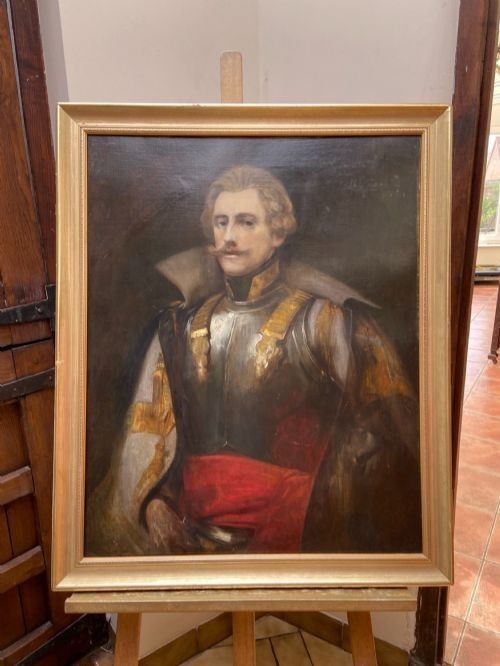
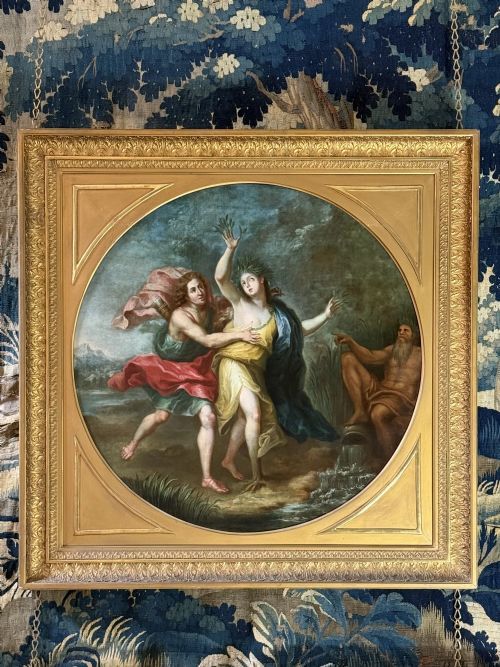
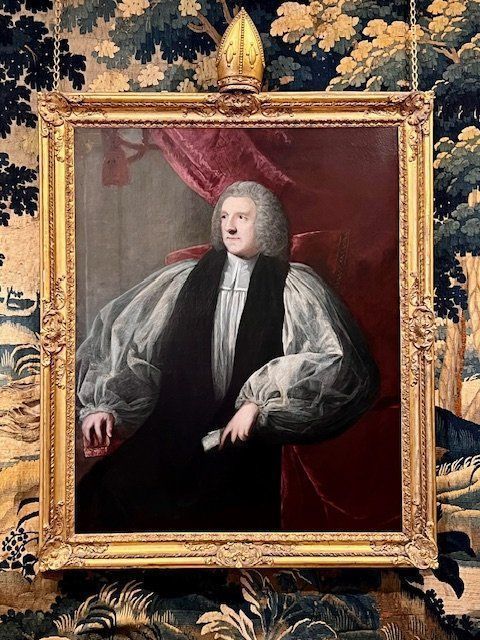
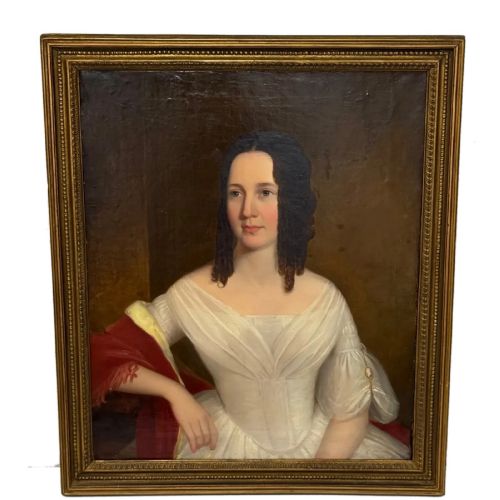
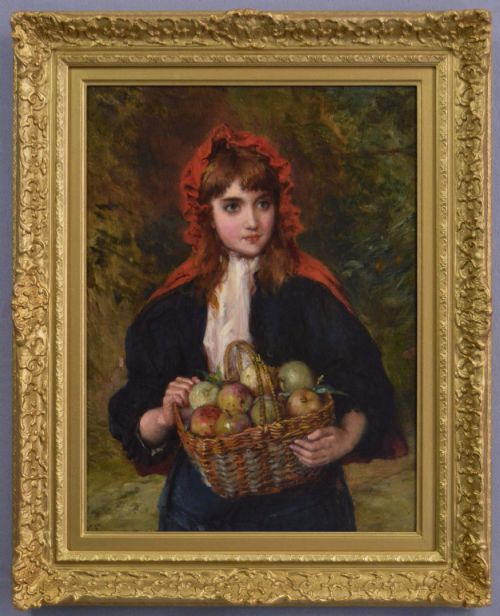
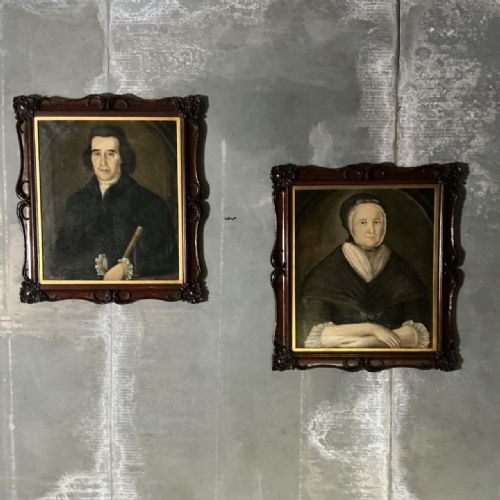
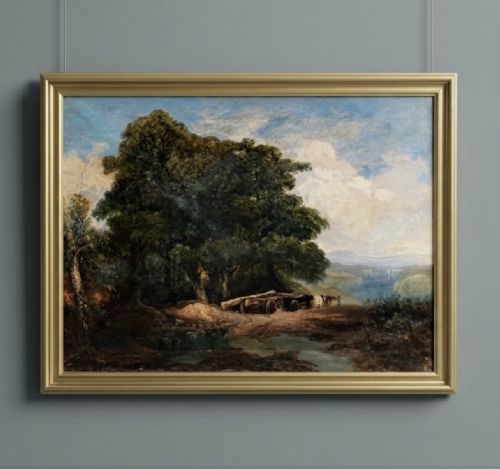
Gilt Framed Canvas
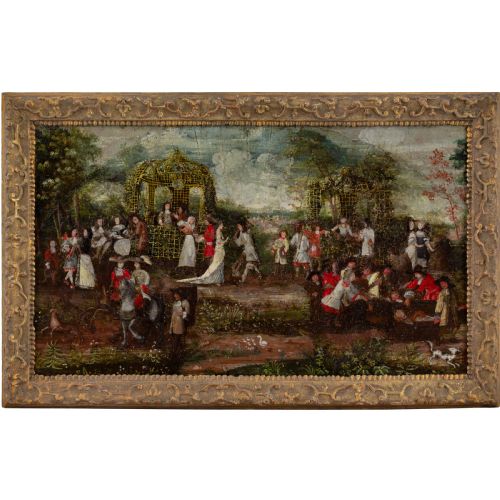
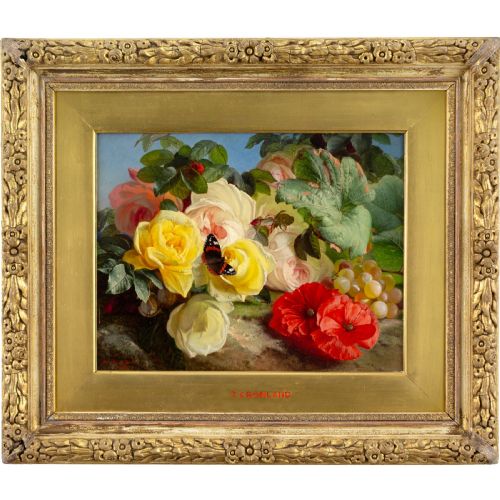
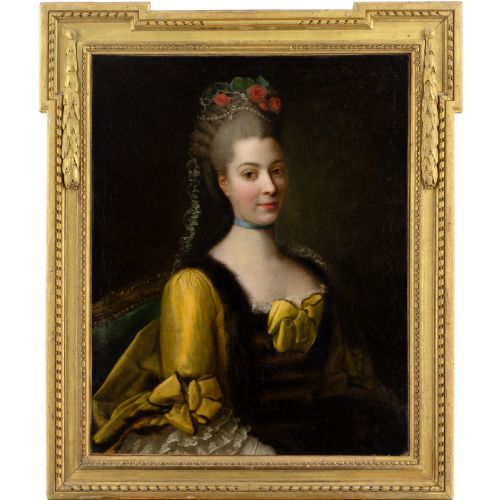
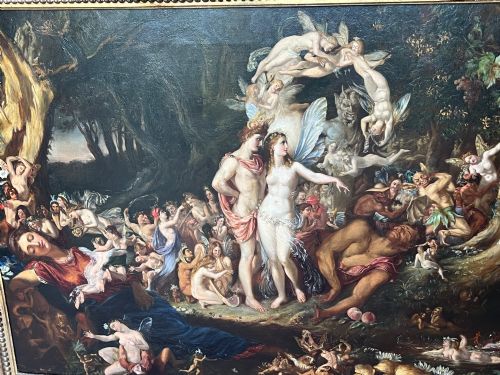
A gilt framed canvas brings together painted oil works and shimmering surrounds across centuries of fine art tradition.
Gilt Framed Canvas
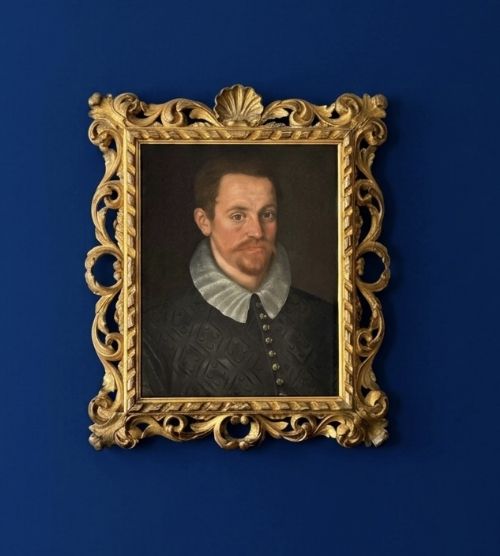
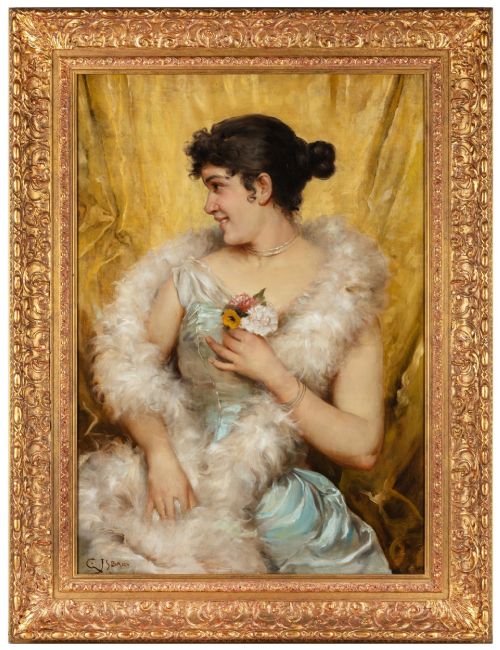
A gilt framed canvas combines painted oil artwork on woven fabric with a decorative metallic surround. These works span from the seventeenth century through to the mid-twentieth century, encompassing periods such as Georgian, Victorian, and Baroque.
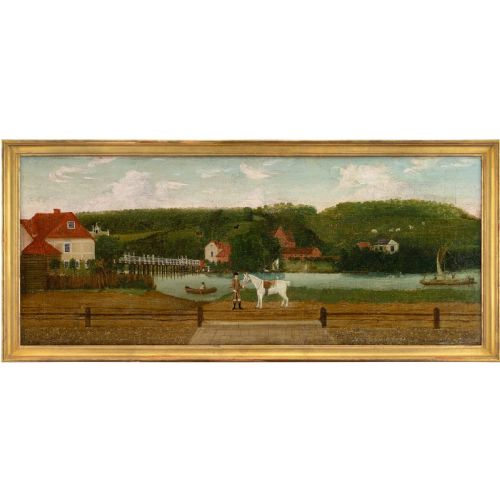
The subjects found within these borders vary widely, ranging from formal portraiture and quiet pastoral landscapes to marine scenes and still-life compositions. Buyers encounter both signed works by known artists and pieces attributed to various European schools.
On this page, the most common format involves traditional oil paint applied to stretched canvas, housed in wooden moulding treated with gold leaf, gilt, or gold-coloured finishes.
How they were made
Painters applied oil paint onto prepared canvas stretched over wooden frames, often utilising fine linen as the primary support for the pigment. This combination allowed for rich colour blending and durable longevity.
The surrounds were constructed from wood, carved or moulded into distinct profiles before receiving applications of gold leaf, gilt, or gold paint to create a reflective border that complemented the artwork within.
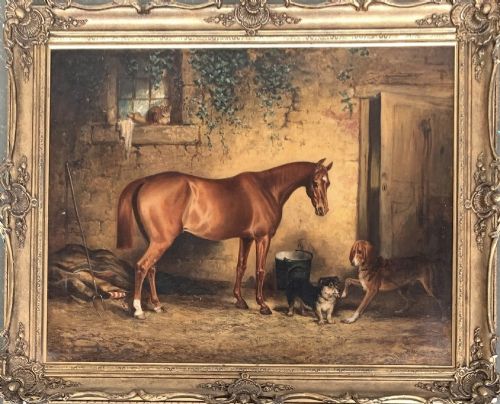
Several canvases faithfully record the earnest gaze of prized family pets, working farm horses, and attentive hounds.
What varies in quality
The standard of a piece rests heavily upon the skill of the brushwork and the anatomical or spatial accuracy achieved by the artist. Masterful handling of light and shadow distinguishes superior portraits and landscapes from simpler decorative workshop productions.
The construction of the surround also dictates overall merit, where hand-carved wooden mouldings and genuine gold leaf gilding demonstrate higher craftsmanship than later applied composition ornaments or plain metallic paints.
Henry Barraud·Theude Grönland·Charles-Antoine Coypel·Sir Joshua Reynolds·Jean-Baptiste Van Loo·Constant Troyon
The Gilt Framed Canvas Glossary
- Giltwood
- Wood that has been treated with gold leaf or a gold-coloured metallic finish. This material provides the traditional reflective border seen on period frames.
- Oil on Canvas
- Pigment mixed with drying oil applied to a woven fabric support. This technique allows for deep colour saturation and gradual blending of tones.
- Baroque
- An artistic style prevalent in the seventeenth and eighteenth centuries characterised by drama, rich detail, and grand scale. Works from this period often feature theatrical lighting and deep perspective.
- Equine
- Pertaining to horses, commonly found as a subject in nineteenth-century paintings depicting hunting or pastoral scenes. These works capture the precise conformation and movement of the animals.
- School
- A group of artists working in a particular region or time period sharing a common style. Attributions to an English or French school indicate regional traditions when a specific master is unknown.
Gilt Framed Canvas: Frequently Asked Questions
How do I date a gilt framed canvas?
Dating relies upon examining the style of the clothing in portraits, the stretchers behind the canvas, and the construction methods used on the wooden frame. Canvas types and preparation grounds also shift noticeably between the seventeenth and twentieth centuries.
Secondary clues include artist signatures, historical exhibition labels, and the specific patina built up over centuries of exposure to light and air.
How were these paintings displayed originally?
These works were hung primarily in the reception rooms, galleries, and staircases of substantial houses and country estates. Their reflective surrounds were designed to catch the flickering light of candles or oil lamps.
Larger landscapes and formal portraits commanded central positions above mantelpieces or along primary corridors to project status and taste.
Can I reframe an antique canvas?
Retaining the original surround is generally preferred because the frame and the artwork often share a long historical association. Many frames were custom-made to suit the specific dimensions and aesthetic weight of the painting.
Separating them can diminish the historical context, though some pieces were paired with replacement frames during subsequent centuries.