

Framed Harbour Artwork
Framed harbour artwork captures maritime life, coastal quays and bustling ports through oil paintings and watercolours spanning multiple creative movements.
Framed Harbour Artwork
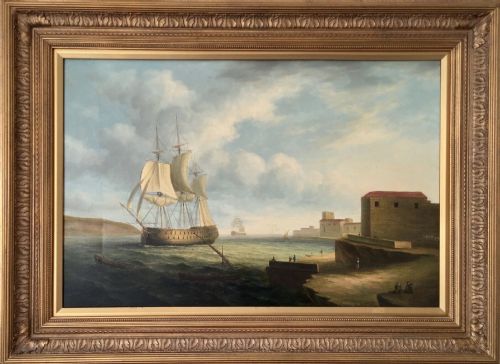
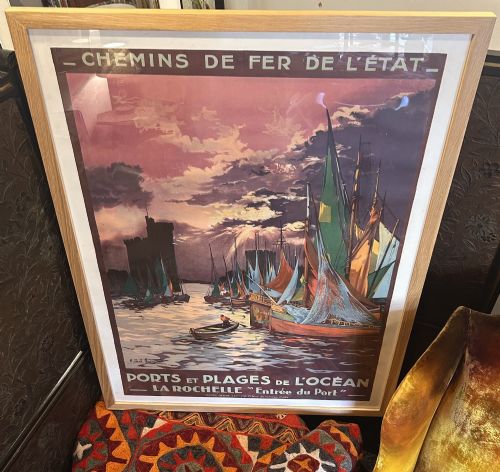
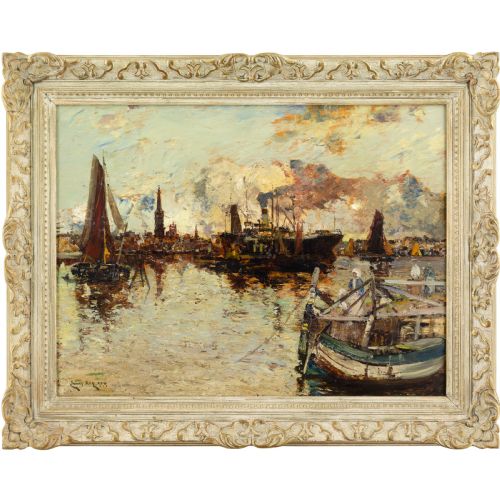
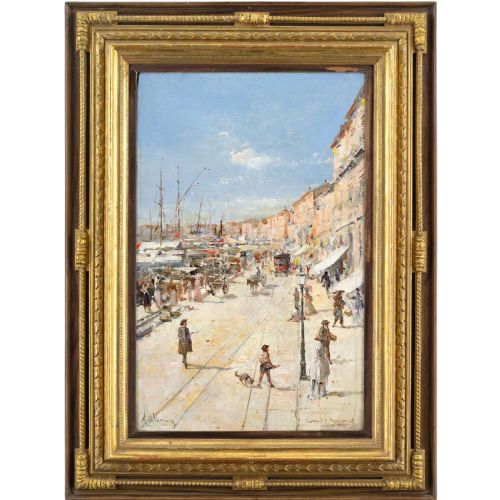
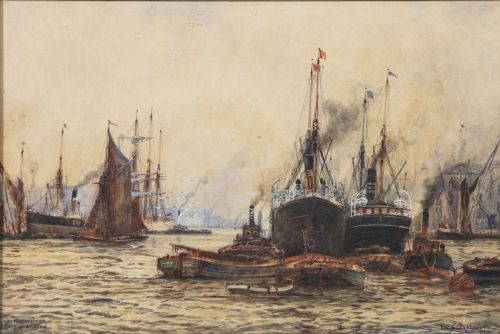
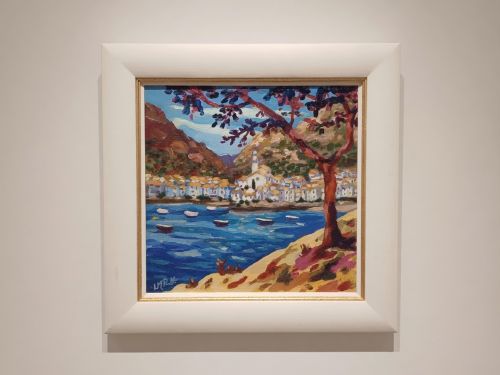
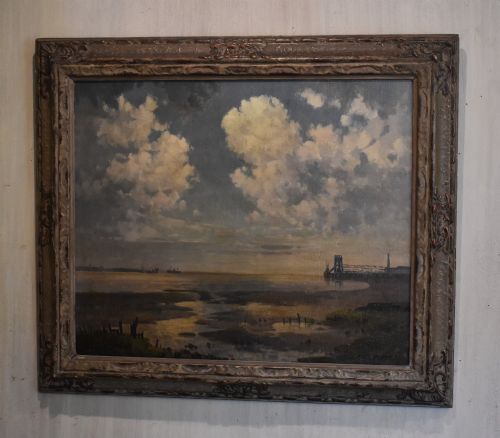
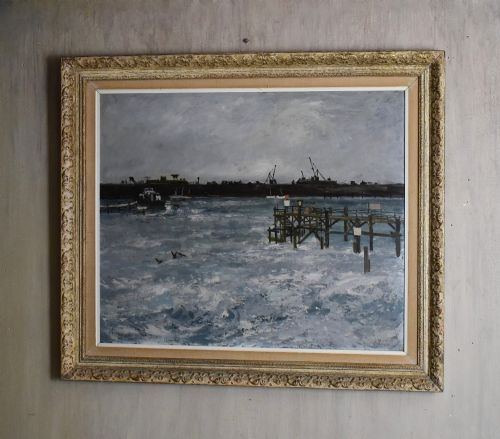
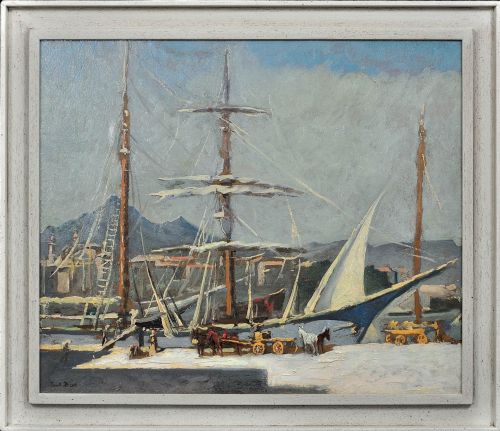
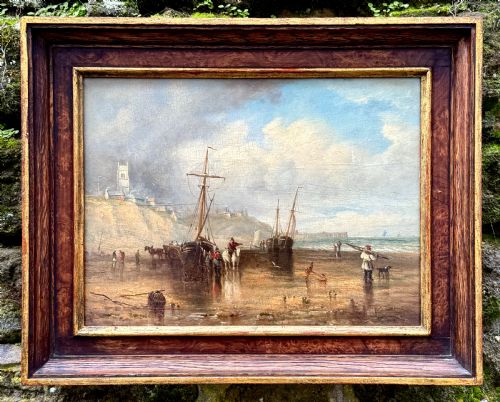
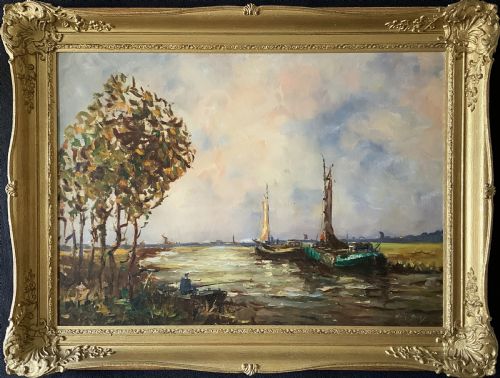
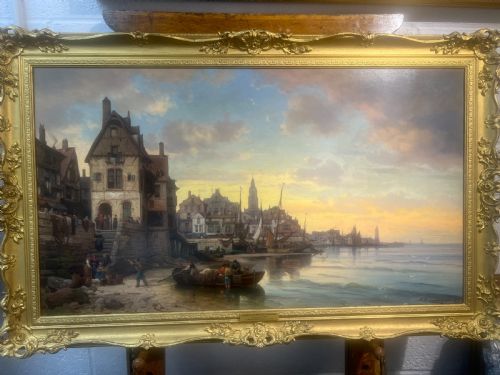
A buyer examining framed harbour artwork encounters a diverse selection of oil paintings, watercolours and posters depicting maritime scenes, coastal inlets and historic ports. These pieces document domestic and international waters, ranging from traditional British fishing villages to bustling European dockyards.
The selection on this page relies heavily on 19th-century and 20th-century works, stretching from Victorian interpretations to mid-century modern perspectives. Paintings often feature local shipping, sailing vessels and coastal architecture set against changing tidal conditions.
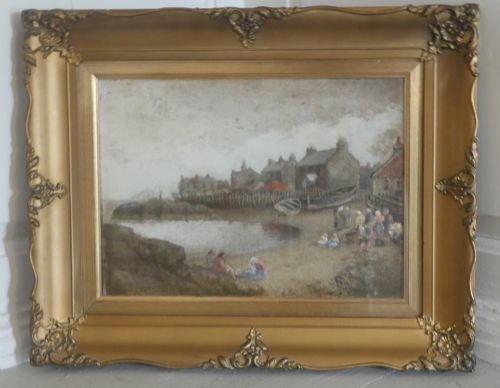
Works originate from various European schools, with particular emphasis on British coastal locations such as Cornwall and Yorkshire, alongside French and Dutch maritime views. Mediums span traditional canvas, wood panels and paper supports housed within period surrounds.
Materials and construction methods
Makers utilised traditional supports including stretched canvas, wooden panels and heavy paper for watercolours, applying oil paint or pigment washes to build atmospheric coastal light. Gilt wood and painted frames complete the presentation, often original to the period of creation.
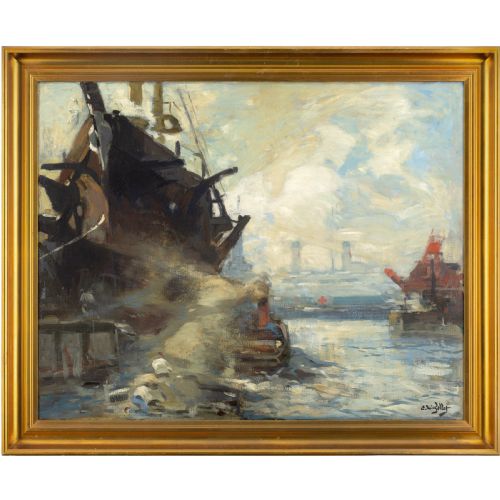
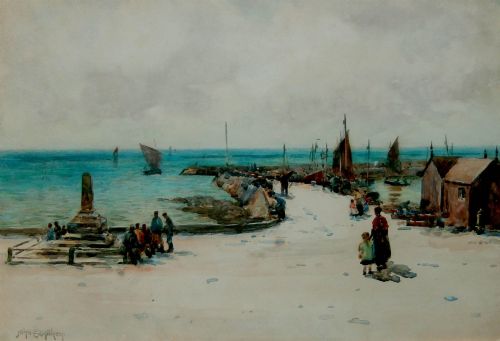
Brushwork varies from the tight detail of Victorian marine portraiture to the looser, expressive handling found in British impressionist and post-impressionist canvases. Watercolour paintings rely on transparent washes and delicate line work to capture reflections on water and distant shorelines.
Framed Harbour Artwork Retail Price Guide 2026
Typical asking prices for framed harbour artwork among the pieces listed under this phrase on Sellingantiques today, from the lower quarter to the upper quarter. They describe what is for sale here now, not the wider market.
The selection includes formal naval engravings alongside expressive mid-century oil paintings and traditional Victorian watercolours.
Distinctions in quality and execution
Superior examples demonstrate a secure grasp of atmospheric perspective, light and maritime anatomy, accurately rendering rigging, hull construction and tidal movement. Weaker pieces often rely on formulaic compositions and rigid draughtsmanship without capturing the specific character of a port.
The handling of the medium distinguishes accomplished hands from competent amateurs, seen in confident brush application for oil works and controlled pigment transparency in watercolours. Original framing that complements the period and scale of the painting adds cohesion to the finished object.
James Hardy·Eugène Louis Gillot·John E Aitken·William Banks Fortescue·James Kay·Augusto Alberici·Frank William Scarbrough·Lucy Pratt·Clive Browne·Peter Brannan·Paul Bret·Thomas Creswick·Willem Bos·Charles Euphraisie Kuasseg·William Matthison·Thomas Hodgson Liddell·Frank Kelsey·F A Roylance·Alfred George Morgan·Paul Jean Anderbouhr·Charles William Wyllie·Paul Delvaux·Eric Tufnell·William Edward Webb·Edward Matthew Elliott
The Framed Harbour Artwork Glossary
- Watercolour
- A painting method in which the paints are made of pigments suspended in a water-based solution. This technique allows for luminous washes that suit coastal skies and open water.
- Impressionism
- A 19th-century movement characterised by relatively small, thin, yet visible brush strokes and an accurate depiction of light. Artists applied these principles to capture shifting reflections on harbour surfaces.
- Gilt wood
- Wood that has been treated with a thin layer of gold leaf or gold paint. This finish frequently appears on period frames designed to enhance the artwork.
- Lugger
- A type of sailing vessel characterised by lug sails set on one or more masts. These working boats frequently populate coastal scenes from the West Country.
Framed Harbour Artwork: Frequently Asked Questions
How do I date a framed harbour artwork?
Dating relies on stylistic clues, framing methods, and artist signatures recorded on the canvas or paper mount. Costume details on figures and the types of vessels depicted also help narrow the period of creation.
Additional context often comes from exhibition labels or inscriptions on the reverse of the panel or stretcher frame. Comparing the handling to documented works by the same hand confirms the timeline.
Where should I hang these maritime paintings?
These works suit spaces with stable humidity away from direct sunlight, which protects fragile watercolours and paper supports from fading. Placing them at eye level allows proper appreciation of the brushwork and coastal detail.
Matching the frame finish to existing interior woodwork helps integrate the piece into the room. Well-lit walls enhance the atmospheric lighting captured by the artist.
What is the difference between oil and watercolour harbour scenes?
Oil paintings utilise pigment bound in drying oil on canvas or wood panels, offering rich textures and deep tones suitable for stormy seas and dramatic skies. Watercolours use water-soluble mediums on paper, yielding lighter, translucent effects.
Oils generally require sturdy wooden frames without glass protection, whereas watercolours need glazing to prevent environmental damage to the paper surface. Both mediums offer distinct interpretations of maritime light.